

Destination
Explore stays
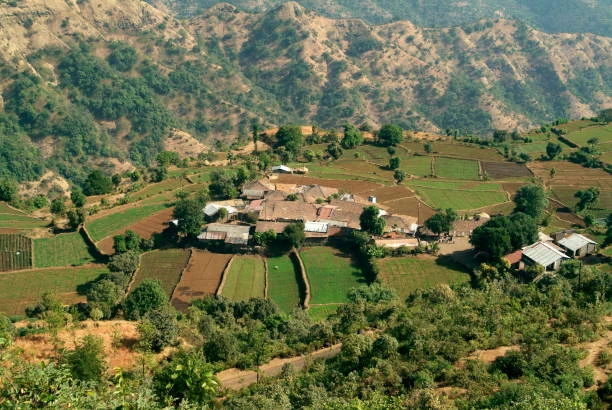
Gujjadi, a quaint village nestled within the boundaries of Kundapura, Karnataka, is a gem that often goes unnoticed by the average traveler. Rich in history and culture, it offers a unique blend of scenic beauty and traditional lifestyle. The village is located on the western coast of India, bordered by the Arabian Sea, and is characterized by lush greenery, rice paddies, and coconut groves. The geography of Gujjadi is marked by rolling hills and the gentle flow of rivers, making it an idyllic spot for nature lovers.
The history of Gujjadi dates back centuries, with roots deeply embedded in the local fishing communities. These communities played a vital role in the economy of Kundapura, which is known for its rich marine life. Local lore suggests that the village was once a bustling trade hub for fishermen, who exchanged their catch for goods with neighboring regions. This historical context adds to the village's charm, where time seems to stand still amidst the hustle and bustle of modern life.
The vibe in Gujjadi is laid-back, offering a stark contrast to the frenetic pace of city life. Visitors can expect warm hospitality from locals, who are eager to share their stories and traditions. The village is often filled with the sounds of children playing, birds chirping, and the distant call of fishermen at sea. This serene atmosphere makes Gujjadi a perfect retreat for those looking to unwind and connect with nature.
When it comes to accommodation in Gujjadi, visitors have a variety of options ranging from luxury resorts to budget homestays. For those seeking a lavish experience, the nearby beaches of Kundapura offer upscale resorts that provide breathtaking views of the Arabian Sea. These resorts often come with modern amenities, swimming pools, and gourmet dining options, ensuring a comfortable stay amidst nature.
On the budget-friendly side, Gujjadi boasts several homestays and guesthouses run by local families. These establishments not only provide basic amenities but also offer an authentic experience of local life. Staying in a homestay allows travelers to immerse themselves in the culture of Kundapura and enjoy home-cooked meals made from fresh, locally sourced ingredients. This blend of luxury and budget accommodation ensures that every traveler can find a place to call home in Gujjadi.
Navigating Gujjadi and the surrounding areas of Kundapura can be an adventure in itself. The village is well-connected by a network of local buses, which are the primary mode of transport for residents. These buses run frequently and are an economical way to explore the region.
For a more personalized experience, travelers can hire bicycles or scooters from local rental shops. Riding through the scenic roads lined with coconut palms and lush fields allows for a deeper connection with the landscape. Auto-rickshaws are also available and can be hailed easily for short distances, providing a convenient way to explore local attractions.
While Gujjadi itself is a treasure, the surrounding areas of Kundapura offer numerous hidden gems worth exploring. One such spot is the stunning Maravanthe Beach, where the river meets the sea, creating a picturesque landscape that is perfect for photography and relaxation.
Another must-visit is the iconic Kodi Beach, known for its golden sands and vibrant sunsets. The beach is less crowded, providing a serene environment for leisurely strolls or evening picnics.
For those interested in wildlife, a trip to the nearby Kundadri Hill is essential. The hill is home to the ancient Jain temple and offers panoramic views of the Western Ghats. Trekking in this area is invigorating and rewarding, showcasing the natural beauty of Kundapura.
The best time to visit Gujjadi is during the winter months from November to February. This period offers cool, pleasant weather, making it ideal for outdoor activities and exploration. The temperature during this time ranges from 15°C to 30°C, providing a comfortable climate for sightseeing.
The monsoon season, from June to September, transforms the landscape into a lush green paradise. However, heavy rainfall can make transportation challenging, so it's better to plan your visit around the drier months. The summer months can be hot, with temperatures soaring above 35°C, making it less suitable for extensive outdoor activities.
Gujjadi experiences a tropical climate, with distinct seasons that shape the atmosphere throughout the year. From January to March, the weather is generally dry and mild, making it perfect for sightseeing.
April and May are the hottest months, with temperatures averaging around 35°C. The humidity can be high, which may be uncomfortable for some travelers. The monsoon season kicks in around June, bringing heavy rains that last until September, revitalizing the landscape.
By October, the rains usually taper off, and the region begins to dry out, setting the stage for the pleasant winter months ahead. Each season has its own charm, but winter remains the most favorable time for exploring the beauty of Gujjadi and Kundapura.
The culture of Gujjadi is a vibrant tapestry woven from the threads of local traditions, folklore, and community spirit. The village is primarily inhabited by the Tuluva community, and their customs reflect a rich heritage that has been preserved over generations.
Festivals play a significant role in the local culture, with celebrations such as Karavali Utsav and Kadri Navratri drawing crowds from all over Kundapura. These festivals are marked by traditional music, dance, and culinary delights that showcase the region's cultural richness.
Etiquette in Gujjadi is rooted in respect and hospitality. Visitors are often greeted with warm smiles and a friendly wave. It is customary to remove shoes when entering homes and temples. Engaging with locals and showing interest in their lifestyle will enhance your experience, as they are eager to share their stories and traditions.
The culinary landscape of Gujjadi is a reflection of the region's rich agricultural and marine resources. Must-try dishes include Neer Dosa, a thin rice crepe often served with coconut chutney, and Mangalorean Fish Curry, which is a spicy and flavorful dish made with freshly caught fish.
The culinary history here is a blend of coastal flavors and traditional Indian spices, making each meal a delightful experience. Local markets are filled with fresh produce and seafood, allowing visitors to savor authentic flavors that are hard to find elsewhere. Don’t miss the opportunity to try the local dessert, Patrode, made from colocasia leaves and rice flour, steamed to perfection.
Gujjadi and the surrounding Kundapura region are home to several landmarks that reflect the area's history and culture. Here are the top five attractions:
1. St. Mary's Island: A short boat ride from Kundapura, this island is known for its unique geological formations and pristine beaches. It’s a great spot for a day trip, offering opportunities for swimming and sunbathing.
2. Kundapura Fort: This historic fort offers a glimpse into the region's past and provides panoramic views of the Arabian Sea. The fort is an excellent place for history enthusiasts to explore ancient architecture and learn about local stories.
3. Mirjan Fort: Located a bit further away, Mirjan Fort is an impressive structure that dates back to the 16th century. The fort is surrounded by lush greenery and is perfect for a historical exploration.
4. Sri Kumbeshwara Temple: A sacred site for the local community, this temple is dedicated to Lord Shiva and showcases beautiful traditional architecture. Visitors are welcome to participate in morning rituals, which offer a unique cultural insight.
5. Maravanthe Beach: Known for its stunning natural beauty, this beach is where the Arabian Sea meets the Souparnika River. It's a picturesque spot for relaxation and enjoying the sunset.
Nearby places worth adding to your itinerary.