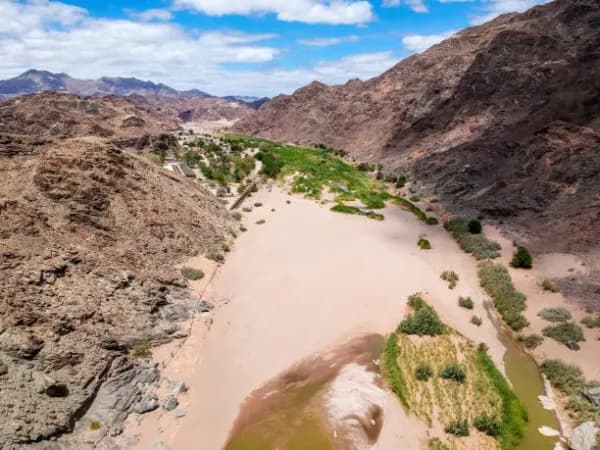
Ai-Ais
Explore stays
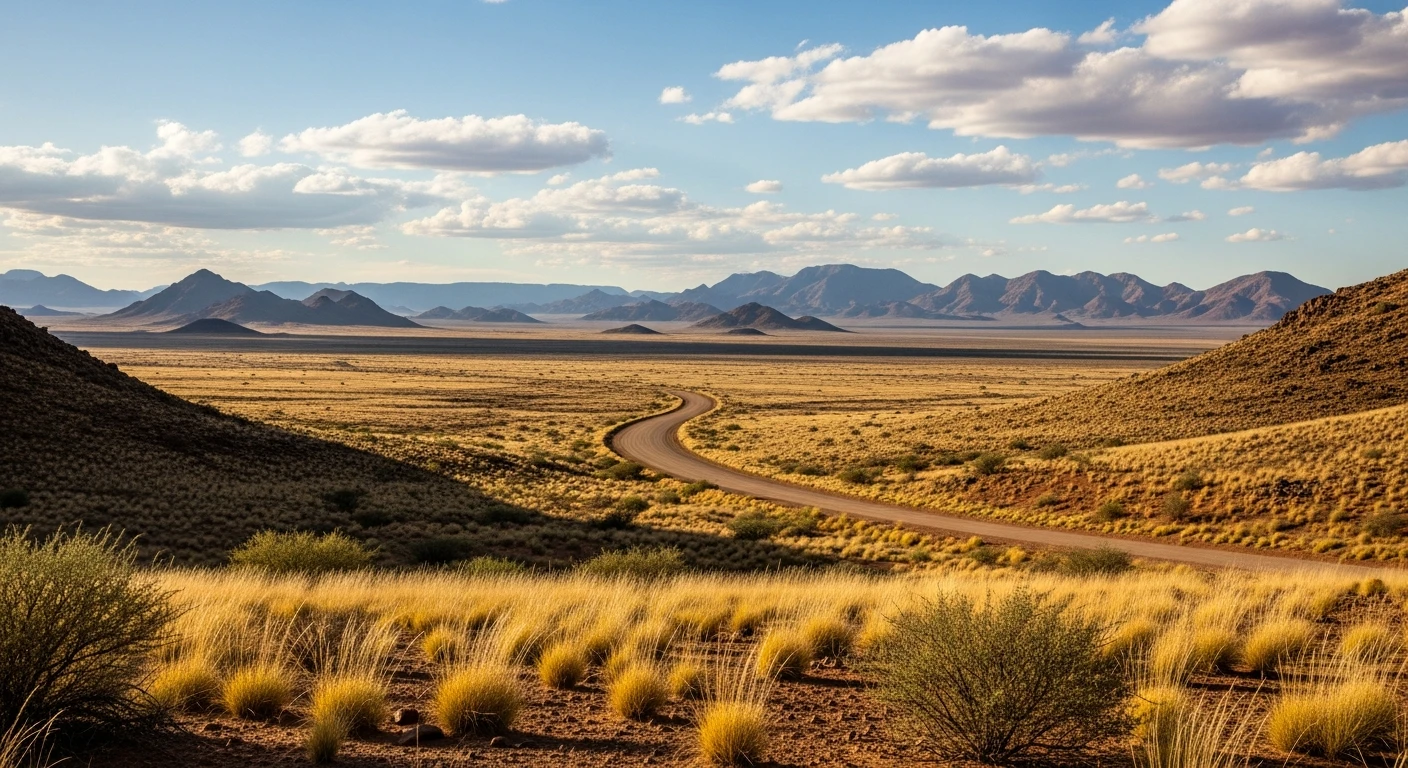
Hardap, a region located in the southern part of Namibia, is a land of stark contrasts and breathtaking beauty. Named after the Hardap Dam, the largest dam in the country, this region is characterized by its vast, arid landscapes, punctuated by the occasional oasis of green. Historically, Hardap has been home to various indigenous communities, including the Nama people, whose rich cultural heritage continues to influence the area today.
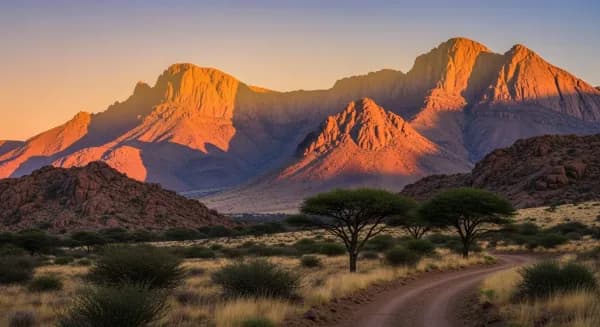
The geography of Hardap is dominated by the Kalahari Desert, which stretches across the eastern part of the region. This desert landscape is not barren, but teeming with life adapted to the harsh conditions. The area is known for its unique flora and fauna, including the iconic quiver tree and the sociable weaver bird.
The vibe in Hardap is a blend of tranquility and adventure. Visitors often describe the region as a place where time seems to slow down, allowing for a deeper connection with nature and oneself. The local communities are welcoming, eager to share their stories and traditions with those who journey to this remote corner of Namibia.
When it comes to accommodation, Hardap offers a range of options to suit every budget and preference. For those seeking luxury, the lodges near the Hardap Dam provide stunning views and top-notch amenities. These lodges often offer guided tours and activities such as bird watching and fishing.
For budget travelers, guesthouses and campsites are available in towns like Mariental and Rehoboth. These accommodations provide a more rustic experience, allowing visitors to immerse themselves in the natural beauty of the region without breaking the bank.
Staying in Hardap is not just about finding a place to sleep; it's about choosing a base from which to explore the rich tapestry of landscapes and cultures that Namibia has to offer.
Getting around Hardap like a local involves a mix of public and private transportation. While the region is vast, the main roads are well-maintained and easily navigable by car. Renting a 4x4 vehicle is highly recommended, as it allows for greater flexibility and access to off-the-beaten-path locations.
For those preferring public transport, buses and shared taxis connect major towns and are an affordable option. However, schedules can be irregular, so it's essential to plan ahead. Hitchhiking is also relatively common in rural Namibia, though it's advisable to exercise caution and travel in groups when possible.
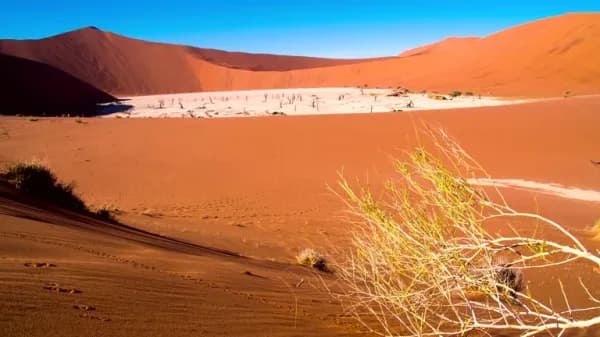
Hardap is surrounded by hidden gems waiting to be discovered. One such gem is the Namib-Naukluft National Park, home to the iconic Sossusvlei dunes. These towering red sand dunes are a photographer's dream, especially during sunrise and sunset.
Another must-visit is the Fish River Canyon, the largest canyon in Africa. Its dramatic landscapes offer excellent hiking opportunities and breathtaking views. For a more cultural experience, visit the town of Rehoboth, known for its unique Rehoboth Basters community, a group with a rich history and distinct cultural identity.
These excursions offer a glimpse into the diverse natural and cultural tapestry that makes Namibia a unique travel destination.
The best time to visit Hardap is during the cooler months from May to September. During this period, the weather is mild, with clear skies and minimal rainfall, making it ideal for outdoor activities and wildlife viewing.
From October to April, temperatures can soar, especially in the desert regions. This period also coincides with the rainy season, which can bring sudden thunderstorms and transform the landscape into a lush, green paradise.
Each season offers its own unique charm, so the best time to visit ultimately depends on your interests and what you wish to experience in Namibia.
The weather in Hardap varies significantly throughout the year. January and February are the hottest months, with temperatures often exceeding 35°C (95°F). These months also see the most rainfall, though it is generally short-lived and sporadic.
March and April mark the transition to cooler weather, with temperatures ranging from 20°C to 30°C (68°F to 86°F). May to August are the coolest months, with daytime temperatures averaging 20°C (68°F) and nighttime temperatures dropping to near freezing.
September and October see a gradual warming, with temperatures rising as the region moves into the hot, dry season. Regardless of the month, visitors should be prepared for sudden temperature changes, especially in the desert areas.
Hardap's culture is a rich tapestry woven from the diverse backgrounds of its inhabitants. The Nama people, one of the region's indigenous groups, have a profound influence on the local culture. Their traditional music, dance, and storytelling are integral to community life and offer visitors a unique insight into their way of life.
Festivals are a significant part of the cultural landscape. The Nama Cultural Festival, held annually, is a vibrant celebration of Nama heritage, featuring traditional music, dance, and crafts. Visitors are encouraged to participate and learn about the customs and traditions of the Nama people.
Etiquette in Hardap is rooted in respect and hospitality. Visitors are advised to greet locals with a friendly "hello" and to be mindful of local customs and traditions, especially in rural areas.
Namibian cuisine is a delightful fusion of indigenous and colonial influences, and Hardap is no exception. A must-try dish is "kapana," a popular street food consisting of grilled meat seasoned with a spicy chili sauce. It's often served with "vetkoek," a type of fried bread.
Another local favorite is "potjiekos," a slow-cooked stew made with meat, vegetables, and spices, traditionally prepared in a cast-iron pot over an open fire. This dish reflects the communal spirit of Namibian culture, as it's often shared among family and friends.
For a sweet treat, try "koeksisters," a syrupy pastry that is both crunchy and chewy, offering a perfect end to a meal in Namibia.
The Hardap Dam is a top attraction, offering a serene environment for bird watching, fishing, and picnicking. The dam's surrounding nature reserve is home to a variety of wildlife, including antelope and zebras.
Another highlight is the Kalahari Desert, where visitors can explore the unique ecosystem and meet the San people, who are known for their traditional tracking and survival skills in the desert.
The town of Mariental, the capital of Hardap, is a gateway to many attractions. It offers a glimpse into the daily life of Namibians, with its bustling markets and historical buildings.
The Quiver Tree Forest, located near Keetmanshoop, is a surreal landscape of ancient aloe trees, some over 200 years old. This forest is a photographer's paradise, especially during the golden hours of sunrise and sunset.
Lastly, the Rehoboth Museum provides insight into the history and culture of the Rehoboth Basters, showcasing artifacts and exhibits that tell the story of this unique community in Namibia.
Nearby places worth adding to your itinerary.
Top stays in Hardap picked for comfort, value, and great guest reviews.