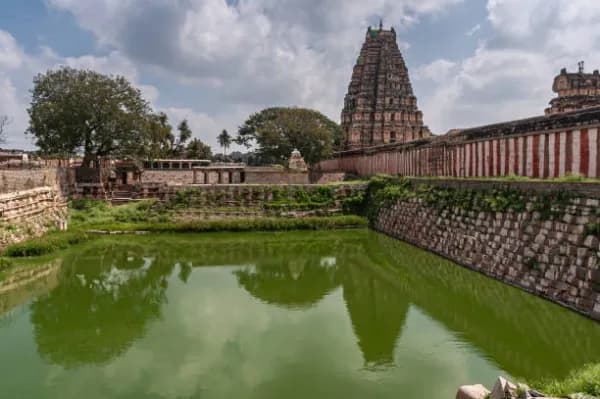
Adityapatna
Explore stays
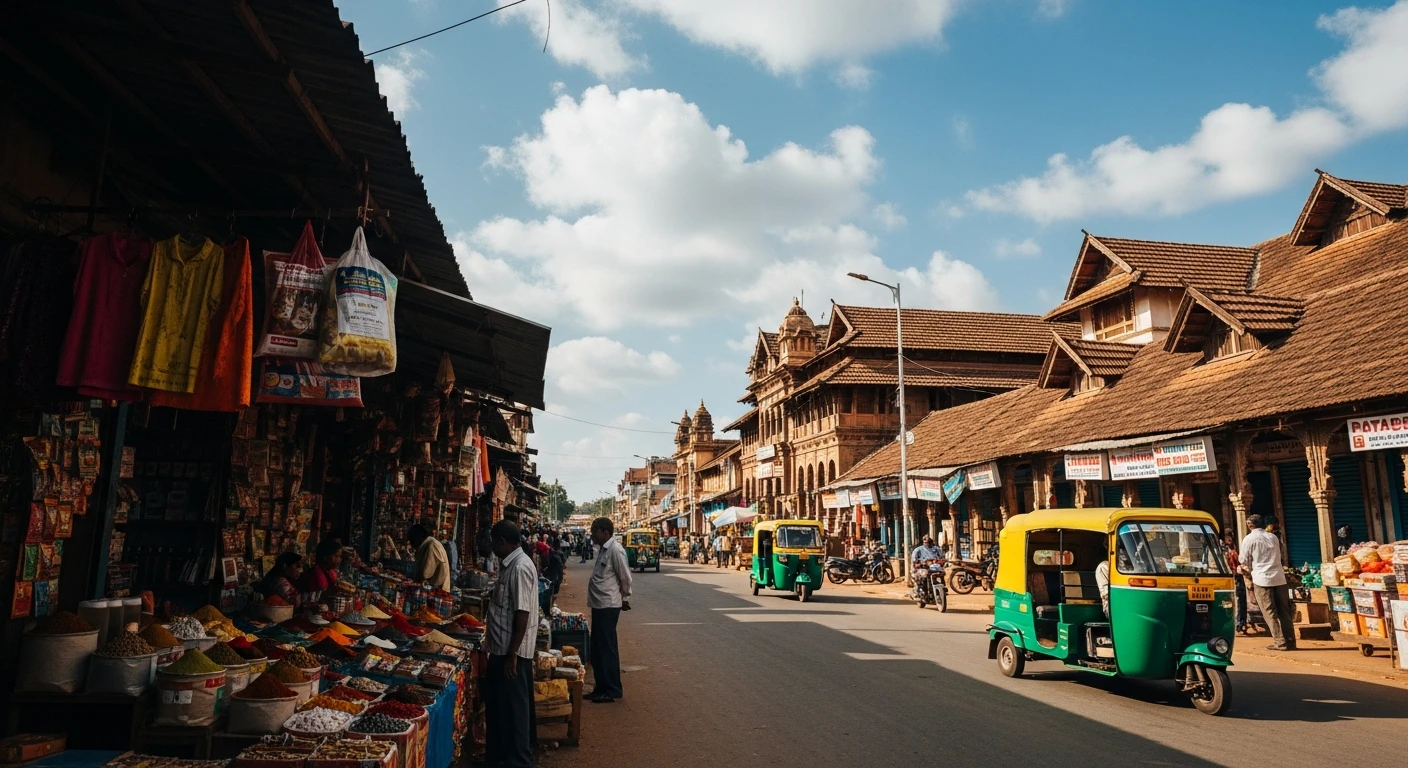
Nestled in the heart of Karnataka, Haveri is a district that beautifully encapsulates the rich tapestry of history, culture, and natural beauty that the state is renowned for. Historically, Haveri has been a significant center, with its roots tracing back to the eras of the Chalukyas and the Hoysalas. The city itself is named after the Kannada word 'Havari,' which means 'place of snakes,' a nod to its ancient past where it was believed to have been a significant habitat for these creatures.
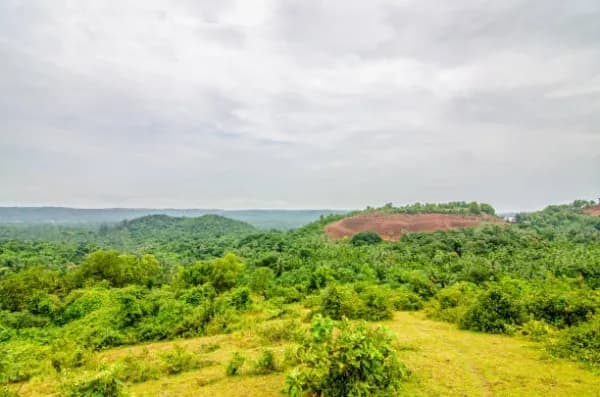
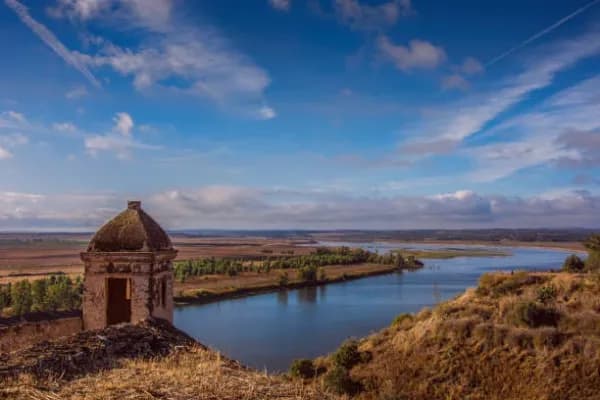
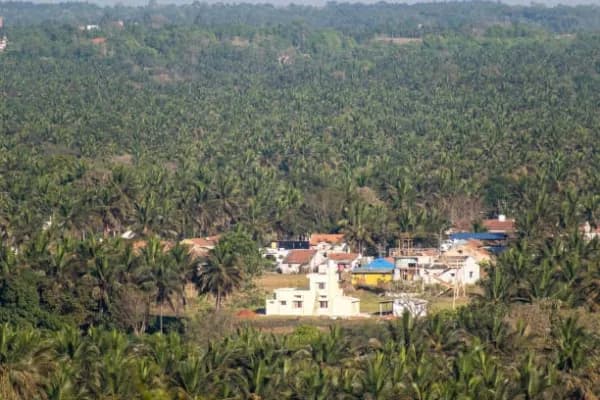
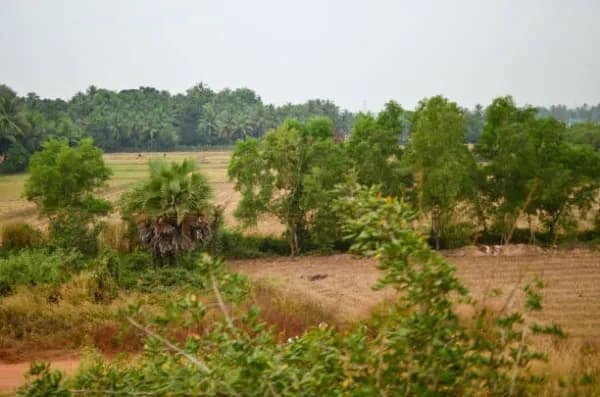
Geographically, Haveri is strategically positioned along the Bangalore-Pune highway, making it accessible yet serene. The landscape is predominantly flat, punctuated by lush fields and the occasional hillock, offering a picturesque backdrop to the town's vibrant life. The Tungabhadra River enriches the soil, making the area agriculturally fertile and dotted with verdant fields of sunflowers and cotton, painting the region in hues of yellow and green.
The vibe of Haveri is a harmonious blend of the old and the new. While the town is rapidly modernizing, it retains a sense of timelessness with its traditional festivals, ancient temples, and local crafts. The people of Haveri are known for their hospitality and warmth, always eager to share their stories and traditions with visitors.
Haveri offers a range of accommodation options to suit different budgets and preferences. For those seeking luxury, the city has a few upscale hotels that provide modern amenities and comfort. These establishments often come with exquisite dining options, spa services, and well-appointed rooms that ensure a restful stay.
For budget travelers, there are numerous guesthouses and lodges that offer clean and comfortable accommodations. Areas around the Haveri railway station and the central market are ideal for finding affordable stays. These budget options are perfect for those who wish to experience the local lifestyle and savor the authentic flavors of Karnataka without breaking the bank.
Whether you choose luxury or budget, staying in Haveri offers an opportunity to immerse yourself in the local culture and traditions of Karnataka.
Navigating Haveri is relatively straightforward, thanks to its well-connected road network. The most common mode of local transportation is the auto-rickshaw, which is both convenient and economical for short distances. They are readily available and can be hailed on the street or booked via mobile apps.
For those looking to explore the outskirts or travel to nearby towns, buses operated by the Karnataka State Road Transport Corporation (KSRTC) are a reliable option. These buses connect Haveri to various parts of Karnataka, making it easy to plan day trips or excursions.
Renting a bicycle or a scooter is also a popular choice for travelers who wish to explore at their own pace, offering a more intimate experience of the town and its surroundings.
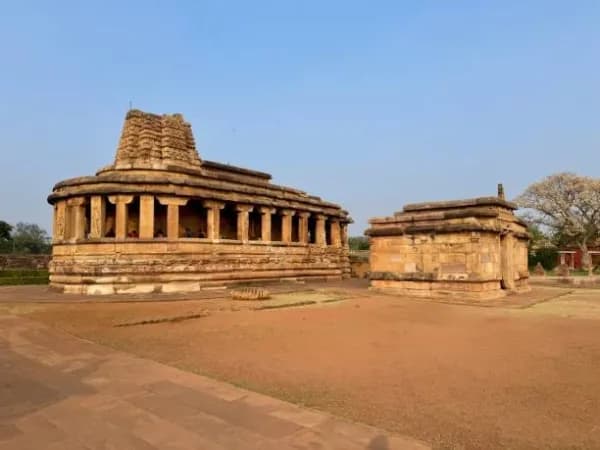
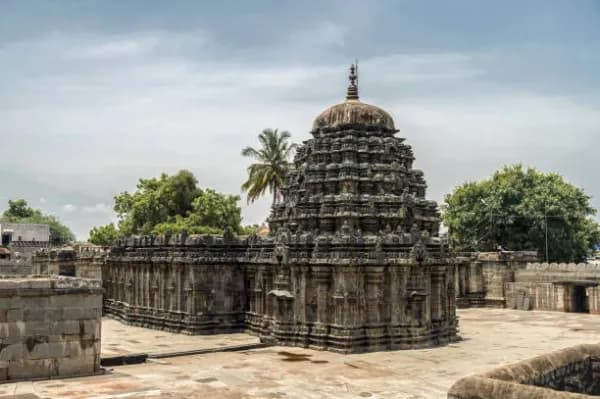
Haveri's location makes it an excellent base for exploring the surrounding hidden gems of Karnataka. One such gem is the Galaganatha Temple, a stunning example of Chalukyan architecture located just a short drive away. The temple's intricate carvings and serene atmosphere provide a glimpse into the region's rich history.
Another must-visit is the Ranebennur Blackbuck Sanctuary, home to the endangered blackbuck and a variety of bird species. Nature enthusiasts will relish the opportunity to witness these majestic creatures in their natural habitat.
The nearby village of Byadgi, famous for its red chilies, offers a unique cultural excursion. Visitors can learn about the chili cultivation process and even participate in local cooking demonstrations to understand the significance of spices in Karnataka's cuisine.
The best time to visit Haveri is during the cooler months from October to March. During this period, the weather is pleasant, making it ideal for sightseeing and outdoor activities. The lush landscapes are at their most vibrant, and the cultural calendar is filled with festivals and events.
Summers, from April to June, can be quite hot, with temperatures soaring, making it less comfortable for extensive exploration. However, this is also the time when the town is less crowded, offering a more tranquil experience.
The monsoon season, from July to September, transforms the region into a verdant paradise, but travel can be affected by heavy rains. This season is perfect for those who enjoy the monsoon ambiance and the freshness it brings to the countryside.
Haveri experiences a tropical climate with distinct seasons. January and February are cool and dry, with temperatures ranging between 15°C to 28°C, making it an excellent time for travel.
March to May marks the summer season, with temperatures rising to 35°C. While the heat can be intense during the day, evenings are cooler and more comfortable.
The monsoon months of June to September bring heavy rainfall, rejuvenating the landscape but also causing occasional disruptions in travel plans. October to December sees a return to cooler, drier weather, making it another favorable time for visitors.
The cultural fabric of Haveri is woven with threads of tradition, art, and community. The people of Haveri are predominantly Kannada-speaking, and their lives are deeply intertwined with the customs and festivals of Karnataka. The town is known for its vibrant celebrations of festivals such as Ugadi, Diwali, and the local car festival, where the entire community comes together in joyous revelry.
Haveri is also famous for its contribution to the arts, particularly in the field of literature and music. The district has produced several notable poets and musicians who have enriched the cultural heritage of Karnataka.
Etiquette in Haveri is rooted in respect and hospitality. Visitors are encouraged to dress modestly, especially when visiting religious sites, and to participate in local customs and traditions to gain a deeper understanding of the local way of life.
The culinary landscape of Haveri is a delightful representation of Karnataka's diverse flavors. Must-try dishes include the famous Dharwad Peda, a sweet delicacy that melts in your mouth, and the spicy Byadgi chili dishes that add a fiery kick to any meal.
Traditional meals often feature a variety of vegetarian dishes, including saaru (a spicy soup), palya (a vegetable side dish), and kosambari (a salad made with pulses). These meals are typically served on a banana leaf, offering an authentic taste of Karnataka's culinary heritage.
Local eateries and street vendors provide ample opportunities to sample these flavors, making dining in Haveri a truly immersive experience.
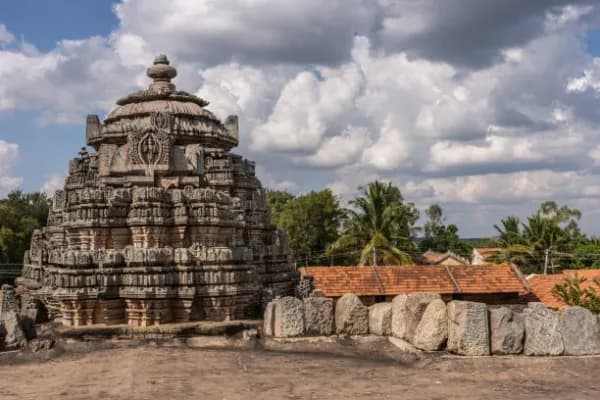
Haveri boasts several attractions that offer a deep dive into the region's history and culture. The Siddhesvara Temple, an architectural marvel from the Chalukyan period, is a must-visit for its intricate carvings and historical significance. The temple's serene ambiance and exquisite sculptures make it a favorite among history enthusiasts and spiritual seekers.
The Utsav Rock Garden, located a short drive from Haveri, is an artistic haven showcasing rural life through lifelike sculptures. This unique garden provides insight into the traditional lifestyles and customs of Karnataka's rural communities.
The Bankapura Peacock Sanctuary is another highlight, offering a chance to observe the majestic peacocks in their natural habitat. The sanctuary is a haven for birdwatchers and nature lovers, providing a peaceful retreat from the hustle and bustle of city life.
For those interested in history, the Tarakeshwara Temple in Hangal is a short excursion from Haveri. This temple is renowned for its grand architecture and historical inscriptions, offering a fascinating glimpse into the region's past.
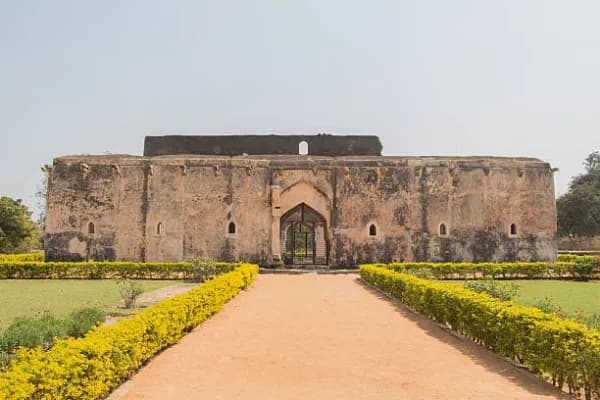
Lastly, the Haveri Fort, though in ruins, stands as a testament to the region's historical significance and offers panoramic views of the surrounding landscape. Exploring these attractions provides a comprehensive understanding of Haveri's rich cultural and historical heritage.
Nearby places worth adding to your itinerary.