
Ongjin
Explore stays
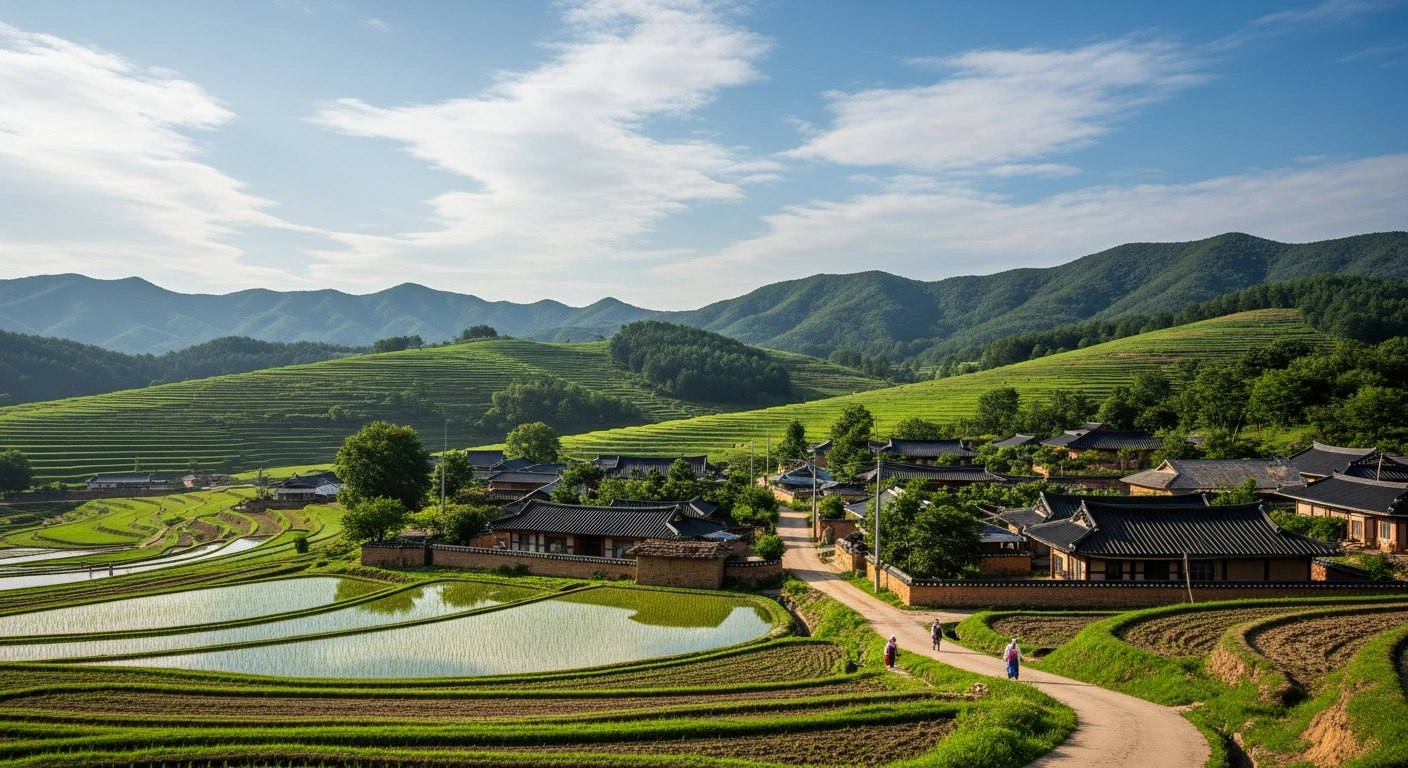
Hwanghae is a region steeped in both historical significance and natural beauty, located in the southwestern part of North Korea. It is divided into North and South Hwanghae provinces, each offering a unique glimpse into the country's rich past and vibrant present. Historically, Hwanghae has been a crucial agricultural hub, contributing significantly to North Korea's food production. The region's fertile plains and rolling hills are dotted with rice paddies and ancient relics, painting a picture of timeless rural life.
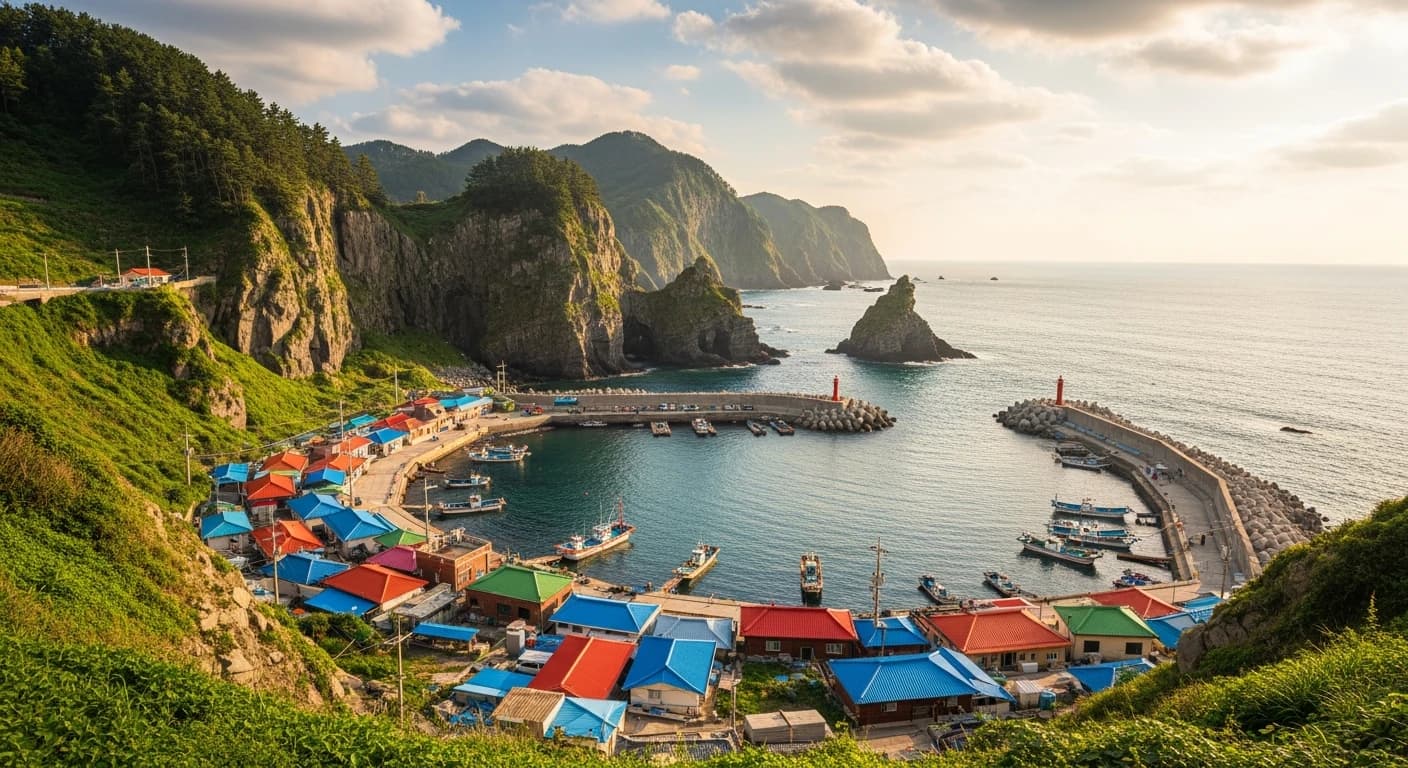
Geographically, Hwanghae is bordered by the Yellow Sea to the west, providing stunning coastal vistas and opportunities for maritime exploration. The region's landscape is a tapestry of mountains, rivers, and valleys, creating a diverse environment for both adventure seekers and those looking to immerse themselves in nature's tranquility. The vibe in Hwanghae is a harmonious blend of traditional Korean culture and the unique socio-political atmosphere of North Korea, offering travelers a rare opportunity to experience life in one of the world's most enigmatic countries.
Accommodation in Hwanghae ranges from basic guesthouses to more upscale hotels, catering to different traveler preferences. For a luxurious stay, the Haeju Hotel in South Hwanghae offers comfortable rooms with modern amenities, providing guests with a taste of North Korean hospitality. The hotel often hosts international visitors and offers guided tours to nearby attractions.
For budget-conscious travelers, local inns and guesthouses in smaller towns such as Sariwon provide a more authentic experience. These accommodations often include traditional Korean ondol (underfloor heating) rooms, offering a cozy retreat after a day of exploration. Staying in these local spots allows for deeper interaction with the residents, enriching your understanding of North Korean culture.
Navigating Hwanghae like a local requires a bit of planning, as public transportation options are limited. Most travel is arranged through guided tours, which include transportation. These tours typically use buses or minivans, offering a comfortable and efficient way to explore the region.
For independent travelers, renting a bicycle can be an adventurous way to explore the countryside and smaller towns. However, it's important to note that travel restrictions apply, and certain areas may require special permits.
Hwanghae is surrounded by hidden gems waiting to be discovered. One such gem is the Mount Kuwol area, renowned for its stunning natural beauty and hiking trails. The mountain is a popular destination for both locals and tourists, offering breathtaking views of the surrounding landscape.
Another must-visit is the Sariwon Folklore Street, a reconstructed traditional Korean village that offers insight into the region's cultural heritage. Here, visitors can witness traditional crafts, sample local delicacies, and participate in cultural performances.
The best time to visit Hwanghae, North Korea, is during the spring (April to June) and autumn (September to November) months. During these periods, the weather is mild, and the landscape bursts with color, making it ideal for outdoor activities and sightseeing.
Spring brings blooming flowers and lush greenery, while autumn offers a spectacular display of foliage. These seasons also coincide with several local festivals, providing a unique opportunity to experience North Korean culture firsthand.
Hwanghae experiences a temperate climate with four distinct seasons. January is the coldest month, with temperatures often dropping below freezing, while July is the warmest, with temperatures averaging around 27°C (81°F).
Spring and autumn are characterized by mild temperatures and low humidity, making them the most pleasant times for travel. Summer can be hot and humid, while winter brings cold, dry weather, with occasional snowfall in the mountainous regions.
Hwanghae's culture is a rich tapestry of traditional Korean customs and the unique influences of North Korea's political system. The region hosts several festivals throughout the year, such as the Harvest Festival, which celebrates the end of the agricultural season with music, dance, and communal feasts.
The people of Hwanghae are known for their hospitality and resilience, often welcoming visitors with open arms despite the country's isolated status. When visiting, it's important to adhere to local etiquette, such as bowing when greeting and dressing modestly, to show respect for North Korean customs.
Hwanghae offers a variety of traditional Korean dishes that are a must-try for any visitor. The region is famous for its seafood, thanks to its proximity to the Yellow Sea. Dishes such as grilled fish and spicy seafood stews are local favorites.
Another culinary highlight is Hwanghae's version of kimchi, which is often spicier and more robust in flavor compared to other regions. Be sure to try the local bibimbap, a mixed rice dish with vegetables and meat, offering a delicious taste of North Korean cuisine.
Hwanghae is home to several notable landmarks that offer a glimpse into North Korea's rich history and culture. One of the top attractions is the Koryo Museum in Kaesong, which showcases artifacts from the Koryo Dynasty, providing insight into the region's historical significance.
Another must-visit site is the Tomb of King Kongmin, a UNESCO World Heritage site. The tomb's intricate carvings and serene surroundings make it a fascinating destination for history enthusiasts.
The Haeju Fortress, with its ancient walls and scenic views, offers a glimpse into North Korea's military history. Meanwhile, the Sariwon Folklore Street provides a vibrant look at traditional Korean life, complete with cultural performances and crafts demonstrations.
Lastly, the scenic beauty of the Mount Kuwol area is a must-see for nature lovers, offering hiking trails and panoramic views that showcase the natural splendor of North Korea.
Nearby places worth adding to your itinerary.
Top stays in Hwanghae picked for comfort, value, and great guest reviews.