
Anjo
Explore stays
Iwakura, a charming city located in Aichi Prefecture, Japan, is rich in history and culture. Established in the late Edo period, Iwakura has retained its traditional essence while gradually embracing modernity. The name 'Iwakura' translates to 'rock warehouse,' hinting at the area's geological significance. The city is nestled at the foot of the picturesque Chita Peninsula and is surrounded by lush greenery, making it a serene escape from the hustle and bustle of urban life.
The geography of Iwakura is characterized by its hills and valleys, offering stunning views, especially during cherry blossom season. The city is well-connected to Nagoya, one of Japan's major urban centers, making it a convenient spot for day-trippers. The vibe in Iwakura is laid-back, with friendly locals who often greet visitors with warm smiles. This tranquil atmosphere is ideal for those looking to immerse themselves in Japanese culture and nature.
Iwakura is also home to several historical landmarks, such as ancient shrines and temples, reflecting its rich cultural heritage. The city has a unique blend of traditional and modern influences, with local festivals celebrating centuries-old customs alongside contemporary events. Overall, Iwakura is an enchanting destination that offers a glimpse into Japan's past while providing modern-day comforts.
When it comes to accommodation in Iwakura, options range from luxury hotels to budget-friendly guesthouses. For those seeking a lavish experience, the Iwakura Hotel provides a blend of traditional Japanese hospitality and modern amenities. This hotel is known for its exquisite onsen (hot spring) facilities, offering guests a relaxing retreat after a day of exploration.
On the other hand, budget travelers can find cozy guesthouses and hostels in the area, such as the Iwakura Youth Hostel, which offers affordable rates without compromising on comfort. Staying in these more modest accommodations allows visitors to interact with locals and experience the authentic lifestyle of Iwakura residents.
For a unique experience, consider booking a stay at a ryokan, a traditional Japanese inn, where you can enjoy tatami-matted rooms, futon bedding, and kaiseki dining. Overall, Iwakura caters to various preferences and budgets, ensuring a pleasant stay for all visitors.
Navigating Iwakura is relatively easy, thanks to its efficient public transportation system. The city is serviced by local buses and trains, making it convenient to explore nearby attractions. To blend in with the locals, consider purchasing a prepaid IC card, such as Suica or Pasmo, which can be used on trains and buses across the Aichi region.
Bicycles are also a popular means of transportation in Iwakura. Many shops offer rentals, allowing you to explore the city at your own pace while enjoying the scenic surroundings. Walking is another great option, as many of the city’s attractions are within walking distance of one another, providing an intimate way to experience the local culture.
Iwakura serves as an excellent base for exploring surrounding hidden gems in Aichi Prefecture. Just a short drive or train ride away, you can visit the historic city of Inuyama, known for the Inuyama Castle, one of Japan’s oldest castles. The castle offers breathtaking views of the Kiso River and is a UNESCO World Heritage site.
Another nearby destination is the picturesque town of Takayama, famous for its well-preserved Edo-period streets and vibrant morning markets. Nature lovers should not miss the opportunity to hike in the scenic Meiji Mura, an open-air museum showcasing buildings from the Meiji era, surrounded by lush forests.
The coastal town of Gamagori is also within reach, offering beautiful beaches and opportunities for water sports. Whether you seek historical insights or natural beauty, Iwakura’s proximity to these attractions makes it an ideal starting point for various excursions.
Iwakura is a year-round destination, but the best time to visit largely depends on your preferences. Spring (March to May) is particularly enchanting, as cherry blossoms bloom throughout the city, creating a breathtaking spectacle. During this time, the annual Iwakura Cherry Blossom Festival attracts visitors from all over Japan, featuring local food stalls and entertainment.
Summer (June to August) offers warm weather and vibrant festivals, but it can be humid. Autumn (September to November) is another fantastic time to visit, as the foliage transforms into vibrant reds and oranges, providing a stunning backdrop for outdoor activities.
Winter (December to February) is quieter and can be cold, but the city’s charm remains. Plus, visiting during the new year allows for participation in traditional Japanese celebrations.
The weather in Iwakura varies throughout the year, offering distinct seasonal experiences. In January, temperatures can drop to around 0°C (32°F), with occasional snowfall, creating a serene winter landscape.
February remains chilly, but as spring approaches in March, temperatures gradually rise, averaging around 10°C (50°F) by month-end. April sees a significant increase in warmth and the blooming of cherry blossoms, with temperatures hovering around 15°C (59°F).
Summer months, particularly July and August, can be hot and humid, with temperatures reaching up to 30°C (86°F). September brings milder weather, while October and November showcase beautiful autumn foliage. By December, temperatures drop again, signaling the arrival of winter.
Iwakura is a city rich in culture and traditions, hosting various festivals throughout the year. One of the highlights is the Iwakura Matsuri, celebrated in early April, featuring parades, traditional music, and dance performances. Locals dress in colorful kimono, creating a vibrant atmosphere that attracts many visitors.
The people of Iwakura are known for their hospitality and kindness. Interactions with locals often reveal fascinating anecdotes about the city’s history and traditions. Etiquette is essential in Japan; bowing when greeting, using both hands to offer items, and removing shoes before entering homes are customary practices that visitors should observe.
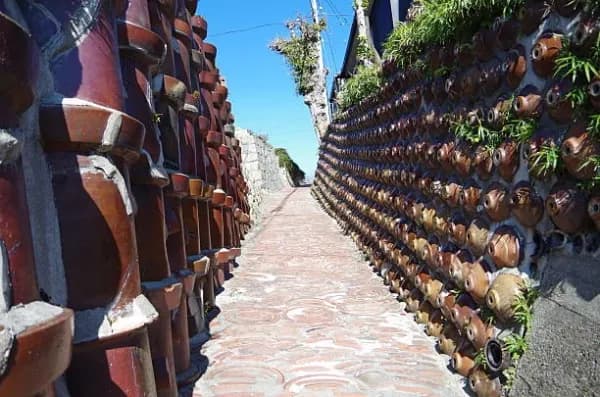
Art and craftsmanship also play a significant role in Iwakura’s culture, with local artisans producing traditional crafts such as pottery and textiles. Exploring local shops and galleries offers a deeper understanding of the artistic heritage of Aichi Prefecture.
The culinary landscape of Iwakura is as diverse as its culture. Must-eat dishes include Hitsumabushi, a grilled eel dish served over rice, which is a specialty of Aichi. The dish is traditionally enjoyed in three distinct ways: eating it plain, adding condiments, and mixing it with a flavorful broth.
Another local favorite is Miso Katsu, a variation of the popular tonkatsu dish, featuring deep-fried pork cutlet smothered in Aichi’s unique red miso sauce. Street food is also prevalent, with stalls offering Takoyaki (octopus balls) and Yakitori (skewered chicken) during festivals.
The culinary history of Iwakura is deeply rooted in the region’s agricultural practices, with fresh produce and seafood playing a vital role in many dishes. Sampling local cuisine is an integral part of experiencing Iwakura’s culture.
Iwakura is home to several noteworthy attractions that showcase its historical and cultural significance. Here are the top five landmarks that should not be missed:
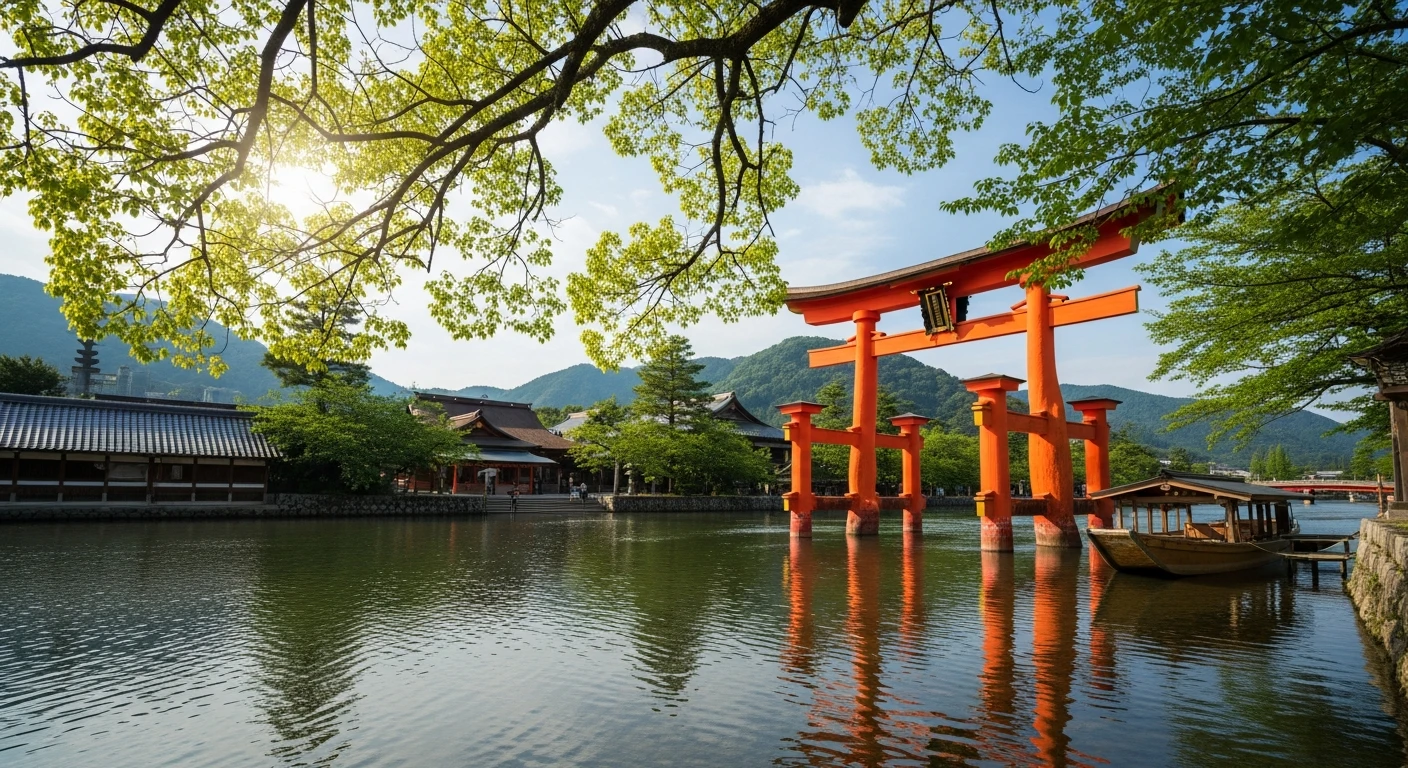
Iwakura Shrine, an ancient Shinto shrine, is dedicated to the deity of agriculture and is surrounded by tranquil gardens. The shrine features stunning architecture and is particularly beautiful during cherry blossom season. Visitors can participate in traditional rituals and enjoy the serene atmosphere.
This historic temple dates back to the Kamakura period and is known for its beautiful Zen gardens. The temple houses numerous statues of Jizo, the protector of travelers and children. The peaceful surroundings make it a perfect spot for meditation and reflection.
The Iwakura City Museum provides insights into the city's history and culture, featuring exhibits on local art, crafts, and historical artifacts. The museum hosts various events and workshops, allowing visitors to engage with Iwakura’s rich heritage.
Just a short distance from Iwakura, the Chita Peninsula offers stunning coastal views, beautiful beaches, and outdoor activities. It’s a popular destination for hiking, cycling, and enjoying water sports. The area is also known for its fresh seafood, making it a must-visit for food lovers.
This annual festival takes place in early April, celebrating the arrival of spring with vibrant cherry blossoms. The festival features food stalls, traditional performances, and plenty of opportunities for hanami (flower viewing). It’s a lively event that showcases the community spirit of Iwakura.
Nearby places worth adding to your itinerary.
Top stays in Iwakura picked for comfort, value, and great guest reviews.