
Destination
Explore stays
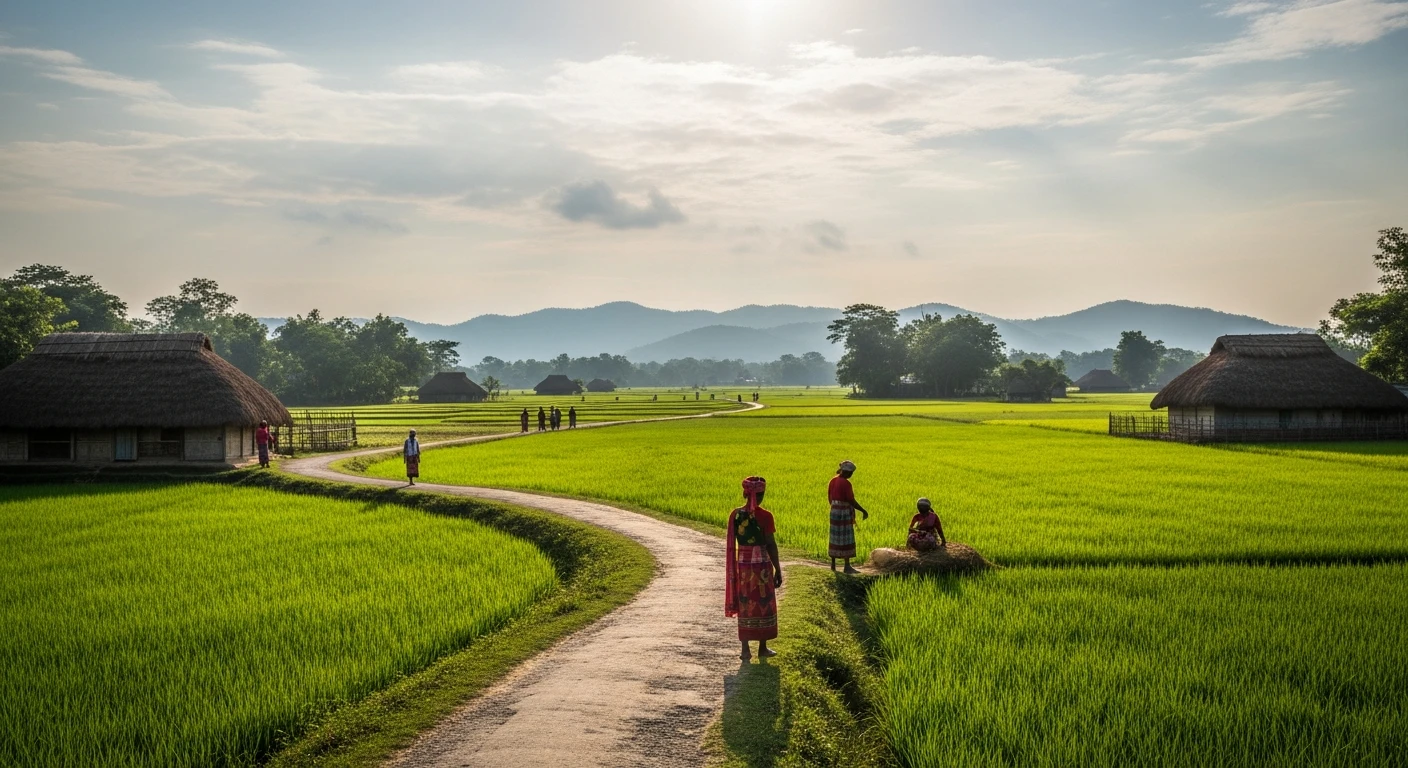
Jaliapara, a quaint neighborhood nestled in the heart of Dhaka, offers an intriguing blend of history and modernity. Its name, derived from the Bengali words 'Jalia' meaning fisherman and 'Para' meaning locality, reflects its origins as a fishing community. Over the years, Jaliapara has evolved, yet it retains a unique charm that reflects the broader tapestry of Dhaka's cultural and historical landscape.
Geographically, Jaliapara is strategically located near the bustling city center, yet it provides a serene escape from the urban chaos. The area is characterized by narrow, winding streets lined with traditional homes and vibrant local markets. This juxtaposition of old and new is what gives Jaliapara its distinctive vibe, making it a microcosm of Dhaka's diverse cultural heritage.
The vibe of Jaliapara is distinctly local, with a strong sense of community and tradition. Visitors often remark on the warm hospitality of its residents, who are eager to share stories of the neighborhood's past. The air is filled with the aromas of street food vendors, and the sounds of daily life create a symphony that is uniquely Dhaka. Whether you're a history buff or a cultural enthusiast, Jaliapara offers a rich tapestry of experiences waiting to be explored.
When it comes to accommodations, Jaliapara offers a range of options to suit every budget. For those seeking luxury, the nearby Gulshan district provides upscale hotels with world-class amenities. These include renowned establishments such as The Westin Dhaka and Pan Pacific Sonargaon Dhaka, offering a luxurious retreat after a day of exploration.
Budget travelers will find Jaliapara's guesthouses and hostels to be both affordable and comfortable. Local favorites include the Jaliapara Inn and Dhaka Backpackers Hostel, which offer a cozy atmosphere and a chance to connect with fellow travelers. Staying in Jaliapara allows visitors to experience the authentic side of Dhaka, with easy access to local attractions and a chance to immerse themselves in the community's daily life.
Navigating Jaliapara and the broader Dhaka area is an adventure in itself. The city's transportation system is a vibrant mix of rickshaws, buses, and ride-sharing services. To truly experience Dhaka like a local, hop on a cycle rickshaw, an iconic mode of transport that offers a leisurely tour of the neighborhood's narrow streets.
Buses are the most economical option for traveling longer distances, with routes connecting Jaliapara to other parts of Dhaka. For a more comfortable ride, consider using ride-sharing apps like Pathao or Uber, which are widely available in the city. Regardless of your choice, navigating Dhaka's bustling streets is sure to be an unforgettable part of your journey.
While Jaliapara itself is a treasure trove of experiences, the surrounding areas offer additional hidden gems worth exploring. Just a short drive away is the historic Lalbagh Fort, a 17th-century Mughal fort that provides a glimpse into Dhaka's rich past. The fort's architecture and lush gardens make it a perfect spot for history enthusiasts and photographers alike.
For nature lovers, the nearby Ahsan Manzil Museum, also known as the Pink Palace, offers stunning views of the Buriganga River and a fascinating look at Dhaka's colonial history. Another must-visit is the Shakhari Bazaar, a vibrant street known for its traditional crafts and bustling atmosphere. These excursions provide a deeper understanding of Dhaka's cultural diversity and historical significance.
The best time to visit Jaliapara and Dhaka is during the cooler months from November to February. During this period, the weather is pleasant, making it ideal for exploring the city's outdoor attractions and vibrant markets.
March and April mark the pre-monsoon season, with temperatures starting to rise. While the heat can be intense, this is also a time when Dhaka's festivals come alive, offering unique cultural experiences. The monsoon season from June to October brings heavy rainfall, but it also transforms the city into a lush, green landscape, providing a different perspective of Dhaka's beauty.
Dhaka experiences a tropical climate, with distinct wet and dry seasons. January is the coolest month, with temperatures averaging around 19°C (66°F), making it a comfortable time for visitors.
As the year progresses, temperatures gradually increase, reaching their peak in April and May, with highs often exceeding 35°C (95°F). The monsoon season, which runs from June to September, brings heavy rainfall, cooling the temperatures slightly but also causing occasional flooding.
October and November see a return to drier conditions, with temperatures becoming more moderate. This transition period is perfect for exploring Jaliapara and the broader Dhaka region, as the weather is generally pleasant and conducive to outdoor activities.
Jaliapara, like the rest of Dhaka, is a melting pot of cultures and traditions. The neighborhood is home to a diverse population, with a rich tapestry of languages, religions, and customs. This cultural diversity is evident in the numerous festivals celebrated throughout the year, each offering a unique glimpse into the local way of life.
One of the most significant festivals is Pohela Boishakh, the Bengali New Year, which is celebrated with vibrant parades, traditional music, and delicious food. Another key event is Durga Puja, a Hindu festival that sees the streets of Jaliapara come alive with colorful decorations and religious fervor.
When visiting Jaliapara, it's important to respect local customs and etiquette. Dress modestly, especially when visiting religious sites, and always greet locals with a friendly 'Assalamu Alaikum'. This respect for local traditions will enhance your experience and help you connect with the people of Dhaka.
A visit to Jaliapara would be incomplete without indulging in the local cuisine. Dhaka is renowned for its culinary delights, and Jaliapara is no exception. The neighborhood's street food scene is a feast for the senses, with must-eat dishes such as 'Fuchka' (crispy shells filled with spicy water) and 'Jhalmuri' (a spicy puffed rice snack).
For a taste of traditional Bengali cuisine, visit one of Jaliapara's local eateries and try 'Bhuna Khichuri', a delicious rice and lentil dish, or 'Chingri Malai Curry', a rich prawn curry cooked in coconut milk. These dishes reflect the rich culinary history of Dhaka and offer a delicious insight into the region's gastronomic heritage.
Jaliapara and its surroundings boast a wealth of attractions that offer a deep dive into Dhaka's cultural and historical landscape. One of the top landmarks is the Star Mosque, an architectural marvel adorned with intricate mosaic patterns that reflect the city's Islamic heritage.
Another must-visit site is the Dhakeshwari Temple, the oldest Hindu temple in Dhaka, which stands as a testament to the city's religious diversity. The temple's serene atmosphere and beautiful architecture make it a popular destination for both devotees and tourists.
For a glimpse into Dhaka's colonial past, head to the Armenian Church, a historic site that offers a peaceful retreat from the city's hustle and bustle. The church's well-preserved architecture and tranquil gardens provide a fascinating insight into the Armenian community's influence in Dhaka.
Finally, no visit to Jaliapara would be complete without exploring the vibrant Sadarghat, one of the largest river ports in the world. Here, you can witness the daily life of Dhaka's residents as they go about their business on the bustling Buriganga River, offering a unique perspective on the city's vibrant culture.
Nearby places worth adding to your itinerary.
Top stays in Jaliapara picked for comfort, value, and great guest reviews.