
Baijnath
Explore stays
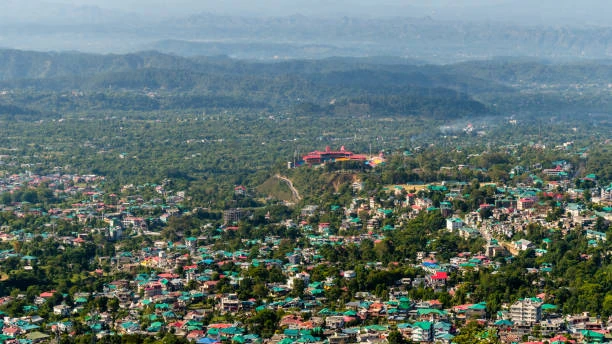
Jawalamukhi, a small yet significant town located in the Kangra district of Himachal Pradesh, India, is renowned for its spiritual heritage and natural beauty. Nestled in the foothills of the majestic Dhauladhar mountain range, it serves as a pivotal pilgrimage site for devotees of Goddess Jwala, a manifestation of the divine feminine energy. The town's history is rich and steeped in legend, with tales that trace back to the Mahabharata, where it is believed that the flames representing the goddess emerged from the earth's core.
Geographically, Jawalamukhi is surrounded by lush greenery and a serene landscape, making it a tranquil escape from the hustle and bustle of urban life. The town is characterized by its vibrant local markets, where artisans display their crafts, and the aroma of traditional cuisine wafts through the air. The vibe here is a harmonious blend of spirituality and local culture, drawing not only pilgrims but also tourists seeking an authentic experience of Himachal Pradesh.
The Jwala Devi Temple, which is the centerpiece of the town, is famed for its eternal flames that burn without a fuel source, symbolizing the goddess's divine presence. The temple's architecture reflects an amalgamation of traditional and contemporary styles, with intricate carvings and vibrant murals that tell stories of devotion. Visitors are often captivated by the serene atmosphere permeating the town, which fosters a sense of peace and reflection.
When it comes to accommodation in Jawalamukhi, visitors can find a range of options that cater to different budgets and preferences.
For those seeking a more upscale experience, resorts such as the Hotel Jwala Residency offer comfortable rooms with modern amenities and stunning views of the surrounding mountains. The hotel provides excellent dining options that serve local and international cuisine, making it a perfect retreat after a long day of exploration.
On the other hand, budget travelers can opt for guesthouses and homestays, such as Shivani Homestay, which offer a cozy environment and a chance to interact with local families. Staying in such places provides a more immersive experience, allowing visitors to understand the local lifestyle and traditions.
Getting around Jawalamukhi is easy and convenient. The town is small enough to explore on foot, allowing visitors to soak in the local culture and scenery. However, for those wishing to visit nearby attractions, local buses and shared taxis are readily available. Auto-rickshaws are also a popular mode of transport, providing a quick and affordable way to reach various destinations within and around the town.
Jawalamukhi serves as an excellent base for exploring several hidden gems in the Kangra region. Just a short drive away, one can find the beautiful Baijnath Temple, which dates back to the 13th century and is dedicated to Lord Shiva. Another notable excursion is to Palampur, famous for its tea gardens and lush landscapes, perfect for a day of relaxation amidst nature.
Additionally, the Bir Billing area, known as a paragliding hub, offers adventure enthusiasts the chance to soar high above the picturesque valleys. Each of these excursions provides a unique insight into the rich cultural tapestry and natural beauty of Kangra.
The best time to visit Jawalamukhi is between March and June, when the weather is pleasant and ideal for outdoor activities. Spring (March to April) sees blooming flowers and mild temperatures, making it perfect for sightseeing. Summer (May to June) can get warmer, but the evenings are still cool.
For those who enjoy the monsoon, visiting during July and August offers a different experience, with lush greenery and rejuvenating landscapes, although heavy rains may limit outdoor activities. The winter months (November to February) can be quite cold, with temperatures occasionally dropping below freezing, but the snow-capped mountains provide a breathtaking backdrop for those willing to brave the chill.
Jawalamukhi experiences diverse weather conditions throughout the year. In January, temperatures can plunge to around 2°C, with occasional snowfall. February remains chilly but starts to warm slightly, with temperatures often reaching 10°C. March marks the onset of spring, bringing mild temperatures between 10°C and 20°C.
April sees a rise in temperatures, ranging from 15°C to 25°C, making it an ideal month for exploration. May can get warm, with averages touching 30°C, while June experiences pre-monsoon heat, often exceeding 30°C. The monsoon season from July to September brings heavy rainfall, with August being the wettest month. October marks the return of pleasant weather, while December brings cold temperatures, often hovering around 5°C.
The culture of Jawalamukhi is deeply intertwined with its religious significance and local traditions. Festivals like Navratri see a surge of visitors as devotees gather to worship the goddess Jwala, participating in vibrant processions and cultural performances. The town's inhabitants are warm and welcoming, reflecting the rich traditions of Himachal Pradesh.
Etiquette is essential in this spiritual town; visitors are encouraged to dress modestly, especially when visiting temples. Local customs, such as removing shoes before entering sacred spaces, should be respected. Engaging with locals and participating in their festivals can provide a deeper understanding of their way of life, making the visit even more enriching.
The culinary scene in Jawalamukhi is a delightful exploration of Himachali flavors. A must-try dish is Dham, a traditional feast served during festivals and special occasions, consisting of rice, lentils, and various vegetables, all cooked in a unique style. Another local favorite is Sidu, a type of bread made from wheat flour, often paired with local chutneys or curries.
The street food here is also worth indulging in, with options like Chole Bhature and Aloo Tikki being popular among locals and tourists alike. The culinary history of Jawalamukhi reflects a blend of flavors influenced by its geographical location and the diverse communities that inhabit the region.
Jawalamukhi is home to several notable landmarks that encapsulate its spiritual and cultural essence. The Jwala Devi Temple is undoubtedly the crown jewel, attracting thousands of pilgrims and tourists. The temple’s eternal flames, believed to be manifestations of the goddess, create an aura of devotion and reverence, making it a must-visit for anyone in the region.
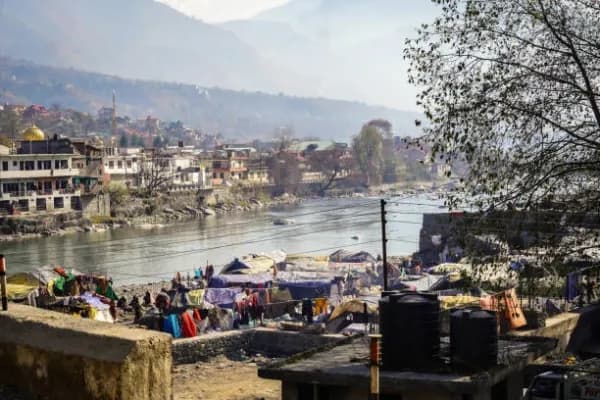
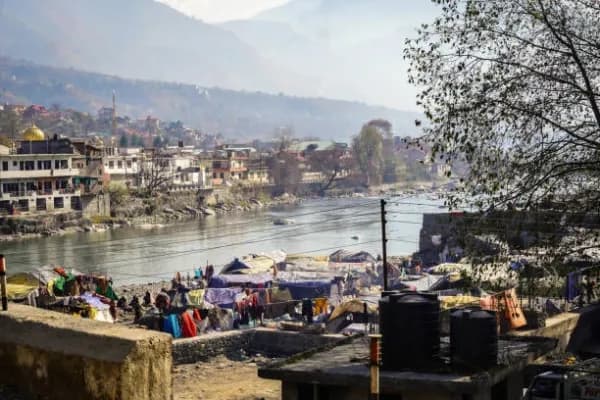
Another significant site is the Baijnath Temple, a stunning example of ancient architecture dedicated to Lord Shiva, set amidst the breathtaking backdrop of the Dhauladhar range. Visitors are often awed by the intricate stone carvings and the serene atmosphere that envelops the temple.
The Gurudwara Jawal Sahib is a revered site for Sikhs, known for its spiritual significance and community kitchen serving free meals to all visitors, regardless of their background. The Kangra Fort, a short drive from Jawalamukhi, offers panoramic views of the valley and is steeped in history, having witnessed numerous battles and conquests over centuries.
Lastly, the nearby Masroor Rock Cut Temples, a group of ancient temples carved out of rock, provide a glimpse into the architectural prowess of the past and are a peaceful retreat for those interested in history and culture. Each of these attractions contributes to the rich tapestry of experiences that Jawalamukhi and the greater Kangra region have to offer.
Nearby places worth adding to your itinerary.
Top stays in Jawalamukhi picked for comfort, value, and great guest reviews.