Chilanga
Explore stays
Nestled just south of Lusaka, Kafue is a charming town that offers a unique blend of history, culture, and natural beauty. The town is named after the Kafue River, which is one of the major tributaries of the Zambezi River and a lifeline for the region's diverse ecosystems. Historically, Kafue has been a vital trade and transport hub due to its strategic location along the river and proximity to Lusaka, the bustling capital of Zambia.
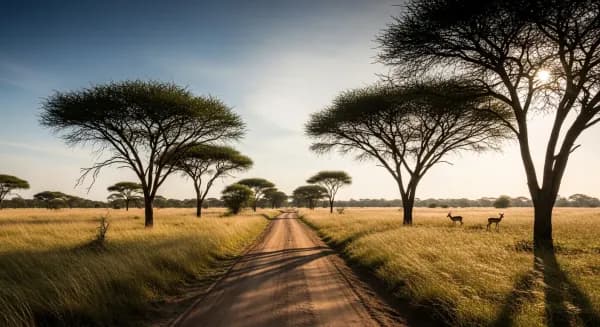
Geographically, Kafue is characterized by its lush landscapes, with the Kafue River providing a serene backdrop to the town's vibrant life. The area is a gateway to the Kafue National Park, one of Africa's largest and most diverse wildlife sanctuaries. The vibe in Kafue is a harmonious blend of rural tranquility and urban energy, offering visitors a unique opportunity to experience both the quiet charm of Zambian countryside and the dynamic pulse of Lusaka.
The local community is known for its warmth and hospitality, with a deep-rooted cultural heritage that is reflected in their daily lives. As you explore Kafue, you'll find a tapestry of traditions, from local music and dance to the vibrant markets that bring the town to life. Whether you're a history buff, nature lover, or cultural enthusiast, Kafue offers a rich and rewarding experience.
When it comes to accommodation, Kafue offers a variety of options that cater to different preferences and budgets. For those seeking a luxurious stay, there are upscale lodges and resorts located along the Kafue River, offering stunning views and top-notch amenities. These establishments often provide guided tours and safaris, making them an excellent choice for travelers looking to explore the natural beauty of the area.
For budget-conscious travelers, Kafue has several guesthouses and lodges that offer comfortable and affordable accommodations. These budget options are often family-run, providing a more intimate and personalized experience. Staying in these places also allows visitors to immerse themselves in the local culture and enjoy the hospitality of the residents.
Whether you choose luxury or budget, staying in Kafue gives you easy access to both the natural wonders of the region and the vibrant city life of Lusaka, ensuring a well-rounded travel experience.
Navigating Kafue and its surroundings is relatively straightforward, with several transportation options available. The most common mode of transport is the minibus, which operates frequently between Kafue and Lusaka. These minibuses are an affordable way to travel and offer a glimpse into the daily life of locals. However, they can be crowded, so it's advisable to travel during off-peak hours if possible.
Taxis are another convenient option for getting around Kafue. They are readily available and can be hired for short trips within the town or for longer journeys to nearby attractions. For those who prefer more flexibility, car rentals are available in Lusaka, allowing you to explore Kafue and the surrounding areas at your own pace.
For a truly local experience, consider hiring a bicycle to explore the town. This eco-friendly option allows you to take in the sights and sounds of Kafue at a leisurely pace while interacting with the friendly locals.
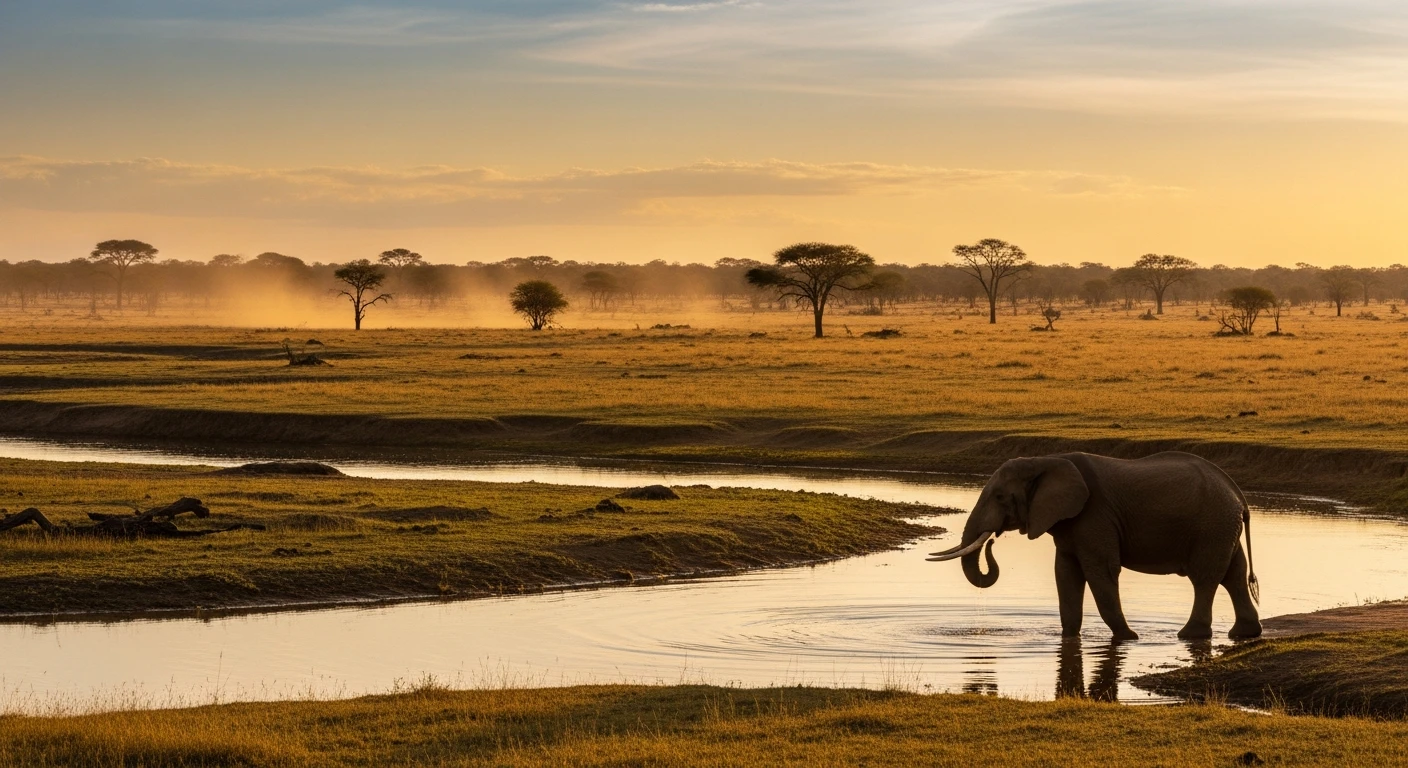
Kafue is a gateway to numerous hidden gems that offer unforgettable excursions. One of the most popular is a visit to the Kafue National Park, located a few hours' drive from the town. This vast park is home to a wide array of wildlife, including elephants, lions, and a variety of bird species, making it a paradise for nature enthusiasts and photographers.
Another must-see is the Kafue River itself, where visitors can enjoy activities such as fishing, boating, and bird watching. The river's banks are lined with lush vegetation, providing a peaceful setting for a day of relaxation and exploration.
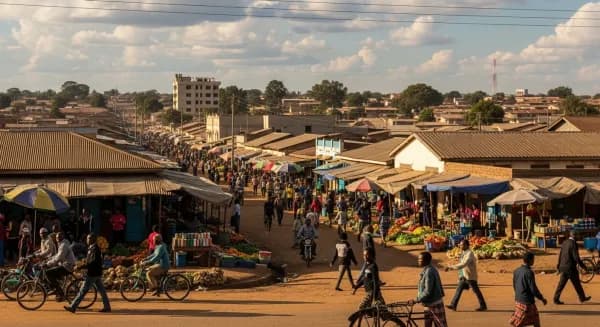
For a cultural experience, consider visiting the local markets in Kafue, where you can find handmade crafts, traditional foods, and a vibrant atmosphere. These markets offer a glimpse into the daily life of the local community and are a great place to pick up unique souvenirs.
The best time to visit Kafue largely depends on what you wish to experience. The dry season, from May to October, is ideal for wildlife viewing as animals gather around water sources, making them easier to spot. During this time, the weather is cooler and more comfortable for outdoor activities.
The wet season, from November to April, transforms the landscape into a lush, green paradise. While some roads may become challenging to navigate, this period is perfect for birdwatching as migratory species arrive. The rains also bring a sense of renewal and vibrancy to the region, offering a different perspective of Kafue's natural beauty.
Kafue experiences a tropical savanna climate, with distinct wet and dry seasons. January is the wettest month, with heavy rainfall and high humidity. February and March continue to see significant rainfall, although it begins to taper off by April.
May marks the start of the dry season, with cooler temperatures and clear skies. June and July are the coolest months, with temperatures dropping in the evenings. August and September see a gradual increase in temperature, leading to the hot and dry conditions of October.
November brings the onset of the rainy season, with temperatures remaining high but with increased humidity. December continues this trend, with frequent rain showers and lush landscapes.
The culture of Kafue is a vibrant tapestry of traditional and modern influences. The local people, primarily from the Tonga and Ila ethnic groups, are known for their rich cultural heritage, which is celebrated through music, dance, and festivals. One of the most significant cultural events is the Lwiindi Gonde ceremony, a traditional harvest festival that attracts visitors from all over Zambia and beyond.
In addition to traditional customs, Kafue is influenced by the cosmopolitan culture of Lusaka. This fusion is evident in the town's culinary offerings, fashion, and arts scene. Visitors will find a welcoming atmosphere, with locals eager to share their customs and traditions.
Etiquette is important in Kafue, and visitors are encouraged to greet locals with a friendly 'Muli bwanji' (How are you?) and show respect for elders. Dress modestly, especially when visiting rural areas or attending cultural events, to show respect for local customs.
Kafue's culinary scene is a delightful exploration of traditional Zambian flavors. A must-try dish is nshima, a staple made from maize flour, often served with a variety of relishes such as grilled meats, vegetables, and beans. This dish is a cornerstone of Zambian cuisine and reflects the simplicity and heartiness of local meals.
Kapenta, small dried fish, is another local delicacy that is often enjoyed with nshima. It is typically fried and served as a crunchy accompaniment. For those with a sweet tooth, try chikanda, often referred to as 'African polony', which is a unique cake made from wild orchid tubers, peanuts, and chili.
While in Kafue, be sure to sample local beverages such as Munkoyo, a traditional drink made from fermented maize and roots, offering a refreshing taste of Zambian culinary heritage.
Kafue boasts several attractions that are sure to captivate visitors. The Kafue National Park is undoubtedly the crown jewel, offering expansive landscapes and diverse wildlife. It's a must-visit for any nature lover, providing opportunities for game drives and walking safaris.
The Kafue River is another highlight, with its serene waters offering a picturesque setting for a variety of activities. Whether you're interested in fishing, boating, or simply enjoying a riverside picnic, the river is a central part of Kafue's natural allure.
For a historical perspective, visit the Kafue Railway Bridge, a marvel of engineering that dates back to the early 20th century. This iconic structure is a testament to the region's historical significance as a transport hub.
The local markets, such as the Kafue Market, are vibrant centers of activity where visitors can experience the daily life of the town. Here, you'll find a colorful array of goods, from fresh produce to handcrafted items, all reflecting the rich cultural tapestry of Kafue.
Finally, the Lusaka National Museum, though located in Lusaka, is easily accessible from Kafue and offers a deeper understanding of Zambia's cultural and historical heritage. A visit here provides valuable context for the experiences you'll have in and around Kafue.
Nearby places worth adding to your itinerary.
Top stays in Kafue picked for comfort, value, and great guest reviews.