Central Province
Explore stays
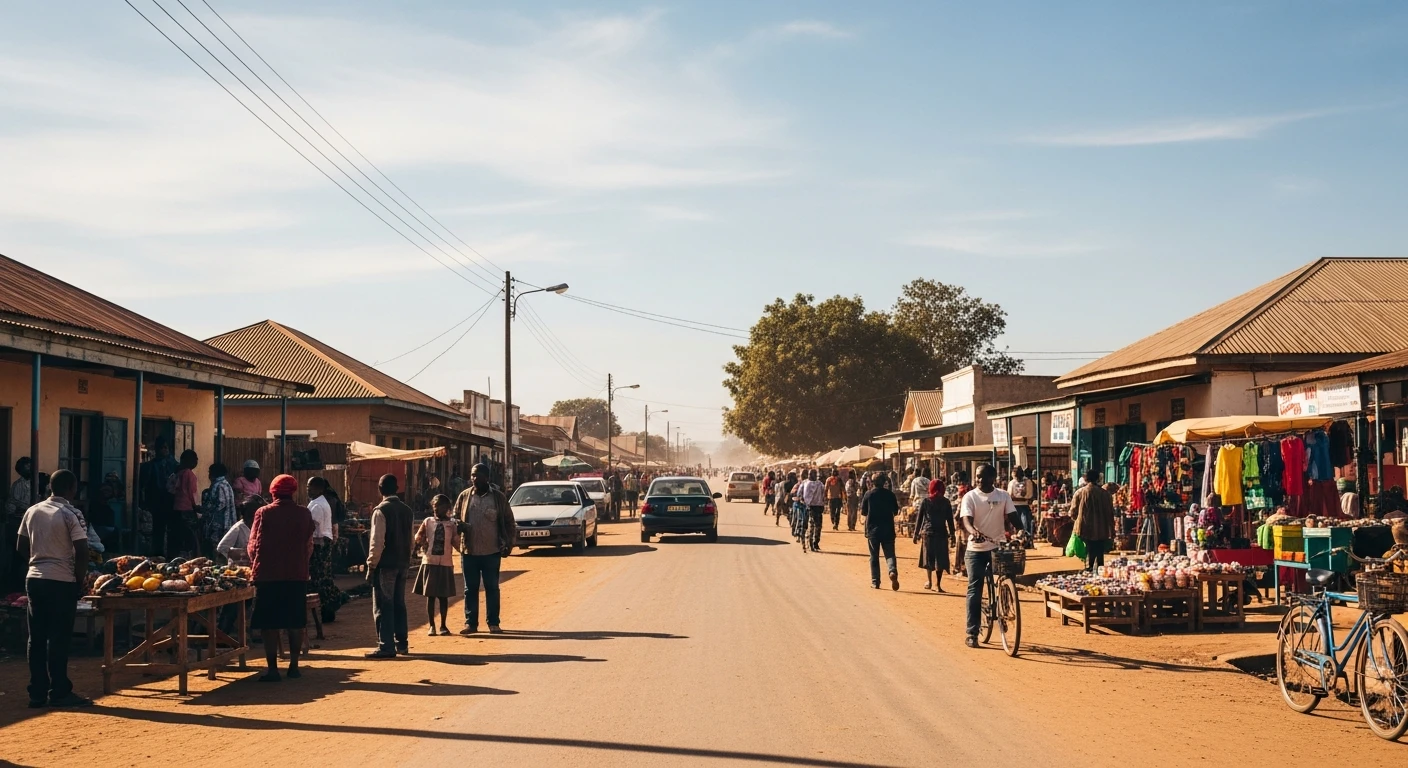
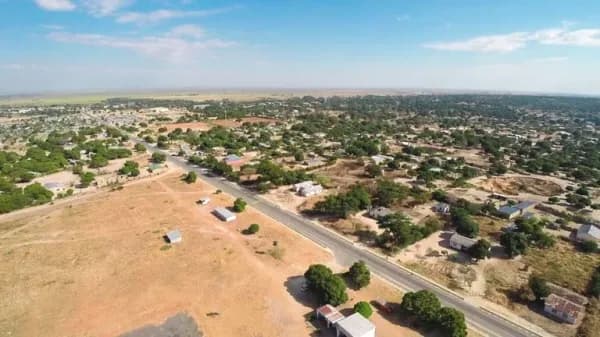
Kalomo, a quaint town nestled in the Southern Province of Zambia, is a destination that offers a unique blend of historical significance and natural beauty. Known as the first administrative capital of Northern Rhodesia, which is today's Zambia, Kalomo's history is deeply intertwined with the colonial past of the nation. The remnants of this era can still be seen in the old colonial buildings that dot the town, whispering tales of a bygone time.
Geographically, Kalomo is positioned strategically along the Great North Road, making it an accessible stop for travelers exploring the southern regions of Zambia. The town is surrounded by lush landscapes and is a gateway to the nearby Kafue National Park, one of the largest national parks in Africa. The vibe in Kalomo is laid-back, with a strong sense of community and tradition. Locals are known for their warm hospitality and are often eager to share stories about their rich cultural heritage.
The town's economy is primarily based on agriculture, with vast fields of maize and tobacco stretching out towards the horizon. This agricultural backdrop provides a serene and picturesque setting for visitors. Kalomo is not just a place to pass through; it's a destination that invites you to slow down and immerse yourself in the rhythm of rural Zambian life.
When it comes to accommodation, Kalomo offers a range of options that cater to different preferences and budgets. For those seeking a luxurious stay, the Kalomo Lodge provides an upscale experience with modern amenities, beautifully landscaped gardens, and a restaurant serving local and international cuisine. The lodge's proximity to the town center makes it a convenient choice for travelers.
For budget-conscious travelers, there are several guesthouses and inns scattered throughout the town. These establishments, such as the Green Tree Guesthouse, offer comfortable and affordable lodging. Staying in these places gives visitors a chance to interact more closely with locals and experience the genuine warmth of Zambian hospitality.
Whether you choose a luxury lodge or a budget guesthouse, the key is to book in advance, especially during peak tourist seasons, to ensure availability and secure the best rates.
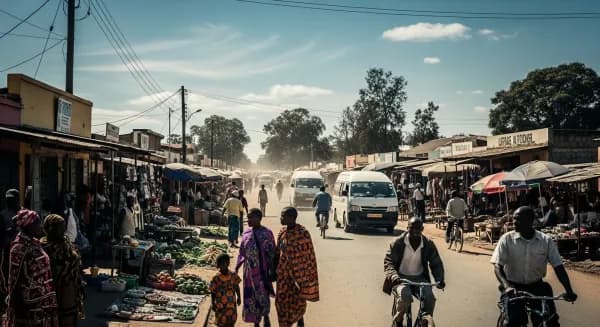
Navigating Kalomo like a local is an adventure in itself. The town's compact size means that many attractions are within walking distance. However, for those looking to explore further afield, several options are available. The most common mode of transportation is the minibus, which is both affordable and an excellent way to experience local life.
For more personalized travel, taxis are readily available. It's advisable to agree on a fare before starting your journey to avoid any misunderstandings. For the more adventurous, renting a bicycle is a fantastic way to explore the town and its surroundings at your own pace, allowing you to soak in the scenery and stop off at points of interest.
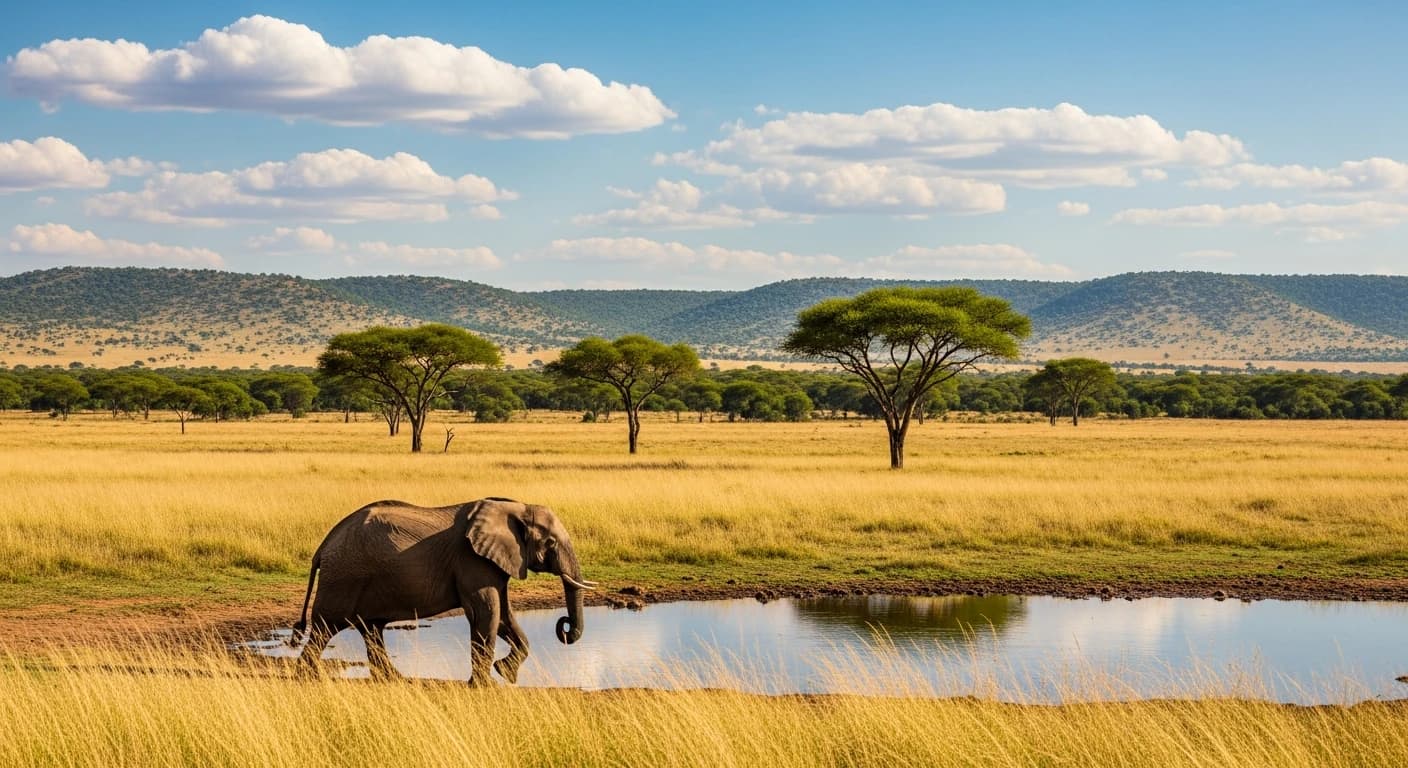
Kalomo serves as a perfect base for excursions to some of Zambia's hidden gems. A short drive will take you to the Kafue National Park, a haven for wildlife enthusiasts. Here, you can embark on a safari to witness the majestic African wildlife, including elephants, lions, and a plethora of bird species.
Another nearby attraction is the Kalundu Mound, an archaeological site that offers a glimpse into Zambia's ancient past. Excavations have revealed artifacts dating back to the Iron Age, providing invaluable insights into early Zambian civilizations.
For those interested in cultural experiences, visiting the local villages offers an opportunity to engage with the Tonga people, one of Zambia's indigenous tribes. You can learn about their traditional crafts, music, and dance, making for a truly enriching experience.
The best time to visit Kalomo, Zambia, largely depends on the type of experience you're seeking. The dry season, from May to October, is ideal for wildlife viewing as animals congregate around water sources, making them easier to spot. This period also boasts pleasant weather, with sunny days and cooler nights.
The wet season, from November to April, transforms the landscape into a lush, green paradise. While it might be less ideal for safaris due to the dense vegetation, this time offers a unique perspective on Zambia's natural beauty. Birdwatchers will be particularly pleased as migratory birds flock to the region.
The weather in Kalomo, Zambia, varies significantly throughout the year. January and February are the wettest months, with heavy rainfall and high humidity. March marks the transition to the dry season, with rains becoming less frequent.
April to August is characterized by cooler temperatures, especially in the evenings, making it a comfortable time for outdoor activities. September and October are the hottest months, with temperatures often soaring, but this is also the best time for game viewing.
November brings the onset of the rainy season, with showers becoming more frequent, setting the stage for the vibrant greenery that follows.
Kalomo is a melting pot of cultures, predominantly influenced by the Tonga people, one of Zambia's largest ethnic groups. The Tonga are known for their rich traditions, which are celebrated through various festivals and ceremonies.
One of the most notable events is the Lwiindi Gonde Ceremony, a thanksgiving festival held in honor of the rain gods. This vibrant celebration features traditional music, dance, and rituals, offering visitors a deep dive into the cultural fabric of the region.
Etiquette in Kalomo, as in much of Zambia, emphasizes respect and politeness. Greetings are an important part of social interaction, and it's customary to shake hands and inquire about each other's well-being. Visitors are encouraged to embrace these customs to enhance their cultural experience.
The culinary scene in Kalomo, Zambia, is a delightful exploration of traditional flavors. A must-try dish is nshima, a staple made from maize flour, often served with various relishes such as vegetables, meat, or fish. This dish is not just a meal but a cultural experience, often enjoyed communally.
Another local favorite is kapenta, small dried fish served fried or in a tomato-based stew. For those with a sweet tooth, try chikanda, often referred to as African polony, a savory cake made from wild orchids, groundnuts, and spices.
The culinary history of Zambia is deeply rooted in its agricultural practices, with dishes reflecting the bounty of the land and the creativity of its people.
Kalomo, while off the beaten path, offers several attractions that provide insight into Zambia's rich history and natural beauty. A visit to the Kalomo Railway Station, one of the oldest in Zambia, is a journey back in time. The station played a crucial role in the colonial era, facilitating the movement of goods and people across the region.
The Kalomo District Museum is another must-visit, housing artifacts and exhibits that chronicle the area's history from pre-colonial times to the present. It's an excellent resource for understanding the cultural evolution of the region.
A trip to the Kalomo Hill offers panoramic views of the surrounding countryside. The hill is not only a natural landmark but also holds spiritual significance for the local people.
For nature lovers, the Choma-Kalomo Road offers a scenic drive through the heart of Zambia's agricultural landscape, with numerous opportunities to stop and explore the local flora and fauna.
Lastly, the nearby Victoria Falls, although not in Kalomo itself, is easily accessible and a must-see for anyone traveling to this part of Zambia. The falls are one of the Seven Natural Wonders of the World and provide a breathtaking spectacle of nature's power and beauty.
Nearby places worth adding to your itinerary.
Top stays in Kalomo picked for comfort, value, and great guest reviews.