Abadan
Explore stays
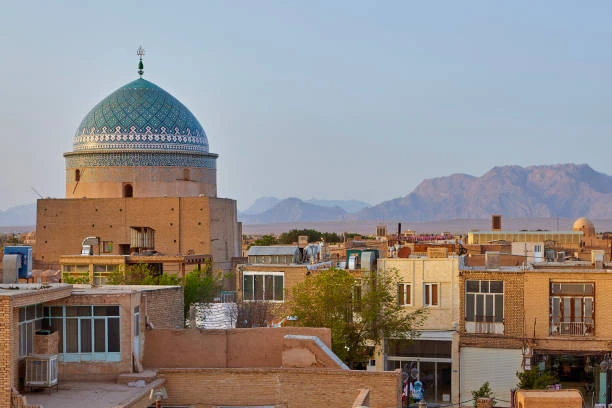
Kermān is one of the most fascinating cities in Iran. Located in the southeastern part of the country, it is a place that boasts rich history, stunning architecture, and a deep cultural heritage. Kermān is often overlooked by mainstream tourists, making it a hidden gem for those seeking an authentic Iranian experience. From ancient sites to beautiful landscapes, Kermān has much to offer. Whether you're a history buff, nature lover, or someone looking for a peaceful getaway, Kermān is a city that won't disappoint.
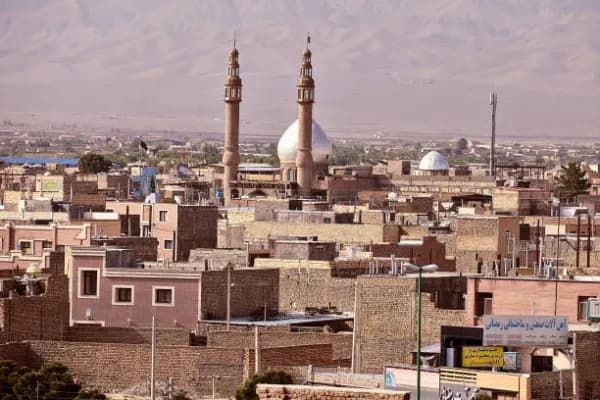
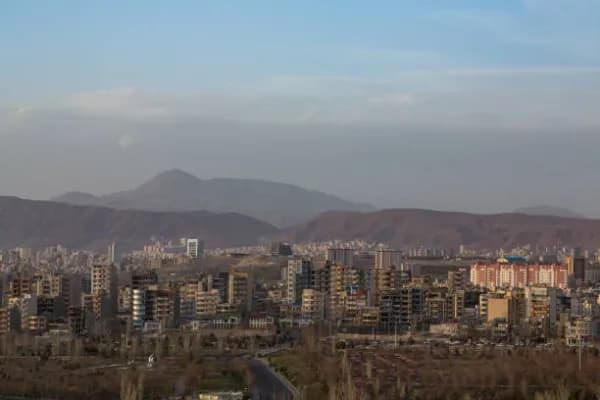
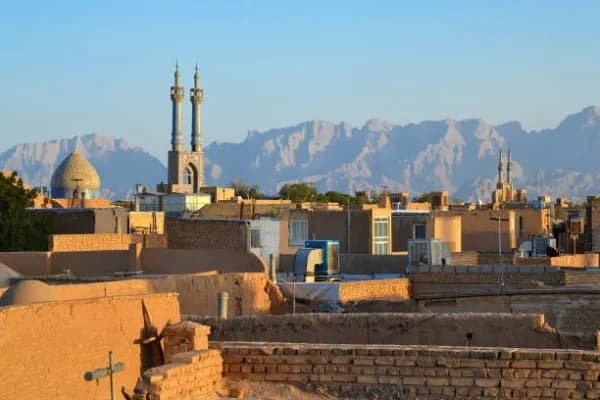
Kermān is the capital of Kermān Province, located in the southeastern part of Iran. The city lies in a semi-desert area, surrounded by mountains, which creates a unique blend of landscapes. Kermān is one of the oldest cities in Iran, with a history that dates back to ancient times. It has been an important center of trade and culture, especially during the Safavid and Qajar eras.
The city is situated at the crossroads of major trade routes, making it an ideal stop for travelers exploring Iran. Kermān is about 1,000 kilometers southeast of Tehran, the capital of Iran, and around 700 kilometers north of the Persian Gulf, offering travelers the opportunity to experience both desert and coastal landscapes.
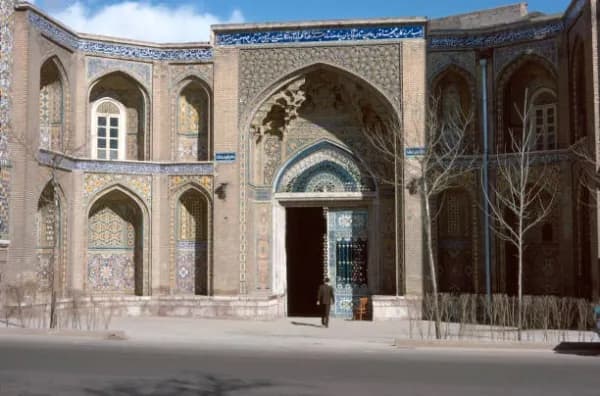
The Ganjali Khan Complex is one of the most iconic historical landmarks in Kermān. Built during the Safavid dynasty, the complex includes a mosque, a caravanserai, a bathhouse, a bazaar, and a historical square. The Ganjali Khan Bazaar is famous for its beautiful architecture, with vaulted ceilings, intricate tilework, and bustling shops selling local goods. The adjacent Ganjali Khan Bathhouse has been beautifully restored, offering visitors a glimpse into traditional Persian bath culture.
Just outside Kermān lies the Shahdad Desert, a mesmerizing natural wonder. The desert is known for its vast sand dunes and unique geological formations, including the Kaluts, which are towering sand structures created by wind erosion. Visitors can take a camel ride through the desert or go on a 4x4 excursion to explore this breathtaking landscape. The Shahdad Desert is an ideal destination for nature lovers and adventure seekers, offering stunning views and unforgettable experiences.
The Jabalieh Dome, also known as the Kermān Dome, is an ancient structure believed to date back to the early centuries of Islam. It is a large, circular building made of mudbrick, with a distinctive dome. The exact purpose of the structure is still unknown, but it is thought to have been either a religious center or a tomb. The Jabalieh Dome is located on the outskirts of Kermān, offering a peaceful and historic spot for exploration.
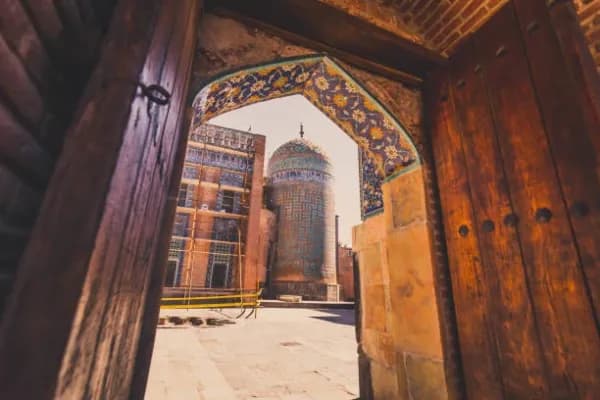
The Kerman Grand Mosque is a beautiful example of Islamic architecture in the city. The mosque, dating back to the 14th century, features intricate tilework, tall columns, and expansive courtyards. The mosque is a central part of the city’s spiritual life and is open to visitors looking to experience Kermān’s architectural wonders. The mosque is located in the heart of the city, making it easily accessible for tourists.
Kermān’s bazaars are a great place to experience the city’s vibrant culture. The local markets are full of traditional goods such as spices, carpets, textiles, and local handicrafts. You can also find delicious local food, such as kebabs, stews, and sweets. The bazaars are a fantastic place to shop for souvenirs, interact with locals, and soak in the atmosphere of this ancient city.
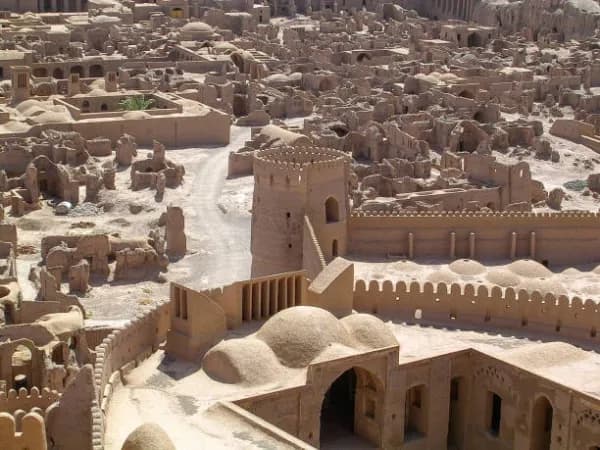
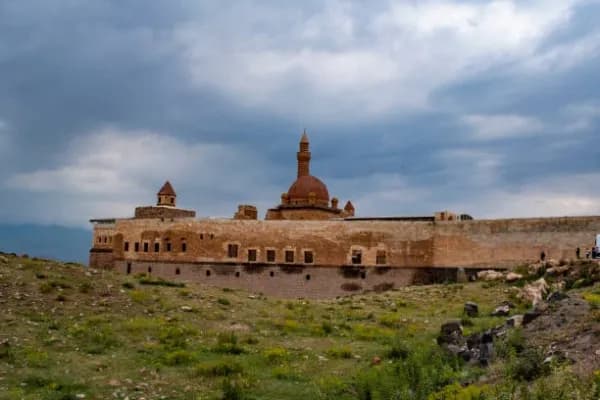
Rayen Citadel, located about 100 kilometers southeast of Kermān, is an ancient mudbrick fortress that dates back to the Sassanid period. The citadel is one of the best-preserved structures of its kind in Iran, offering a glimpse into the country’s history. The fort is a maze of rooms, walls, and narrow corridors, which once served as a military and administrative center. Rayen Citadel is a UNESCO-listed site and a must-see for visitors to Kermān.
The best time to visit Kermān is during the spring (March to May) and autumn (September to November). During these months, the weather is mild, with pleasant temperatures that are perfect for sightseeing and outdoor activities. Summer in Kermān can be extremely hot, with temperatures often exceeding 40°C (104°F), making spring and autumn the most comfortable times to visit.
Winter (December to February) is cooler, but it can still be an enjoyable time to explore the city, especially for those who prefer fewer tourists. If you enjoy mild weather and want to experience the city without the heat, the spring and autumn months are ideal.
A typical visit to Kermān lasts about 2 to 3 days, depending on your interests and the number of attractions you want to explore. During this time, you can visit the main historical sites, including the Ganjali Khan Complex, the Kermān Grand Mosque, and the Jabalieh Dome. You can also take a day trip to the nearby Shahdad Desert or Rayen Citadel.
For travelers who wish to explore the surrounding areas or spend more time in nature, a longer stay of 4 to 5 days would allow you to enjoy a more relaxed pace. Most tourists, however, can explore the main attractions of Kermān within a 2-3 day timeframe.
Kermān has its own international airport, Kermān Airport (KER), which is about 6 kilometers from the city center. The airport is well-connected to major cities in Iran, including Tehran and Shiraz. From the airport, visitors can take a taxi or shuttle to the city center. Flights to Kermān are available from Tehran, making it easy for international travelers to reach the city.
Kermān is well-connected to other cities in Iran by train and bus. The city has a train station with connections to Tehran, Yazd, and other major cities in Iran. Traveling by train offers a scenic journey through Iran’s countryside. Buses are also readily available from other parts of the country and provide a budget-friendly option for travelers.
Driving to Kermān is another popular option for visitors. The city is well-connected to major highways and can be reached by car from other cities such as Tehran (1,000 kilometers), Yazd (300 kilometers), and Shiraz (600 kilometers). The drive offers beautiful views of Iran’s varied landscapes, from mountains to desert. Renting a car in Kermān is also an option if you wish to explore the city at your own pace.
Kermān offers a wide variety of traditional Persian cuisine. The city is known for its delicious stews, kebabs, and fresh local produce. Some of the must-try dishes in Kermān include:
There are many local restaurants and food stalls in Kermān where you can enjoy traditional dishes. The bazaars also have food stalls that offer fresh snacks and desserts. Whether you prefer a casual street food experience or a more formal dining setting, Kermān has plenty of options to suit your taste.
Public transport in Kermān is convenient and affordable. The city has a bus network that covers most of the major attractions, including the Ganjali Khan Complex and the Kermān Grand Mosque. Taxis are also available and offer a more comfortable way to travel around the city. For visitors looking to explore the surrounding areas, such as the Shahdad Desert or Rayen Citadel, car rentals and guided tours are available.
Kermān is unique in its combination of history, culture, and natural beauty. The city offers a chance to explore ancient sites, such as the Ganjali Khan Complex and Rayen Citadel, while also experiencing the peaceful beauty of the Shahdad Desert and the surrounding mountains. Kermān’s rich architectural heritage, coupled with its warm hospitality, makes it a must-visit destination for those seeking an authentic Iranian experience.
Nearby places worth adding to your itinerary.
Local guide picks to help you explore Kerman better.