
Arzamas
Explore stays
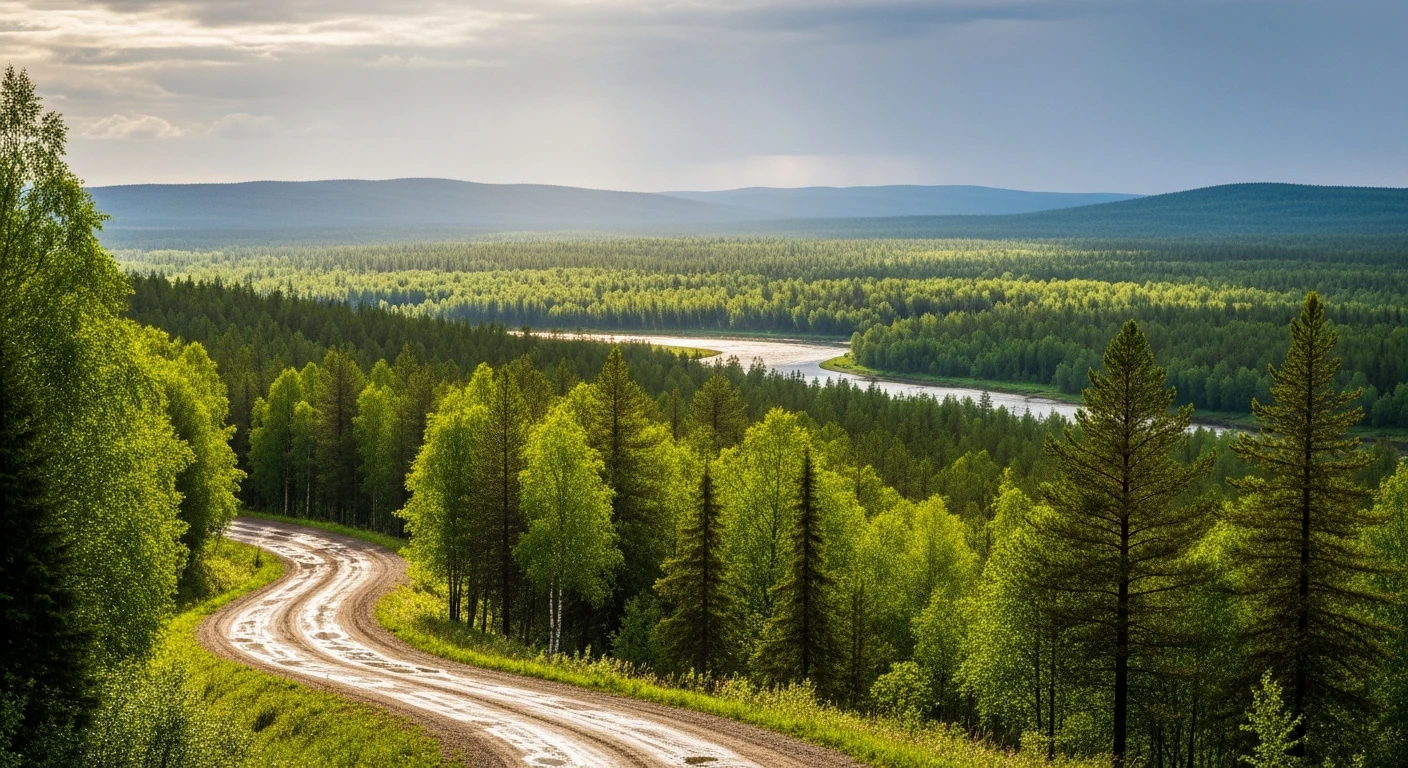
The Komi Republic, nestled in the northwestern part of the Russian Federation, is a land of stark contrasts and natural beauty. This vast region, covering over 416,000 square kilometers, is characterized by its dense forests, expansive tundra, and the majestic Ural Mountains. The Komi Republic is not only a geographical marvel but also a region rich in history and cultural significance. Its origins date back to ancient times when the indigenous Komi people settled in the area, living off the land and developing a unique culture that remains vibrant today.
During the Soviet era, the Komi Republic became an important industrial hub, with its wealth of natural resources such as timber, coal, and oil. This industrial boom brought a diverse mix of people from across the Russian Federation, creating a melting pot of cultures and traditions. Despite the industrialization, much of Komi's natural beauty has been preserved, offering visitors a glimpse into the pristine wilderness that defines this remote part of the Russian Federation.
The vibe of the Komi Republic is a blend of tranquility and adventure. The region's vast landscapes provide endless opportunities for outdoor enthusiasts, while its towns and cities offer a glimpse into the rich cultural tapestry of the Russian Federation. Whether you're exploring the ancient forests, hiking the Ural Mountains, or immersing yourself in the local culture, the Komi Republic promises a unique and unforgettable experience.
Accommodation in the Komi Republic caters to a range of preferences and budgets. In the capital city of Syktyvkar, you'll find a selection of hotels ranging from luxurious to budget-friendly. For those seeking a touch of opulence, the Avalon Hotel offers a blend of modern amenities and traditional Russian hospitality. Its central location makes it an ideal base for exploring the city.
For travelers on a budget, the Syktyvkar Hostel provides a comfortable and affordable option. With its cozy atmosphere and friendly staff, it's a great place to meet fellow travelers and share experiences. Outside the city, numerous guesthouses and lodges offer a more rustic experience, allowing visitors to immerse themselves in the natural beauty of the Russian Federation's Komi Republic.
Navigating the Komi Republic like a local involves understanding its transportation network. Syktyvkar, the capital, serves as the main hub with a well-connected public transport system. Buses and trams are the primary modes of transport within the city, providing a reliable and cost-effective way to explore.
For those venturing into the more remote areas of the Komi Republic, renting a car is advisable. This allows for greater flexibility and the chance to explore the hidden gems of the region at your own pace. Additionally, the Russian Federation's extensive railway network connects Syktyvkar to other major cities, offering a scenic and comfortable travel option.
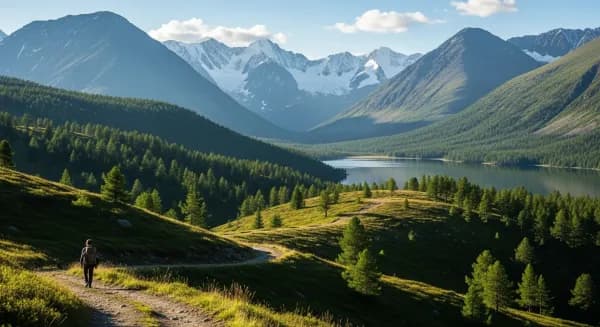
Beyond the urban centers, the Komi Republic offers a wealth of excursions that showcase the natural beauty and cultural heritage of the Russian Federation. One of the must-visit sites is the Yugyd Va National Park, a UNESCO World Heritage site known for its untouched wilderness and diverse wildlife. Hiking through its lush forests and along crystal-clear rivers is an experience like no other.
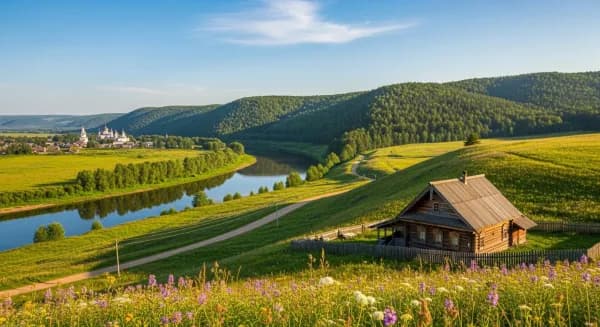
For a glimpse into the region's history, a visit to the ancient village of Ust-Tsilma is a must. This remote settlement, accessible by boat along the Pechora River, is renowned for its traditional wooden architecture and vibrant cultural festivals. The annual Ust-Tsilma Festival is a highlight, celebrating the rich traditions of the Komi people with music, dance, and colorful costumes.
The best time to visit the Komi Republic depends on the type of experience you're seeking. For those who enjoy winter sports and the magical beauty of snow-covered landscapes, the winter months from December to February are ideal. The region transforms into a winter wonderland, offering opportunities for skiing, snowboarding, and snowshoeing.
Spring and summer, from May to August, bring milder temperatures and longer days, making it an excellent time for hiking and exploring the natural beauty of the Russian Federation. The vibrant colors of autumn, from September to October, offer a picturesque backdrop for photographers and nature lovers alike.
The weather in the Komi Republic varies significantly throughout the year. January is the coldest month, with temperatures often dropping below -20°C, while July is the warmest, with averages around 18°C. The region experiences long, harsh winters, typical of the northern Russian Federation, with heavy snowfall and icy conditions.
Spring sees a gradual thaw, with temperatures rising and nature coming back to life. Summer is relatively short but pleasant, with extended daylight hours and occasional rain showers. Autumn is marked by a dramatic change in foliage, creating a stunning tapestry of reds, oranges, and yellows.
The cultural landscape of the Komi Republic is a rich tapestry woven from the traditions of its indigenous Komi people and the diverse influences of the Russian Federation. Festivals play a significant role in the cultural life of the region, with events such as the Komi National Festival celebrating the unique heritage of the Komi people through music, dance, and traditional crafts.
The people of the Komi Republic are known for their warmth and hospitality. Visitors are often welcomed with open arms and invited to partake in local customs and traditions. Understanding local etiquette, such as removing shoes before entering a home and offering a small gift when visiting, is appreciated and fosters a deeper connection with the community.
The culinary scene in the Komi Republic is a reflection of its diverse cultural influences and abundant natural resources. Traditional Komi dishes often feature ingredients such as fish, game, and berries, which are plentiful in the region. A must-try dish is "shangi," a type of pastry filled with potatoes or cottage cheese, offering a taste of traditional Komi flavors.
Another local delicacy is "stroganina," a dish of thinly sliced frozen fish or meat, typically served with a side of mustard or horseradish. This dish is a testament to the resourcefulness of the Komi people, utilizing the natural environment to create unique culinary experiences that are a true reflection of the Russian Federation's northern regions.
The Komi Republic boasts a wealth of attractions that showcase its natural beauty and cultural heritage. A visit to the capital city of Syktyvkar is a must, where you can explore the National Museum of the Komi Republic. This museum offers insights into the history and culture of the region, with exhibits ranging from ancient artifacts to contemporary art.
The Manpupuner Rock Formations, also known as the Seven Strong Men, are one of the most iconic natural landmarks in the Russian Federation. These towering stone pillars, located in the Ural Mountains, are steeped in local legend and offer breathtaking views of the surrounding wilderness.
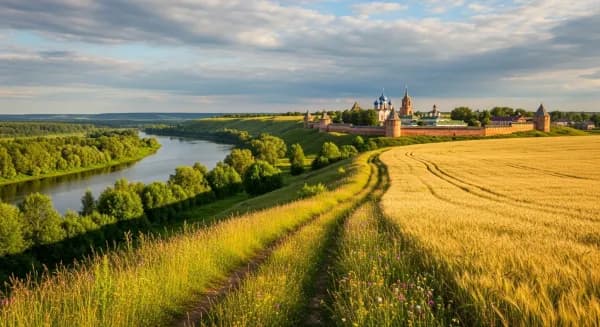
For those interested in religious architecture, the St. Stephen's Cathedral in Syktyvkar is a stunning example of Russian Orthodox design. Its intricate frescoes and ornate iconostasis provide a glimpse into the spiritual life of the region.
Another notable site is the Pechora-Ilych Nature Reserve, a haven for wildlife enthusiasts and bird watchers. This reserve is home to a diverse array of flora and fauna, including rare and endangered species, making it a vital part of the Russian Federation's conservation efforts.
Finally, the village of Izhma offers a unique opportunity to experience traditional Komi life. Known for its well-preserved wooden architecture and vibrant cultural scene, Izhma is a testament to the enduring spirit of the Komi people and their contributions to the cultural mosaic of the Russian Federation.
Nearby places worth adding to your itinerary.
Top stays in Komi Republic picked for comfort, value, and great guest reviews.