Abhaipur
Explore stays
Nestled in the heart of Bihar, Laheria Sarai is a town that resonates with the rich cultural tapestry and historical depth characteristic of the region. It serves as the administrative headquarters of the Darbhanga district and is a pivotal hub in the Mithila region. The town's name is derived from the laheria or 'wave-like' patterns, indicative of the cultural and artistic flair that the area is known for.
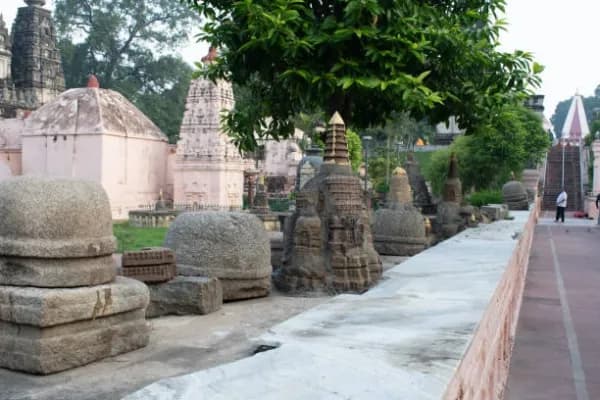
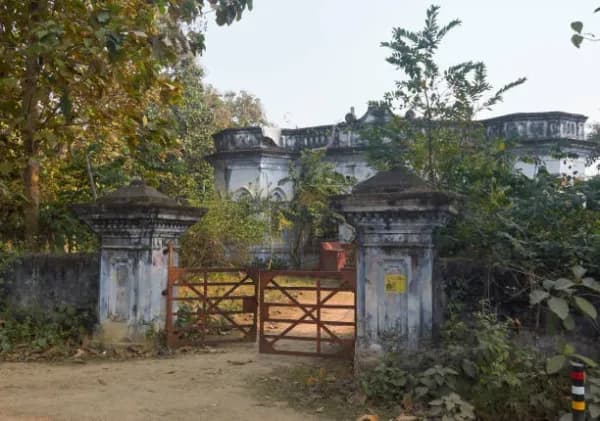
Historically, Laheria Sarai has been a significant center during the rule of the Raj Darbhanga, a powerful zamindari estate in Bihar. The influence of the Raj Darbhanga is still palpable in the architectural remnants and the local traditions that have been painstakingly preserved over the centuries. As you stroll through the town, you'll find yourself transported back in time, with the old-world charm seeping through every nook and cranny.
Geographically, Laheria Sarai is positioned in the northern part of Bihar, characterized by the fertile plains of the Ganges. The area is crisscrossed by numerous rivers and tributaries, contributing to its lush greenery and vibrant agricultural landscape. The town exudes a laid-back vibe, with its narrow lanes bustling with local vendors, traditional markets, and the gentle hum of everyday life.
When it comes to accommodations, Laheria Sarai offers a range of options that cater to different budgets and preferences. For those seeking luxury, the nearby city of Darbhanga offers upscale hotels with modern amenities and a touch of local charm. These hotels often provide a serene escape with their lush gardens and traditional Bihari hospitality.
For budget travelers, Laheria Sarai itself has a number of guesthouses and lodges that offer comfortable stays at affordable prices. These accommodations are typically located near the town center, providing easy access to local attractions and markets. Staying in these budget options also gives travelers a chance to experience the local lifestyle up close, with hosts who are often eager to share stories and insights about Bihar's rich cultural heritage.
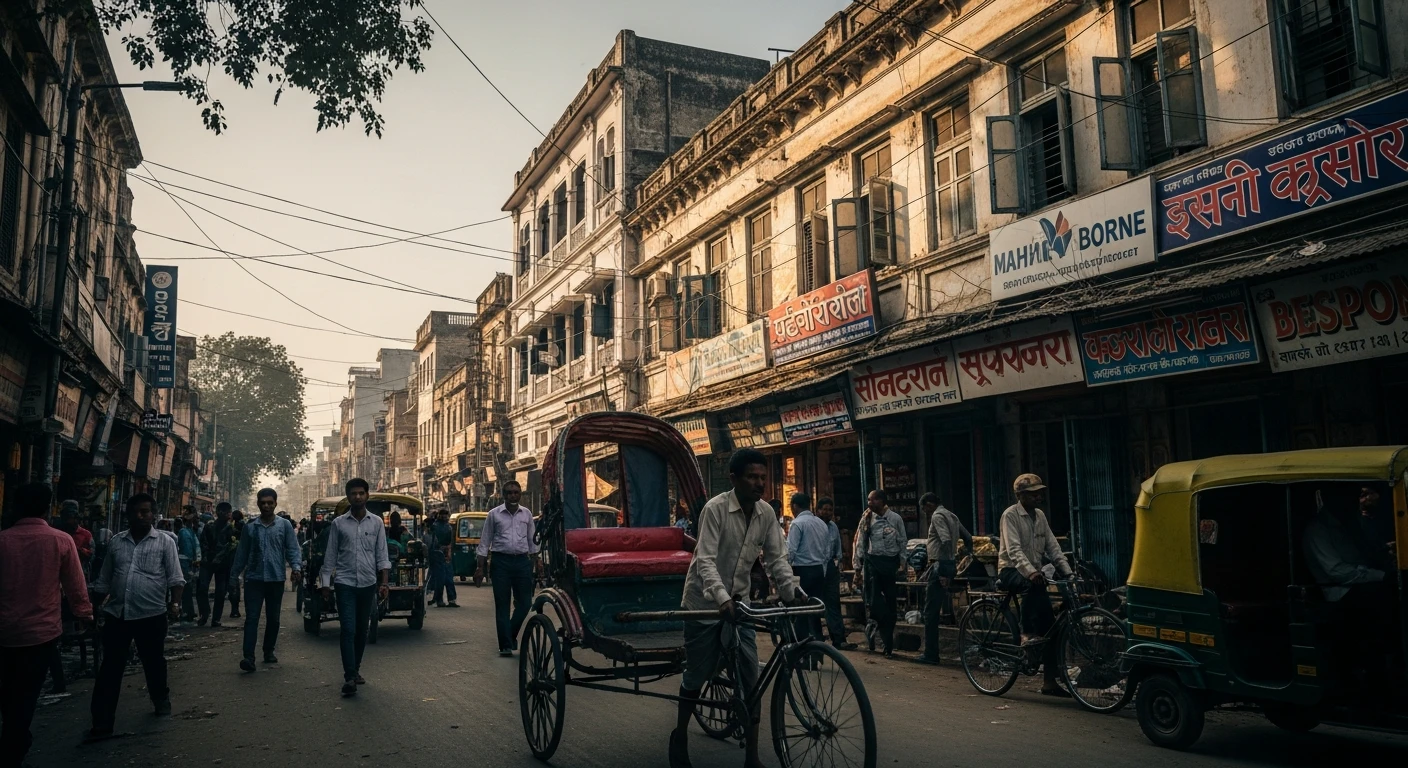
Navigating Laheria Sarai is relatively straightforward, thanks to its compact size and the availability of various modes of local transportation. Auto-rickshaws are the most common and convenient means of getting around, offering an affordable and efficient way to explore the town. They are readily available and can be hailed from almost anywhere.
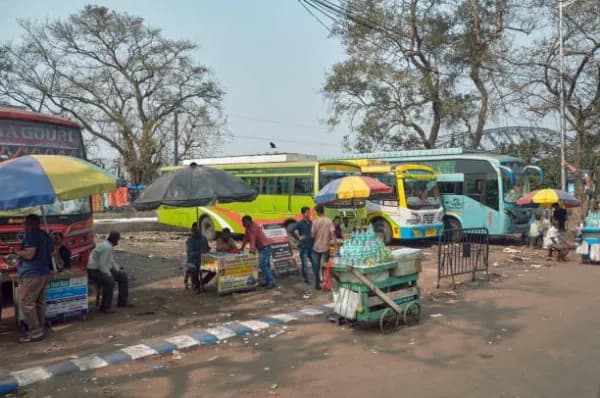
For those who prefer a more leisurely pace, cycle rickshaws provide a charming way to soak in the sights and sounds of Laheria Sarai. The town is also well-connected by a network of buses that link it to other parts of Bihar, making it easy to plan excursions to nearby attractions. For longer journeys, the Laheria Sarai railway station serves as a crucial node in the region's railway network, connecting travelers to major cities across Bihar and beyond.
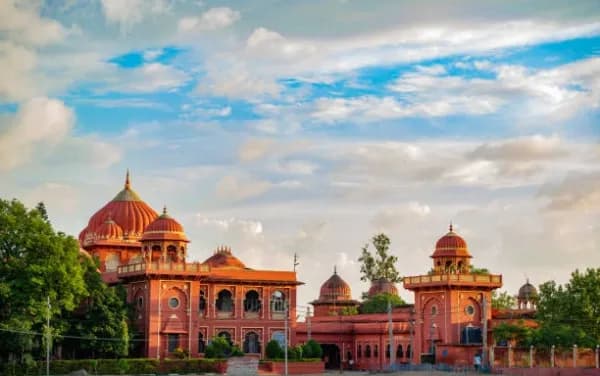
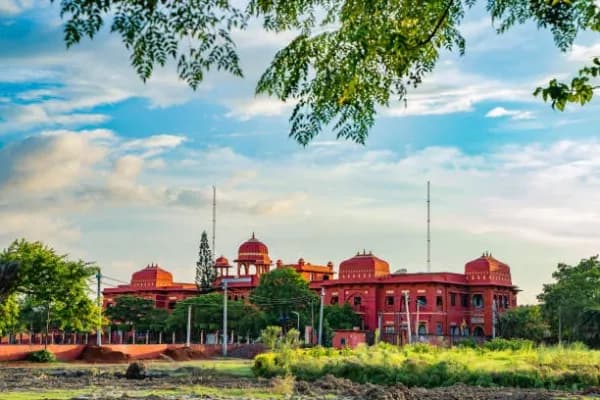
While Laheria Sarai itself is steeped in history and culture, the surrounding region offers several hidden gems that are worth exploring. A short drive away is the historic city of Darbhanga, known for its palatial architecture and the famed Darbhanga Raj Complex. The complex is a testament to the grandeur of the Raj Darbhanga, with its sprawling gardens and intricately designed buildings.
Another nearby attraction is the Kusheshwar Asthan Bird Sanctuary, a haven for bird watchers and nature enthusiasts. Located in the floodplains of the Kosi River, the sanctuary is home to a diverse array of avian species, especially during the migratory season. This excursion offers a peaceful retreat into nature, away from the hustle and bustle of town life.
The best time to visit Laheria Sarai is during the cooler months, from October to March. During this period, the weather is pleasant, making it ideal for exploring the town and its surroundings. The winter months, particularly December and January, offer a comfortable climate, with temperatures ranging from 10°C to 20°C.
Visiting during this time also coincides with several local festivals, providing an opportunity to experience the vibrant cultural celebrations that Bihar is known for. The monsoon season, from June to September, brings heavy rains, which can make travel challenging but also transforms the landscape into a lush, green paradise.
Laheria Sarai experiences a typical subtropical climate, with distinct seasons that influence the travel experience. January is the coldest month, with temperatures dipping to around 10°C, while May is the hottest, with temperatures soaring above 35°C.
The monsoon arrives in June, bringing with it heavy rainfall that lasts until September. This period, while challenging for travel, is crucial for agriculture in Bihar, replenishing the soil and supporting the region's agrarian economy. October marks the transition to the cooler season, offering a respite from the heat and humidity of the summer months.
The culture of Laheria Sarai is a vibrant tapestry woven from the threads of its historical roots and the traditions of the Mithila region. The town is a microcosm of Bihar's diverse cultural heritage, with its festivals, music, and art reflecting the rich tapestry of the local lifestyle.
One of the most significant cultural events is the Chhath Puja, a festival dedicated to the Sun God, celebrated with great fervor across Bihar. During this time, the town comes alive with ceremonial rituals performed along the riverbanks, and the air is filled with devotional songs and the aroma of traditional offerings.
The people of Laheria Sarai are known for their warmth and hospitality, often welcoming visitors with open arms and a cup of traditional Bihari tea. The local etiquette emphasizes respect and humility, traits that are deeply ingrained in the social fabric of Bihar.
The culinary landscape of Laheria Sarai is a delightful exploration of Bihar's traditional flavors. The town offers a variety of must-eat dishes that reflect the region's agrarian roots and cultural influences. Litti Chokha, a quintessential Bihari dish, is a favorite among locals and visitors alike. It consists of wheat flour dough balls stuffed with roasted gram flour and spices, served with a side of mashed vegetables.
Another local delicacy is Sattu Paratha, a wholesome flatbread filled with roasted gram flour, which is both nutritious and delicious. The food in Laheria Sarai is often accompanied by pickles and chutneys, adding a tangy twist to the hearty meals. The culinary history of the region is deeply intertwined with its festivals and traditions, making every meal a celebration of Bihar's rich cultural heritage.
Laheria Sarai and its surroundings are home to several noteworthy landmarks that offer a glimpse into the region's historical and cultural richness. The Darbhanga Fort, located in the nearby city of Darbhanga, is a must-visit. This architectural marvel stands as a testament to the grandeur of the Raj Darbhanga, with its imposing structure and intricate carvings.
The Shyama Kali Temple, another significant attraction, is revered for its spiritual significance and architectural beauty. The temple is dedicated to Goddess Kali and is a prominent pilgrimage site in Bihar, drawing devotees from across the region.
For those interested in art and culture, the Mithila Art Gallery in Darbhanga offers a fascinating insight into the traditional Madhubani paintings that the Mithila region is famous for. These intricate artworks, characterized by their vibrant colors and detailed patterns, are a reflection of the region's cultural ethos.
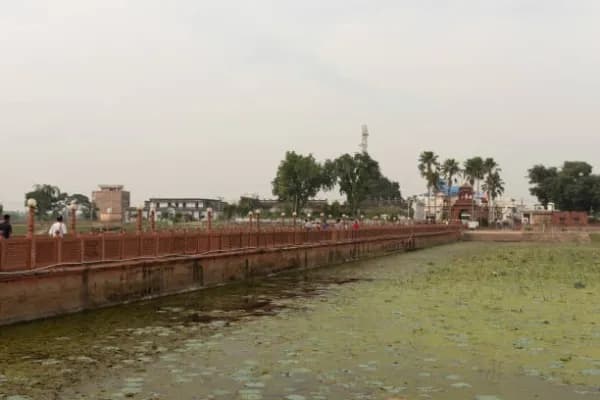
Lastly, the Harahi Lake, located on the outskirts of Laheria Sarai, provides a tranquil escape into nature. The lake is a popular spot for picnics and leisurely walks, offering stunning views of the surrounding landscape, especially during sunrise and sunset.
Nearby places worth adding to your itinerary.