Changde
Explore stays
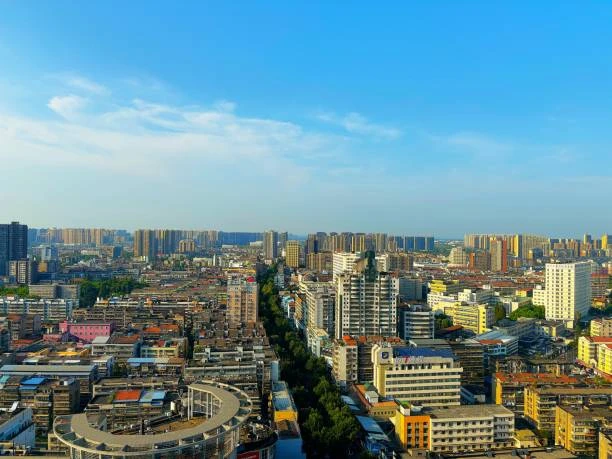
Leiyang, a treasure in the heart of Hunan Province, is a city steeped in rich history and cultural significance. Located in the southeastern part of Hunan, Leiyang has been a focal point since ancient times, known for its agricultural prowess and strategic location. The city has a history that dates back over 2,000 years, serving as a crucial part of the ancient trade routes that traversed Southern China. The name 'Leiyang' itself is derived from the term 'thunder', symbolizing the strength and vitality of its people.
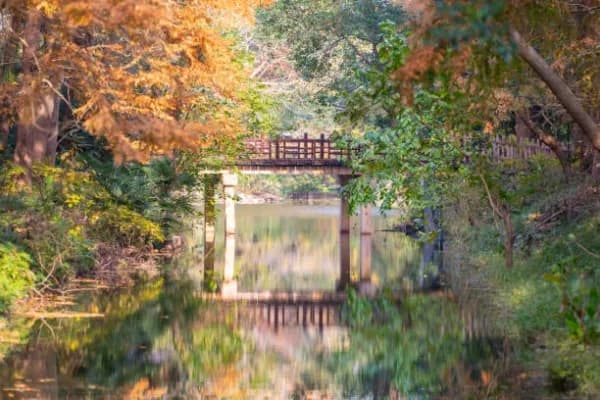
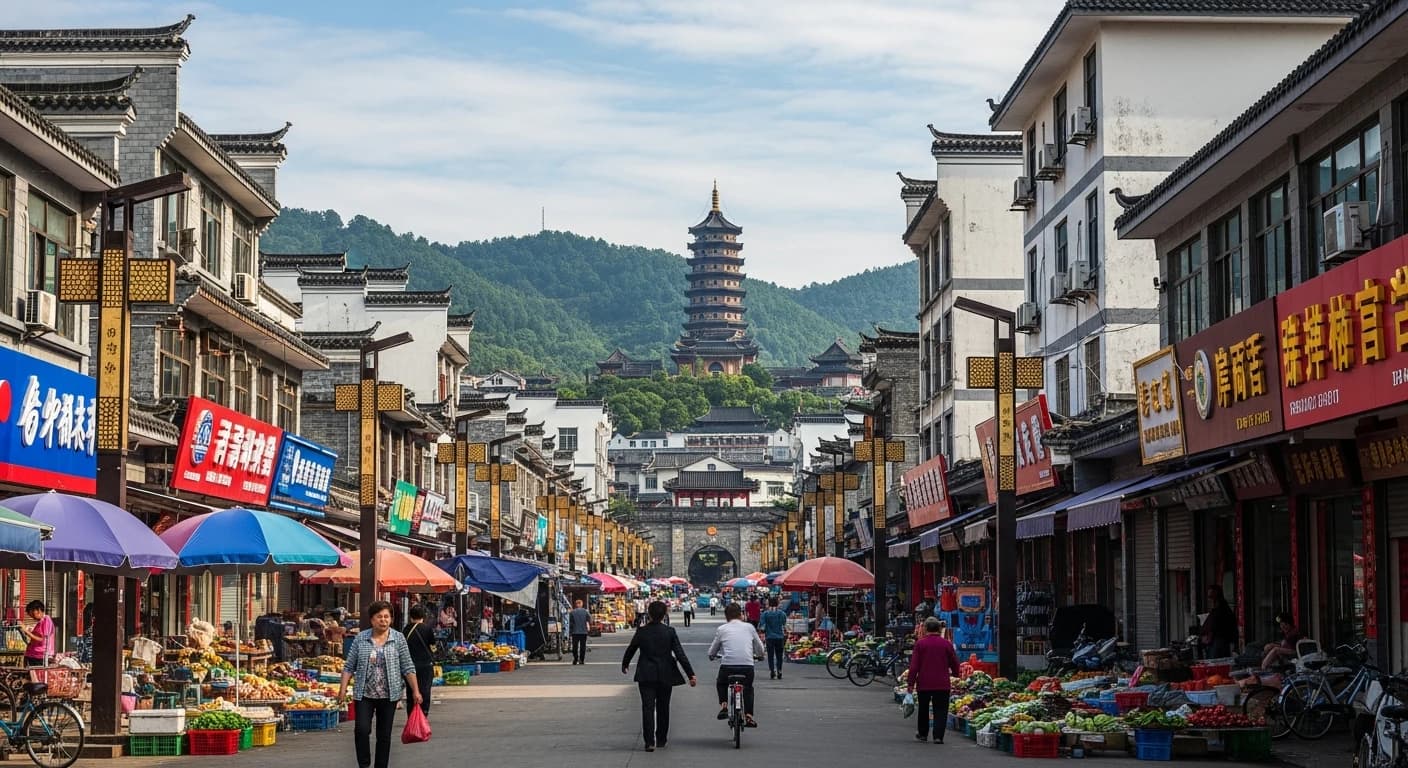
Geographically, Leiyang is characterized by its lush landscapes, rolling hills, and winding rivers. The terrain is predominantly mountainous, which has shaped both its culture and lifestyle. The city has a unique blend of urban and rural vibes; the bustling markets and modern amenities coexist with serene countryside views. Residents of Leiyang are known for their warmth and hospitality, making it a welcoming destination for tourists. The local dialect, a variant of Xiang Chinese, adds to the authenticity of the experience, creating a vibrant atmosphere that is both lively and inviting.
As you stroll through the streets of Leiyang, you’ll encounter a rich tapestry of cultural influences—from traditional architecture to modern developments, the city reflects the dynamic spirit of Hunan. Festivals, local cuisines, and age-old customs enhance the charm of this city, making it an ideal destination for those looking to immerse themselves in the unique culture of Hunan.
Choosing the right place to stay in Leiyang can greatly enhance your travel experience. For luxury travelers, the city offers several high-end hotels, such as the Hunan Leiyang International Hotel, which features elegant rooms, gourmet dining options, and excellent service. Located centrally, this hotel is perfect for those who desire comfort without straying too far from the city's main attractions.
For budget-conscious travelers, there are numerous guesthouses and hostels that provide a cozy atmosphere at affordable rates. Areas like Xinyuan Road are dotted with local inns that offer basic amenities and a chance to interact with local residents. These places often provide a more authentic experience, where you can share stories and perhaps even enjoy home-cooked meals prepared by your hosts.
Getting around Leiyang is quite convenient, thanks to its well-organized public transportation system. Buses are the primary mode of transportation, connecting various parts of the city and surrounding areas. For a more localized experience, consider renting a bicycle to explore the scenic routes at your own pace. Taxis and ride-hailing services are readily available and affordable, making it easy to navigate the city like a local. Don't forget to download a translation app if you're not fluent in Mandarin, as it can help in communicating with drivers.
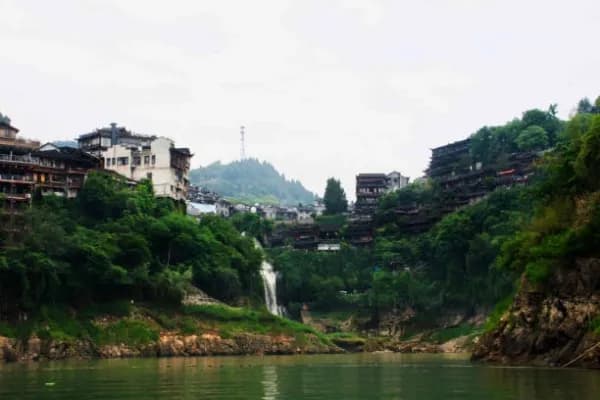
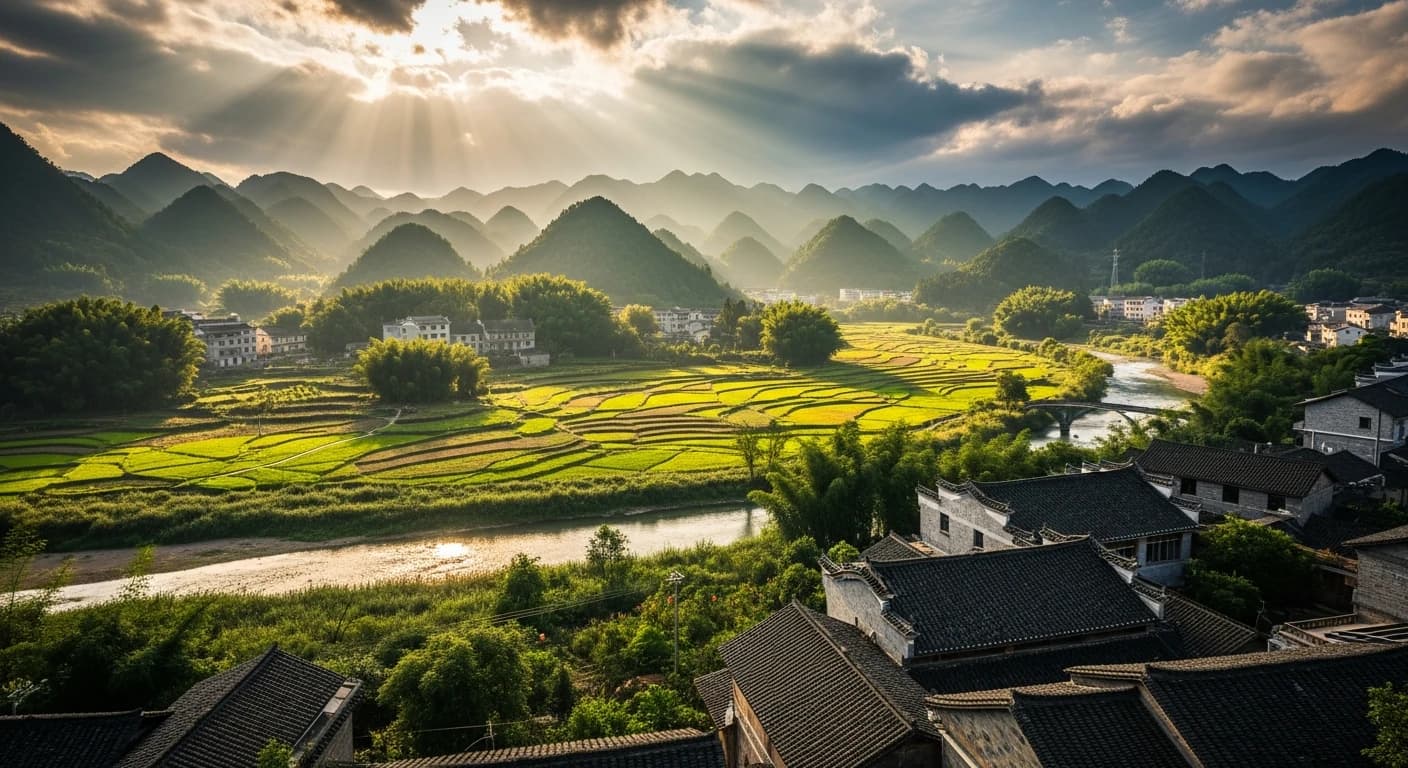
While Leiyang itself is captivating, the surrounding areas offer hidden gems waiting to be discovered. A short trip to the nearby town of Hengnan presents visitors with stunning natural landscapes, including lush rice fields and tranquil rivers. The Fenghuang Ancient Town, a UNESCO World Heritage site, is another must-see, known for its well-preserved Ming and Qing architecture and rich history.
Additionally, a visit to the Dongting Lake, located just a few hours away, allows for a peaceful retreat into nature. This area is particularly famous for its birdwatching opportunities, as migratory birds flock to the wetlands during specific seasons. Each excursion provides a unique glimpse into the natural beauty and cultural heritage that Hunan is renowned for.
The ideal time to visit Leiyang is during the spring (March to May) and autumn (September to November) months. Spring brings mild temperatures and blooming flowers, making it a perfect time for outdoor activities and local festivals. Autumn, on the other hand, is characterized by cooler temperatures and vibrant fall foliage, enhancing the scenic beauty of the region.
Summer (June to August) can be quite hot and humid, while winters (December to February) are cold, so pack accordingly if you plan to visit during these months. Each season offers a different perspective of Leiyang, showcasing the area's diverse charm throughout the year.
Leiyang experiences a humid subtropical climate, with distinct seasons that can influence your travel plans. January is typically the coldest month, with temperatures averaging around 5°C (41°F), while July is the hottest, where temperatures can soar to 35°C (95°F).
February often sees the first blooms of spring, while April and May are marked by warm days and frequent rain showers. The summer months can be sweltering, often accompanied by afternoon thunderstorms. Autumn, particularly September and October, is pleasantly cool, making it ideal for sightseeing. December tends to be chilly and dry, setting the stage for a quieter, more introspective visit to the city.
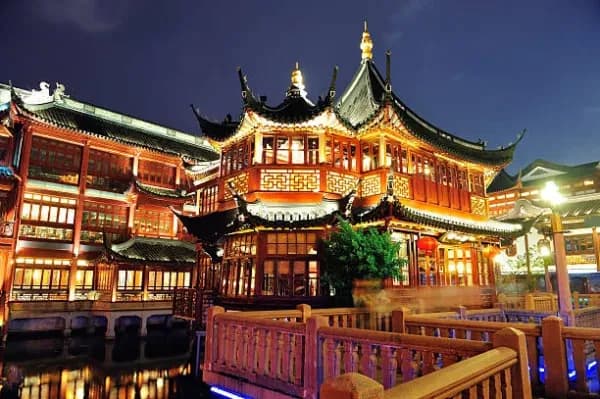
Leiyang is a cultural melting pot, with its festivals and local customs reflecting the rich heritage of Hunan. The Leiyang Lantern Festival, held annually during the Lunar New Year, showcases beautiful handmade lanterns that illuminate the night sky. This vibrant festival is not only a visual spectacle but also a time for families to come together and celebrate.
The people of Leiyang are known for their friendliness and hospitality, often greeting visitors with warm smiles and open arms. Local etiquette emphasizes respect for elders and traditions, and visitors are encouraged to participate in communal activities and celebrations. Engaging with the community can provide invaluable insights into the local culture and lifestyle.
Hunan cuisine, known for its bold flavors and spicy dishes, is a significant part of Leiyang’s identity. Must-try local dishes include 'Dried Tofu with Chili' and 'Steamed Fish Head with Diced Hot Red Peppers,' which showcase the region's love for fresh ingredients and fiery spices. Street food is also abundant, with vendors selling everything from dumplings to skewers.
The culinary history of Hunan reflects the agricultural abundance of the region, where rice and various vegetables are staples in everyday meals. The use of preserved ingredients is also prevalent, a technique that has been passed down through generations, making each meal a flavorful journey through time.
Leiyang boasts several notable tourist attractions that capture its historical and cultural essence.
This ancient temple, dedicated to Confucius, serves as a significant cultural landmark. It features traditional architecture and beautifully landscaped gardens, attracting both scholars and tourists alike.
A stunning natural attraction, this bamboo forest offers picturesque trails and scenic viewpoints, making it a great spot for hiking and photography.
For those interested in history, the Leiyang Museum showcases artifacts and exhibits that narrate the story of the city and its people, providing a deep dive into the region's past.
This mountain offers breathtaking views and is known for its tranquil environment, perfect for nature lovers and those seeking solitude away from the urban hustle.
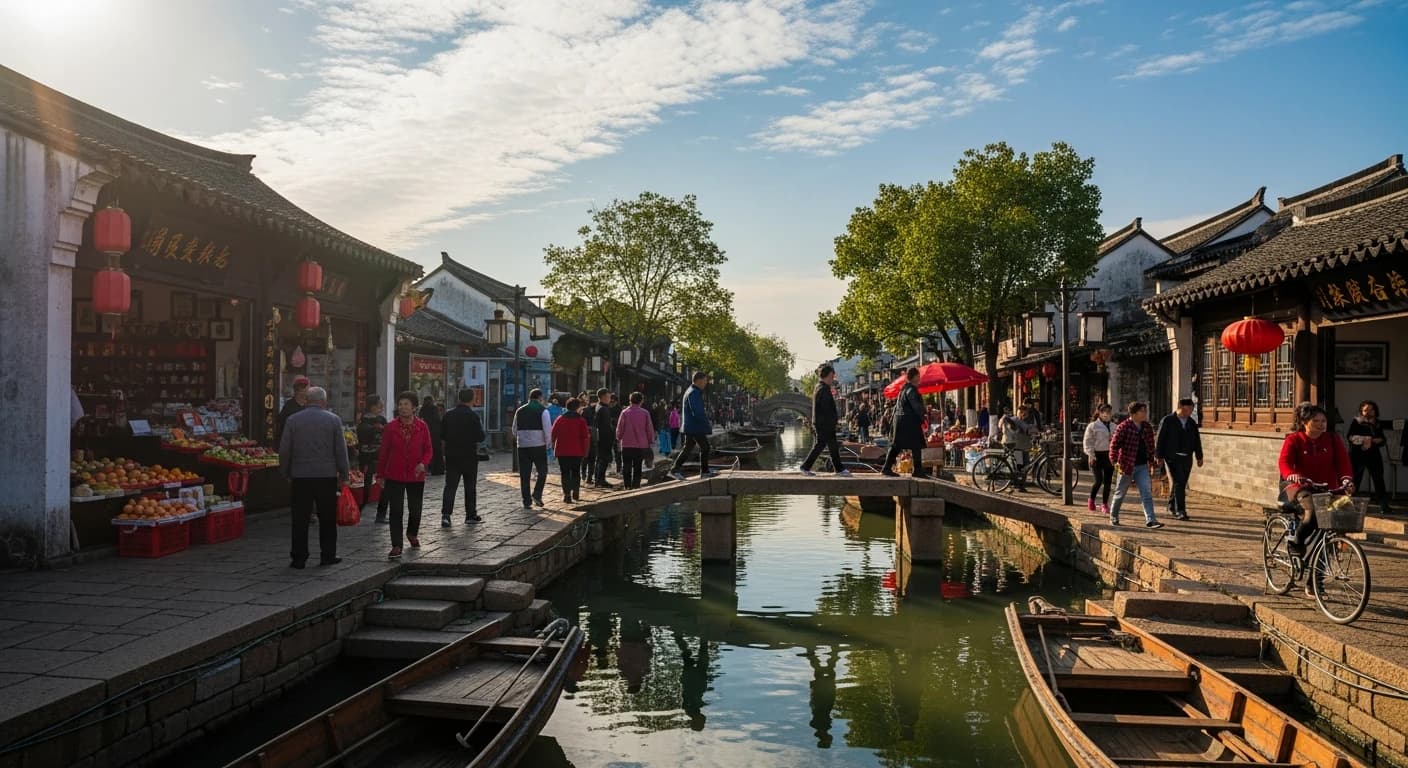
For a taste of local life, the night market is a must-visit. Here, you can indulge in a variety of street foods, shop for local crafts, and experience the vibrant nightlife of Leiyang.
Nearby places worth adding to your itinerary.
Top stays in Leiyang picked for comfort, value, and great guest reviews.