Ahuas
Explore stays
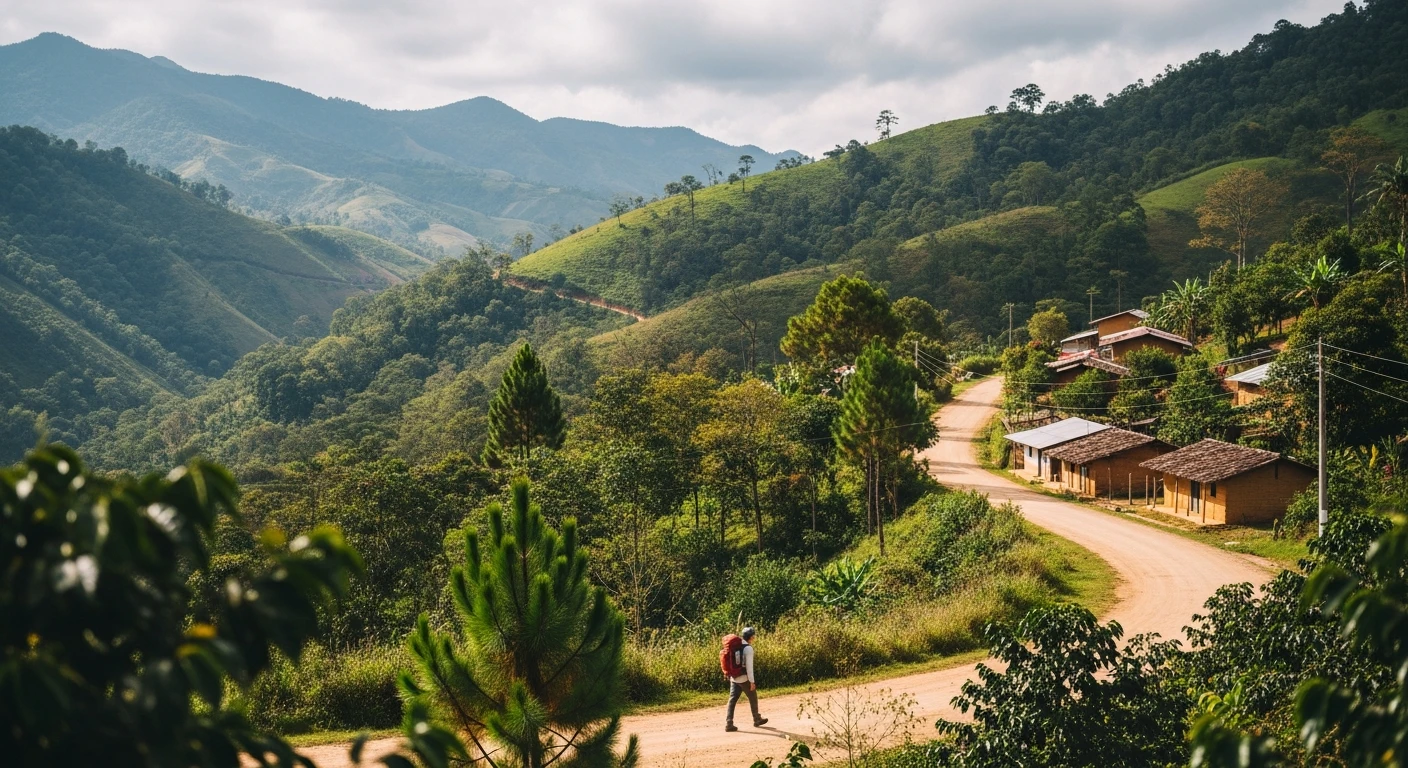
Nestled in the western highlands of Honduras, Lempira is a department rich in history and cultural heritage. Named after the indigenous Lenca leader, Chief Lempira, who valiantly resisted Spanish conquest in the 16th century, this region is a testament to the resilience and spirit of its people. The rugged terrain of Lempira is characterized by its mountainous landscapes, dense forests, and quaint villages that offer a glimpse into the past.
Lempira's geography is as diverse as its history, with elevations ranging from 1,000 to over 2,000 meters above sea level. The climate is generally temperate, providing a refreshing escape from the tropical heat found in other parts of Honduras. The vibe in Lempira is a harmonious blend of tranquility and adventure. Visitors are often drawn to its serene environment, where the pace of life is slow, and the natural beauty is abundant.
The department's capital, Gracias, is a charming colonial town that serves as a gateway to the region's rich cultural tapestry. With cobblestone streets, historic churches, and vibrant markets, Gracias offers an authentic Honduran experience. The people of Lempira are known for their warmth and hospitality, welcoming travelers with open arms and sharing the stories of their land.
When it comes to accommodations, Lempira offers a variety of options to suit every budget. In the heart of Gracias, you'll find luxury boutique hotels like Hotel Real Camino Lenca, which offers a blend of modern comforts and colonial charm. These establishments often feature beautifully appointed rooms, exquisite dining options, and stunning views of the surrounding mountains.
For budget travelers, there are numerous guesthouses and hostels that provide a comfortable stay without breaking the bank. Places like Posada de Don Juan offer cozy rooms and a friendly atmosphere, making it easy for travelers to connect with other visitors and locals alike. Additionally, eco-lodges in the nearby Celaque National Park provide a unique opportunity to immerse oneself in nature while enjoying sustainable accommodations.
Navigating Lempira like a local requires a bit of adventurous spirit. The most common mode of transportation is the bus, which connects major towns and villages within the department. These buses, often referred to as "chicken buses," are an affordable and authentic way to travel, offering a glimpse into everyday life in Honduras.
For those seeking more flexibility, renting a car is a viable option. This allows travelers to explore the region's hidden gems at their own pace. However, it's important to note that some roads can be challenging, especially during the rainy season, so a 4x4 vehicle is recommended.
Taxis and moto-taxis are also available in urban areas like Gracias, providing convenient transportation for short distances. Negotiating fares beforehand is advisable to ensure a fair price.
Lempira is surrounded by hidden gems that beckon travelers to explore beyond the beaten path. One such destination is Celaque National Park, home to Honduras' highest peak, Cerro Las Minas. Hiking enthusiasts will find a variety of trails that wind through cloud forests, offering breathtaking views and a chance to spot unique wildlife.
Another must-visit site is the town of La Campa, known for its traditional pottery. Here, visitors can observe artisans at work and even try their hand at creating their own ceramic pieces. The town's vibrant markets are also a great place to purchase handmade crafts and souvenirs.
For a cultural immersion, head to San Manuel Colohete, a picturesque village with a stunning colonial church. The church, Iglesia de San Manuel de Colohete, is a masterpiece of colonial architecture and provides insight into the region's rich history.
The best time to visit Lempira largely depends on your interests and preferred activities. The dry season, from November to April, is ideal for outdoor adventures and exploring the region's natural beauty. During this time, the weather is pleasant, with cooler temperatures and minimal rainfall.
If you’re interested in experiencing local festivals, plan your visit around June or July. This is when the Lenca community celebrates the Fiesta de Lempira, a vibrant event honoring the region's indigenous heritage with traditional music, dance, and food.
The rainy season, from May to October, brings lush landscapes and fewer tourists. While some activities may be limited due to weather conditions, this is a great time to enjoy the tranquility and verdant scenery of Lempira.
Lempira's weather varies throughout the year, offering distinct experiences for travelers. January and February are the coolest months, with temperatures ranging from 14°C to 24°C, providing a refreshing escape from the heat of the lowlands.
March and April mark the transition to the rainy season, with temperatures rising slightly. May to October sees increased rainfall, with July and August being the wettest months. Despite the rain, temperatures remain comfortable, ranging from 16°C to 26°C.
November and December herald the return of the dry season, with cooler temperatures and clear skies. This is an ideal time for hiking and exploring the region's natural attractions.
Lempira's culture is deeply rooted in its indigenous Lenca heritage, which is evident in the region's traditions, crafts, and festivals. The Lenca people are known for their vibrant textiles, pottery, and music, all of which play a significant role in the local culture.
One of the most important cultural events is the Fiesta de Lempira, celebrated in July. This festival honors the legacy of Chief Lempira and features traditional dances, music, and ceremonies. Visitors can immerse themselves in the festivities, gaining a deeper understanding of the region's history and traditions.
Etiquette in Lempira reflects the warmth and hospitality of its people. Visitors are encouraged to greet locals with a friendly "buenos días" or "buenas tardes" and to show respect for cultural customs and traditions.
The culinary scene in Lempira is a delightful reflection of its cultural heritage. Must-eat dishes include "baleadas," a popular Honduran dish consisting of a flour tortilla filled with beans, cheese, and cream. For a heartier meal, try "plato típico," a traditional plate featuring grilled meat, rice, beans, plantains, and fresh cheese.
Local markets are a treasure trove of fresh produce and handmade goods. Be sure to sample "atol chuco," a warm corn-based beverage, and "ticucos," corn tamales filled with beans or pork.
The region's culinary history is influenced by indigenous Lenca traditions, with an emphasis on locally sourced ingredients and traditional cooking methods.
Lempira boasts a wealth of attractions that showcase its natural beauty and historical significance. One of the top landmarks is Celaque National Park, a UNESCO World Heritage site known for its diverse ecosystems and the towering Cerro Las Minas. Hiking enthusiasts will find a variety of trails that offer stunning views and opportunities to spot unique wildlife.
The town of Gracias is home to several historical sites, including the Fort of San Cristóbal. This 17th-century fort offers panoramic views of the town and surrounding mountains, providing insight into the region's colonial past.
Another must-visit site is the Iglesia de San Manuel de Colohete, a colonial church renowned for its architectural beauty. The church's intricate woodwork and detailed frescoes are a testament to the craftsmanship of the period.
For a taste of local culture, visit the Lenca Trail, a network of villages that showcase the traditions and crafts of the Lenca people. Here, visitors can engage with artisans, learn about traditional pottery, and purchase handmade souvenirs.
Finally, the town of La Campa is famous for its pottery, where visitors can observe artisans at work and even try their hand at creating their own ceramic pieces. The town's vibrant markets are also a great place to purchase handmade crafts and souvenirs.
Nearby places worth adding to your itinerary.
Top stays in Lempira picked for comfort, value, and great guest reviews.