
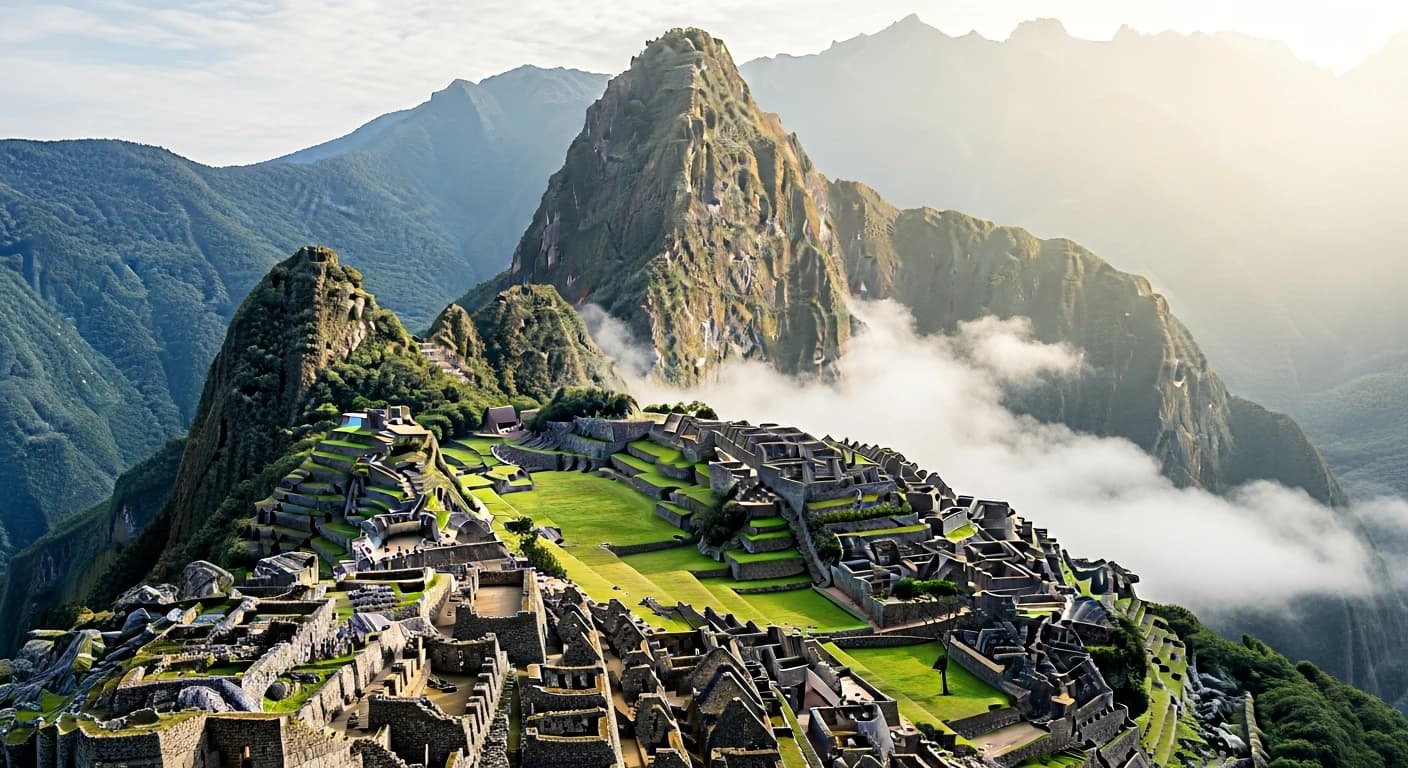
Machupicchu
Explore stays
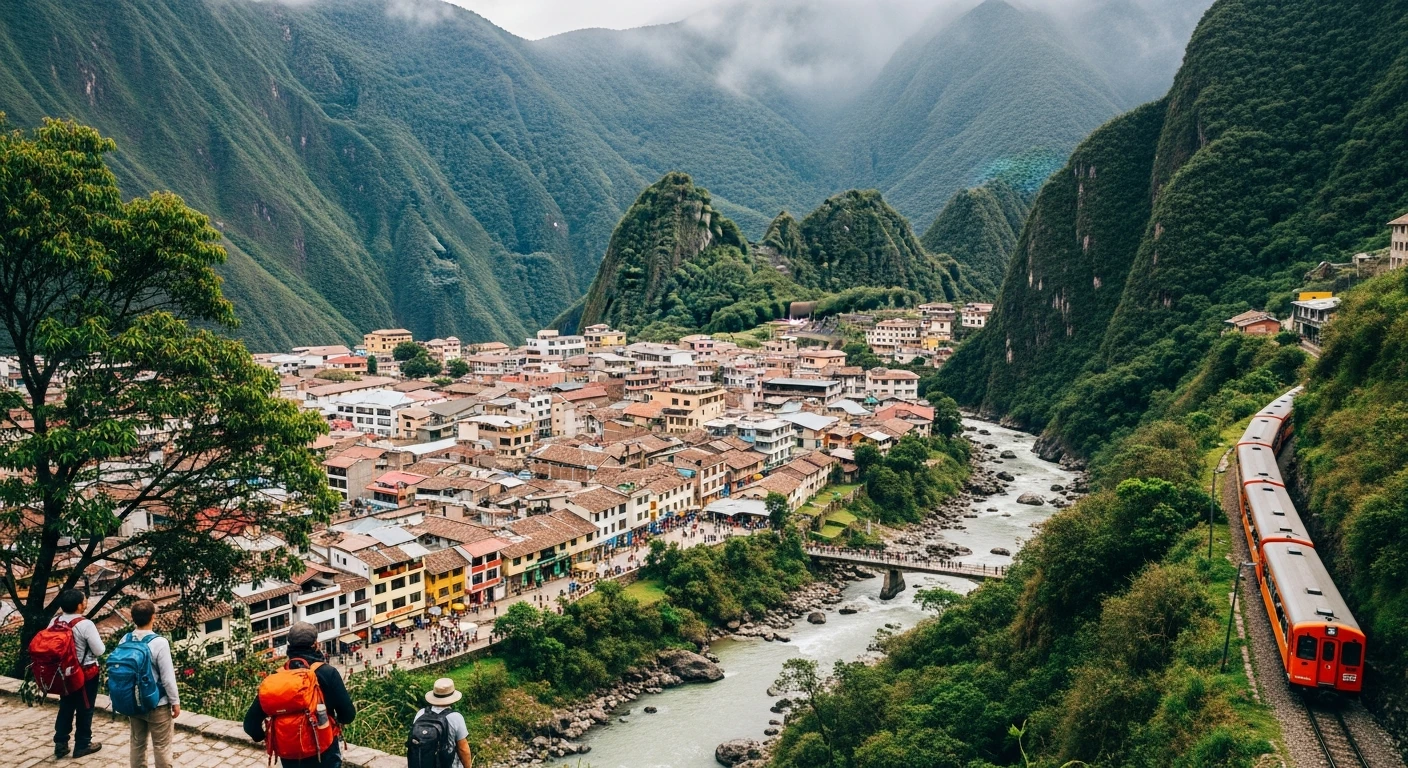
Nestled in the heart of the Urubamba Province, Aguas Calientes serves as the primary gateway to the world-renowned Machu Picchu. This quaint town, officially known as Machupicchu Pueblo, is enveloped by lush cloud forests and the roaring Urubamba River, offering a unique blend of natural beauty and historical intrigue. The town's origins date back to the early 20th century when it was established as a railway workers' camp during the construction of the line connecting Cusco and Machu Picchu.
The vibrant atmosphere of Aguas Calientes is palpable as soon as you step off the train. The streets are lined with bustling markets, cozy cafes, and colorful buildings that reflect the rich cultural tapestry of the region. The town is a melting pot of cultures, with local Quechua traditions blending seamlessly with the influx of international visitors. Despite being a small town, Aguas Calientes boasts a lively vibe, driven by the anticipation and excitement of travelers embarking on their journey to Machu Picchu.
The geographical layout of Aguas Calientes is defined by its steep, narrow streets that wind through the valley, offering glimpses of the surrounding mountains. The town's proximity to the Urubamba River adds a serene backdrop, with the soothing sounds of rushing water providing a constant reminder of the natural wonders that await.
Accommodation in Aguas Calientes caters to a wide range of preferences, from luxury seekers to budget-conscious travelers. For those looking to indulge, the Inkaterra Machu Picchu Pueblo Hotel offers an opulent experience with its lush gardens and private villas, providing an oasis of tranquility amidst the bustling town. Alternatively, the Sumaq Machu Picchu Hotel offers a blend of modern amenities and traditional Andean hospitality, ensuring a comfortable stay with stunning views of the Urubamba River.
Budget travelers will find a plethora of hostels and guesthouses scattered throughout the town. The Supertramp Hostel is a popular choice, offering a vibrant social atmosphere and affordable dormitory accommodations. For a more intimate experience, consider staying at one of the family-run guesthouses, where you can enjoy genuine Peruvian hospitality and insider tips on exploring Urubamba and its surroundings.
Getting around Aguas Calientes is a straightforward affair, as the town is compact and easily navigable on foot. The main streets are pedestrian-friendly, allowing you to explore the local markets and eateries at your leisure. For those needing to reach the Machu Picchu entrance, shuttle buses operate regularly from the town center, offering a convenient and efficient service.
For a more immersive experience, consider renting a bicycle to explore the scenic routes along the Urubamba River. This eco-friendly mode of transport not only allows you to appreciate the natural beauty of the area but also provides a unique perspective on the daily life of the locals.
While Machu Picchu is undoubtedly the highlight, the Urubamba region offers a wealth of lesser-known gems waiting to be explored. The Mandor Gardens, located just a short walk from Aguas Calientes, provide a tranquil escape with their lush vegetation and cascading waterfalls. This hidden paradise is a haven for birdwatchers and nature enthusiasts, offering a glimpse into the rich biodiversity of the cloud forest.
Another must-visit is the Putucusi Mountain, a challenging hike that rewards adventurers with panoramic views of Machu Picchu and the surrounding Urubamba Valley. The trail is steep and requires a good level of fitness, but the breathtaking vistas make it a worthwhile endeavor.
Choosing the best time to visit Aguas Calientes and Machu Picchu involves considering both weather conditions and tourist crowds. The dry season, from May to September, is often regarded as the ideal time to explore Urubamba, with clear skies and mild temperatures providing perfect trekking conditions. However, this period also coincides with peak tourist season, so expect larger crowds at popular sites.
The shoulder months of April and October offer a balance between favorable weather and fewer tourists, making them an excellent choice for those seeking a more tranquil experience. The rainy season, from November to March, sees fewer visitors, but the increased rainfall can lead to muddy trails and occasional disruptions in travel plans.
The weather in Aguas Calientes is characterized by its subtropical highland climate, with distinct wet and dry seasons. January and February are the wettest months, with heavy rainfall and cooler temperatures, averaging around 18°C (64°F). March marks the transition to the dry season, with precipitation gradually decreasing and temperatures rising.
From May to September, the dry season brings crisp, clear days, with daytime temperatures ranging from 20°C to 25°C (68°F to 77°F). Nights can be chilly, with temperatures dropping to around 10°C (50°F). October and November see a return of occasional rain showers, but temperatures remain pleasant, making it an attractive time to visit.
The cultural tapestry of Aguas Calientes is a vibrant blend of indigenous traditions and modern influences. The town's inhabitants, primarily of Quechua descent, are proud of their heritage, which is reflected in their daily lives and local customs. Visitors have the opportunity to witness traditional Andean music and dance performances, often held in the town square, providing a glimpse into the rich cultural legacy of the Urubamba region.
Festivals play a significant role in the local culture, with Inti Raymi, the Festival of the Sun, being one of the most celebrated events. Held in June, this ancient Incan ceremony honors the sun god Inti and features elaborate processions, traditional music, and vibrant costumes. Visitors are encouraged to participate in the festivities, offering a unique opportunity to connect with the local community and learn about their customs.
Etiquette in Aguas Calientes reflects the warm and welcoming nature of its residents. Politeness and respect are highly valued, and a simple greeting in Quechua or Spanish can go a long way in fostering goodwill with the locals.
The culinary scene in Aguas Calientes is a delightful fusion of traditional Andean flavors and contemporary influences. One must-try dish is the hearty 'cuy,' or guinea pig, a staple in Peruvian cuisine that is often roasted or fried and served with potatoes and corn. Another local favorite is 'alpaca steak,' known for its tender texture and rich flavor.
For a taste of the region's agricultural bounty, try 'quinoa soup' or 'oca,' a type of tuber that is often served alongside meat dishes. The town's eateries range from rustic family-run establishments to upscale restaurants, each offering a unique take on the flavors of Urubamba.
While Machu Picchu is the star attraction, Aguas Calientes and the surrounding Urubamba region boast several other noteworthy sites. The Machu Picchu Museum, located in the town center, provides an insightful overview of the history and significance of the Incan citadel, with artifacts and exhibits that delve into its archaeological and cultural importance.
The Thermal Baths of Aguas Calientes offer a relaxing retreat after a day of exploration. Nestled in the lush surroundings of the Urubamba Valley, these natural hot springs are believed to have therapeutic properties, providing a soothing experience for weary travelers.
Another must-visit site is the Mariposario, a butterfly sanctuary located just outside of town. This enchanting garden is home to a variety of butterfly species native to the Urubamba region, offering a unique opportunity to witness these delicate creatures up close and learn about their role in the local ecosystem.
The nearby town of Ollantaytambo, accessible by train or bus, is a living Incan village that offers a glimpse into the past with its well-preserved ruins and traditional stone architecture. The town's strategic location in the Sacred Valley makes it an ideal base for exploring the wider Urubamba area.
Lastly, the Sacred Valley itself is a treasure trove of archaeological sites, traditional markets, and breathtaking landscapes. A visit to the Pisac ruins and market provides insight into the agricultural prowess of the Incas, while the Moray terraces showcase their innovative farming techniques.
Nearby places worth adding to your itinerary.
Top stays in Machu Picchu Aguas Calientes picked for comfort, value, and great guest reviews.