Adas
Explore stays
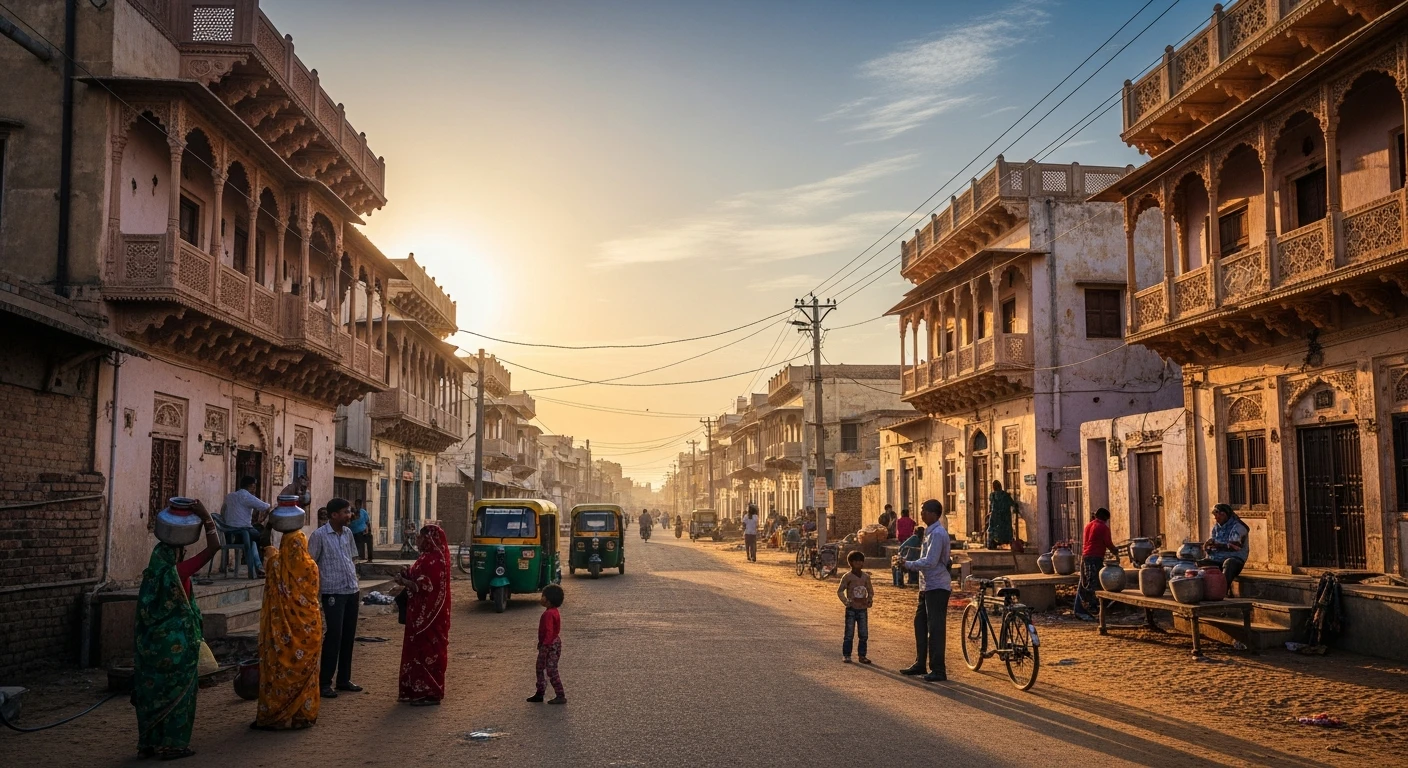
Madhapar, a quaint village located in the Kutch district of Gujarat, India, is a treasure trove of history and culture. Nestled amidst the arid landscapes of Gujarat, Madhapar is known for its vibrant community and rich heritage. The village is one of the wealthiest in Asia owing to the successful diaspora of its residents who have settled abroad, particularly in the UK and the USA, and send back substantial remittances. This has led to the development of modern infrastructure while retaining its traditional charm.
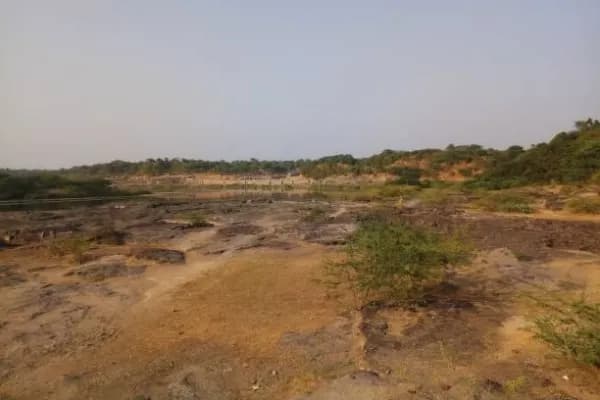
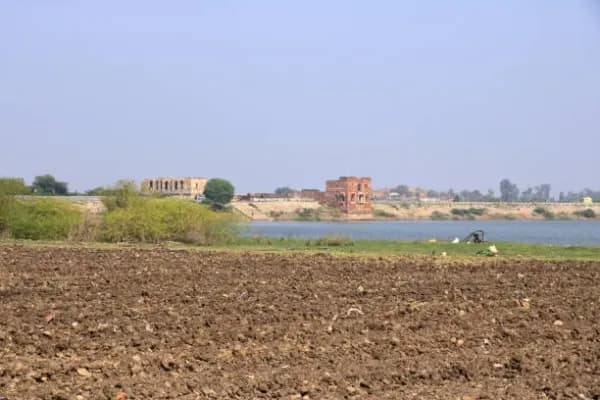
The geography of Madhapar is characterized by its proximity to the Rann of Kutch, a vast salt marsh that transforms into a surreal white desert during the dry season. The village itself is dotted with lush green farms and orchards, thanks to the innovative water management practices adopted by the local community. The vibe here is a harmonious blend of modernity and tradition, with the locals being deeply rooted in their customs while embracing the conveniences of contemporary life.
Madhapar's history is intertwined with the broader history of the Kutch region, which has been a significant trade and cultural hub for centuries. The village has seen influences from various rulers and empires, including the Jadeja Rajputs and the British, each leaving an indelible mark on its cultural fabric. Today, Madhapar stands as a testament to the resilience and adaptability of its people, offering a unique glimpse into the heart of Gujarat.
When it comes to accommodations, Madhapar offers a range of options to suit different budgets and preferences. For those seeking luxury, the nearby city of Bhuj, just a short drive away, hosts several upscale hotels and resorts that provide top-notch amenities and services. These establishments often offer guided tours to Madhapar, allowing visitors to explore the village while enjoying a comfortable stay.
For budget travelers, Madhapar itself has several guesthouses and homestays that offer a more authentic experience. Staying with local families not only provides a cost-effective solution but also offers a deeper insight into the daily lives and customs of the people of Gujarat. These accommodations are often simple but clean and comfortable, providing a warm Gujarati hospitality that is hard to match.
Regardless of where you choose to stay, the welcoming nature of the people in Madhapar ensures a memorable visit.
Navigating Madhapar and its surroundings is relatively straightforward, with several options available for local transportation. The most common mode of transport within the village is the auto-rickshaw, a convenient and affordable way to get around. These three-wheeled vehicles are readily available and can be hired for short distances or for a day to explore the village and its environs.
For those looking to travel to nearby towns or attractions, local buses and shared taxis provide an economical option. Buses connect Madhapar to Bhuj and other parts of Gujarat, although they can be crowded and less frequent. For a more comfortable journey, hiring a private taxi or car is recommended, especially if you plan to visit multiple sites in a day.
Bicycles are also a popular choice for exploring the village at a leisurely pace, allowing visitors to soak in the local sights and sounds.
Madhapar serves as an excellent base for exploring the hidden gems of Gujarat. One such excursion is to the Great Rann of Kutch, a short drive from the village. This salt desert is renowned for its breathtaking vistas, especially during the Rann Utsav, a cultural festival that showcases the vibrant arts and crafts of the region.
Another must-visit site is the Kutch Museum in Bhuj, which houses a fascinating collection of artifacts that narrate the history and culture of Kutch and Gujarat. The museum's exhibits include ancient coins, traditional textiles, and tribal artifacts, providing a comprehensive overview of the region's heritage.
For nature enthusiasts, a trip to the Banni Grasslands is highly recommended. This unique ecosystem is home to a variety of wildlife, including migratory birds, and offers a serene escape from the hustle and bustle of village life.
The best time to visit Madhapar and the surrounding regions of Gujarat is during the winter months, from November to February. During this period, the weather is pleasant, with temperatures ranging between 12°C and 28°C, making it ideal for sightseeing and outdoor activities.
The monsoon season, from June to September, brings moderate rainfall, which revitalizes the landscape and adds a lushness to the surroundings. However, travel can be slightly challenging due to occasional heavy downpours.
Summers, from March to May, can be quite hot, with temperatures soaring above 40°C. It is advisable to avoid visiting during this time unless you are accustomed to the heat.
Madhapar experiences a semi-arid climate typical of Gujarat, with distinct seasons. January is the coolest month, with temperatures dipping to 10°C at night, while February gradually warms up.
March through May marks the summer season, with temperatures often exceeding 40°C. The heat is dry and intense, making outdoor activities less comfortable during the day.
The monsoon arrives in June, bringing relief from the heat and transforming the landscape into a verdant oasis. The rains continue until September, after which the weather becomes cooler and more conducive to travel.
The culture of Madhapar is a vibrant tapestry woven from the diverse traditions and customs of Gujarat. The village is known for its lively festivals, with Navratri being one of the most prominent. During this nine-night festival, locals engage in traditional dances like Garba and Dandiya, dressed in colorful attire that reflects the rich textile heritage of the region.
Diwali, the festival of lights, is another major celebration, with homes and streets illuminated with oil lamps and fireworks lighting up the night sky. The people of Madhapar are known for their warmth and hospitality, often inviting visitors to partake in their celebrations.
Etiquette is important in Madhapar, as in the rest of Gujarat. Visitors are expected to dress modestly, especially when visiting religious sites, and to remove their shoes before entering homes and temples. Respect for elders and a polite demeanor are highly valued in the local culture.
The culinary scene in Madhapar is a delightful reflection of the flavors of Gujarat. The village offers a variety of traditional dishes that are a must-try for any visitor. One such dish is Dhokla, a savory steamed cake made from fermented rice and chickpea batter, often served with tangy chutneys.
Another popular delicacy is Undhiyu, a mixed vegetable curry cooked in an earthen pot, traditionally prepared during the winter months. The dish is a testament to the region's agricultural bounty and is often enjoyed with puris or rotis.
Sweet treats like Jalebi and Mohanthal are also widely enjoyed, showcasing Gujarat's love for desserts. Street food stalls and local eateries in Madhapar offer these dishes, providing a taste of authentic Gujarati cuisine.
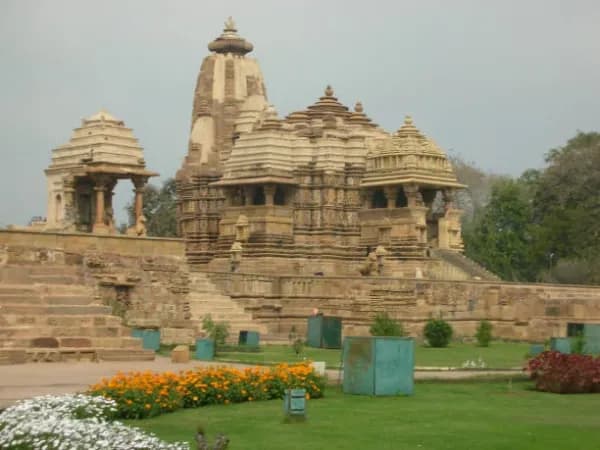
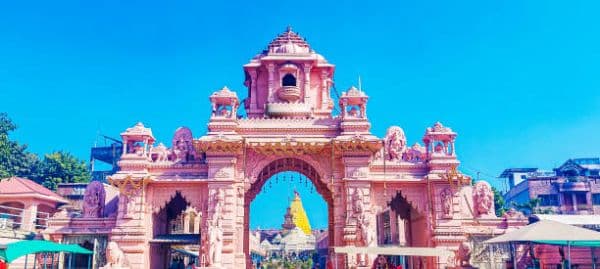
Madhapar and its surroundings boast several attractions that offer a glimpse into the rich history and culture of Gujarat. One of the top landmarks is the Swaminarayan Temple, a stunning example of intricate architecture and spiritual devotion. The temple is a hub of activity, especially during religious festivals, and offers a serene environment for meditation and reflection.
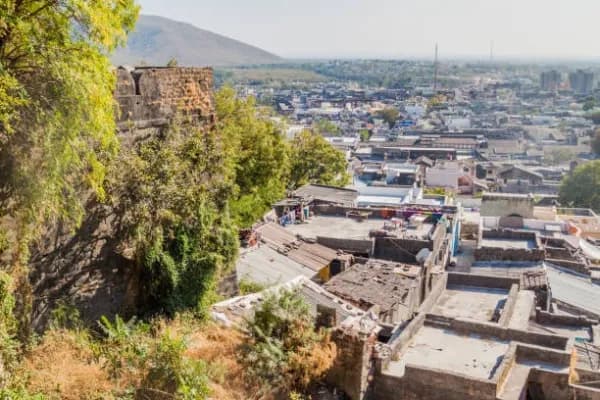
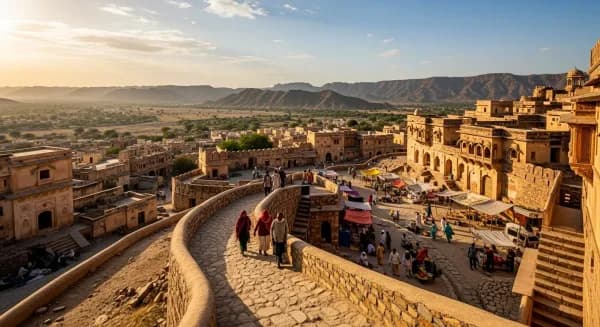
Another notable site is the Bhujia Hill, located just outside Bhuj. This hill is home to the Bhujia Fort, which offers panoramic views of the city and the surrounding landscape. The fort has historical significance, having witnessed numerous battles and serving as a strategic lookout point.
The Aina Mahal, or Palace of Mirrors, in Bhuj, is another must-visit attraction. This 18th-century palace is renowned for its elaborate mirror work and European-style architecture, providing a fascinating insight into the opulent lifestyle of the former rulers of Kutch.
For those interested in the traditional crafts of Gujarat, a visit to the village of Bhujodi is highly recommended. This artisan village is famous for its handwoven textiles and offers workshops where visitors can learn about the intricate processes involved in creating these beautiful fabrics.
Finally, the Prag Mahal, located next to the Aina Mahal, is a striking example of Italian Gothic architecture. The palace's grand durbar hall and clock tower are major attractions, offering a glimpse into the colonial influences that have shaped the region.
Nearby places worth adding to your itinerary.