Ao Nam Mao
Explore stays
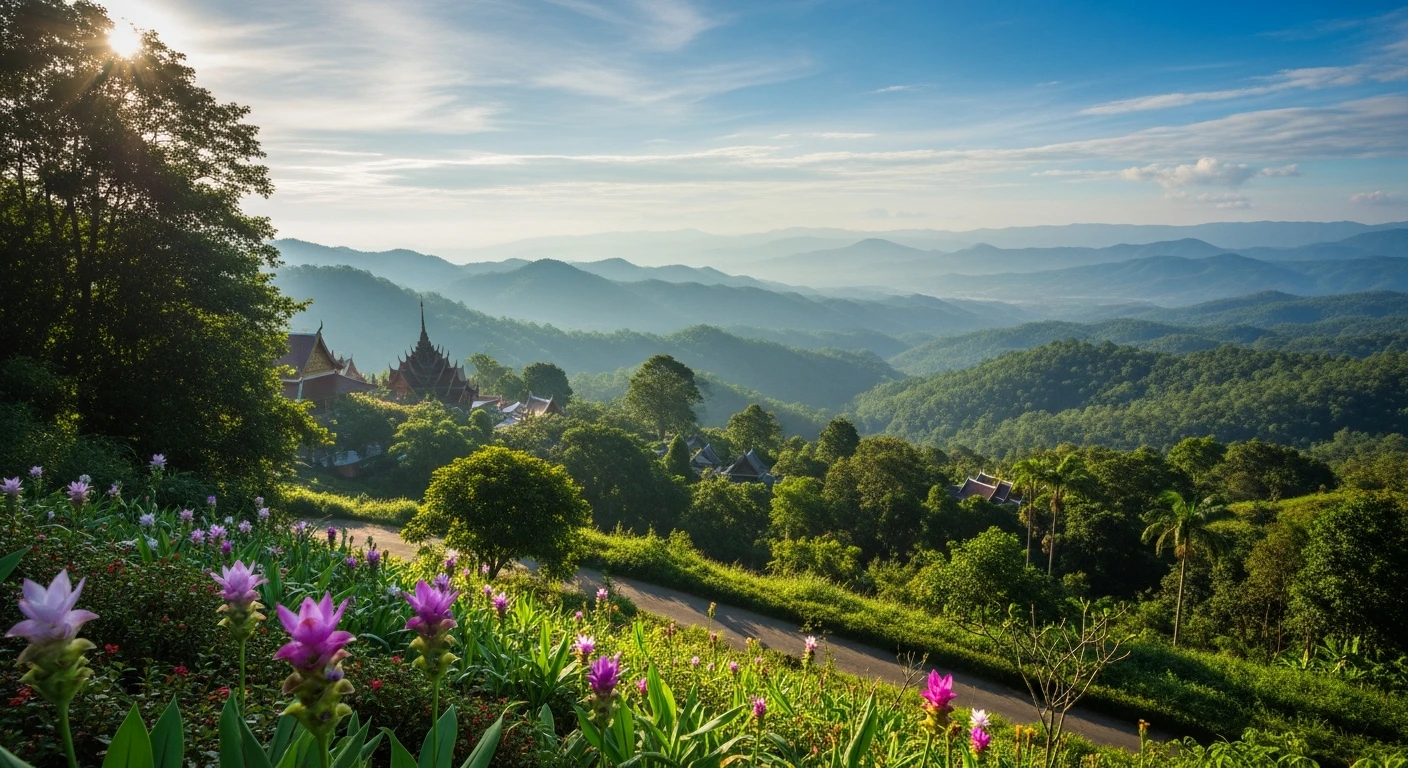
Mae Fa Luang is a picturesque district located in the northern province of Chiang Rai, Thailand. Nestled amidst lush green mountains and vibrant cultural landscapes, this area is not just a travel destination but a historical tapestry woven with the narratives of various ethnic communities, particularly the Akha, Lahu, and Karen tribes.
The name Mae Fa Luang translates to ‘the mother of heavenly flowers,’ a fitting title for this serene locale known for its stunning natural beauty and floral diversity. The area was historically significant as a refuge for various hill tribe communities, especially during the tumultuous times of the opium trade in the 20th century. The Royal Project, initiated in the 1960s by the late King Bhumibol Adulyadej, played a crucial role in transforming the socio-economic fabric of the region by promoting alternative crops, thus reducing opium cultivation.
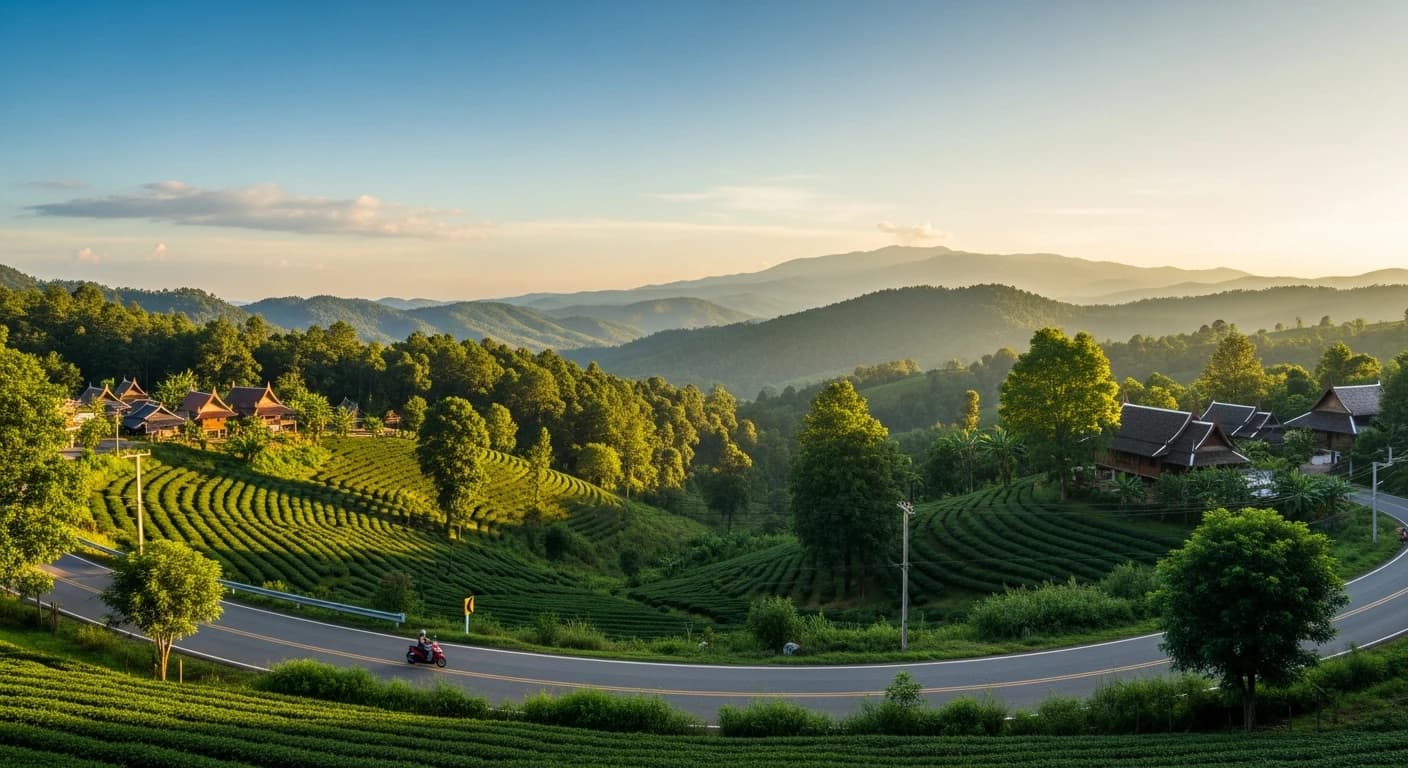
Geographically, Mae Fa Luang is characterized by its mountainous terrain, interspersed with valleys and rivers. The region is a haven for nature lovers and trekkers, offering breathtaking views and a tranquil atmosphere. The vibe here is deeply rooted in community and tradition, with local markets bustling with artisans and farmers selling handcrafted products and organic produce. The district serves as a gateway to explore the rich cultural heritage and natural wonders of Chiang Rai, making it an ideal spot for those seeking an authentic Thai experience.
When it comes to accommodation in Mae Fa Luang, there are options to suit every budget and preference. For those seeking luxury, the Mae Fah Luang Art and Cultural Park offers comfortable stays with scenic views, showcasing the art and culture of the region. Here, visitors can indulge in spa treatments and gourmet dining, all while being enveloped in the serene ambiance of the park.
On the other end of the spectrum, budget travelers will find numerous guesthouses and homestays scattered throughout the area. Places like the Phu Fa Resort provide affordable yet cozy accommodations with basic amenities, often run by local families who are eager to share their stories and insights about the region. The proximity to local markets and attractions makes these budget options both practical and enriching.
Getting around Mae Fa Luang is an experience in itself. While many visitors opt for private taxis or rental cars, a truly local way to navigate the area is through the use of songthaews, which are shared taxis that operate on set routes. They are a cost-effective means of transport and provide a glimpse into daily life in Chiang Rai.
For the more adventurous, renting a motorbike allows for greater freedom to explore the stunning countryside and hidden gems at one’s own pace. Bicycles are also available for rent, making it easy to traverse the scenic trails that wind through the lush landscapes.
Mae Fa Luang serves as a perfect base for exploring several hidden gems in the vicinity. One such excursion is a visit to the nearby Doi Tung, home to the royal villa and beautiful gardens that showcase a variety of flora and fauna. The gardens are a testament to the late King’s vision for sustainable agriculture and local development.
Another must-visit is the Golden Triangle, where the borders of Thailand, Laos, and Myanmar converge. This area is steeped in history and offers unique cultural experiences, including boat rides on the Mekong River. For those interested in trekking, the lush jungles surrounding Mae Fa Luang offer numerous trails that lead to breathtaking viewpoints and waterfalls.
When planning a visit to Mae Fa Luang, timing is crucial to ensure the best experience. The ideal time to visit is from November to February when the weather is cool and dry. During these months, temperatures range from 15 to 25 degrees Celsius, making it perfect for outdoor activities and exploration.
March to May sees temperatures rising, often exceeding 30 degrees Celsius, which can be uncomfortable for some travelers. The rainy season from June to October can bring heavy downpours, but this is also the time when the landscape flourishes in vibrant greenery, offering a different kind of beauty for adventurous souls.
The weather in Mae Fa Luang varies significantly throughout the year. In January, temperatures are at their lowest, averaging around 15 degrees Celsius, making it a popular time for visitors. February sees a gradual rise in temperature, reaching about 20 degrees Celsius.
As spring approaches in March, temperatures can soar to 30 degrees Celsius, continuing through April. By May, the onset of the rainy season begins, bringing much-needed relief and lush landscapes. The rains are typically heavy but short-lived, clearing up to reveal stunning vistas. From June to October, expect cooler temperatures again, particularly in the evenings, with average temperatures around 20 degrees Celsius, creating a refreshing atmosphere.
Culturally, Mae Fa Luang is vibrant and diverse, with festivals celebrating the rich traditions of the hill tribes. The most notable event is the Doi Tung Festival, held annually to commemorate the late King’s contributions. The festival features traditional dances, local crafts, and culinary delights, providing visitors with an immersive experience of the local culture.
The people of Mae Fa Luang are known for their warmth and hospitality, often welcoming visitors into their homes and sharing stories of their heritage. Etiquette is key when interacting with locals: it’s customary to greet with a traditional ‘wai’ and to dress modestly, especially when visiting temples or participating in local events.
No visit to Mae Fa Luang would be complete without indulging in the local cuisine. Signature dishes include Khao Soi, a rich coconut curry noodle soup, and Sai Oua, a spicy sausage made from minced pork and herbs. These dishes have deep roots in the region's culinary history, influenced by both Thai and ethnic minority flavors.
Street food is abundant in local markets, where one can find grilled meats, fresh spring rolls, and a variety of sticky rice desserts. Each meal is often accompanied by fresh herbs and vegetables, emphasizing the region’s commitment to organic and sustainable agriculture.
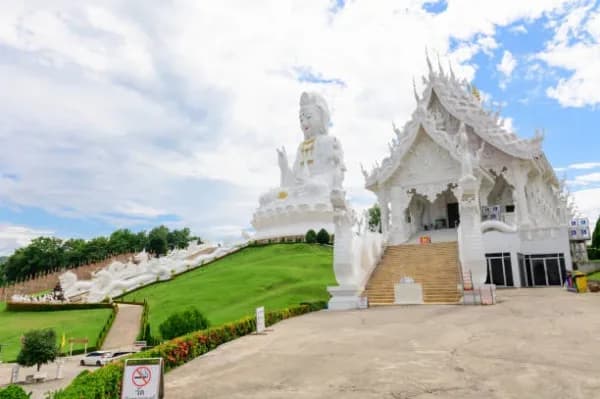
Mae Fa Luang is home to several noteworthy attractions that reflect its cultural and natural richness. The Mae Fah Luang Art and Cultural Park is a premier destination, showcasing traditional Lanna architecture and offering insights into the region's history through art exhibitions and performances.
The Royal Villa at Doi Tung is another highlight, where visitors can explore the former residence of the Princess Mother, surrounded by meticulously landscaped gardens that change with the seasons. The unique architecture and serene atmosphere make it a peaceful retreat.
The Wat Phra That Doi Tung temple is a must-visit for its stunning views and spiritual significance. The temple houses a revered relic and attracts pilgrims from across Thailand. Visitors can participate in traditional ceremonies and enjoy panoramic views of the surrounding valleys.
For nature enthusiasts, the Phu Chi Fa Forest Park offers incredible hiking trails, leading to breathtaking viewpoints over the misty hills. This area is particularly popular at sunrise, where the early morning fog creates a magical landscape.
Lastly, the local markets, such as the Mae Fa Luang Market, provide an opportunity to immerse oneself in the local lifestyle, with vendors selling handicrafts, organic produce, and traditional snacks. The vibrant atmosphere and the chance to interact with locals make this a highlight for many travelers.
Nearby places worth adding to your itinerary.
Top stays in Mae Fa Luang picked for comfort, value, and great guest reviews.
Local guide picks to help you explore Mae Fa Luang better.