
Belle Mare
Explore stays
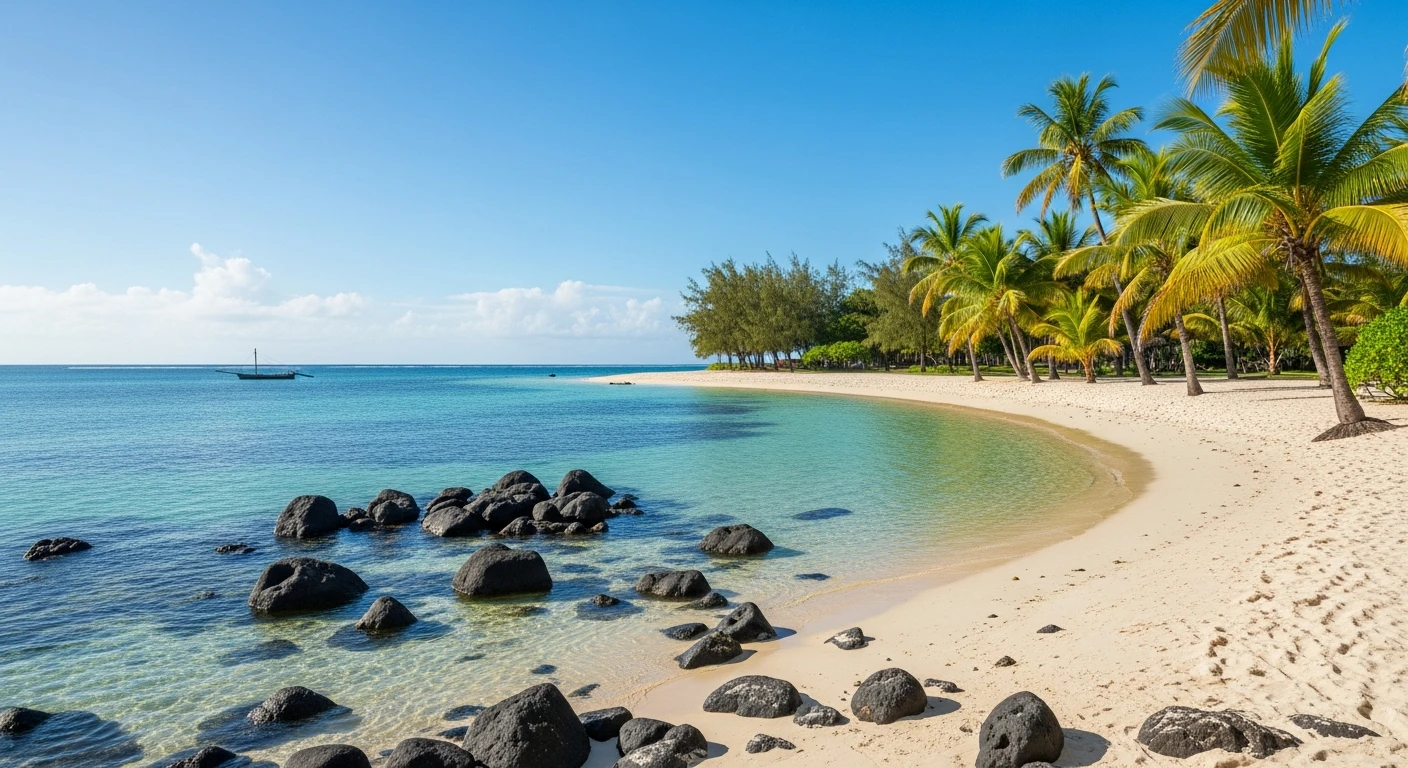
Mauritius North, a captivating region of the island nation of Mauritius, is a tapestry of rich history, diverse geography, and a vibrant atmosphere. Nestled in the Indian Ocean, Mauritius itself is a melting pot of cultures, having been a strategic location for colonial powers over the centuries. The North, with its beautiful beaches and bustling towns, reflects this history through its architecture and cultural diversity.
Geographically, the North is characterized by its stunning coastline, dotted with pristine beaches and coral reefs, making it a haven for water sports enthusiasts. Inland, you'll find lush sugarcane fields and quaint villages that offer a glimpse into the traditional Mauritian way of life. The vibe is a blend of laid-back island life and lively urban energy, especially in areas like Grand Baie, known for its nightlife and shopping.
Historically, the North of Mauritius has seen influences from Dutch, French, and British colonizers, each leaving their mark on the culture, language, and architecture. Today, it stands as a testament to the harmonious blend of these influences, offering a unique experience to visitors.
When it comes to accommodation, Mauritius North offers a range of options to suit every budget. For luxury seekers, the coastal area of Grand Baie is home to several high-end resorts and boutique hotels. These establishments provide world-class amenities and stunning views of the Indian Ocean, ensuring a memorable stay.
For budget travelers, the towns of Pereybere and Trou aux Biches offer affordable guesthouses and self-catering apartments. These areas are perfect for those looking to experience local life while keeping costs down. Regardless of where you choose to stay, the warm hospitality of the Mauritian people will make you feel right at home.
Navigating Mauritius North is a breeze, thanks to its well-connected transportation network. Buses are the most common and affordable mode of transport, with frequent services linking major towns and attractions. For a more personal experience, renting a car or scooter is a popular choice, offering the freedom to explore at your own pace.
Taxis are widely available, but it's advisable to agree on a fare before starting your journey. For short distances, bicycles are a great eco-friendly option, allowing you to soak in the scenic beauty of the region. Embrace the local way of life by using public transport and interacting with the friendly locals.
Beyond the popular beaches, Mauritius North is home to several hidden gems waiting to be discovered. One such gem is the Pamplemousses Botanical Garden, a historic site featuring a vast collection of indigenous and exotic plants. The garden's giant water lilies and talipot palms are a sight to behold.
Another must-visit is the quaint village of Cap Malheureux, known for its picturesque red-roofed church and stunning views of the Coin de Mire island. For adventure seekers, a trip to the Labourdonnais Orchards offers a chance to explore tropical fruit plantations and sample fresh produce.
The best time to visit Mauritius North depends on your preferences. The island enjoys a tropical climate, with warm temperatures year-round. The peak tourist season runs from May to December, when the weather is cool and dry, making it ideal for outdoor activities and beach relaxation.
For those seeking a quieter experience, visiting between January and April is recommended. Although this period coincides with the cyclone season, the occasional rain showers are often brief and followed by sunshine. This time of year also offers the opportunity to experience local festivals and cultural events.
Mauritius North experiences a tropical maritime climate, characterized by warm temperatures and moderate humidity. January and February are the warmest months, with temperatures averaging 30°C (86°F). The weather remains warm from March to May, with occasional rain showers.
June to September is the coolest period, with temperatures ranging from 20°C to 25°C (68°F to 77°F). October and November see a gradual increase in temperature, making it a pleasant time to visit. December marks the start of the summer season, bringing warmer temperatures and higher humidity.
The cultural tapestry of Mauritius North is as diverse as its history. The region is home to a mix of ethnicities, including Indian, African, Chinese, and European influences, each contributing to the vibrant cultural scene. This diversity is celebrated through various festivals and events held throughout the year.
One of the most significant festivals is Maha Shivaratri, a Hindu pilgrimage attracting devotees from across the island. The Chinese Spring Festival and Eid al-Fitr are also celebrated with great enthusiasm, showcasing the island's multicultural spirit.
Etiquette in Mauritius is rooted in respect and hospitality. Visitors are encouraged to dress modestly when visiting religious sites and to greet locals with a friendly "Bonjour" or "Namaste." Understanding and respecting local customs will enhance your experience in Mauritius North.
Mauritian cuisine is a delightful fusion of flavors, reflecting the island's multicultural heritage. A must-try dish is "dholl puri," a flatbread filled with yellow split peas, typically served with curry and pickles. Another local favorite is "rougaille," a Creole dish made with tomatoes, onions, and spices, often served with fish or chicken.
Seafood lovers will relish the fresh catch of the day, with dishes like "vindaye," a tangy fish curry, and "octopus salad" being popular choices. Don't miss the opportunity to sample "alouda," a refreshing milk-based drink flavored with vanilla and basil seeds, perfect for cooling down on a warm day.
Mauritius North is brimming with attractions that cater to a variety of interests. The bustling town of Grand Baie is a hub for shopping, dining, and nightlife, offering a vibrant atmosphere for visitors. Nearby, the Mont Choisy Beach is a serene stretch of golden sand, ideal for sunbathing and water sports.
For history enthusiasts, the Aapravasi Ghat in Port Louis is a UNESCO World Heritage Site that tells the story of indentured laborers who arrived in Mauritius in the 19th century. The site offers a poignant glimpse into the island's colonial past.
Nature lovers will appreciate the Black River Gorges National Park, a sprawling reserve home to diverse flora and fauna. The park's hiking trails offer breathtaking views of the island's rugged landscape. Finally, the historic Château de Labourdonnais is a beautifully restored colonial mansion offering guided tours and rum tastings, providing insight into the island's plantation history.
Nearby places worth adding to your itinerary.