Aalniya
Explore stays
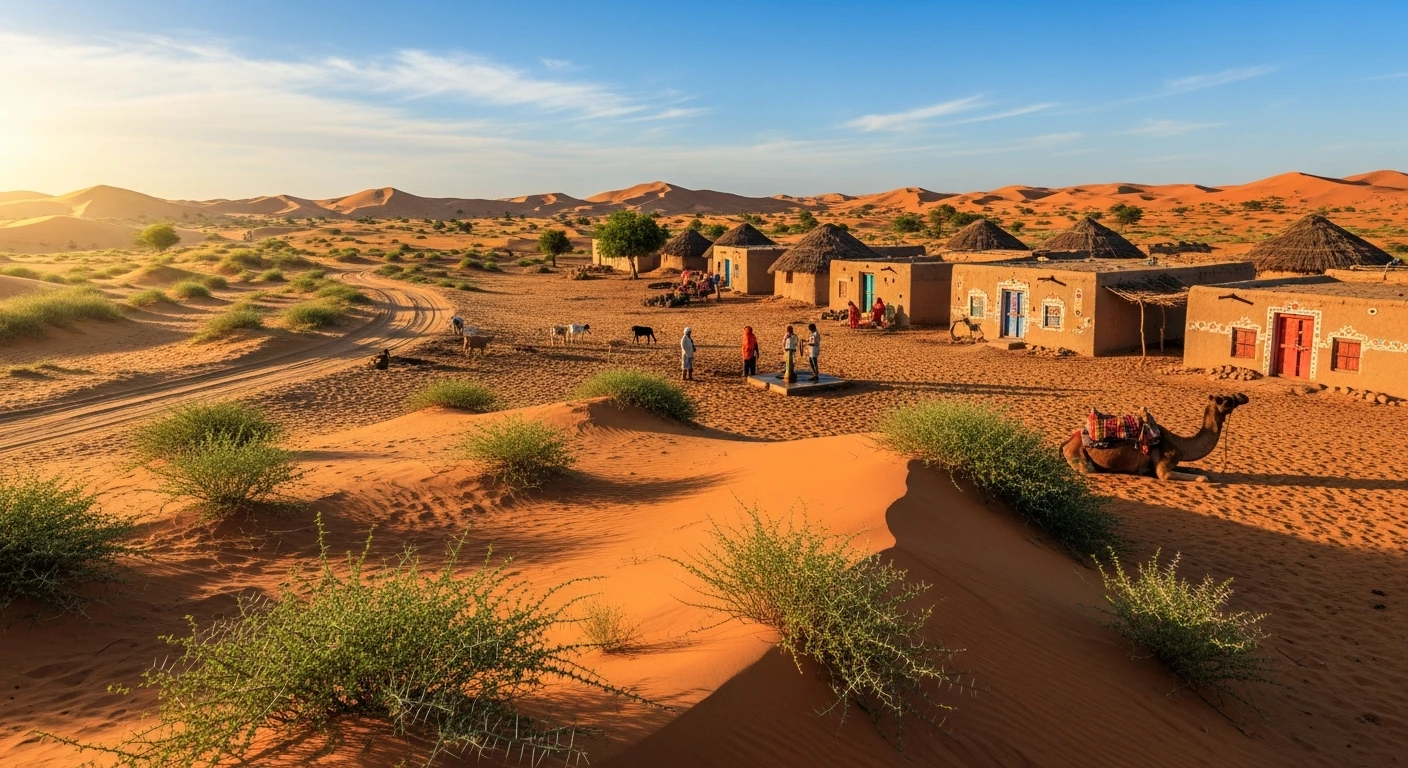
Munabao, a small yet historically significant village in the Barmer district of Rajasthan, lies on the border between India and Pakistan. This remote settlement is an intriguing blend of history, culture, and geography, offering a unique glimpse into the life of Rajasthan's desert communities. Munabao is primarily known for its strategic location as the last Indian railway station on the western frontier, serving as a gateway for the Thar Express to Pakistan.
The geography of Munabao is characterized by the arid expanse of the Thar Desert, with its undulating sand dunes and sparse vegetation painting a stark yet mesmerizing landscape. The village's vibe is one of tranquility and simplicity, where the rhythm of life is dictated by the harsh desert climate. Despite its remote location, Munabao has seen its share of historical moments, particularly during the wars between India and Pakistan, when it served as a crucial military post.
Today, Munabao stands as a testament to resilience and adaptation, where the local communities have thrived in harmony with their challenging environment. The village offers a rare opportunity for travelers to experience the untouched beauty of Rajasthan's desert and the warmth of its inhabitants.
Accommodation in Munabao is limited, reflecting its status as a lesser-known travel destination. However, the nearby town of Barmer, approximately 120 kilometers away, offers a range of options for travelers. From luxury hotels that provide a taste of Rajasthan's royal heritage to budget-friendly guesthouses, Barmer caters to diverse preferences.
For those seeking luxury, hotels like Sanchal Fort offer an opulent stay with traditional Rajasthani architecture and modern amenities. Budget travelers can opt for local guesthouses or homestays, which provide an authentic experience of Rajasthani hospitality. Staying in Barmer allows visitors to explore Munabao as a day trip while enjoying comfortable accommodations.
Getting around Munabao requires a bit of planning, given its remote location. The village is accessible by train, with the Munabao railway station being the last stop on the Indian side of the Thar Express route. From Barmer, travelers can hire taxis or take local buses to reach Munabao, a journey that offers scenic views of Rajasthan's desert landscape.
Once in Munabao, the best way to explore is on foot or by hiring a local guide who can provide insights into the village's history and culture. For those looking to venture further into the desert, camel rides are a popular option, offering an authentic experience of Rajasthan's traditional mode of transportation.
While Munabao itself is a fascinating destination, the surrounding region offers several hidden gems worth exploring. The nearby town of Barmer is known for its vibrant handicrafts, including wood carvings and traditional Rajasthani embroidery, making it a perfect spot for souvenir shopping.
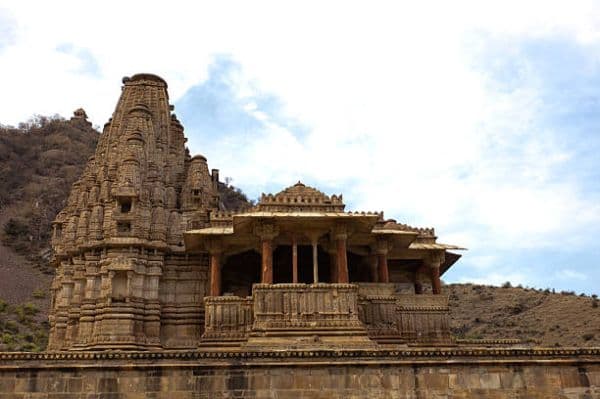
Another must-visit is the Kiradu Temples, located about 35 kilometers from Barmer. These ancient temples, dating back to the 11th century, are renowned for their intricate stone carvings and are often referred to as the 'Khajuraho of Rajasthan.' The ruins are steeped in mystery and legend, offering a captivating excursion for history enthusiasts.
For nature lovers, the Mahabar Sand Dunes near Barmer provide an opportunity to experience the serene beauty of the Thar Desert, with activities such as dune bashing and camel safaris available.
Rajasthan's desert climate makes timing an essential factor in planning a visit to Munabao. The best time to explore this region is from October to March, when the weather is cooler and more comfortable for outdoor activities.
During these months, daytime temperatures range between 10°C to 25°C, making it ideal for sightseeing and excursions. The cooler nights provide a pleasant contrast to the daytime warmth, perfect for enjoying Rajasthan's vibrant cultural events and festivals.
Munabao experiences extreme desert weather, with scorching summers and chilly winters. From April to June, temperatures can soar above 45°C, making it less favorable for travel.
The monsoon season, from July to September, brings some relief with sporadic rainfall, although the humidity remains high. Winter, from November to February, is characterized by mild days and cold nights, with temperatures dropping to around 5°C at night, offering a comfortable climate for exploration.
The culture of Munabao is deeply rooted in the traditions of Rajasthan, with a strong emphasis on hospitality and community. The village is home to a mix of communities, including Rajputs, Jats, and Bishnois, each contributing to the region's rich cultural tapestry.
Festivals play a significant role in the social life of Munabao, with celebrations like Diwali, Holi, and the Desert Festival showcasing the vibrant colors and music of Rajasthan. Visitors are often welcomed to participate in these festivities, providing a unique insight into the local way of life.
Etiquette is important in Munabao, where respect for elders and traditional customs is deeply ingrained. Visitors are encouraged to dress modestly and follow local norms, ensuring a respectful and enriching experience.
The culinary scene in Munabao reflects the flavors of Rajasthan, with a focus on hearty and spicy dishes that cater to the desert climate. Must-try dishes include Dal Baati Churma, a traditional Rajasthani meal consisting of lentils, baked wheat balls, and sweetened cereal.
Ker Sangri, a unique dish made from desert beans and berries, is another local specialty, offering a taste of Rajasthan's innovative use of available ingredients. For those with a sweet tooth, Ghewar, a honeycomb-like dessert, is a delightful treat.
Munabao may not be a mainstream tourist destination, but it offers several attractions that capture the essence of Rajasthan's history and culture. The Munabao Railway Station itself is a landmark, symbolizing the village's strategic importance and serving as the last Indian stop on the Thar Express route.
The nearby Barmer Fort, though in ruins, provides a glimpse into the region's historical significance and offers panoramic views of the surrounding desert landscape. The fort's architecture reflects the grandeur of Rajasthan's past, making it a must-visit for history buffs.
The Jain Temples of Barmer, known for their exquisite carvings and serene ambiance, offer a spiritual retreat for visitors. These temples are a testament to the rich religious heritage of Rajasthan, attracting pilgrims and tourists alike.
For art enthusiasts, the Barmer Handicrafts Market is a treasure trove of traditional Rajasthani crafts, including pottery, textiles, and jewelry. The market is a vibrant hub of local artisans, providing an opportunity to purchase unique souvenirs and support the local economy.
Finally, the Mahabar Sand Dunes offer a natural attraction for those seeking adventure and the beauty of Rajasthan's desert. Activities such as camel safaris and dune bashing provide an exhilarating experience, set against the backdrop of stunning desert sunsets.
Nearby places worth adding to your itinerary.