Antigua and Barbuda
Explore stays
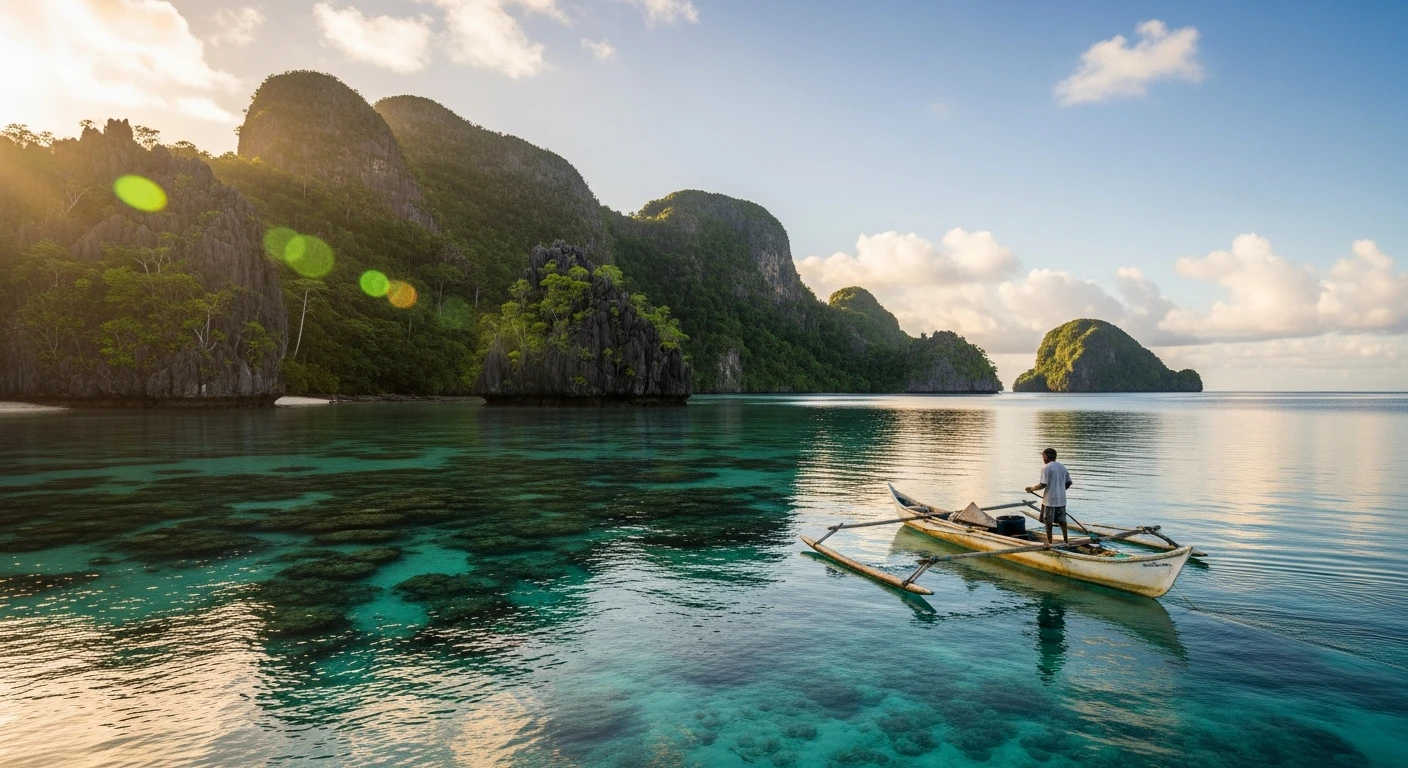
Nestled in the heart of the Pacific Ocean, New Caledonia is a French territory that offers a unique blend of cultures, stunning landscapes, and a rich history. Discovered by Captain James Cook in 1774, the archipelago was named after Scotland, known as Caledonia in Latin, due to its mountainous terrain. The territory became a French colony in 1853, and today it is a special collectivity of France, offering a fascinating mix of French and Melanesian Kanak cultures.
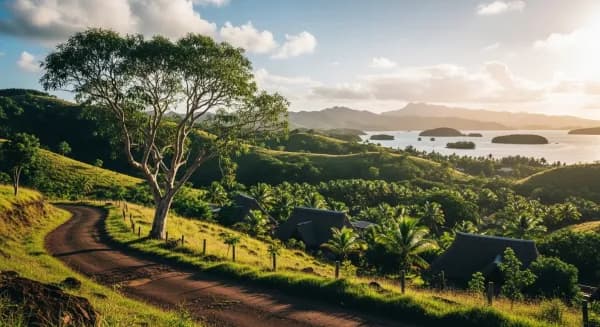
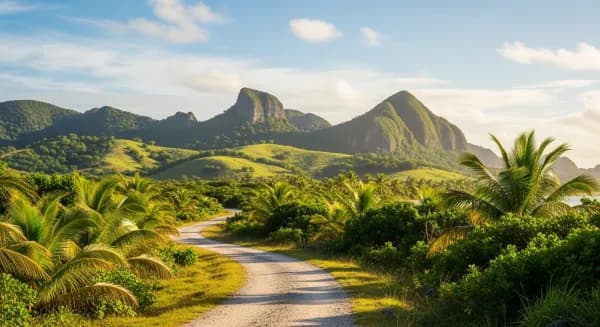
Geographically, New Caledonia is composed of the main island, Grande Terre, the Loyalty Islands, the Isle of Pines, and several smaller islands. Grande Terre is the largest island, characterized by its mountainous spine, lush rainforests, and expansive plains. The capital city, Nouméa, located on the southwest coast of Grande Terre, is a vibrant hub offering a cosmopolitan vibe with its French cafes, boutiques, and bustling markets.
The vibe in New Caledonia is a harmonious blend of tranquility and adventure. Visitors can experience the serene beauty of its lagoons, which are part of a UNESCO World Heritage site, while also engaging in activities like diving, hiking, and exploring the rich cultural tapestry of the indigenous Kanak people. The region's diverse ecosystems, from coral reefs to dense forests, make it a paradise for nature lovers and adventure seekers alike.
New Caledonia offers a diverse range of accommodations to suit every traveler's needs. For those seeking luxury, Nouméa is home to several high-end resorts and hotels, such as the Le Méridien Nouméa Resort & Spa, which offers stunning lagoon views and world-class amenities. The Isle of Pines is another luxurious destination, known for its exclusive resorts like the Le Méridien Ile des Pins, set amidst pristine beaches and turquoise waters.
For budget travelers, the capital city also offers a variety of affordable options. Backpacker hostels and budget hotels can be found in areas like Anse Vata and Baie des Citrons, where visitors can enjoy vibrant nightlife and easy access to the beach. Additionally, camping is a popular choice for those wanting to immerse themselves in the natural beauty of the islands, with designated campsites available in several locations across Grande Terre and the Loyalty Islands.
Getting around New Caledonia is relatively straightforward, with several transportation options available. In Nouméa, the local bus service, Karuïa Bus, is an affordable and convenient way to explore the city and its suburbs. The buses are modern and well-maintained, making it easy for visitors to navigate like a local.
For those looking to explore beyond the city, renting a car is a popular option. The roads in New Caledonia are generally in good condition, and driving offers the freedom to explore at your own pace. Additionally, domestic flights operated by Air Calédonie connect the main island to the Loyalty Islands and the Isle of Pines, making it easy to island-hop and discover the hidden gems of the archipelago.
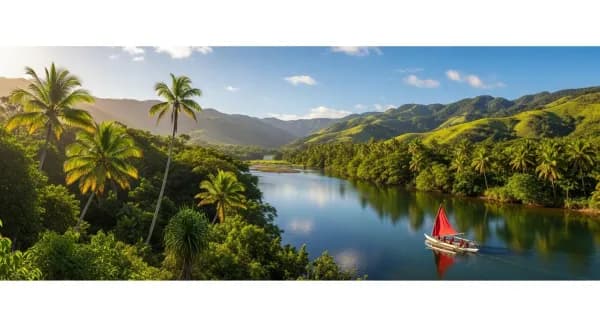
New Caledonia is rich with hidden gems waiting to be discovered. One such gem is the Blue River Provincial Park, located in the southern part of Grande Terre. This park is a haven for nature enthusiasts, offering hiking trails through lush rainforests, opportunities to spot native wildlife, and the chance to see the iconic drowned forest, a surreal landscape of submerged trees.
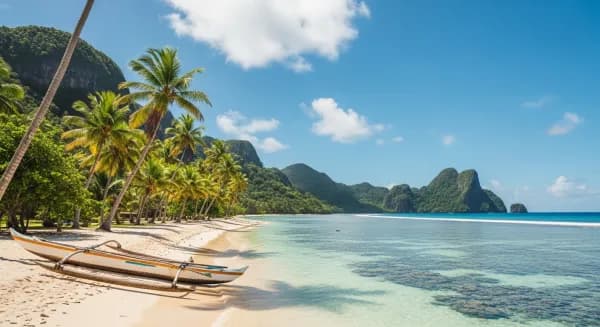
The Loyalty Islands, comprising Lifou, Maré, and Ouvéa, offer a more off-the-beaten-path experience. Lifou is known for its stunning cliffs and hidden caves, while Maré boasts beautiful beaches and cultural experiences with the local Kanak communities. Ouvéa, often referred to as the closest island to paradise, is famous for its long stretches of white sand and crystal-clear waters.
The best time to visit New Caledonia depends on what you want to experience. The dry season, from May to November, is considered the ideal time for outdoor activities and beach relaxation. During this period, temperatures are pleasant, ranging from 20°C to 26°C (68°F to 79°F), and rainfall is minimal.
The wet season, from December to April, brings warmer temperatures and higher humidity, with occasional tropical storms. While this period may not be ideal for beachgoers, it offers lush landscapes and vibrant cultural festivals, providing a unique and enriching experience for visitors.
New Caledonia experiences a tropical climate, with distinct wet and dry seasons. January and February are the warmest months, with temperatures often reaching 30°C (86°F), accompanied by high humidity and frequent rain showers.
March to May sees a gradual decrease in rainfall, with temperatures remaining warm, making it a good time for outdoor adventures. From June to August, the weather is cooler and drier, with July being the coolest month, averaging around 20°C (68°F).
September to November marks the transition from dry to wet season, with temperatures rising and rainfall increasing, offering a pleasant climate for exploring both cultural and natural attractions.
New Caledonia is a melting pot of cultures, with the indigenous Kanak people making up a significant portion of the population. The Kanak culture is deeply rooted in respect for nature and community, with traditional practices and ceremonies still playing a vital role in daily life.
Festivals are an important aspect of cultural life in New Caledonia. The Yam Festival, celebrated in March, marks the harvest of yams, a staple food, and is a time of feasting and traditional dances. The Biennale of Contemporary Arts is another significant event, showcasing the vibrant art scene of the region.
Understanding local etiquette is crucial when visiting New Caledonia. It is customary to greet with a handshake or a light kiss on the cheek, and visitors should always ask for permission before taking photographs of people or culturally significant sites.
The culinary scene in New Caledonia is a delightful fusion of French and Melanesian influences. A must-try dish is Bougna, a traditional Melanesian meal made with chicken, fish, or seafood, wrapped in banana leaves and slow-cooked over hot stones.
French cuisine is also prevalent, with fresh baguettes, croissants, and pastries readily available, reflecting the territory's colonial heritage. Seafood lovers will enjoy the abundance of fresh fish and shellfish, often prepared with a French twist, such as poisson cru, a Tahitian-style raw fish salad marinated in coconut milk and lime juice.
New Caledonia boasts a wealth of attractions, each offering a unique glimpse into the region's natural beauty and cultural heritage. The Tjibaou Cultural Center in Nouméa is a must-visit, designed by renowned architect Renzo Piano. This center celebrates Kanak culture through its exhibitions, performances, and stunning architecture, inspired by traditional Kanak huts.
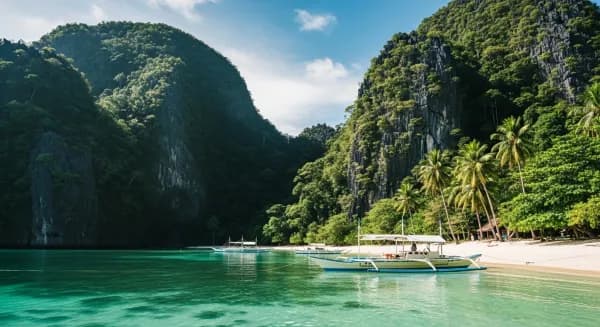
The UNESCO-listed Lagoons of New Caledonia are another highlight, offering some of the world's most pristine coral reefs and marine life. Snorkeling and diving enthusiasts will find themselves in paradise, exploring vibrant underwater ecosystems teeming with colorful fish and corals.
The Isle of Pines, often referred to as "l'île la plus proche du paradis" (the island closest to paradise), is famous for its stunning beaches and towering Araucaria pines. Visitors can relax on the soft sands of Kuto Bay or explore the island's rich history, including the ruins of a penal colony.
For a taste of local life, the Nouméa Market is a bustling hub where visitors can sample local produce, crafts, and delicacies. It's the perfect spot to immerse yourself in the vibrant atmosphere and pick up souvenirs.
Finally, the Heart of Voh, a natural heart-shaped mangrove formation, offers a unique perspective on the region's landscape. Visible from the air, it has become an iconic symbol of New Caledonia's natural beauty and is best viewed via a scenic flight.
Nearby places worth adding to your itinerary.
Top stays in New Caledonia picked for comfort, value, and great guest reviews.