Belize
Explore stays
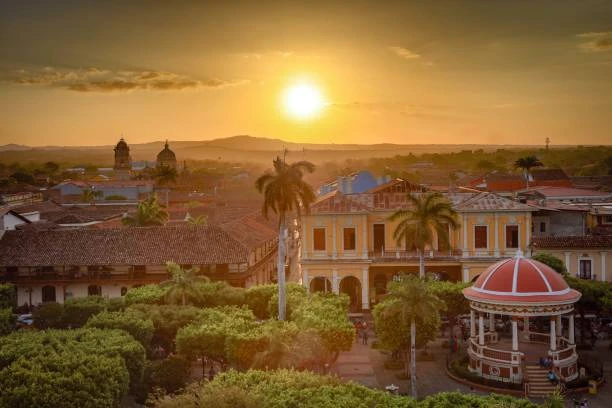
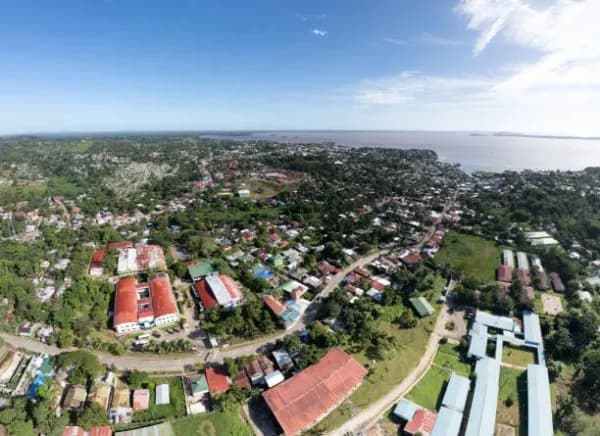
Nicaragua, the largest country in Central America, is a captivating destination rich in history, culture, and breathtaking landscapes. Its strategic location between the Pacific Ocean and the Caribbean Sea has shaped its history, marked by indigenous civilizations, colonial conquests, and revolutionary movements. The country is home to an array of geographical features, including the stunning Lake Nicaragua, the volcanic landscapes of the Masaya and Mombacho volcanoes, and the lush rainforests of the Indio Maíz Biological Reserve.
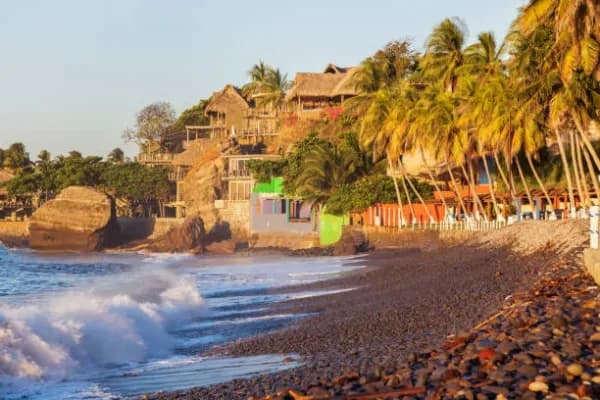
The vibe in Nicaragua is a unique blend of traditional and modern influences. Colonial towns like Granada and León boast vibrant colors, cobbled streets, and colonial architecture, while surf towns like San Juan del Sur offer a laid-back beach atmosphere. Locals, known for their warmth and hospitality, often greet visitors with a smile, reflecting the country's spirit of 'Pura Vida'. Nicaragua's rich cultural tapestry is woven from indigenous traditions, Spanish colonial history, and Afro-Caribbean influences, making it a fascinating country to explore.
Nicaragua offers a wide range of accommodation options to suit various budgets and preferences. In cities like Granada and León, travelers can find luxury boutique hotels featuring colonial architecture, upscale amenities, and stunning views of volcanoes. For example, Hotel Plaza Colon in Granada provides a luxurious experience with a pool and gourmet restaurant, while still being close to the vibrant central park.
For budget travelers, hostels and guesthouses are abundant. In León, places like Bigfoot Hostel offer a friendly atmosphere and affordable rates. Alternatively, eco-lodges in rural areas allow visitors to immerse themselves in nature while enjoying comfort at a reasonable price. Whether you're looking for a lavish escape or a cozy retreat, Nicaragua's accommodation options cater to all.
Getting around Nicaragua can be an adventure in itself. The most popular way to navigate is by using 'chicken buses', brightly painted school buses converted for public transport, which connect towns and cities. These buses are often crowded but are an inexpensive and authentic way to experience local life.
Taxis are widely available and can be flagged down easily. In cities, ride-sharing apps like Uber are also gaining popularity, providing a convenient alternative. For those seeking a more leisurely pace, renting a bike is an excellent way to explore cities like Granada, where bike lanes are becoming more common.
Nicaragua is not just about its cities; it also offers numerous hidden gems for adventurous travelers. One must-visit location is the little-known Apoyo Lagoon, a volcanic crater lake perfect for swimming, kayaking, or simply relaxing by the shore. The area surrounding the lagoon is rich in biodiversity, making it an ideal spot for birdwatching and hiking.
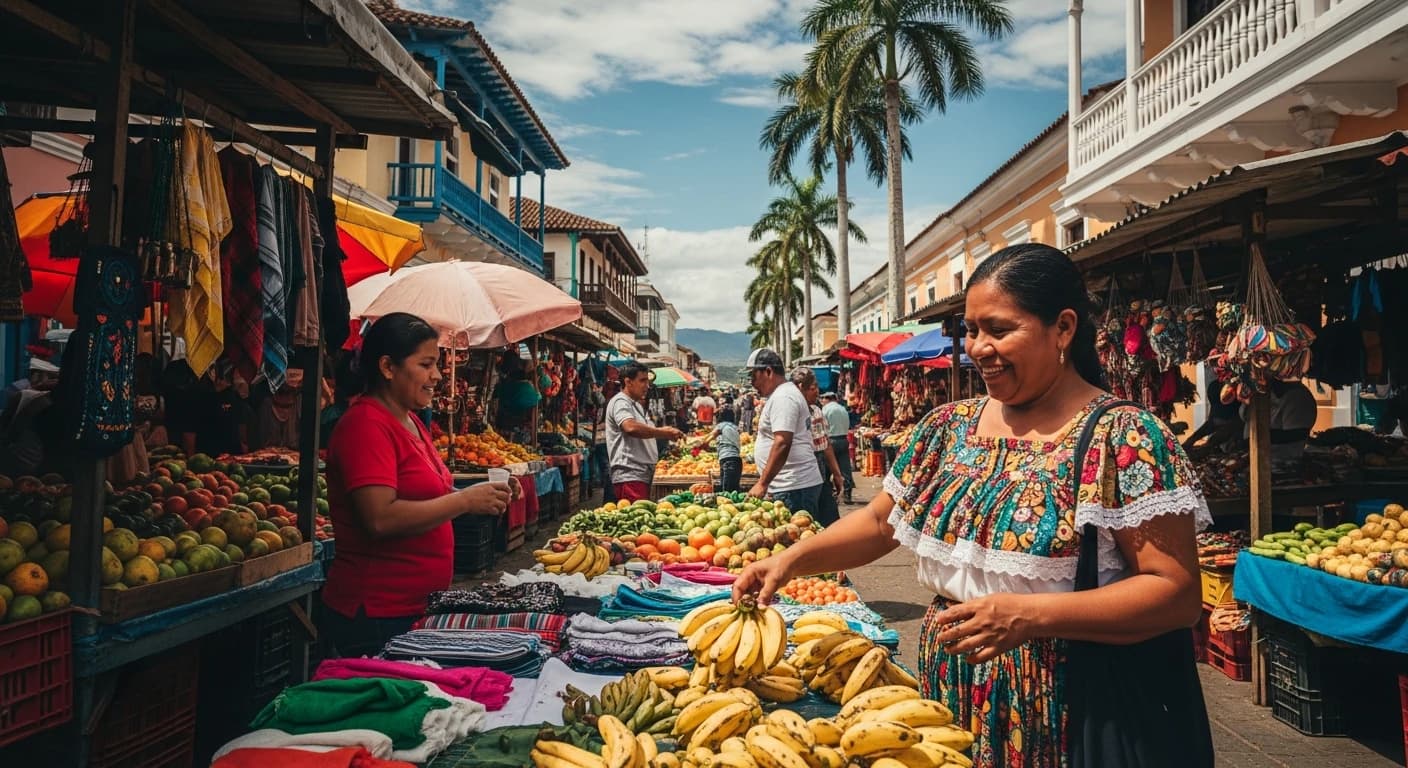
Another hidden treasure is the charming town of Masaya, famous for its vibrant artisan markets and the active Masaya Volcano. Here, visitors can watch the lava flow from a safe vantage point during the day and explore the rich culture of local artisans in the evening.
The best time to visit Nicaragua is during the dry season, which runs from November to April. This period offers warm, sunny days, making it perfect for outdoor activities and exploration. The rainy season, from May to October, brings lush greenery and fewer tourists, but travelers should be prepared for occasional heavy downpours.
For those interested in cultural experiences, the months of August and September are particularly vibrant due to local festivals, offering a unique glimpse into Nicaraguan traditions.
Nicaragua's weather varies by region but generally follows a tropical climate pattern. In January, temperatures hover around 25°C (77°F), making it ideal for travelers escaping colder climates. February and March are the driest months, with temperatures rising, often reaching up to 30°C (86°F).
As the rainy season begins in May, humidity increases, with frequent afternoon showers. July and August bring slightly cooler temperatures but are still warm and humid. By October, temperatures drop slightly, and the rain begins to taper off, leading back into the dry season.
Nicaragua's culture is a vibrant tapestry influenced by indigenous, Spanish, and Afro-Caribbean traditions. The country is known for its lively festivals, such as La Purísima in December, honoring the Virgin Mary with colorful parades, music, and fireworks. The patron saint festivals in León and Granada showcase local traditions through dance, food, and religious processions.
Etiquette is essential in Nicaragua; greetings are warm and often include a handshake or a hug. Visitors should be respectful of local customs, especially in rural areas. Speaking a few words in Spanish can go a long way in building rapport with locals, who take pride in their heritage.
Nicaraguan cuisine is a delightful blend of flavors influenced by indigenous ingredients and Spanish colonial recipes. Must-try dishes include 'gallo pinto', a hearty mix of rice and beans, often served with eggs for breakfast. Another popular dish is 'vigorón', a savory combination of yuca, pork, and cabbage salad, typically enjoyed as a street food.
The culinary history of Nicaragua is rich, with the use of local ingredients like plantains, corn, and seafood from both coasts. Don't miss the chance to sample 'quesillo', a traditional cheese dish served in a tortilla with cream and onion, which embodies the heart of Nicaraguan gastronomy.
Nicaragua is dotted with numerous attractions that captivate visitors. Here are the top five landmarks worth exploring:
This colonial city is often considered the jewel of Nicaragua. With its colorful facades, historic churches, and vibrant culture, Granada epitomizes the charm of Central America. Visitors can explore the Cathedral of Granada, take a boat tour of the islets on Lake Nicaragua, or enjoy a leisurely stroll through Parque Central.
One of the most accessible volcanoes in the country, Masaya Volcano offers visitors a chance to witness its active crater. The park features a visitor center and several hiking trails that showcase the unique flora and fauna of the region. Nighttime visits provide an unforgettable experience as the lava glows against the dark sky.
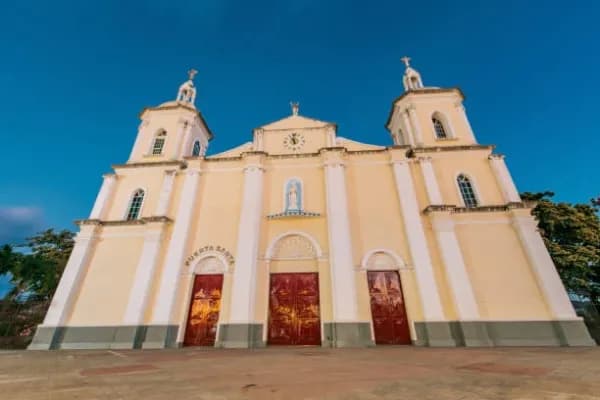
León is known for its revolutionary history and stunning architecture, including the UNESCO-listed Cathedral of León, the largest in Central America. The city is a cultural hub, home to numerous museums and galleries that celebrate Nicaragua's artistic heritage.
Formed by two volcanoes, Ometepe Island is a UNESCO Biosphere Reserve renowned for its biodiversity and stunning landscapes. Visitors can hike to the summit of Volcán Concepción or explore ancient petroglyphs that reveal the island's rich history.
This laid-back beach town is famous for its surfing, vibrant nightlife, and stunning sunsets. With a variety of beachfront bars and restaurants, San Juan del Sur is the perfect spot to unwind after a day of adventure, making it a must-visit for beach lovers.
Nearby places worth adding to your itinerary.
Top stays in Nicaragua picked for comfort, value, and great guest reviews.
Local guide picks to help you explore Nicaragua better.