Ban Nangoy
Explore stays
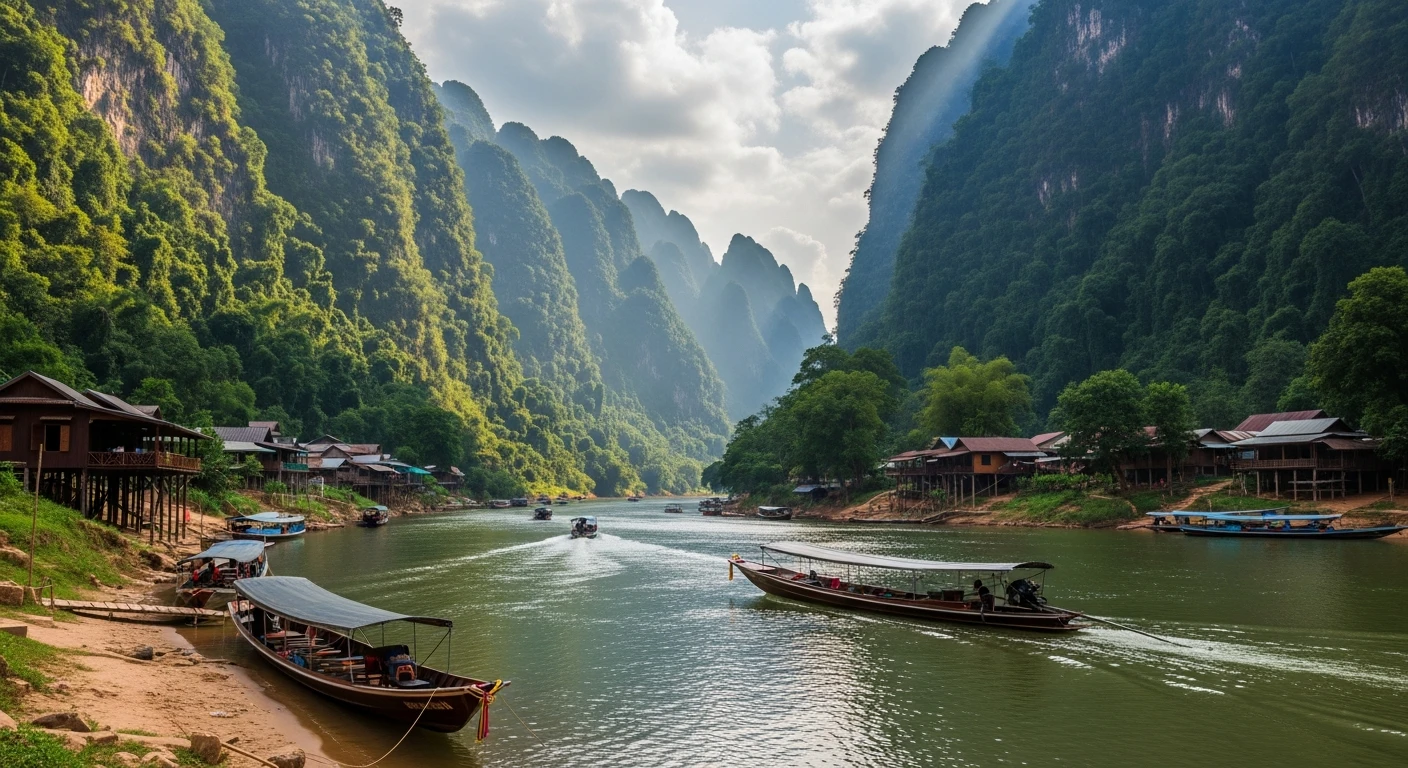
Nongkhiaw, nestled in the heart of Luang Prabang province, is a serene village that offers a gateway to the rugged beauty of northern Laos. With its dramatic limestone mountains and tranquil river views, Nongkhiaw is a haven for those seeking both adventure and peace. The village is perched on the banks of the Nam Ou River, which has historically been a vital waterway for trade and transportation in the region.
The history of Nongkhiaw is rich with stories of ancient Lao kingdoms and French colonial influences. Once a remote outpost, the village has evolved into a beloved destination for travelers who are drawn to its authentic charm and stunning landscapes. The vibe here is laid-back, with a touch of rustic elegance, offering a perfect blend of nature and culture.
Despite its growing popularity, Nongkhiaw retains a sense of untouched beauty. The village is small, with a close-knit community that welcomes visitors with open arms. The surrounding area is dotted with ethnic minority villages, where traditional ways of life continue, offering visitors a glimpse into the diverse cultural tapestry of Luang Prabang.
Nongkhiaw offers a range of accommodation options that cater to different budgets and tastes. For those seeking luxury, the riverside bungalows provide stunning views of the Nam Ou River, complete with modern amenities and personalized service. These accommodations often blend traditional Lao architecture with contemporary comforts, offering a unique stay experience.
Budget travelers will find plenty of guesthouses and hostels that offer basic yet comfortable lodgings. Staying in the village center is a great way to immerse oneself in the local culture, as it places you within walking distance of markets, restaurants, and the iconic bridge that connects the two halves of the village.
For an even more authentic experience, consider staying in one of the homestays in nearby ethnic villages. This not only supports local communities but also provides a deeper understanding of the cultural heritage of Luang Prabang.
Getting around Nongkhiaw is an adventure in itself, with transportation options that offer a taste of local life. The most common way to navigate the village is by bicycle, which can be rented from various shops. Cycling allows you to explore at your own pace, enjoying the scenic routes and stopping wherever the landscape beckons.
For those looking to venture further afield, tuk-tuks and motorbike taxis are readily available. These are ideal for reaching nearby attractions or exploring the countryside. Negotiating a fair price is part of the experience, so be prepared to haggle a bit.
Boat rides along the Nam Ou River are another popular way to explore the area, providing access to remote villages and hidden spots that are otherwise inaccessible by road. This mode of transport not only offers a unique perspective of the landscape but also connects you to the rhythm of life along the river.
Beyond the village of Nongkhiaw, Luang Prabang province is teeming with hidden gems that promise unforgettable experiences. One such excursion is a trek to the nearby 100 Waterfalls, a natural wonder that invites exploration and adventure. The journey through dense forests and across streams is as rewarding as the destination itself.
Another must-visit is the Pha Tok Caves, which hold historical significance as a refuge during the Second Indochina War. Exploring these caves offers insights into the resilience and resourcefulness of the local people during times of conflict.
For those interested in cultural exchanges, a visit to the ethnic villages surrounding Nongkhiaw is highly recommended. Here, you can learn about traditional crafts, participate in daily activities, and gain a deeper appreciation for the diverse cultures within Luang Prabang.
The best time to visit Nongkhiaw and the broader Luang Prabang area is during the dry season, which runs from November to April. During these months, the weather is cool and pleasant, making it ideal for outdoor activities and exploration.
November to February is particularly popular among tourists, as the temperatures are cooler and the skies are clear, offering perfect conditions for trekking and sightseeing. However, this is also the peak tourist season, so expect larger crowds and higher prices.
For those looking to avoid the crowds, consider visiting in the shoulder months of March and April. The weather remains favorable, and the landscapes are lush from the recent rains, providing a picturesque backdrop for your adventures.
Nongkhiaw experiences a tropical climate, with three distinct seasons: dry, hot, and rainy. November through February marks the dry season, characterized by cooler temperatures ranging from 15°C to 25°C, making it the most comfortable time for outdoor activities.
The hot season follows from March to May, with temperatures soaring to 35°C. While the heat can be intense, this period is perfect for those who enjoy warm weather and fewer tourists.
The rainy season spans from June to October, with frequent downpours and high humidity. Despite the rain, the landscape transforms into a lush, green paradise, and the Nam Ou River swells, offering a different kind of beauty to the region.
Nongkhiaw, like the rest of Luang Prabang, is steeped in cultural richness and tradition. The village is home to a blend of ethnic groups, each contributing to the diverse cultural landscape. The locals are known for their hospitality and warmth, welcoming visitors with genuine smiles and open hearts.
Festivals play a significant role in the cultural life of Nongkhiaw. The Lao New Year, or Pi Mai, celebrated in April, is a vibrant festival marked by water fights, traditional music, and dance. Another notable festival is Boun Bang Fai, the rocket festival, which is held to encourage rain and ensure a bountiful harvest.
When visiting Nongkhiaw, it's important to respect local customs and etiquette. Dress modestly, especially when visiting temples or participating in religious ceremonies. Always greet locals with a smile and the traditional 'nop' gesture, a sign of respect and humility.
The culinary scene in Nongkhiaw is a delightful reflection of the broader Luang Prabang region, offering a taste of traditional Lao cuisine. A must-try dish is 'laap', a spicy meat salad made with minced meat, herbs, and lime juice, embodying the bold flavors of Laos.
Another local favorite is 'mok pa', a savory fish dish steamed in banana leaves, which showcases the region's abundant freshwater resources. Pair these dishes with sticky rice, a staple in Lao meals, to complete your culinary journey.
Street food stalls and local eateries are abundant in Nongkhiaw, offering everything from grilled meats to noodle soups. Don't miss the opportunity to try 'khao soi', a noodle soup that is a beloved breakfast dish in Luang Prabang.
Nongkhiaw is home to several captivating attractions that draw visitors from all over the world. The Nongkhiaw Viewpoint is a must-visit, offering panoramic views of the village and the Nam Ou River. The trek to the top is challenging but rewarding, with breathtaking vistas that make it worth the effort.
The Nam Ou Riverside is another highlight, where you can relax and soak in the tranquil atmosphere. The river is a lifeline for the village, and a boat trip along its waters provides a unique perspective of the surrounding landscapes.
The Patok Caves, located a short distance from the village, offer a glimpse into the region's history. Used as a hideout during the Second Indochina War, these caves are now a popular tourist site, with guided tours available to enhance your understanding of their significance.
For a spiritual experience, visit the local temples, such as Wat Nongkhiaw, which offer insight into the religious practices and architectural styles of Luang Prabang. The temples are serene and provide a space for reflection and meditation.
Finally, the nearby waterfalls, including the 100 Waterfalls and Tad Mork Waterfall, are natural wonders that invite exploration and adventure. Whether you're hiking, swimming, or simply enjoying the scenery, these sites are sure to leave a lasting impression.
Nearby places worth adding to your itinerary.
Top stays in Nongkhiaw picked for comfort, value, and great guest reviews.