Hunder
Explore stays
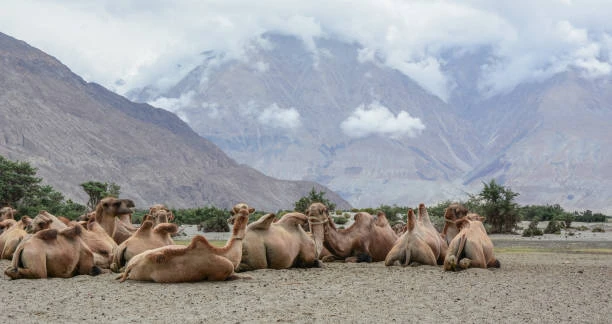
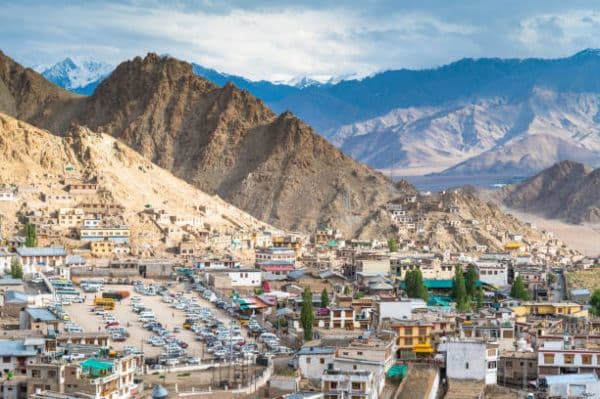
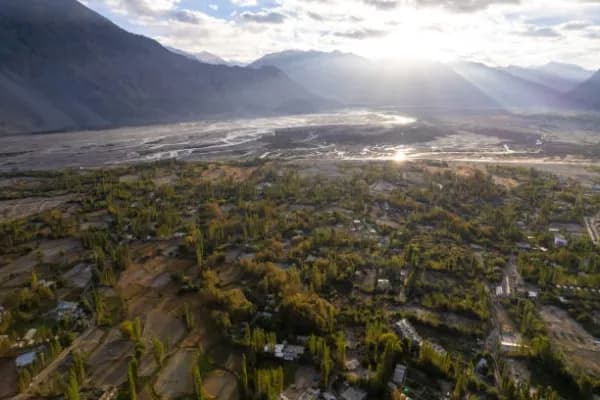
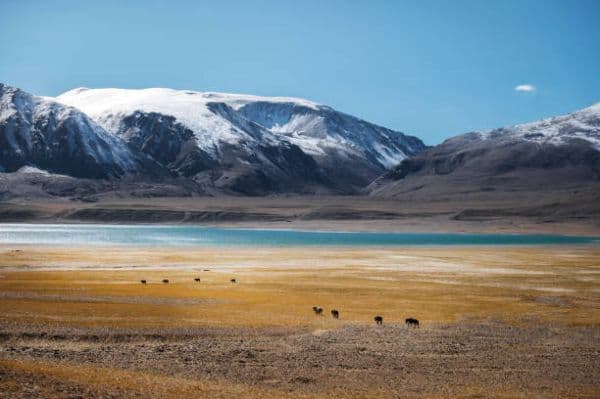
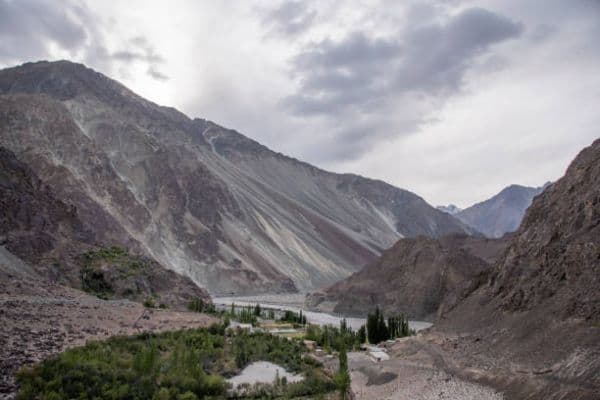
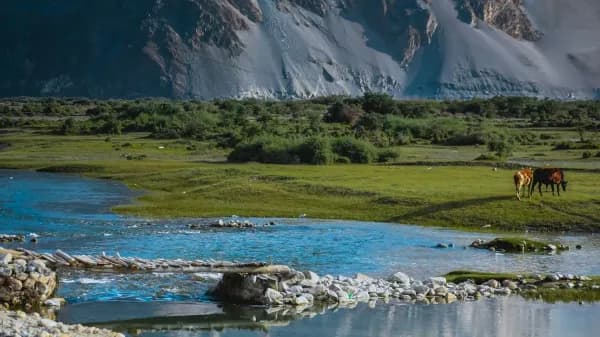
Nubra Valley, often referred to as the 'Lunar Landscape of Ladakh,' is a captivating region nestled in the northern part of India, bordered by the majestic Karakoram mountain range. Historically, Nubra was a crucial node on the ancient Silk Route, facilitating trade between India, Tibet, and Central Asia. This valley is characterized by its unique geography, featuring sprawling sand dunes, lush green oases, and high-altitude deserts. The confluence of the Shyok and Nubra rivers provides a picturesque backdrop, creating an oasis for travelers seeking both adventure and tranquility.
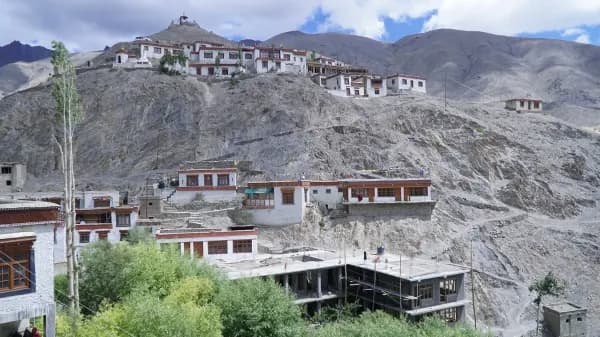
The region's vibe is deeply influenced by its Buddhist heritage, with striking monasteries dotting the landscape, offering serene views and a glimpse into the spiritual life of the locals. The warmth of the Nubra people, who are predominantly Buddhist and Muslim, adds to the welcoming atmosphere. This multicultural tapestry is reflected in their festivals, cuisine, and daily life, making Nubra a fascinating place to explore.
Visiting Nubra is like stepping into a different world; the dramatic landscapes are juxtaposed with the gentle rhythm of rural life. Tourists are drawn to its enchanting beauty, making it a hotspot for trekkers, nature lovers, and those in search of spiritual solace. The valley is a sanctuary for endangered species and a paradise for photographers, offering breathtaking views at every turn. As you traverse through the valleys, the unique blend of cultures, traditions, and natural wonders presents an unforgettable experience that encapsulates the essence of Ladakh.
Nubra Valley offers a range of accommodation options catering to various budgets and preferences. For those seeking luxury, the Diskit Hotel and The Grand Dragon Hotel in Diskit are superb choices, providing modern amenities, stunning views of the surrounding mountains, and exquisite dining options that highlight local cuisine.
Travelers on a budget need not worry, as there are plenty of homestays and guesthouses throughout the region. Places like the Nubra Organic Retreat in Hunder and local guesthouses in Turtuk offer cozy accommodations that not only provide basic comforts but also allow visitors to immerse themselves in the local culture. These establishments often serve home-cooked meals, giving travelers a taste of authentic Ladakhi hospitality.
Getting around Nubra Valley can be an adventure in itself. The most common way to navigate like a local is by hiring a taxi or a shared jeep, which are easily available in towns like Diskit and Hunder. For the more adventurous, renting a bike or scooter allows for greater flexibility to explore the less-traveled paths of Ladakh.
Public buses operate between key locations, offering a budget-friendly option for those willing to adapt to local schedules. Walking is also an enjoyable way to experience the breathtaking vistas and interact with local residents, making your journey in Nubra truly memorable.
Nubra Valley is not just about its stunning landscapes; it is also surrounded by hidden gems waiting to be discovered. One such excursion is to the ancient monastery of Diskit, which houses a 32-meter tall Maitreya Buddha statue, offering panoramic views of the valley.
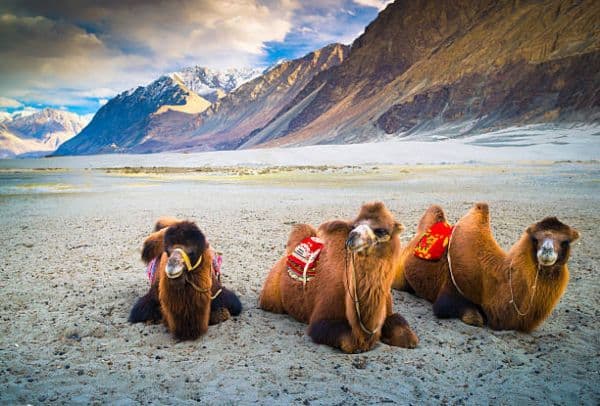
Another must-visit is the picturesque village of Turtuk, a former part of Pakistan until 1971, which has retained its unique Balti culture. The lush green fields and hospitable locals make it a perfect spot for a day trip. In addition, the sand dunes of Hunder are a surreal experience, where you can ride Bactrian camels and witness breathtaking sunsets over the desert landscape.
The best time to visit Nubra Valley is from May to September, when the weather is relatively mild and the roads are accessible. May and June are ideal for trekking, as the landscapes burst into vibrant colors, while July and August offer a chance to experience the region's unique monsoon dynamics.
September marks the onset of autumn, providing a stunning backdrop with golden hues. However, winter from November to March brings heavy snowfall, making travel challenging. If you're interested in winter sports or experiencing the snow-covered landscapes, visiting during this period can be magical, but be prepared for extreme cold and limited accessibility.
Nubra Valley experiences a wide range of temperatures throughout the year. In January, temperatures can plummet to -15°C, creating a winter wonderland that is both beautiful and harsh. As spring approaches in March, temperatures begin to rise, ranging from -5°C to 10°C, with blooming flowers starting to appear.
Summer, from May to August, sees temperatures averaging between 15°C to 25°C. This is the peak tourist season, as the weather is perfect for trekking and outdoor activities. As autumn sets in during September and October, temperatures cool down to between 5°C and 15°C, creating a stunning landscape of changing colors.
The culture of Nubra Valley is a rich tapestry woven from the threads of Buddhism and Islam, with vibrant traditions and festivals that reflect its heritage. The Losar festival, marking the Ladakhi New Year, is a grand affair celebrated with traditional dances, music, and feasting. The community comes together to celebrate with colorful attire, showcasing the valley's rich cultural diversity.
Local etiquette is crucial when interacting with residents. Greeting people with a warm smile and a nod is customary, and when visiting monasteries, it’s important to dress modestly and remove shoes at the entrance. The locals are incredibly hospitable, often inviting visitors into their homes for tea and traditional meals, making it essential to embrace this warmth and reciprocate with gratitude.
The culinary scene in Nubra Valley is a reflection of its geography and culture. Must-try dishes include Thukpa, a hearty noodle soup, and Momos, which are Tibetan-style dumplings filled with vegetables or meat. These dishes are not just food; they tell the story of the valley's heritage and the fusion of flavors from neighboring cultures.
Another local delicacy is Chhutagi, a traditional Ladakhi pasta dish often prepared during celebrations. The culinary history of Nubra is deeply rooted in its agricultural practices, with barley, wheat, and vegetables forming the backbone of local cuisine. Enjoying these dishes in a local homestay adds layers of experience, as you learn about the ingredients and cooking methods from the locals themselves.
Nubra Valley is home to several remarkable attractions that draw visitors from all over the world. One of the most iconic is the Diskit Monastery, established in the 14th century, which houses ancient relics and stunning murals. The breathtaking views from its perch on a hill add to its allure.
Another highlight is the Hunder Sand Dunes, where visitors can ride Bactrian camels. This unique experience against the backdrop of snow-capped mountains is truly unforgettable. The serene village of Turtuk, with its lush orchards and rich cultural heritage, offers a glimpse into a life that remains untouched by time.
Don’t miss the Shyok River, known for its crystal-clear waters, perfect for leisurely strolls along the banks. Finally, the ancient ruins of the Kharbu village provide insights into the region's historical significance along the Silk Route, showcasing the remnants of a bygone era.
Nearby places worth adding to your itinerary.
Top stays in Nubra - Dumra picked for comfort, value, and great guest reviews.