Aden
Explore stays
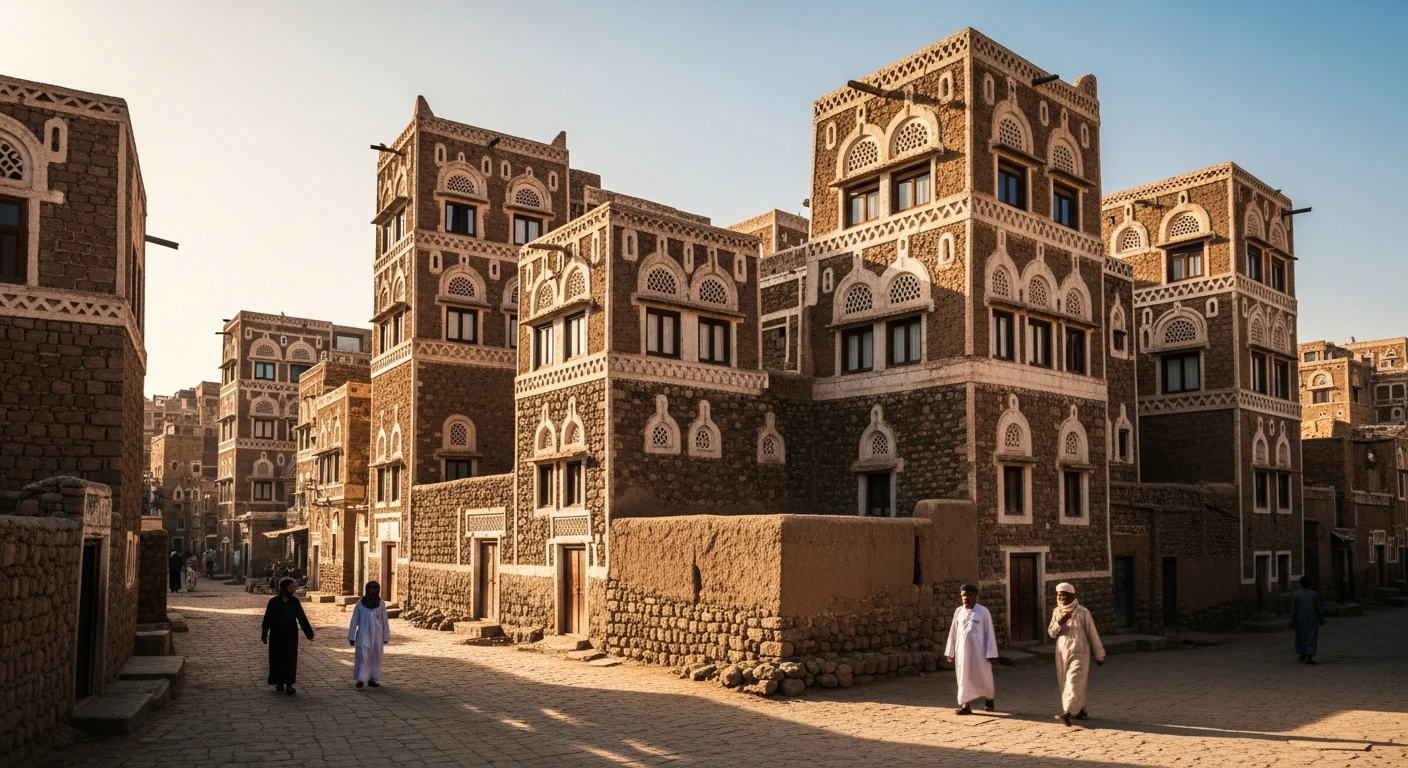
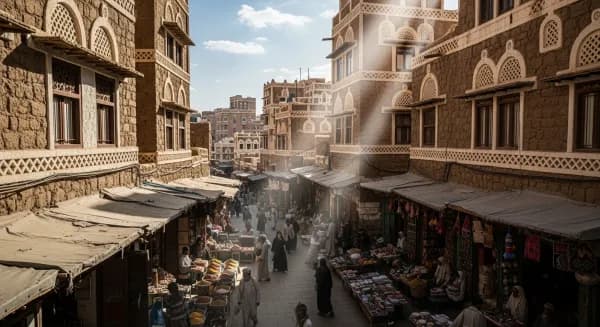
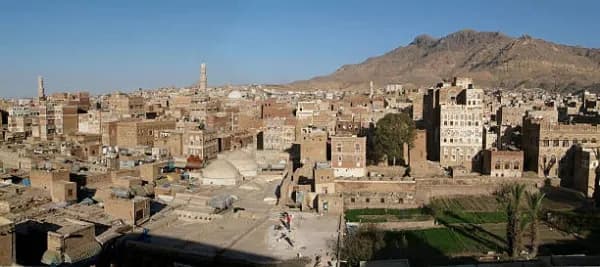
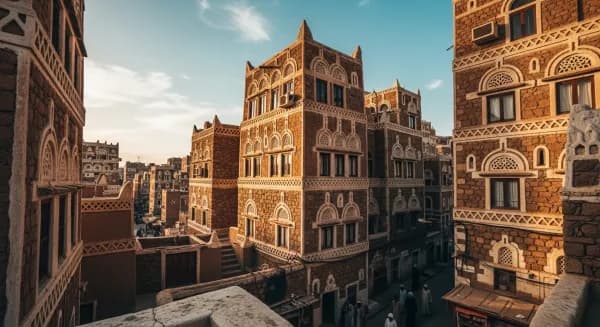
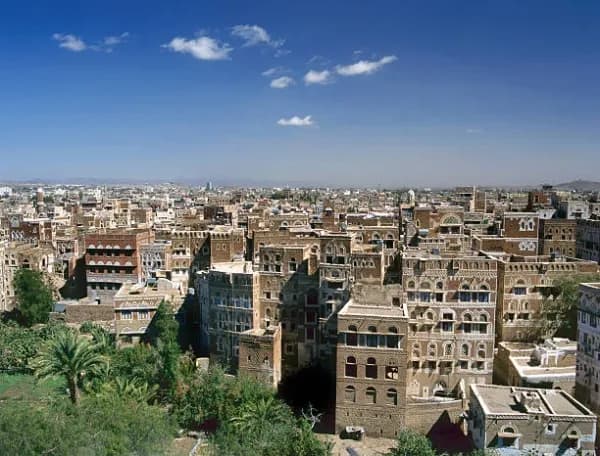
The Old City of Sanaa, Yemen, is a mesmerizing blend of ancient history and cultural vibrancy. Nestled in a mountainous region, Sanaa is one of the world’s oldest continuously inhabited cities, with its origins tracing back over 2,500 years. The city’s skyline is dominated by unique multi-story, mud-brick buildings adorned with intricate white gypsum patterns, a testament to its architectural prowess. These buildings, some of which rise up to nine stories, are not just homes but living pieces of history.
Throughout its history, Sanaa has been a significant center of Islamic culture and learning. The Great Mosque of Sanaa, one of the oldest mosques in the Muslim world, stands as a symbol of this rich heritage. Sanaa’s old city is a UNESCO World Heritage site, recognized for its outstanding universal value and its role as a crossroads of ancient trade routes.
Walking through the narrow alleyways, one can feel the pulse of history. The city is alive with the sounds of daily life, from the calls to prayer echoing through the air to the bustling souks filled with the aromas of spices and coffee. Despite the challenges faced by Yemen, the spirit of Sanaa remains resilient, offering visitors a glimpse into a vibrant past and a hopeful future.
When visiting the Old City of Sanaa, travelers have a range of accommodation options to choose from. For those seeking luxury, the historic hotels within the old city offer a unique experience. These establishments, often housed in restored traditional buildings, provide a blend of Yemeni hospitality and modern comforts.
For budget-conscious travelers, there are several guesthouses and hostels that offer affordable yet comfortable stays. These places often provide a more intimate look at local life, as they are typically family-run and located in residential areas. Staying in the old city allows visitors to immerse themselves fully in the culture and history of Sanaa.
Key areas to consider include the Al-Tahrir district, known for its accessibility to major attractions, and the Bab al-Yemen area, which offers a more traditional atmosphere with its proximity to the famous city gate.
Navigating the Old City of Sanaa can be an adventure in itself. The city’s narrow streets are best explored on foot, allowing visitors to soak in the ambiance and discover hidden gems. Walking is the most practical way to experience the old city’s intricate alleyways and bustling markets.
For longer distances or if you’re venturing outside the old city, local taxis are the most convenient mode of transport. Taxis in Yemen are relatively inexpensive, but it’s advisable to negotiate the fare before starting your journey. Shared taxis, known locally as “dabbabs,” are also a popular and cost-effective option.
While public buses are available, they can be challenging for non-locals due to language barriers and lack of fixed schedules. Hiring a local guide or driver can enhance your experience, providing insights and ensuring you don’t miss any significant sites.
Beyond the Old City of Sanaa, Yemen offers a wealth of excursions that showcase its natural beauty and historical depth. A must-visit is the village of Thula, located about 50 kilometers north of Sanaa. This fortified town is renowned for its well-preserved stone buildings and offers panoramic views of the surrounding landscape.
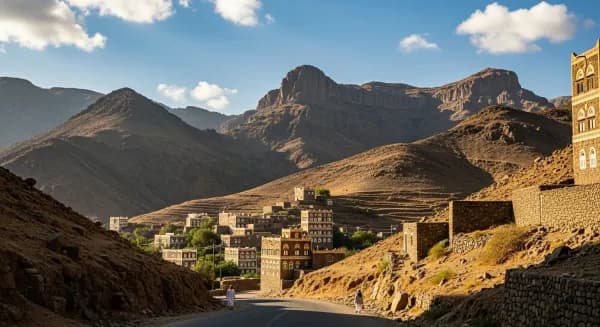
Another gem is the Haraz Mountains, a short drive from Sanaa. This region is famous for its terraced hillsides and ancient villages perched precariously on mountain peaks. The village of Manakhah, in particular, is a great base for hiking and exploring the dramatic scenery.
For those interested in Yemen’s pre-Islamic history, the ruins of Baraqish, an ancient city dating back to the Minaean Kingdom, provide a fascinating glimpse into the past. These sites offer a compelling contrast to the urban charm of Sanaa, enriching any visit to Yemen.
The best time to visit the Old City of Sanaa is during the cooler months, from October to March. During this period, the weather is mild, making it ideal for exploring the city’s outdoor attractions.
In October and November, temperatures are comfortable, and the city is less crowded, providing a more relaxed experience. December to February are the coolest months, with crisp mornings and evenings, perfect for wandering the souks and historic sites.
Visiting in spring, from March to April, is also pleasant, with blooming flowers adding a touch of color to the cityscape. However, it’s important to note that summers in Yemen can be extremely hot, with temperatures often exceeding 35°C, which may make sightseeing uncomfortable.
The climate in Sanaa is characterized by a semi-arid climate, with distinct seasonal variations. January is the coldest month, with temperatures ranging from 5°C to 20°C, while July is the hottest, with temperatures soaring up to 30°C and beyond.
From January to March, the weather remains cool and dry, making it an ideal time for outdoor activities. April and May see a gradual rise in temperatures, with occasional rain showers refreshing the landscape.
June to August are the hottest months, with minimal rainfall. The heat can be intense, so it’s advisable to plan indoor activities or excursions to higher altitudes. September and October bring a welcome drop in temperature, with cooler nights signaling the onset of autumn.
The culture of Sanaa is a rich tapestry woven from its Islamic heritage and tribal traditions. The city’s residents are known for their hospitality, often inviting visitors to share in traditional meals or partake in local customs.
Festivals play a significant role in Sanaa’s cultural calendar. Eid al-Fitr and Eid al-Adha are widely celebrated, with public prayers, feasting, and communal gatherings. The annual Sana’a Summer Festival showcases Yemeni music, dance, and crafts, offering a vibrant celebration of the nation’s cultural diversity.
Etiquette in Yemen is deeply rooted in respect and tradition. When visiting, it’s important to dress modestly, particularly in religious and rural areas. Greetings are formal, with handshakes and the exchange of pleasantries being customary. Understanding and observing local customs enhances the travel experience, fostering meaningful connections with the people of Sanaa.
Sanaa’s culinary scene is a reflection of Yemen’s rich gastronomic heritage. A must-try dish is “Saltah,” a hearty stew made with meat, vegetables, and a fenugreek-based sauce, often served bubbling in a traditional stone pot.
Another local favorite is “Fahsa,” a spicy meat dish cooked with a blend of Yemeni spices, offering a taste of the region’s bold flavors. Bread, particularly “Malooga” and “Lahoh,” accompanies most meals, providing a perfect vehicle for savoring stews and dips.
Coffee holds a special place in Yemeni culture, and Sanaa’s coffeehouses are the perfect spot to sample the renowned Yemeni brew, often spiced with cardamom and enjoyed in a convivial setting.
The Old City of Sanaa is a treasure trove of architectural and cultural landmarks. At the heart of the city lies the Great Mosque of Sanaa, an iconic structure dating back to the 7th century. This mosque is a testament to the city’s Islamic heritage and architectural ingenuity.
Bab al-Yemen, the city’s main gate, is another must-see. This grand entrance leads into the bustling souks, where visitors can explore a labyrinth of stalls selling everything from spices and textiles to traditional crafts.
The Al Saleh Mosque, though more modern, is a striking addition to Sanaa’s skyline. Its grandeur and intricate design make it a popular attraction for both locals and tourists.
The National Museum of Yemen offers insights into the country’s rich history, with exhibits ranging from ancient artifacts to displays on Yemen’s diverse cultures and traditions.
Finally, the Dar al-Hajar, known as the Rock Palace, is a stunning example of Yemeni architecture. Perched atop a rock formation, this former royal residence offers breathtaking views and a fascinating glimpse into the past.
Nearby places worth adding to your itinerary.
Top stays in Old City of Sanaa picked for comfort, value, and great guest reviews.