Alytus
Explore stays
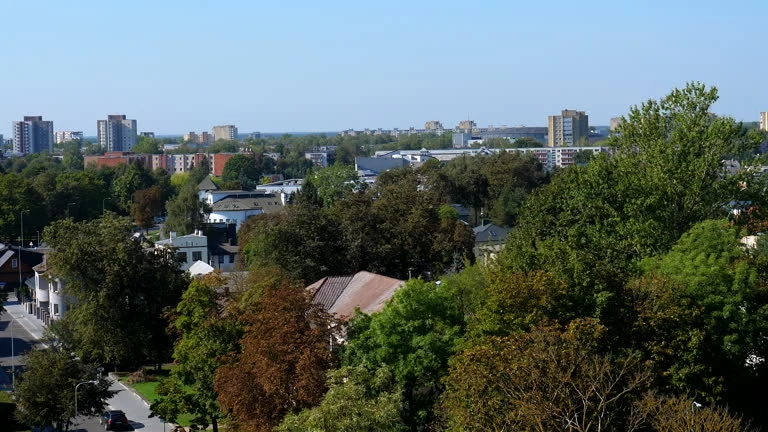
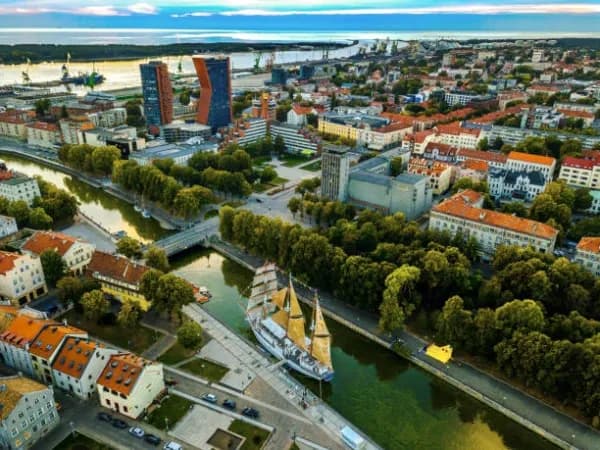
Panevėžys, the fifth-largest city in Lithuania, is a charming destination that offers a blend of history, culture, and natural beauty. Located in the central part of the country, Panevėžys may not be as famous as Vilnius or Kaunas, but it offers a peaceful atmosphere, making it a perfect place to visit. Whether you're an avid traveler or just looking for a quiet place to relax, Panevėžys is sure to surprise you with its beauty and hidden gems. In this guide, we’ll explore everything you need to know about Panevėžys, Lithuania, including its attractions, food, transport options, and best times to visit.
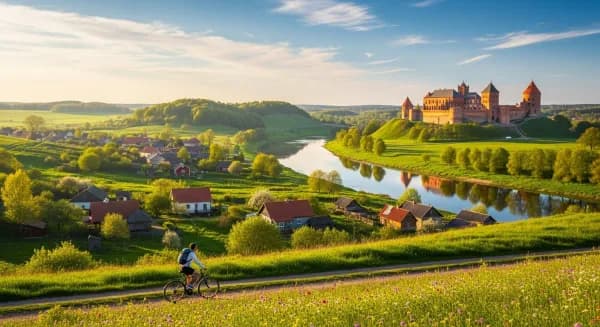
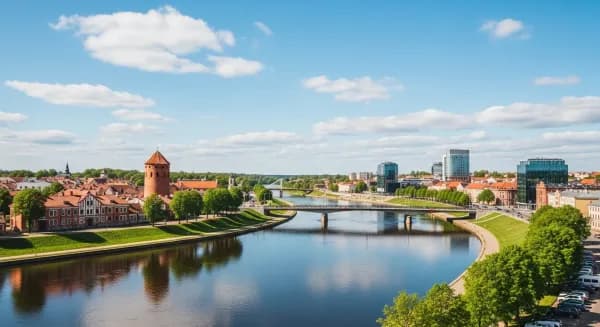
Panevėžys is located in the northeastern part of Lithuania, approximately 130 kilometers north of the capital, Vilnius. The city lies on the banks of the Nevėžis River, which adds to its picturesque appeal. Surrounded by lush green landscapes and forests, Panevėžys offers a mix of urban conveniences and natural beauty. It is often seen as a gateway to Lithuania’s other regions, as it is well connected to major cities like Kaunas, Vilnius, and Riga in Latvia.
Despite its relatively small size, Panevėžys has a rich history, having been an important trading center since medieval times. Today, the city is a blend of old and new, with modern facilities coexisting with historic buildings and traditions.
Panevėžys is easily accessible, whether you're traveling from within Lithuania or from neighboring countries. The city is well-connected by road and rail, with regular bus and train services linking it to other major Lithuanian cities.
For international travelers, Riga, Latvia’s capital, is just 150 kilometers away, and Vilnius International Airport is the nearest airport. Both airports offer numerous international flights and are easily accessible by bus or car.
One of the most significant landmarks in Panevėžys is the Cido Arena, a modern sports and entertainment venue. It hosts a variety of events, including basketball games, concerts, and other cultural performances. If you’re a sports fan or someone who enjoys live events, Cido Arena is a must-visit. It is also a great place to learn about the local basketball culture, as basketball is hugely popular in Lithuania.
The Panevėžys Cathedral, dedicated to St. Peter and Paul, is an important religious and cultural site. The cathedral’s beautiful architecture and peaceful surroundings make it a must-visit, even if you are not particularly interested in religion. The interior of the cathedral features stunning stained glass windows and intricate designs, while the bell tower offers a great view of the city.
If you want to learn more about the history and culture of Panevėžys, a visit to the Panevėžys Local History Museum is highly recommended. The museum is located in the city center and features exhibits that showcase the city’s history, including its development from a medieval settlement to the modern city it is today. You can explore artifacts, photographs, and displays related to local traditions, crafts, and the city's role in Lithuania’s history.
For nature lovers, Senvagė Park is a perfect spot to relax and enjoy the outdoors. Located along the Nevėžis River, the park is an ideal place for a stroll, picnic, or even a boat ride in the summer months. The park is also home to several sculptures and monuments, adding an artistic touch to its natural beauty. During the winter months, the park transforms into a peaceful snow-covered landscape, offering a serene atmosphere.
The Sculpture Garden in Panevėžys is another unique attraction for visitors. It features a variety of modern sculptures displayed throughout a peaceful garden, creating an open-air gallery for art enthusiasts. The park is a beautiful space to wander and appreciate the creativity of local and international artists.
Located about 75 kilometers from Panevėžys, the Hill of Crosses is one of Lithuania’s most iconic landmarks. This extraordinary site consists of a hill covered with thousands of crosses, placed by pilgrims and visitors from all over the world. The Hill of Crosses is a symbol of faith, resilience, and Lithuanian culture, making it a must-see when exploring the region.
Just a short drive from Panevėžys, Krekenava Regional Park is an excellent destination for those who enjoy nature. The park is home to rich forests, wetlands, and wildlife, providing opportunities for hiking, birdwatching, and peaceful reflection. The park is particularly beautiful in the spring and summer when the flowers bloom, and the rivers are full of life.
Kaunas, Lithuania's second-largest city, is just 100 kilometers from Panevėžys and is known for its vibrant culture and historic sites. Kaunas offers a range of attractions, including the famous Kaunas Castle, the Ninth Fort, and the beautiful Laisvės Alėja (Freedom Avenue), perfect for a day trip.
Panevėžys offers a variety of dining options that cater to different tastes. Traditional Lithuanian cuisine is popular, and you’ll find hearty dishes like cepelinai (potato dumplings), kugelis (potato pudding), and šaltibarščiai (cold beet soup). There are also a number of local cafes and bakeries where you can try Lithuanian pastries, such as šakotis (a traditional Lithuanian cake).
For those who prefer international cuisine, there are several restaurants in Panevėžys offering Italian, Russian, and even Asian dishes. Whether you’re looking for a casual meal or a fine dining experience, Panevėžys has something to suit every palate.
Getting around Panevėžys is easy, as the city has a reliable public transport system. Local buses and taxis are available to take you to various attractions within the city and surrounding areas. Panevėžys is also well-connected by public transport to nearby cities like Vilnius and Kaunas, making it a convenient stop for those exploring Lithuania.
For local attractions, Senvagė Park and the Panevėžys Cathedral are within walking distance of the city center, making it easy to explore these sites on foot. Public buses also serve popular locations like the Cido Arena and Panevėžys Local History Museum.
What makes Panevėžys stand out is its combination of urban and natural beauty. The city has a relaxed, small-town feel but offers many cultural and historical sites that make it worthwhile for tourists. Its central location in Lithuania also makes it an ideal base for exploring other parts of the country.
Panevėžys is a great destination for families, history enthusiasts, and nature lovers, offering something for everyone. Its local attractions are often less crowded than those in the larger cities, making it a peaceful place to explore without the hustle and bustle of mass tourism.
The best time to visit Panevėžys is during the spring and summer months (from May to September). The weather is mild, and the city’s parks and natural areas are in full bloom, making it perfect for outdoor activities. The summer months also bring festivals and events, adding to the city’s lively atmosphere.
If you prefer a quieter visit and are willing to embrace the colder weather, autumn and winter (October to February) can also be a good time to visit Panevėžys. During this time, the city is less crowded, and you can experience the beauty of the snow-covered landscapes and festive holiday events.
Most visitors spend 1 to 2 days in Panevėžys, as it is a compact city with many attractions within walking distance of each other. If you plan to explore nearby attractions like the Hill of Crosses or Krekenava Regional Park, consider extending your stay by a day or two.
Nearby places worth adding to your itinerary.
Top stays in Panevėžys picked for comfort, value, and great guest reviews.