

Bali,Indonesia
Explore stays
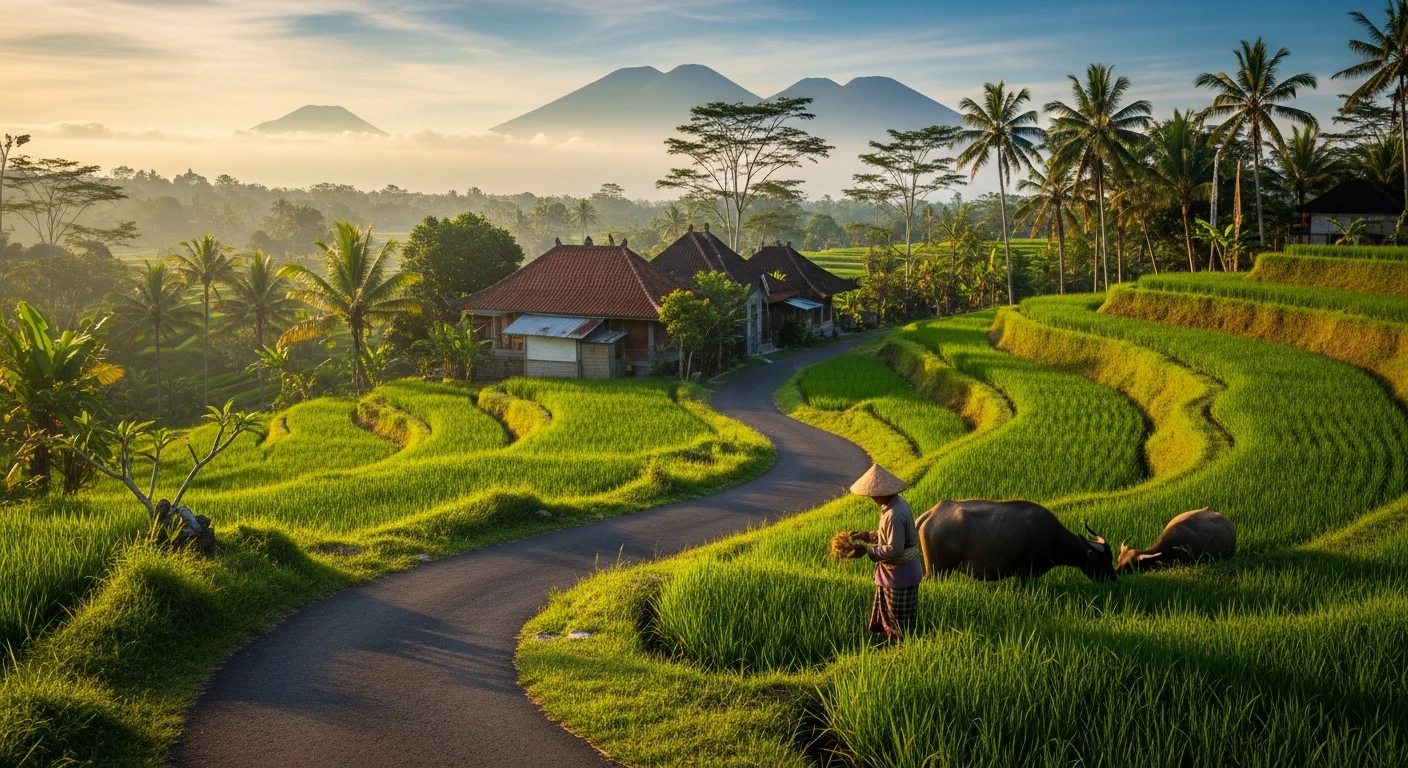
Penatih, a captivating district in Denpasar, Bali, is a mosaic of rich cultural heritage, stunning landscapes, and vibrant community life. Located just a few kilometers from the bustling heart of Denpasar, Penatih is often overshadowed by its more famous counterparts but offers a unique glimpse into the authentic Balinese lifestyle. Historically, this area was primarily agricultural, with rice paddies and traditional farming practices dominating the landscape. As urbanization crept in, Penatih has managed to retain much of its charm, becoming a serene retreat amidst the urban sprawl.
The geography of Penatih is characterized by rolling hills, lush greenery, and a network of waterways that reflect the stunning Balinese sky. The vibe here is distinctly laid-back, with friendly locals who often greet visitors with warm smiles and traditional Balinese hospitality. The community is deeply rooted in cultural practices, hosting numerous ceremonies and events throughout the year that draw from the island's rich tapestry of Hindu traditions.
Penatih is also strategically situated, allowing easy access to other parts of Denpasar and the more tourist-heavy areas of Bali. The district is not just a residential area; it is a living museum of Balinese culture, where the sounds of traditional gamelan music can be heard wafting through the air, and the aroma of incense from nearby temples fills the streets. Visitors to Penatih are often struck by the contrast between the serene lifestyle of the locals and the frenetic pace of the nearby tourist hubs, making it an ideal location for those looking to explore the more authentic side of Denpasar.
When considering accommodation in Penatih, visitors are presented with a diverse range of options that cater to all budgets and preferences. For those seeking luxury, several boutique hotels and villas offer stunning views of the rice fields and personalized service that embodies Balinese hospitality. One notable establishment is the Bali Penatih Resort, which provides upscale amenities such as private pools, wellness spas, and gourmet dining experiences.
On the other hand, budget travelers can find affordable guesthouses and homestays that offer a more intimate experience. Places like Pondok Penatih provide cozy rooms and a chance to engage with local families, allowing guests to immerse themselves in the daily life of the community. Staying in these budget accommodations not only saves money but also supports local businesses, fostering a sense of community among visitors and residents alike.
Getting around Penatih and the wider Denpasar area can be an adventure in itself. The most popular way to navigate the district is by renting a scooter, a cost-effective and convenient option that allows for easy access to various attractions. Local shops offer rentals at reasonable rates, and navigating the relatively quiet streets of Penatih is quite manageable.
For those who prefer not to ride, traditional bemos (shared mini-vans) provide a local transportation experience, connecting Penatih to major hubs in Denpasar. Taxis and ride-sharing services are also available, but be prepared for some negotiation regarding fares. Walking is another delightful way to explore the area—strolling through the rice paddies and local neighborhoods offers an authentic taste of Balinese life.
Beyond the charm of Penatih, several hidden gems await exploration in the surrounding areas. One such excursion is to the Blanjong Temple, located just a short drive away. This ancient temple, dating back to the 10th century, boasts intricate stone carvings and is a serene spot for reflection.
Another nearby attraction is the Sanur Beach, known for its tranquil waters and picturesque sunrise views. Just a short journey from Penatih, Sanur offers a different vibe compared to the bustling Kuta Beach, making it ideal for a peaceful day by the sea. For those seeking a deeper dive into Balinese culture, a visit to the Bali Museum in Denpasar is essential. This museum houses a plethora of artifacts that tell the story of Bali's rich history and cultural heritage.
The best time to visit Penatih and Denpasar largely depends on your preferences for weather and events. The dry season, from April to October, is generally considered the ideal time for travelers. During these months, the chances of rain are significantly lower, making it perfect for outdoor activities and excursions.
However, cultural enthusiasts may want to visit during the rainy season, from November to March, as this is when many local festivals take place. While rain may interrupt some plans, the vibrant celebrations and lush landscapes make it a captivating time to experience the authenticity of Balinese culture. Festivals such as Nyepi, the Day of Silence, are particularly noteworthy, showcasing the unique traditions of the Balinese people.
Penatih experiences a tropical climate, resulting in warm temperatures year-round, but there are distinct variations throughout the months. From January to March, expect higher humidity and regular rainfall, with temperatures averaging around 30°C (86°F). These months are often lush and vibrant, making the rice fields especially beautiful.
April to June marks the transition into the dry season, where temperatures rise slightly, and the humidity decreases. It’s an excellent time for outdoor activities, with temperatures ranging from 28°C to 32°C (82°F to 90°F). July to September tends to be the driest period, with minimal rainfall and pleasantly warm days, perfect for beach outings.
October sees a gradual return of the rain, but the weather remains warm, making it an ideal month for travelers who prefer fewer crowds. Overall, the best time to visit Penatih in Denpasar is during the dry season, but each month offers its own unique charm.
Penatih is a microcosm of Balinese culture, rich with traditions and customs that are integral to the community's identity. The local people are predominantly Hindu, and their daily lives are imbued with spiritual practices. Temples dot the landscape, and ceremonies are a regular occurrence, celebrating everything from birth to death with profound reverence.
Festivals play a significant role in the cultural fabric of Penatih. The Galungan festival, held every 210 days, celebrates the victory of good over evil and draws in locals and visitors alike for colorful parades and traditional dances. Another important event is Kuningan, marking the end of the Galungan celebrations, where families pay homage to their ancestors.
Etiquette is deeply respected in Balinese culture. When visiting temples, it is customary to wear a sarong and offer a polite greeting. Visitors are encouraged to engage with locals and participate in ceremonies, as this fosters mutual respect and understanding of the Balinese way of life.
Exploring the culinary landscape of Penatih is a delightful journey into the flavors of Bali. Must-try dishes include Nasi Campur, a mixed rice dish served with various sides such as vegetables, meat, and sambal. Each region in Bali has its own twist on this classic, and Penatih is no exception, with local eateries serving up their unique recipes.
Another iconic dish is Bebek Betutu, a slow-cooked duck wrapped in banana leaves and infused with spices. This dish is often reserved for special occasions and showcases the intricate culinary techniques passed down through generations.
Street food is also prevalent in Penatih, with vendors offering delicious snacks like Jaja Bali, traditional Balinese cakes made from rice flour and coconut. Culinary history in Bali is rich, as many recipes have been influenced by both indigenous ingredients and trade with other cultures. Visitors should embrace the local food scene by trying various dishes and engaging with vendors to learn about their culinary stories.
Penatih may be lesser-known, but it is surrounded by several must-visit attractions that highlight the essence of Denpasar. One of the top landmarks is the Jagatnatha Temple, dedicated to the Supreme God, Sang Hyang Widi. This temple features stunning architecture, intricate carvings, and a serene atmosphere, making it a perfect spot for reflection.
Another noteworthy attraction is the Puputan Badung Memorial Park, a historical site commemorating the Battle of Badung in 1906. The park offers a peaceful retreat with lush greenery, statues, and a glimpse into Bali's past. Visitors can learn about the significance of this battle through informative plaques scattered throughout the park.
The Denpasar Market is a vibrant hub of activity where visitors can immerse themselves in local life. The market is brimming with colorful produce, textiles, and handicrafts, making it an ideal place for souvenirs and sampling local delicacies.
For art enthusiasts, the Bali Museum is a treasure trove of artifacts that narrate Bali's cultural history. The museum features exhibitions ranging from traditional costumes to religious artifacts, providing deep insights into Balinese life.
Lastly, the Le Mayeur Museum, dedicated to the works of Belgian painter Adrien-Jean Le Mayeur, is a must-visit for those interested in art. The museum is housed in his former home and showcases his beautiful paintings of Balinese life and landscapes.
Nearby places worth adding to your itinerary.
Top stays in Penatih picked for comfort, value, and great guest reviews.