Jakar
Explore stays
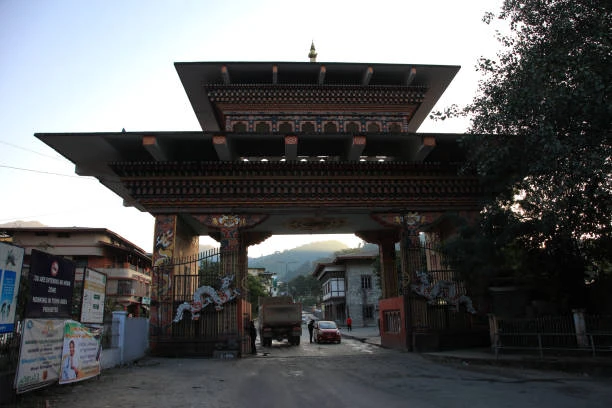
Phuentsholing, a vibrant border town in Bhutan, serves as a crucial entry point into the Kingdom of Happiness. Nestled at the foothills of the Himalayas, approximately 5 kilometers from the Indian border, its strategic location has made it a hub for trade and tourism. Historically, Phuentsholing was a simple village, but its significance grew with the establishment of the Bhutan-India friendship in the early 20th century, leading to its development into a bustling town.
The geography of Phuentsholing is characterized by lush hills and the meandering Amo Chhu River, which adds a serene backdrop to the town's dynamic atmosphere. The confluence of Bhutanese and Indian cultures is palpable in the streets, where traditional Bhutanese architecture stands alongside Indian-style buildings, creating a unique vibe that is both welcoming and rich in diversity.
As travelers step into Phuentsholing, they are greeted by the sounds of local shops, the aroma of street food, and the sight of colorful prayer flags fluttering in the wind. The town exudes a blend of tranquility and bustling energy, making it a perfect introduction to the enchanting beauty of Bhutan. Visitors can experience the friendly demeanor of the locals, who often share anecdotes about the town's history, festivals, and their day-to-day lives, adding depth to the travel experience.
Phuentsholing boasts a variety of accommodation options, catering to diverse budgets and preferences. For luxury travelers, options like the Druk Hotel and the Hotel Pelden are excellent choices. These establishments offer modern amenities, breathtaking views of the surrounding hills, and authentic Bhutanese hospitality. They often feature on-site restaurants serving both local and international cuisine, along with spa services and comfortable lounges.
For budget-conscious travelers, there are numerous guesthouses and budget hotels scattered throughout the town. Places like Tashi Phuntsho Hotel and Kichu Resort provide clean and comfortable accommodations at reasonable prices. These spots often have a homely feel and provide opportunities for visitors to engage with local families, fostering a deeper understanding of Bhutanese culture.
Getting around Phuentsholing is relatively easy and can be navigated like a local. The town is small enough that many destinations can be reached on foot. However, for longer distances, local taxis are readily available, with fares being quite reasonable. It's advisable to negotiate the fare before the journey begins. Buses connecting Phuentsholing to other towns in Bhutan also operate regularly, providing an authentic travel experience. Additionally, bicycles can be rented, offering a unique way to explore the scenic beauty of the town and its surroundings.
Phuentsholing is not just a stopover; it serves as a gateway to several hidden gems in Bhutan. A short drive away is the serene town of Jaigaon, India, where you can explore local markets and indulge in some cross-border shopping. Another must-visit is the Zangto Pelri Lhakhang, a beautiful temple that showcases stunning Bhutanese architecture and offers a peaceful atmosphere.
For those seeking outdoor adventures, the nearby Phobjikha Valley is a perfect excursion. Known for its breathtaking landscapes and the black-necked cranes that migrate there, it’s a tranquil escape from the hustle and bustle of town life. Visitors can enjoy nature walks, bird watching, and the opportunity to experience rural Bhutanese life in a picturesque setting.
The best time to visit Phuentsholing is during the spring (March to May) and autumn (September to November) months. During spring, the weather is mild, and the blooming rhododendrons create a vibrant landscape. Autumn enhances the beauty of the region with clear skies and pleasant temperatures, making it ideal for sightseeing and outdoor activities.
Summer (June to August) can be quite humid with monsoon rains, while winter (December to February) can bring cool temperatures, making it less favorable for some travelers. However, winter offers the chance to witness Bhutan’s serene beauty, as the landscape takes on a unique charm.
Phuentsholing experiences a subtropical highland climate, with variations throughout the year. In January, temperatures can drop to around 5°C (41°F), while July sees highs of about 30°C (86°F) with increased rainfall. February marks the transition into spring with temperatures gradually rising, while March and April bring milder conditions, making outdoor exploration enjoyable.
May is warm, but the onset of monsoon in June brings humidity and rainfall, lasting until August. September sees a gradual reduction in rain, leading to clearer skies in October. November marks the onset of cooler temperatures, with December bringing the coldest weather of the year.
Phuentsholing is a cultural melting pot, reflecting the diverse traditions of Bhutan. The people here are known for their warmth and hospitality, often greeting visitors with a smile. Festivals such as the Tshechu, celebrated in various forms across Bhutan, showcase traditional dances, music, and vibrant attire, allowing travelers to immerse themselves in the local culture.
Etiquette is deeply rooted in Bhutanese society. Visitors are encouraged to respect local customs, such as removing shoes before entering homes and temples, and dressing modestly. It’s common to see locals wearing the gho and kira, traditional Bhutanese attire, which adds to the cultural richness of the town. Engaging with locals and participating in cultural events are highly recommended to fully appreciate Bhutan's heritage.
No visit to Phuentsholing is complete without indulging in Bhutanese cuisine, which is known for its bold flavors and unique ingredients. Must-try dishes include Ema Datshi, a spicy cheese and chili dish that embodies the heart of Bhutanese cooking, and Jasha Maroo, a flavorful chicken curry cooked with spices and herbs.
Street food is also a highlight, with vendors offering tasty snacks such as momos (dumplings) and phaksha paa (pork cooked with radish). The culinary history of Bhutan is a reflection of its geography, with influences from neighboring India and Tibet, creating a distinct food culture that is both rich and diverse.
Phuentsholing is home to several notable landmarks that reflect its cultural and historical significance. Firstly, the **Amo Chhu River**, which runs through the town, offers picturesque views and opportunities for riverside walks. The river is also an important site for local fishing, showcasing the town’s connection to nature.
Next, the **Zangto Pelri Lhakhang** is a must-visit. This beautiful temple is dedicated to the guardian deity of the country and offers a serene atmosphere for reflection and prayer. The intricate murals and architecture provide insight into Bhutanese spiritual practices.
The **Phuentsholing Gate** serves as a symbolic entrance to Bhutan, marking the transition from India to the Kingdom of Happiness. It’s a popular photo spot for travelers looking to capture their entry into Bhutan.
Another attraction is the **Kharbandi Goemba**, a monastery perched on a hill overlooking the town. Visitors can enjoy panoramic views of Phuentsholing and the surrounding landscape, making it a peaceful retreat.
Lastly, the **Bhutan Gate**, which marks the boundary between Bhutan and India, is a significant landmark. The ornate structure is not only a border marker but also a representation of Bhutan's cultural identity and its relationship with its neighbor.
Nearby places worth adding to your itinerary.
Top stays in Phuentsholing picked for comfort, value, and great guest reviews.