Bageshwori
Explore stays
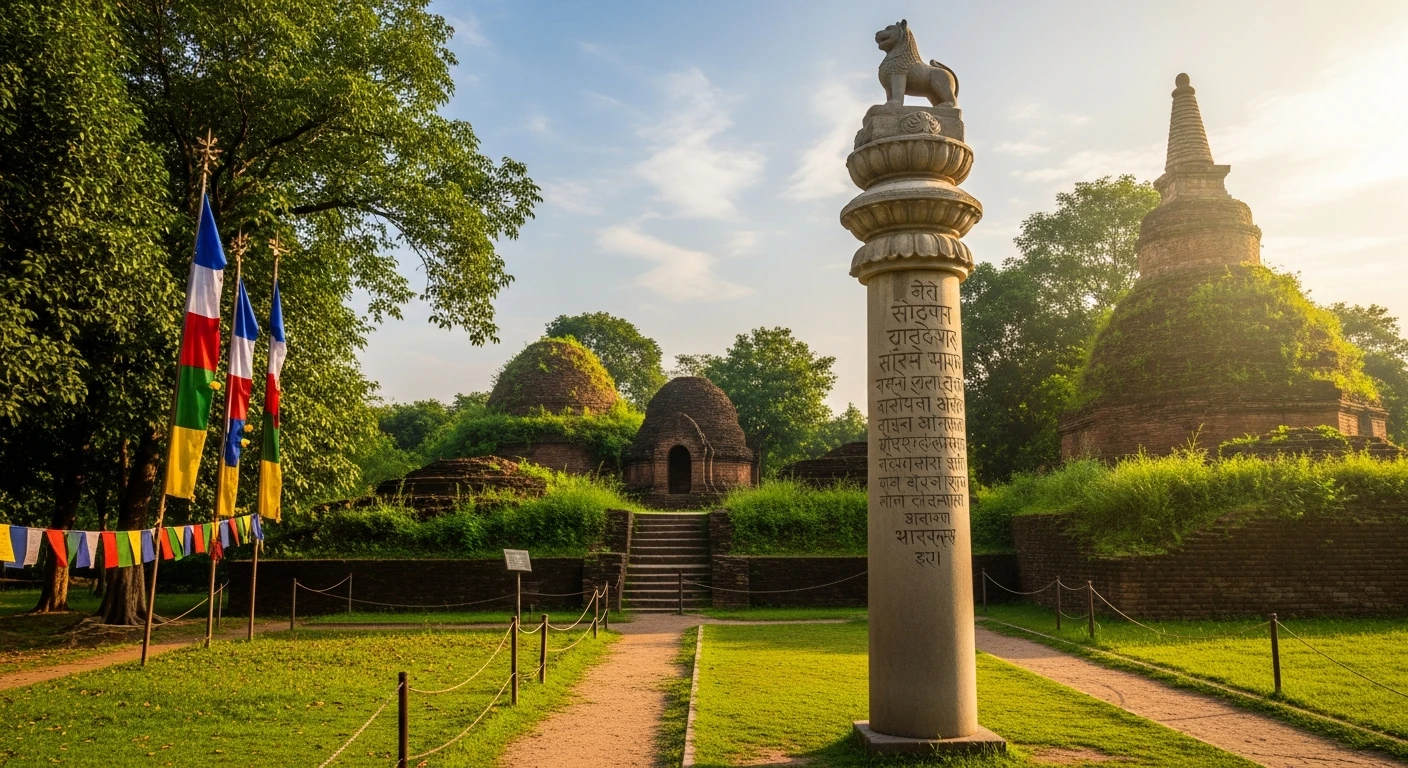
Rummindei, a serene and historically rich village nestled in the Lumbini Province of Nepal, is renowned for being the birthplace of Siddhartha Gautama, who later became known as Buddha. This sacred site is located in the Terai plains, a region characterized by its fertile lands and lush vegetation. The area is dotted with ancient ruins and modern monuments, making it a fascinating blend of history and spirituality.
The history of Rummindei is deeply intertwined with the life of Buddha. It was here, in the gardens of Lumbini, that Queen Maya Devi gave birth to Siddhartha around 563 BCE. The significance of this event has attracted pilgrims and historians alike for centuries. The village's name, Rummindei, is derived from the ancient term 'Rummindei', referring to the sacred grove where the birth took place.
Today, Rummindei exudes a peaceful vibe, with its tranquil atmosphere and spiritual significance drawing visitors from around the world. The village is surrounded by monasteries and stupas built by various Buddhist nations, each contributing to the area's unique cultural tapestry. The local community is warm and welcoming, eager to share their heritage and traditions with visitors.
When visiting Rummindei in Lumbini, travelers have a range of accommodation options to suit different budgets. For those seeking luxury, the Lumbini Garden Resort offers a serene retreat with lush gardens and modern amenities. This resort provides a tranquil escape, perfect for relaxation after a day of exploration.
For budget-conscious travelers, numerous guesthouses and hostels are scattered throughout Lumbini. These accommodations provide basic yet comfortable lodging, often run by local families who offer insights into the area's culture and history. Staying in these budget options allows visitors to immerse themselves in the local way of life.
The central area around the Lumbini Development Zone is a popular choice for accommodation due to its proximity to major attractions. Whether opting for luxury or budget, staying in Rummindei ensures easy access to the spiritual and historical wonders of Lumbini.
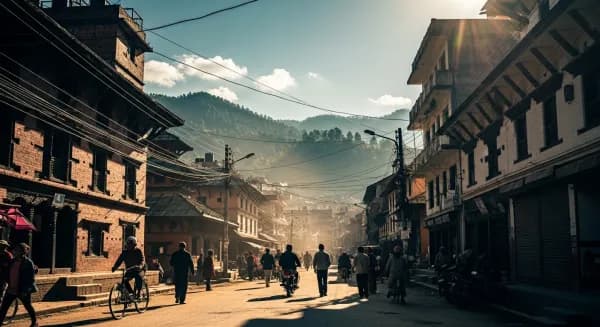
Navigating Rummindei and the broader Lumbini area is relatively straightforward, thanks to a variety of transportation options. Bicycles are a popular choice for exploring the flat terrain, allowing visitors to leisurely pedal between the various monasteries and archaeological sites.
For those who prefer motorized transport, rickshaws and tuk-tuks are readily available and provide an authentic local experience. These vehicles are often driven by knowledgeable locals who can offer insights and stories about the region.
Public buses connect Rummindei with other parts of Lumbini and nearby towns, making them a convenient option for longer journeys. Renting a car with a driver is another possibility, providing flexibility to explore at your own pace.
Beyond the immediate confines of Rummindei, the Lumbini region offers a wealth of hidden gems waiting to be discovered. A short excursion to Tilaurakot, the ancient capital of the Shakya Kingdom, provides a glimpse into the early life of Buddha. The archaeological site features ruins of palaces and fortifications, evoking the grandeur of a bygone era.
The nearby village of Kapilavastu is another must-visit, as it is believed to be the place where Buddha spent his formative years. The site is dotted with stupas and ancient relics, offering a deeper understanding of Buddhist history.
For nature enthusiasts, the wetlands of Jagdishpur Reservoir, a UNESCO World Heritage site, are a haven for birdwatching. The diverse ecosystem supports a variety of bird species, making it a delightful spot for wildlife enthusiasts.
The best time to visit Rummindei and the Lumbini region is during the cooler months from October to March. During this period, the weather is pleasant, with daytime temperatures ranging from 15°C to 25°C, making it ideal for exploring the outdoor attractions.
April and May can be quite hot, with temperatures soaring above 30°C. However, this is also the time when the Buddha Jayanti festival takes place, attracting pilgrims from around the world.
The monsoon season from June to September brings heavy rainfall, which can hinder travel plans. However, the lush green landscapes during this time offer a different kind of beauty.
Rummindei experiences a subtropical climate, with distinct seasonal variations. January is the coldest month, with temperatures often dropping to around 10°C at night, while February sees a gradual warming.
March to May marks the pre-monsoon period, with temperatures rising steadily. June to September is characterized by monsoon rains, bringing much-needed relief from the heat.
October and November are particularly pleasant, with clear skies and mild temperatures, making it the perfect time for outdoor activities and exploration.
The cultural tapestry of Rummindei is rich and diverse, deeply rooted in Buddhist traditions. The local community celebrates numerous festivals, with Buddha Jayanti being the most significant. This festival marks the birth, enlightenment, and death of Buddha, and is celebrated with great fervor.
The people of Lumbini are predominantly of the Tharu and Madhesi ethnic groups, each with their own unique customs and traditions. Visitors are often welcomed with warm hospitality, reflecting the region's deep-rooted cultural values.
When visiting Rummindei, it is important to respect local customs and etiquette. Dress modestly, especially when visiting religious sites, and remove shoes before entering temples and monasteries.
The culinary scene in Rummindei and Lumbini is a delightful blend of flavors, influenced by both Nepali and Indian cuisines. A must-try dish is 'Dal Bhat', a traditional meal consisting of lentil soup, rice, and a variety of side dishes.
Another popular local delicacy is 'Momo', dumplings filled with vegetables or meat, often served with a spicy dipping sauce. Street food enthusiasts should not miss 'Chatpate', a tangy and spicy snack made with puffed rice, potatoes, and a medley of spices.
The culinary history of the region is deeply connected to its cultural heritage, with many dishes prepared using traditional methods passed down through generations.
Rummindei, located in the heart of Lumbini, is home to several remarkable tourist attractions that offer a deep dive into the region's rich history and spiritual significance. The first stop for any visitor should be the Maya Devi Temple, the exact spot where Queen Maya Devi gave birth to Buddha. The temple complex includes a sacred pond and ancient ruins that transport visitors back to the time of Buddha's birth.
The Ashoka Pillar, erected by Emperor Ashoka in 249 BCE, stands as a testament to the historical importance of Lumbini. The pillar bears inscriptions that mark the birthplace of Buddha, attracting historians and pilgrims alike.
The Lumbini Museum is another must-visit, housing an impressive collection of artifacts and relics that chronicle the history of Buddhism. The museum provides valuable insights into the cultural and religious evolution of the region.
For those interested in architecture, the World Peace Pagoda is a stunning monument promoting peace and harmony. Surrounded by beautiful gardens, it offers a serene environment for meditation and reflection.
Lastly, the various international monasteries within the Lumbini Development Zone showcase the global influence of Buddhism. Each monastery, built by different countries, reflects unique architectural styles and cultural elements, providing a glimpse into the diverse interpretations of Buddhist teachings.
Nearby places worth adding to your itinerary.
Top stays in Rummindei picked for comfort, value, and great guest reviews.