
Bungo
Explore stays
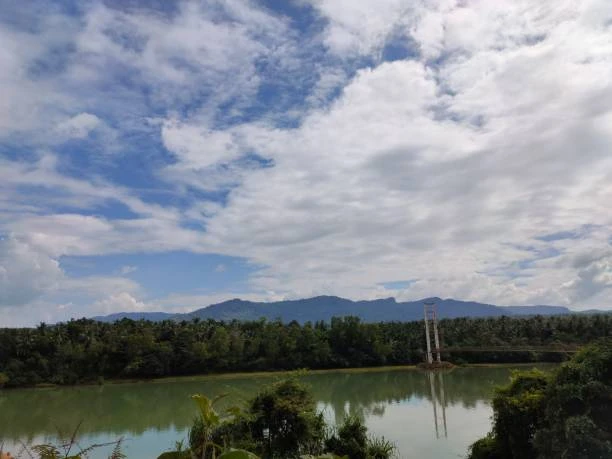
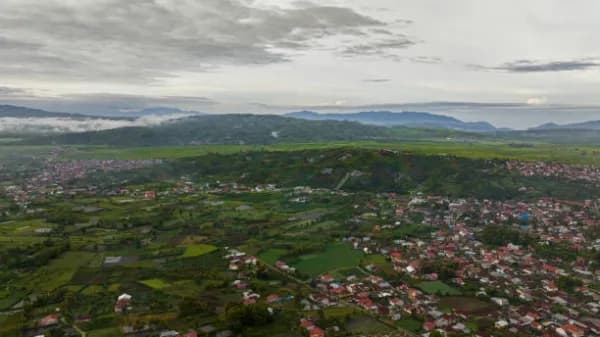
Sarolangun, a captivating district in Jambi, Indonesia, is a hidden gem nestled in the heart of Sumatra. Its rich history dates back to the ancient Malay kingdoms, where it served as a crucial trade route connecting various parts of the archipelago. The district is characterized by its lush landscapes, marked by a tapestry of dense forests, rivers, and mountainous terrains. Sarolangun is not just a geographical location; it embodies the spirit of the Jambi culture, where tradition harmoniously coexists with modernity.
The name 'Sarolangun' is derived from the local dialect, symbolizing a place of serenity and natural beauty. The district is bordered by the magnificent Bukit Duabelas National Park to the south, which is home to a variety of flora and fauna, making it a biodiversity hotspot. The vibe in Sarolangun is tranquil yet vibrant, with a blend of indigenous cultures and influences from neighboring regions creating a unique social fabric.
This district is also significant in the context of Jambi’s historical narrative. The area showcases remnants of the past, including ancient relics and archaeological sites that tell stories of its illustrious heritage. Visitors often describe the atmosphere as welcoming, with locals eager to share their stories and traditions, making Sarolangun a memorable destination for cultural enthusiasts and nature lovers alike.
When planning your stay in Sarolangun, you'll find a range of accommodation options that cater to various budgets. For luxury seekers, the Hotel Sarolangun Indah offers comfortable rooms and modern amenities, providing a serene retreat after a day of exploration. Located centrally, this hotel features stunning views of the surrounding landscapes, and its on-site restaurant serves a delightful mix of local and international cuisine.
If you're traveling on a budget, consider staying at guesthouses like Homestay Sarolangun, which offers affordable and cozy lodging. This guesthouse is managed by local families who provide a warm and inviting atmosphere. Staying here not only saves you money but also enriches your experience as you get to interact closely with the locals and immerse yourself in the culture of Jambi.
To navigate Sarolangun like a local, you can use various transportation options that reflect the area’s traditional lifestyle. Ojek (motorcycle taxis) are a popular choice among residents for short distances, offering a quick and efficient way to get around. Alternatively, bemos (minibuses) serve as the public transport system, connecting various parts of the district. For a more personal experience, consider renting a bicycle to explore the scenic routes at your own pace, allowing you to discover hidden corners of Sarolangun.
Beyond the charm of Sarolangun itself, there are several hidden gems worth exploring in the surrounding areas. One such destination is the Mount Masurai, a majestic peak that offers breathtaking views and hiking opportunities for adventure enthusiasts. The trek is relatively moderate, making it accessible for both experienced hikers and novices.
Another must-visit is the Bukit Duabelas National Park, where you can immerse yourself in the lush rainforest and spot diverse wildlife, including orangutans and exotic birds. This park is not only a place for adventure but also an opportunity to learn about the indigenous communities that inhabit the area, providing insights into their way of life and conservation efforts.
The best time to visit Sarolangun is during the dry season, which runs from May to September. During this period, the weather is relatively mild and perfect for outdoor activities and excursions. The months of July and August are particularly popular among tourists, as the region hosts several cultural festivals that showcase the rich heritage of Jambi.
However, if you wish to experience the vibrant greenery of the rainforest, visiting during the wet season (October to April) can also be rewarding, although you should be prepared for occasional rain showers. Each season presents a unique perspective on Sarolangun’s natural beauty, making it worthwhile to plan your trip according to your interests.
Sarolangun experiences a tropical rainforest climate, characterized by two distinct seasons: wet and dry. From January to March, the region receives the most rainfall, with temperatures averaging around 25-30°C (77-86°F). This period rejuvenates the landscape, resulting in lush greenery.
As you move into the dry season from May to September, temperatures rise slightly, reaching up to 33°C (91°F). This is the ideal time for outdoor activities and exploring the natural wonders of Jambi. October to December marks the transition back to the wet season, where rainfall begins to increase again, but the environment remains vibrant and alive.
The culture of Sarolangun is deeply rooted in the traditions of the indigenous Jambi people, who celebrate various festivals throughout the year. One of the most significant events is the Tabot Festival, held annually in honor of the martyrdom of Husayn ibn Ali. This festival features colorful parades, traditional music, and dances that attract locals and tourists alike.
Additionally, the people of Sarolangun are known for their hospitality and friendliness. Visitors are often welcomed with open arms, and engaging with the locals can provide fascinating insights into their customs and way of life. When visiting, it’s essential to respect local etiquette, such as dressing modestly and asking for permission before taking photographs of people or cultural events. This respect fosters a deeper connection between visitors and the vibrant culture of Jambi.
No visit to Sarolangun would be complete without indulging in the local cuisine, which reflects the diverse culinary heritage of Jambi. One must-try dish is Gulai Ikan, a spicy fish curry made with fresh ingredients, including coconut milk and various spices, showcasing the region's rich flavors.
Another popular dish is Rendang, a slow-cooked beef dish that is both tender and full of flavor. The culinary history of Jambi is steeped in the use of traditional spices and cooking methods, often passed down through generations. For those with a sweet tooth, Keripik Pisang (banana chips) offers a delightful snack that reflects the local agricultural practices and the abundance of tropical fruits.
Sarolangun is home to several notable landmarks that offer insights into the region's culture and natural beauty. Here are the top five attractions:
This expansive national park is a treasure trove of biodiversity, where visitors can explore lush rainforests, hike scenic trails, and spot unique wildlife. The park is also home to indigenous communities, providing a glimpse into their sustainable lifestyle.
A popular hiking destination, Mount Masurai offers stunning panoramic views of the surrounding landscapes. The trek to the summit is rewarding, with opportunities to encounter diverse flora and fauna along the way.
This museum showcases the rich cultural heritage of Jambi, featuring artifacts, traditional textiles, and historical documents that tell the story of the region. It’s an excellent place for history buffs to learn more about the local traditions.
Just a short drive from Sarolangun, this ancient temple complex is one of the largest in Southeast Asia. The ruins are a testament to Jambi's historical significance and architectural prowess during the Srivijaya Kingdom.
This eco-tourism destination offers visitors the chance to explore nature through guided treks, birdwatching, and cultural exchanges with local communities. This immersive experience allows for a deeper understanding of the environmental conservation efforts in the region.
Nearby places worth adding to your itinerary.
Top stays in Sarolangun picked for comfort, value, and great guest reviews.