HECT India logo
image

Explore South Korea

Explore deals, travel guides and things to do in South Korea

What to know before visiting South Korea

South Korea is an exciting and vibrant country located in East Asia. Known for its perfect blend of ancient traditions and modern technology, South Korea offers a wide variety of experiences for every type of traveler. From the bustling streets of Seoul to the serene beauty of its mountains and coastal cities, there is something for everyone in South Korea. This guide will take you through the best attractions, activities, food, transportation options, and travel tips to help you plan your visit to South Korea.

Location Overview of South Korea

South Korea is located on the southern half of the Korean Peninsula, bordered by North Korea to the north, the Sea of Japan (East Sea) to the east, the Yellow Sea to the west, and the Korea Strait to the south. The capital city, Seoul, is the heart of South Korea and serves as the economic, political, and cultural center of the country.

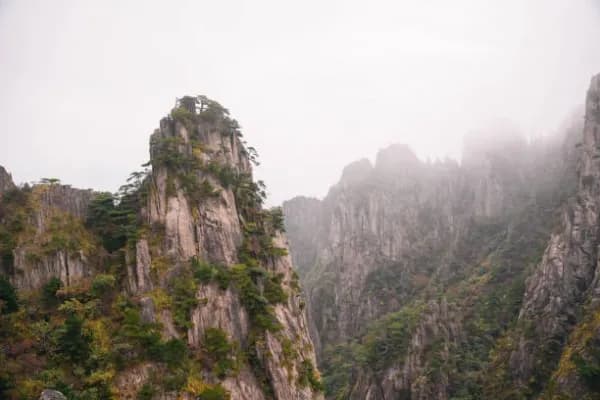
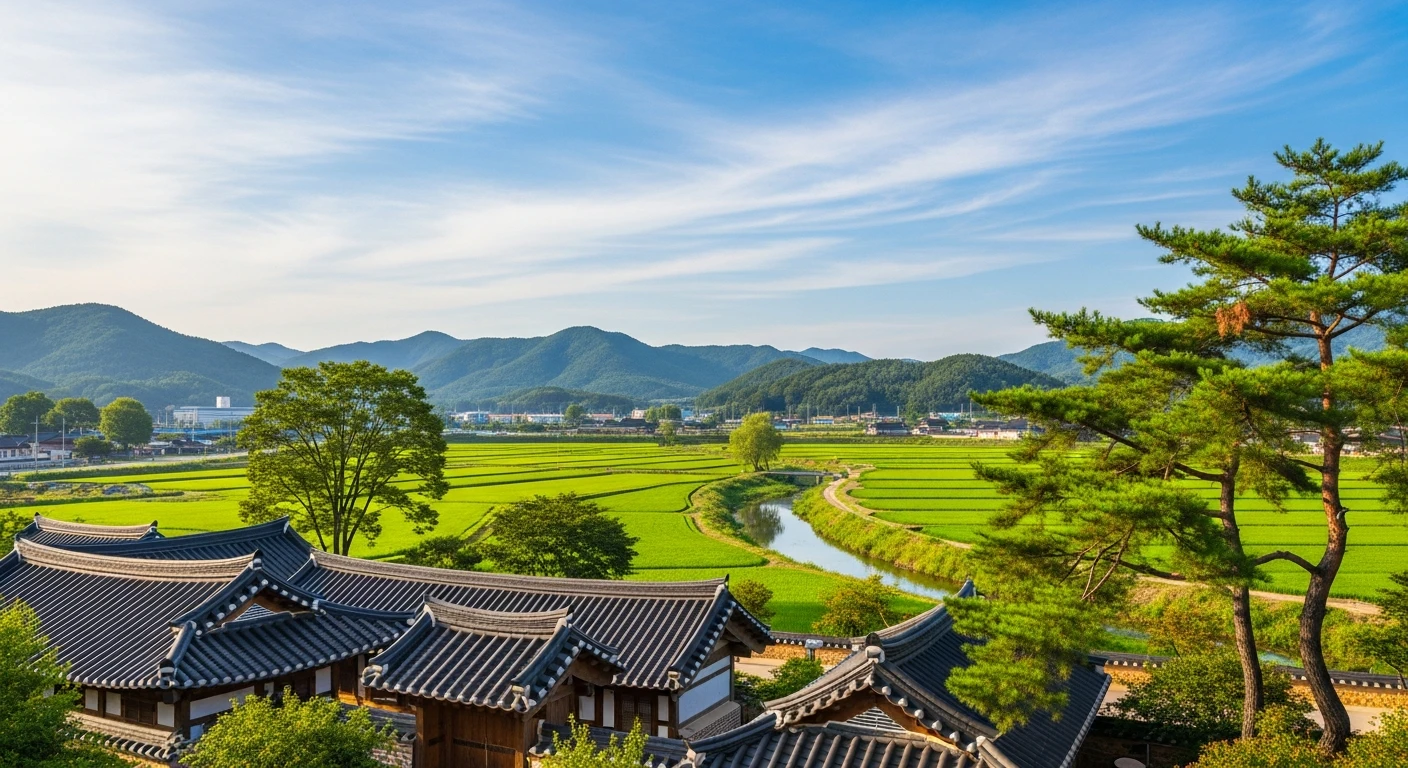
South Korea is known for its picturesque landscapes, which include lush mountains, beautiful beaches, and modern urban centers. The country experiences four distinct seasons, making it a year-round destination for tourists. Whether you’re interested in exploring the country’s rich history, hiking in national parks, or enjoying its vibrant city life, South Korea has something to offer every traveler.

Top Attractions and Activities in South Korea

South Korea is home to a variety of attractions that cater to different types of travelers. Whether you’re an adventure seeker, a history enthusiast, or a foodie, South Korea has something exciting for you to explore.

1. Seoul: The Heart of South Korea

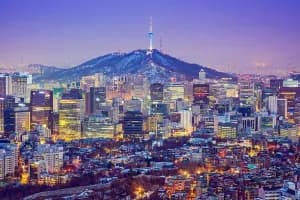
Seoul is one of the most dynamic cities in the world, offering a perfect mix of old and new. The city is home to stunning palaces, bustling shopping districts, modern skyscrapers, and lively neighborhoods. Here are some must-visit places in Seoul:

  • Gyeongbokgung Palace: One of the most famous and grand palaces in Korea. It’s a beautiful representation of Korea’s rich history and a great place to explore traditional Korean architecture.
  • Bukchon Hanok Village: A traditional village in the heart of Seoul, with well-preserved hanok (Korean traditional houses). Walking through the narrow streets will transport you to a different time.
  • Myeongdong Shopping Street: A bustling area perfect for shopping, street food, and experiencing the vibrant city life of Seoul.
  • N Seoul Tower: Offering panoramic views of the city, N Seoul Tower is a must-visit spot for those wanting to see the city from above, especially at night when the city lights shine brightly.

2. Busan: Coastal Beauty and Relaxation

Busan, South Korea’s second-largest city, is located on the southeastern coast. Known for its beautiful beaches and scenic views, Busan is a popular destination for tourists looking to relax and enjoy nature.

  • Haeundae Beach: One of South Korea’s most famous beaches. It’s ideal for relaxing by the sea, swimming, or enjoying beach festivals during the summer.
  • Gamcheon Culture Village: A colorful hillside village with unique art installations, narrow alleys, and vibrant street art. This charming place is a great spot for photography and cultural exploration.
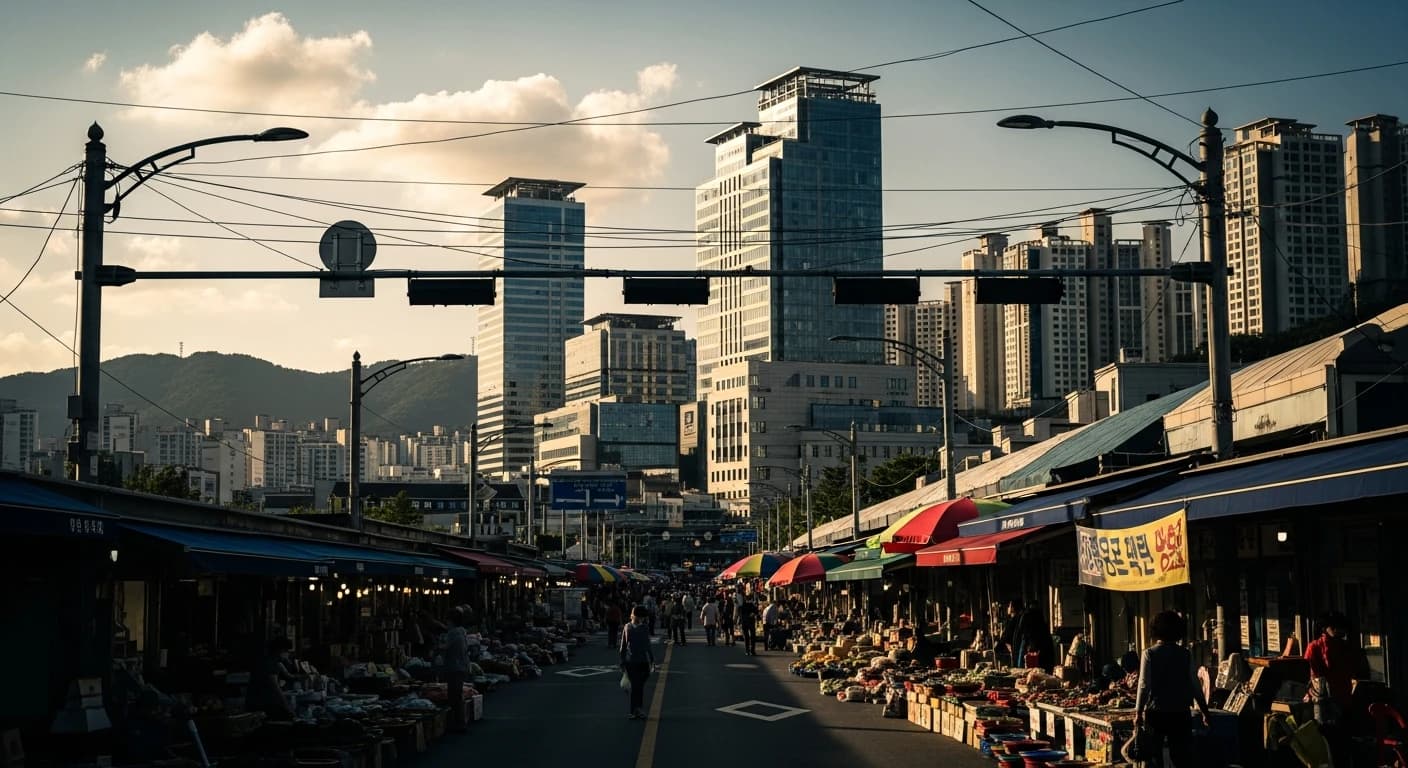
  • Jagalchi Fish Market: The largest seafood market in South Korea, where you can sample fresh seafood and experience local flavors.
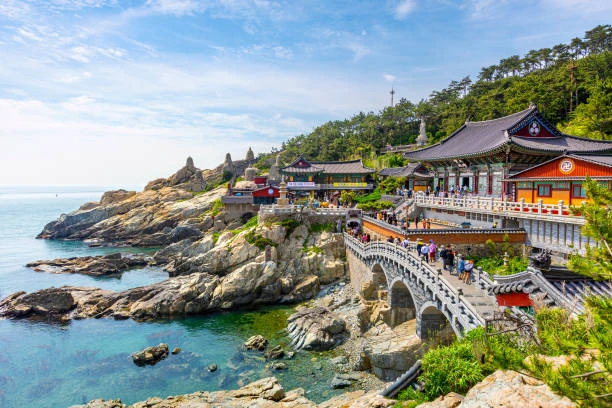
  • Beomeosa Temple: A historic Buddhist temple located on the slopes of the Geumjeongsan Mountain, offering peace and quiet with scenic mountain views.

3. Jeju Island: South Korea’s Paradise

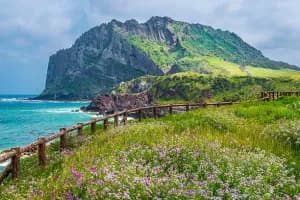
Jeju Island is South Korea’s most famous island destination, known for its natural beauty, beaches, and volcanic landscapes. The island is perfect for nature lovers and those seeking a peaceful getaway.

  • Hallasan National Park: A UNESCO Biosphere Reserve, Hallasan is an active shield volcano and the highest mountain in Jeju. Visitors can hike the trails and enjoy stunning views of the island.
  • Jeju Loveland: A unique outdoor sculpture park featuring erotic art, it is a fun and quirky attraction for adults.
  • Manjanggul Cave: One of the longest lava tubes in the world, this cave offers an incredible underground experience.
  • Jeongbang Waterfall: A beautiful waterfall that cascades directly into the ocean, offering scenic views and a relaxing atmosphere.

4. Korean Demilitarized Zone (DMZ)

A visit to the DMZ provides a unique opportunity to explore one of the most iconic and historically significant borders in the world. Located just north of Seoul, the DMZ marks the boundary between North and South Korea. Visitors can take guided tours to see the Joint Security Area (JSA), Dora Observatory, and the Third Tunnel, a secret tunnel that was used for North Korean infiltration.

5. Suwon Hwaseong Fortress

Hwaseong Fortress in Suwon is a UNESCO World Heritage site and a symbol of Korean military architecture. Built in the late 18th century, it offers visitors a glimpse into Korea’s past, with beautifully preserved walls, gates, and observation towers. You can walk along the fortress walls and enjoy views of the surrounding city.

Connectivity: Getting to and Around South Korea

International Connectivity

South Korea is well-connected to the rest of the world through its international airports. Incheon International Airport (ICN), located near Seoul, is one of the busiest airports in the world and offers flights to and from most major cities globally. Gimpo International Airport is another airport that serves domestic and regional flights.

Local Connectivity

Getting around South Korea is easy and efficient. The country has an excellent public transport system, including buses, subways, and high-speed trains.

  • Subway: South Korea’s subway system is extensive, especially in Seoul, where it covers most parts of the city and is easy to navigate for tourists. The T-money card can be used for subway rides, buses, and even taxis.
  • Buses: Buses are available throughout South Korea, including express buses for traveling between cities. The bus system is affordable and well-organized.
  • High-Speed Trains: The KTX (Korea Train Express) is South Korea’s high-speed train system that connects major cities such as Seoul, Busan, and Daejeon. It’s one of the fastest and most convenient ways to travel long distances.

Taxis and ride-sharing services like KakaoTaxi are also available, but public transport is generally more affordable and efficient.

Things to Explore Around South Korea

South Korea is surrounded by beautiful landscapes, mountains, and historical towns that are worth exploring.

  • Gyeongju: Known as the “museum without walls,” Gyeongju is home to ancient royal tombs, temples, and palaces from the Silla Dynasty. Some highlights include the Seokguram Grotto and the Bulguksa Temple.
  • Gangwon-do: A region known for its beautiful mountains and nature, perfect for hiking and winter sports. The Pyeongchang area, known for hosting the 2018 Winter Olympics, is a great place to visit for skiing or snowboarding in winter.
  • Andong: A city known for its well-preserved Hahoe Folk Village, where visitors can experience traditional Korean culture, performances, and architecture.

Food Options in South Korea

South Korean cuisine is diverse, flavorful, and an essential part of the country’s culture. Some popular dishes to try include:

  • Kimchi: A fermented dish made from vegetables and chili pepper, often served with almost every meal.
  • Bibimbap: A rice dish served with vegetables, meat (usually beef), a fried egg, and spicy gochujang (chili paste).
  • Bulgogi: Marinated beef that is grilled or stir-fried, usually served with rice and side dishes.
  • Tteokbokki: Spicy rice cakes served with fish cakes, a popular street food.
  • Samgyeopsal: Grilled pork belly, often eaten with lettuce wraps and a variety of side dishes.

For dessert, try Bingsu, a shaved ice dessert with toppings like red bean paste, fruit, and condensed milk.

Unique Selling Points of South Korea

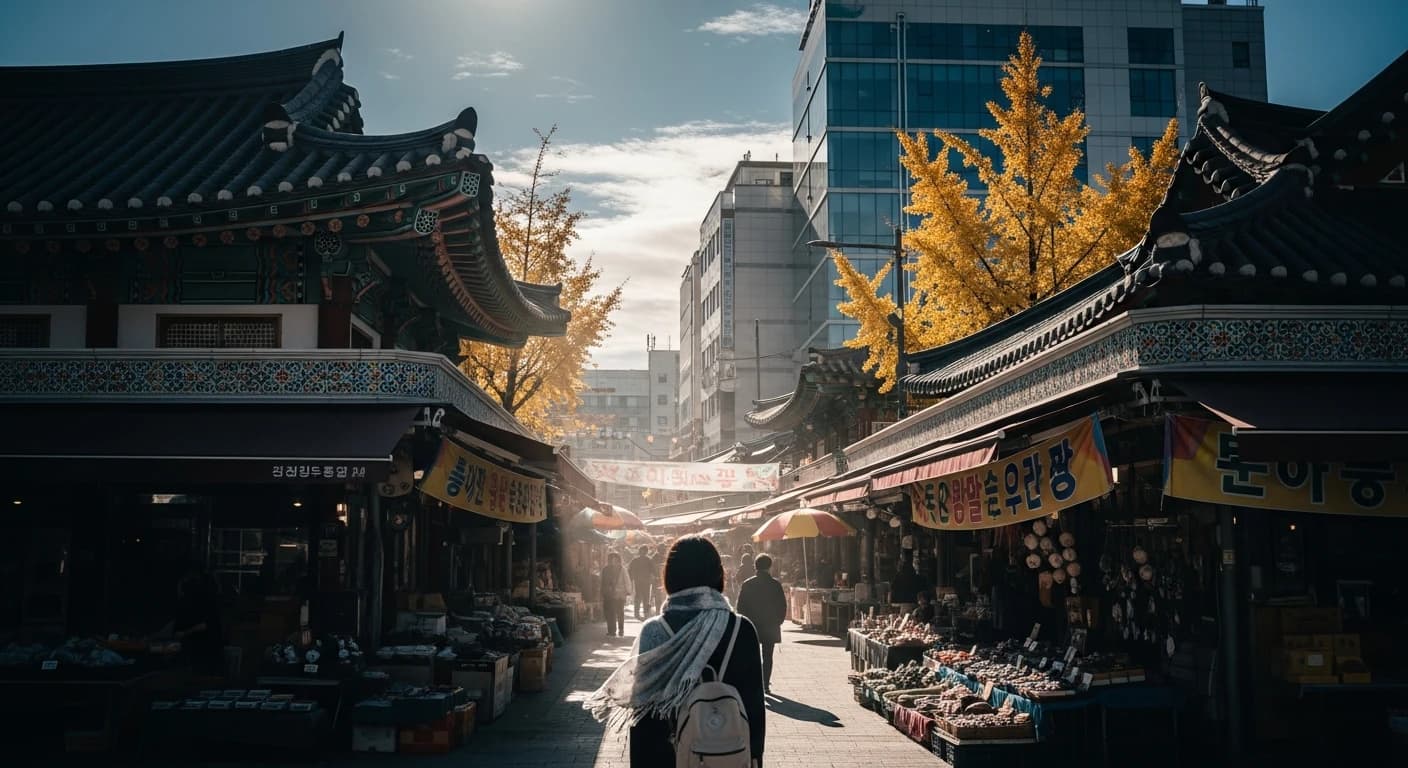
  1. Blend of Tradition and Modernity: South Korea offers a unique combination of modern skyscrapers and traditional temples, making it perfect for travelers who want to experience both.
  2. Vibrant Culture: With its rich history, traditional festivals, and cutting-edge technology, South Korea offers a diverse cultural experience.
  3. Natural Beauty: From mountains and beaches to tranquil islands, South Korea’s natural landscapes are perfect for outdoor enthusiasts and photographers.
  4. K-pop and Entertainment: South Korea is the birthplace of K-pop, and fans from around the world flock to the country to experience the music scene firsthand. You can also visit filming locations for popular Korean dramas.
  5. Delicious Food: South Korean food is flavorful, fresh, and full of variety. Every meal is an opportunity to try something new and exciting.

Best Time to Visit South Korea

The best time to visit South Korea is during the spring (April to June) and fall (September to November) when the weather is mild, and the landscapes are at their most beautiful. Spring is known for its cherry blossoms, while fall brings colorful autumn leaves to the countryside and mountains.

The summer months (June to August) can be hot and humid, while winter (December to February) can be cold, especially in northern regions, but it’s perfect for skiing and winter sports.

Average Time to Visit South Korea

Most travelers spend 7 to 10 days in South Korea, which allows enough time to explore major attractions in cities like Seoul, Busan, and Jeju Island. For a deeper exploration of the country’s history and nature, consider staying for 2 weeks.South Korea is an exciting and vibrant country located in East Asia. Known for its perfect blend of ancient traditions and modern technology, South Korea offers a wide variety of experiences for every type of traveler. From the bustling streets of Seoul to the serene beauty of its mountains and coastal cities, there is something for everyone in South Korea. This guide will take you through the best attractions, activities, food, transportation options, and travel tips to help you plan your visit to South Korea.

Location Overview of South Korea

South Korea is located on the southern half of the Korean Peninsula, bordered by North Korea to the north, the Sea of Japan (East Sea) to the east, the Yellow Sea to the west, and the Korea Strait to the south. The capital city, Seoul, is the heart of South Korea and serves as the economic, political, and cultural center of the country.

South Korea is known for its picturesque landscapes, which include lush mountains, beautiful beaches, and modern urban centers. The country experiences four distinct seasons, making it a year-round destination for tourists. Whether you’re interested in exploring the country’s rich history, hiking in national parks, or enjoying its vibrant city life, South Korea has something to offer every traveler.

Top Attractions and Activities in South Korea

South Korea is home to a variety of attractions that cater to different types of travelers. Whether you’re an adventure seeker, a history enthusiast, or a foodie, South Korea has something exciting for you to explore.

1. Seoul: The Heart of South Korea

Seoul is one of the most dynamic cities in the world, offering a perfect mix of old and new. The city is home to stunning palaces, bustling shopping districts, modern skyscrapers, and lively neighborhoods. Here are some must-visit places in Seoul:

  • Gyeongbokgung Palace: One of the most famous and grand palaces in Korea. It’s a beautiful representation of Korea’s rich history and a great place to explore traditional Korean architecture.
  • Bukchon Hanok Village: A traditional village in the heart of Seoul, with well-preserved hanok (Korean traditional houses). Walking through the narrow streets will transport you to a different time.
  • Myeongdong Shopping Street: A bustling area perfect for shopping, street food, and experiencing the vibrant city life of Seoul.
  • N Seoul Tower: Offering panoramic views of the city, N Seoul Tower is a must-visit spot for those wanting to see the city from above, especially at night when the city lights shine brightly.

2. Busan: Coastal Beauty and Relaxation

Busan, South Korea’s second-largest city, is located on the southeastern coast. Known for its beautiful beaches and scenic views, Busan is a popular destination for tourists looking to relax and enjoy nature.

  • Haeundae Beach: One of South Korea’s most famous beaches. It’s ideal for relaxing by the sea, swimming, or enjoying beach festivals during the summer.
  • Gamcheon Culture Village: A colorful hillside village with unique art installations, narrow alleys, and vibrant street art. This charming place is a great spot for photography and cultural exploration.
  • Jagalchi Fish Market: The largest seafood market in South Korea, where you can sample fresh seafood and experience local flavors.
  • Beomeosa Temple: A historic Buddhist temple located on the slopes of the Geumjeongsan Mountain, offering peace and quiet with scenic mountain views.

3. Jeju Island: South Korea’s Paradise

Jeju Island is South Korea’s most famous island destination, known for its natural beauty, beaches, and volcanic landscapes. The island is perfect for nature lovers and those seeking a peaceful getaway.

  • Hallasan National Park: A UNESCO Biosphere Reserve, Hallasan is an active shield volcano and the highest mountain in Jeju. Visitors can hike the trails and enjoy stunning views of the island.
  • Jeju Loveland: A unique outdoor sculpture park featuring erotic art, it is a fun and quirky attraction for adults.
  • Manjanggul Cave: One of the longest lava tubes in the world, this cave offers an incredible underground experience.
  • Jeongbang Waterfall: A beautiful waterfall that cascades directly into the ocean, offering scenic views and a relaxing atmosphere.

4. Korean Demilitarized Zone (DMZ)

A visit to the DMZ provides a unique opportunity to explore one of the most iconic and historically significant borders in the world. Located just north of Seoul, the DMZ marks the boundary between North and South Korea. Visitors can take guided tours to see the Joint Security Area (JSA), Dora Observatory, and the Third Tunnel, a secret tunnel that was used for North Korean infiltration.

5. Suwon Hwaseong Fortress

Hwaseong Fortress in Suwon is a UNESCO World Heritage site and a symbol of Korean military architecture. Built in the late 18th century, it offers visitors a glimpse into Korea’s past, with beautifully preserved walls, gates, and observation towers. You can walk along the fortress walls and enjoy views of the surrounding city.

Connectivity: Getting to and Around South Korea

International Connectivity

South Korea is well-connected to the rest of the world through its international airports. Incheon International Airport (ICN), located near Seoul, is one of the busiest airports in the world and offers flights to and from most major cities globally. Gimpo International Airport is another airport that serves domestic and regional flights.

Local Connectivity

Getting around South Korea is easy and efficient. The country has an excellent public transport system, including buses, subways, and high-speed trains.

  • Subway: South Korea’s subway system is extensive, especially in Seoul, where it covers most parts of the city and is easy to navigate for tourists. The T-money card can be used for subway rides, buses, and even taxis.
  • Buses: Buses are available throughout South Korea, including express buses for traveling between cities. The bus system is affordable and well-organized.
  • High-Speed Trains: The KTX (Korea Train Express) is South Korea’s high-speed train system that connects major cities such as Seoul, Busan, and Daejeon. It’s one of the fastest and most convenient ways to travel long distances.

Taxis and ride-sharing services like KakaoTaxi are also available, but public transport is generally more affordable and efficient.

Things to Explore Around South Korea

South Korea is surrounded by beautiful landscapes, mountains, and historical towns that are worth exploring.

  • Gyeongju: Known as the “museum without walls,” Gyeongju is home to ancient royal tombs, temples, and palaces from the Silla Dynasty. Some highlights include the Seokguram Grotto and the Bulguksa Temple.
  • Gangwon-do: A region known for its beautiful mountains and nature, perfect for hiking and winter sports. The Pyeongchang area, known for hosting the 2018 Winter Olympics, is a great place to visit for skiing or snowboarding in winter.
  • Andong: A city known for its well-preserved Hahoe Folk Village, where visitors can experience traditional Korean culture, performances, and architecture.

Food Options in South Korea

South Korean cuisine is diverse, flavorful, and an essential part of the country’s culture. Some popular dishes to try include:

  • Kimchi: A fermented dish made from vegetables and chili pepper, often served with almost every meal.
  • Bibimbap: A rice dish served with vegetables, meat (usually beef), a fried egg, and spicy gochujang (chili paste).
  • Bulgogi: Marinated beef that is grilled or stir-fried, usually served with rice and side dishes.
  • Tteokbokki: Spicy rice cakes served with fish cakes, a popular street food.
  • Samgyeopsal: Grilled pork belly, often eaten with lettuce wraps and a variety of side dishes.

For dessert, try Bingsu, a shaved ice dessert with toppings like red bean paste, fruit, and condensed milk.

Unique Selling Points of South Korea

  1. Blend of Tradition and Modernity: South Korea offers a unique combination of modern skyscrapers and traditional temples, making it perfect for travelers who want to experience both.
  2. Vibrant Culture: With its rich history, traditional festivals, and cutting-edge technology, South Korea offers a diverse cultural experience.
  3. Natural Beauty: From mountains and beaches to tranquil islands, South Korea’s natural landscapes are perfect for outdoor enthusiasts and photographers.
  4. K-pop and Entertainment: South Korea is the birthplace of K-pop, and fans from around the world flock to the country to experience the music scene firsthand. You can also visit filming locations for popular Korean dramas.
  5. Delicious Food: South Korean food is flavorful, fresh, and full of variety. Every meal is an opportunity to try something new and exciting.

Best Time to Visit South Korea

The best time to visit South Korea is during the spring (April to June) and fall (September to November) when the weather is mild, and the landscapes are at their most beautiful. Spring is known for its cherry blossoms, while fall brings colorful autumn leaves to the countryside and mountains.

The summer months (June to August) can be hot and humid, while winter (December to February) can be cold, especially in northern regions, but it’s perfect for skiing and winter sports.

Average Time to Visit South Korea

Most travelers spend 7 to 10 days in South Korea, which allows enough time to explore major attractions in cities like Seoul, Busan, and Jeju Island. For a deeper exploration of the country’s history and nature, consider staying for 2 weeks.

Local weather

Loading weather for South Korea...

General info

Time Zone
N/A
Local time zone
Currency
N/A
Loading...
Language
Loading...
Primary spoken
Coordinates
35.3346, 127.5037
Latitude, Longitude
Region
South Korea
South Korea
Country
Loading...
Country information

Recommended Hotels

Top stays in South Korea picked for comfort, value, and great guest reviews.

Most Popular Attractions

Discover must-visit attractions and activities around South Korea.

Logo

Newsletter

Logo