Abingdon
Explore stays
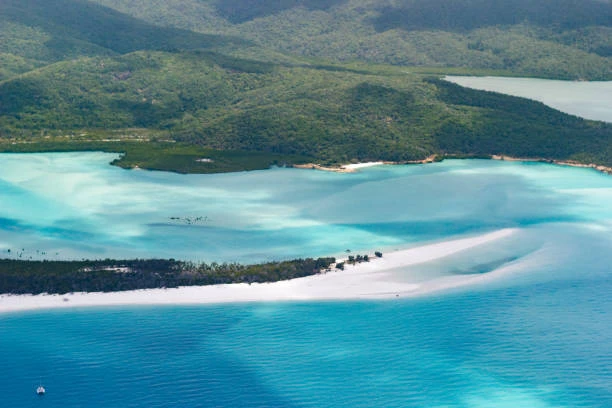
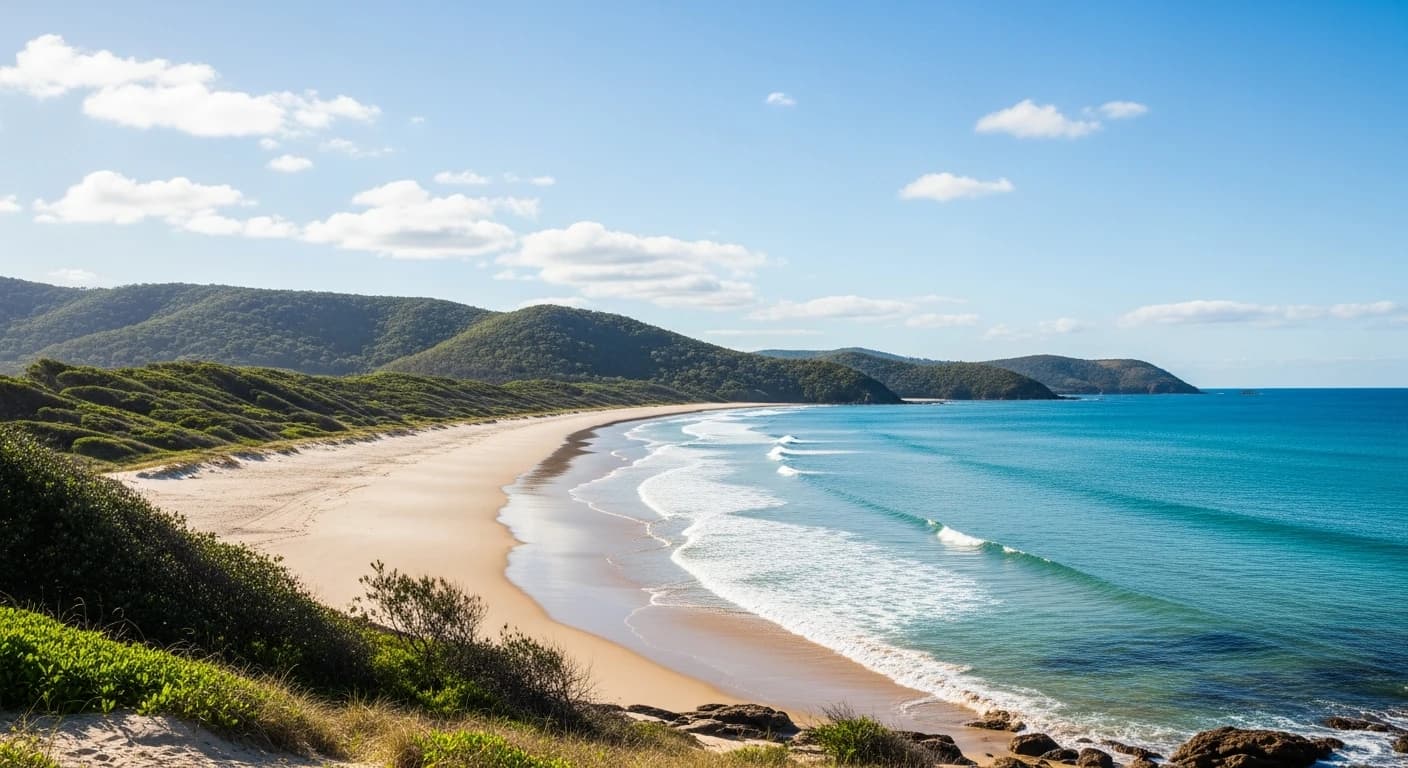
Stephens Island, Queensland, Australia, is a remote and beautiful destination that offers a unique experience for travelers. This secluded island, located off the coast of Far North Queensland, is a hidden gem known for its stunning natural beauty, diverse wildlife, and peaceful surroundings. Whether you are a nature lover, an adventure seeker, or someone looking for a tranquil retreat, Stephens Island has something for everyone.
In this guide, we will take a closer look at what makes Stephens Island such a special place to visit. From its location and connectivity to the things you can explore around it, we’ll cover all the essential details to help you plan your trip.
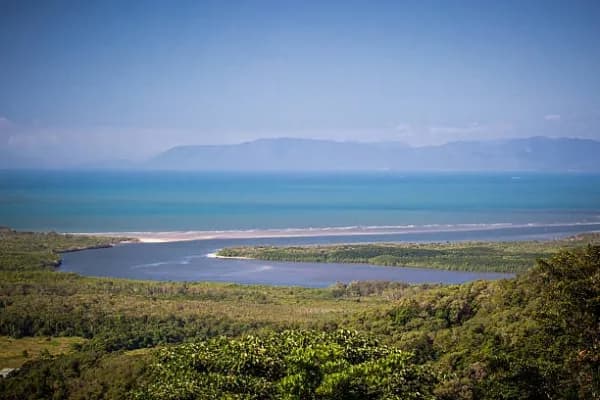
Stephens Island is part of the Great Barrier Reef Marine Park, situated about 50 kilometers north of the larger Cape York Peninsula. It is located within the Torres Strait region, which lies between mainland Australia and Papua New Guinea. The island is relatively small, measuring just over 2 square kilometers in size, and is known for its rugged terrain, pristine beaches, and unique wildlife.
The island is uninhabited, with only a small staff living on the island to help manage the nature reserve and lighthouse. It is mostly known for its pristine natural environment, making it an ideal location for ecotourism and wildlife observation. Stephens Island is a great place for those who want to escape from the hustle and bustle of everyday life and immerse themselves in nature.
Local Connectivity:
Stephens Island is located off the coast of Far North Queensland, and access to the island is limited to boat and small aircraft travel. The nearest point for travelers to reach Stephens Island is the town of Seisia, located on the northern tip of Cape York Peninsula. Seisia is accessible by road from Cairns, which is approximately 1,700 kilometers to the south.
Once in Seisia, visitors can arrange a boat transfer to Stephens Island. The boat ride from Seisia to Stephens Island takes about an hour and offers stunning views of the surrounding islands and coral reefs.
International Connectivity:
For international travelers, the closest major airport is Cairns Airport, which is around 1,700 kilometers south of Stephens Island. Cairns is well connected to major cities in Australia and international destinations. From Cairns, visitors can take a flight to Horn Island, which is the closest airstrip to Seisia. Once in Horn Island, it is a short boat trip to Seisia, and then a boat transfer to Stephens Island.
Stephens Island is all about nature and wildlife, and there are several key attractions that make this destination a haven for nature lovers. Below are the top things to do and explore on and around the island.
One of the most iconic landmarks on Stephens Island is its historic lighthouse. The lighthouse was built in 1886 and has been a vital navigation aid for ships traveling through the Torres Strait. The lighthouse is situated on the highest point of the island and offers stunning panoramic views of the surrounding sea and nearby islands. Visitors can hike up to the lighthouse and enjoy the breathtaking scenery along the way.
The lighthouse is not only an important historical site but also a fantastic spot for photography, with its striking white and red stripes standing out against the lush greenery of the island.
Stephens Island is home to a range of unique wildlife, making it a top destination for eco-tourism and nature photography. One of the island's most famous residents is the Stephens Island bandicoot, a nocturnal marsupial that was thought to be extinct until it was rediscovered in the 1990s.
In addition to the bandicoot, the island is home to a variety of seabirds, reptiles, and marine life. It is a great spot for birdwatching, particularly for those interested in spotting seabirds such as the black noddy and brown booby. The surrounding waters are also home to dolphins, turtles, and fish, making it an excellent spot for snorkeling and diving.
Stephens Island’s waters are part of the Great Barrier Reef Marine Park, making it a fantastic location for snorkeling and diving. The surrounding coral reefs are home to a diverse array of marine life, including colorful fish, sea turtles, and even the occasional reef shark.
While the island itself is not known for its beach resorts or tourist facilities, the unspoiled natural beauty of the reefs and surrounding marine environments makes it a wonderful spot for those looking to dive into a pristine underwater world.
The beaches on Stephens Island are secluded and pristine, making them perfect for a quiet day of beachcombing, swimming, or simply relaxing by the shore. With the warm waters of the Coral Sea surrounding the island, visitors can enjoy a refreshing swim or just unwind in the peaceful surroundings.
As the island is relatively untouched, the beaches are not crowded, giving you the opportunity to enjoy the natural beauty in peace. There are also various opportunities for hiking along the coast, allowing visitors to explore the island’s coastline and secluded coves.
For those who enjoy hiking, Stephens Island offers several nature trails that allow visitors to explore the island’s rugged terrain and lush vegetation. These walking trails take you through tropical forests, along rocky cliffs, and to the top of the island, where the lighthouse provides stunning views.
The island’s varied landscapes, including its dense forests and rocky outcrops, make it an ideal destination for outdoor enthusiasts and nature lovers. Whether you're looking for a short walk or a longer hike, there are plenty of opportunities to enjoy the untouched wilderness of the island.
While Stephens Island is relatively isolated, its accessibility from Cairns via Seisia and Horn Island makes it an achievable destination for those who are keen to explore remote, natural environments.
There are no significant food establishments on Stephens Island itself, as it is a small, uninhabited nature reserve. Most visitors to the island will need to bring their own food and supplies. If you are staying in Seisia or Horn Island before visiting, you can stock up on food in those towns.
In Seisia, there are a few local shops where you can buy basic provisions, as well as restaurants serving fresh local seafood and Australian cuisine. Additionally, there are a few accommodation options in the nearby area, where meals may be provided or available for purchase.
If you're planning to visit Stephens Island as part of a day trip, it’s recommended to pack a picnic, as well as plenty of water, especially since facilities on the island are limited.
Stephens Island is remote, and the best way to access it is by private boat or small charter flight from Seisia or Horn Island. While there are no public transport options directly to the island, once you're in Seisia or Horn Island, you can easily arrange boat transfers.
Nearby attractions include the beautiful beaches of Cape York Peninsula, as well as other islands in the Torres Strait. For a unique cultural experience, you can also visit the nearby Thursday Island, which is known for its rich Indigenous culture and history.
The best time to visit Stephens Island is during the dry season, which runs from May to October. During this time, the weather is pleasant with lower humidity, making outdoor activities like hiking, snorkeling, and wildlife watching more enjoyable. The wet season (November to April) brings higher rainfall and the potential for storms, which could limit outdoor activities.
A visit to Stephens Island typically lasts between one and two days. Many travelers choose to visit the island as part of a larger itinerary in Far North Queensland, staying in nearby towns like Seisia or Horn Island. Depending on the number of activities you'd like to experience, you can plan for a day trip or a longer stay.
Nearby places worth adding to your itinerary.