Dah-Hanu
Explore stays
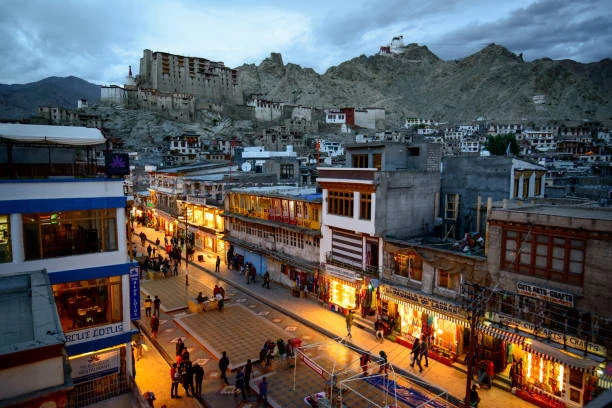
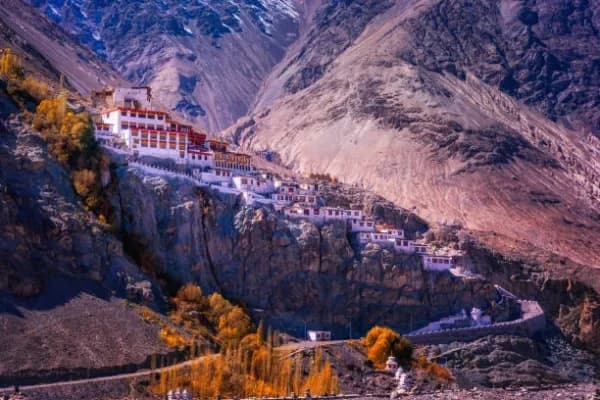
Stok Kangri, standing majestically at 6,153 meters (20,187 feet), is one of the most sought-after trekking peaks in the Indian Himalayas, located in the Leh region of Ladakh. This stunning mountain, part of the Stok Range, serves as a captivating backdrop for adventure seekers and nature enthusiasts alike. Historically, the Stok region was home to the royal family of Ladakh, and the village of Stok, located at its base, still echoes the legacy of its regal past, with ancient monasteries and traditional Ladakhi architecture dotting the landscape.
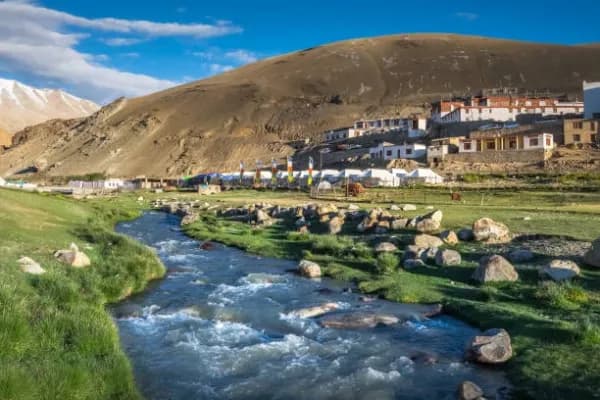
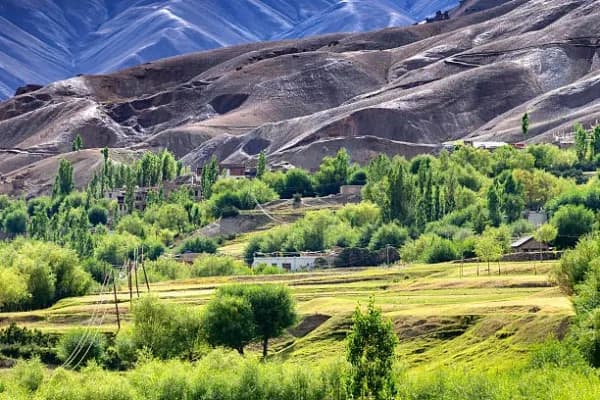
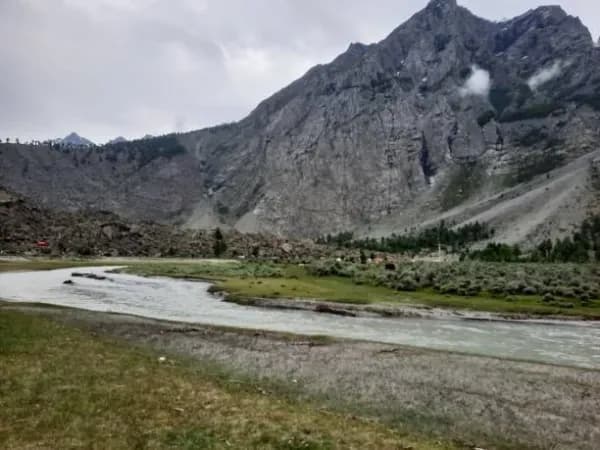
The geography surrounding Stok Kangri is nothing short of breathtaking. Towering peaks, deep valleys, and glacial rivers create a surreal environment that feels almost otherworldly. The vibrant colors of the landscape change with the seasons, from the stark whites of winter snow to the lush greens of summer. The vibe in Leh is a harmonious blend of tranquility and adventure, attracting both spiritual seekers and thrill-seekers.
The allure of Stok Kangri lies not only in its physical attributes but also in the cultural richness of the region. The local Ladakhi people, known for their hospitality, embody the spirit of resilience and peace. Trekking to the summit offers not just a physical challenge but also a deep connection with nature and the traditions of the land. As you traverse through ancient trade routes that once connected Tibet and India, you can almost hear the whispers of centuries past.
When planning your stay in Leh, there are options for every type of traveler. The areas around Leh, especially near the main market, offer a plethora of accommodations ranging from luxury hotels to budget guesthouses. For those seeking a lavish experience, the Grand Dragon Hotel and the Leh Palace Hotel provide stunning views of the Himalayas, along with top-notch amenities and services.
For budget travelers, guesthouses like the Namgyal Palace Hotel and various homestays provide a cozy atmosphere at affordable prices. Staying in a homestay allows you to experience Ladakhi culture firsthand, often with home-cooked meals and personalized service. It's advisable to book in advance, especially during the peak tourist season from May to September, to secure the best rates and locations.
Navigating Leh is relatively straightforward, with various local transportation options available. Taxis are the most convenient mode of transport, and they can be hired for both local sightseeing and longer journeys to Stok Kangri. Shared taxis are also popular among budget travelers, offering a more affordable way to reach different destinations.
Bicycles and scooters can be rented from local shops, providing a fun and eco-friendly way to explore the scenic routes around Leh. Walking is also a delightful option, especially within the town, allowing you to immerse yourself in the local culture and vibrant street life.
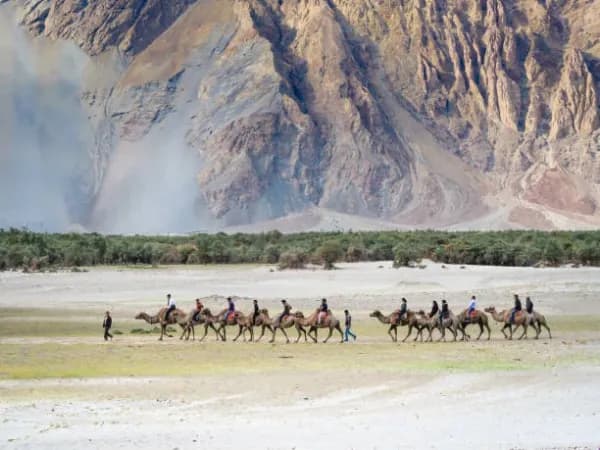
Beyond Stok Kangri, the Leh region is ripe with excursions to hidden gems that often go unnoticed. One such treasure is the picturesque village of Nubra Valley, accessible via the thrilling Khardung La Pass, one of the highest motorable roads in the world. Nubra features mesmerizing sand dunes, and the unique double-humped Bactrian camels can be seen roaming this desert-like landscape.
Another must-visit destination is Pangong Lake, famous for its shimmering blue waters that change colors throughout the day. The lake is a picturesque location for camping and photography, drawing visitors for its surreal beauty. Lastly, the ancient monasteries of Hemis and Thiksey, rich in history and spirituality, provide profound insights into Tibetan Buddhism and the region's heritage.
The best time to visit Stok Kangri and Leh is during the summer months from late May to early September. This period is characterized by clear skies, warmer temperatures, and accessible trekking routes, making it ideal for adventure activities. June and July are particularly popular, as the snow has melted, revealing lush landscapes.
For those interested in snow trekking and a quieter experience, late September to early October can be rewarding, although the weather is unpredictable. Winter months from November to March are harsh, with heavy snowfall making the region largely inaccessible, but they offer a different kind of beauty and tranquility.
The weather in Leh varies dramatically throughout the year. In January and February, temperatures can plummet to -20°C (-4°F), blanketing the region in snow. March sees a gradual warming, with temperatures rising to around 5°C (41°F) as spring begins to emerge.
By April and May, temperatures range from 10°C to 20°C (50°F to 68°F), making it a pleasant time for trekking. The summer months of June, July, and August are warmer, with daytime temperatures reaching up to 25°C (77°F). However, nights can still be chilly, requiring warm clothing. As autumn approaches in September, temperatures start to drop again, making it an excellent time for trekking as the landscapes become vibrant with fall colors.
The culture of Leh is a beautiful tapestry woven from Tibetan Buddhist traditions, local customs, and the influences of various ethnic groups. Major festivals like Hemis and Losar (Ladakhi New Year) are celebrated with great fervor, showcasing colorful masks, traditional dances, and vibrant music, reflecting the region's spiritual heritage.
The people of Leh are known for their warmth and hospitality. Engaging with locals during your visit can enrich your experience, allowing you to learn about their traditions and lifestyles. When interacting with the Ladakhis, it’s respectful to greet them with a smile and a gentle nod. Dress modestly, especially when visiting monasteries, to honor their customs and beliefs.
Ladakhi cuisine is a delightful fusion of Tibetan, Indian, and Central Asian influences. Must-try dishes include momos (dumplings) filled with meat or vegetables, thukpa (noodle soup), and the unique piquant flavors of skyu, a traditional pasta dish.
The culinary history of the region reflects its geographical location, with ingredients sourced locally, such as barley, potatoes, and dairy products. Street food stalls in Leh serve delicious local snacks, allowing you to experience authentic flavors on the go. Don't miss out on tasting the refreshing butter tea, a staple among the locals.
1. **Hemis Monastery**: One of the largest and richest monasteries in Ladakh, Hemis Monastery is famous for its annual festival celebrated in June, featuring colorful masks and traditional dances. The monastery houses a treasure trove of ancient artifacts and offers stunning views of the surrounding mountains.
2. **Thiksey Monastery**: Perched on a hilltop, Thiksey Monastery is an architectural marvel that resembles the Potala Palace in Lhasa. It is renowned for its 15-meter tall Maitreya Buddha statue and offers breathtaking views of the Indus Valley.
3. **Leh Palace**: This 17th-century palace, once the residence of the royal family, features stunning architecture and panoramic views of Leh. Visitors can explore the ruins and learn about the royal history of the region.
4. **Pangong Lake**: Famous for its mesmerizing blue waters and stunning landscapes, Pangong Lake is a must-visit for photographers and nature lovers. It is a serene place to relax and enjoy the beauty of nature.
5. **Khardung La Pass**: Known as the highest motorable road in the world, Khardung La offers exhilarating views and a sense of adventure. The drive to this pass is a thrilling experience and a gateway to the Nubra Valley.
Nearby places worth adding to your itinerary.
Top stays in Stok Kangri picked for comfort, value, and great guest reviews.