
Adas
Explore stays
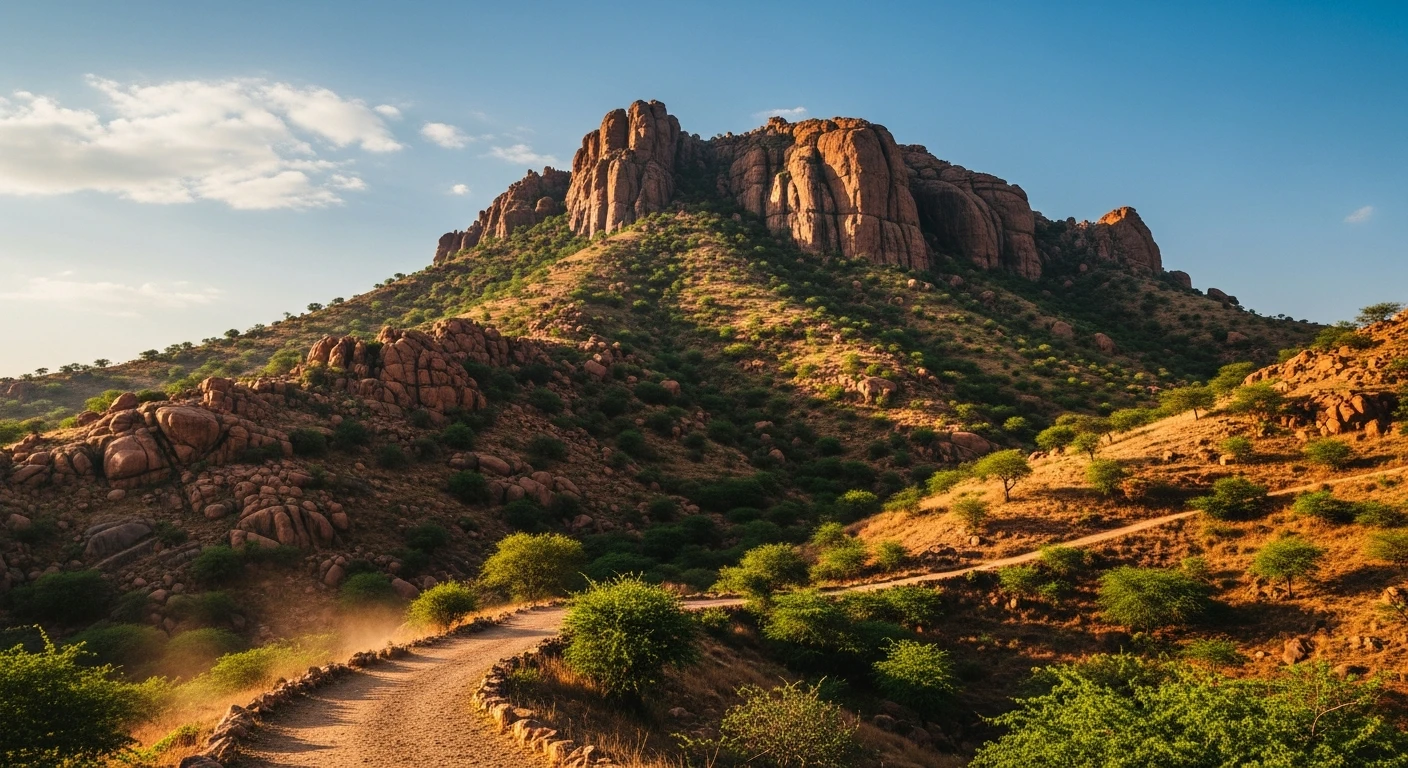
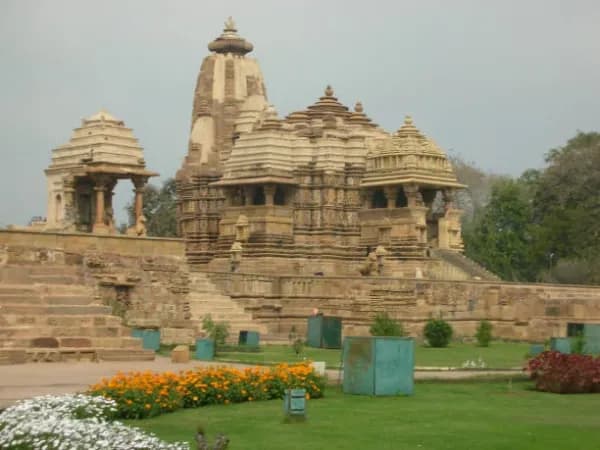
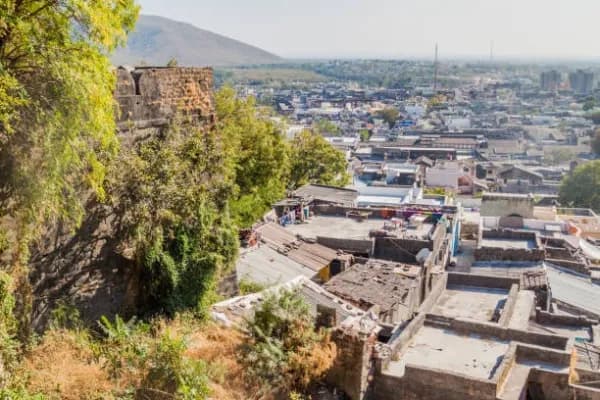
Taranga Hill, a serene and spiritual destination nestled in the Aravalli Range in Gujarat, India, is a place of immense historical and religious significance. The hill is renowned for its ancient Jain temples, particularly the Taranga Jain Temple, which dates back to the 12th century. This temple was built under the patronage of the Solanki dynasty and is a testament to the grandeur of Jain architectural style. The hill itself is a tranquil oasis, surrounded by lush greenery and offering breathtaking views of the surrounding landscapes.
Geographically, Taranga Hill is located approximately 130 kilometers from Ahmedabad, making it an accessible yet secluded getaway for those seeking peace and introspection. The hill is part of the larger Aravalli mountain range, which is one of the oldest mountain ranges in India. The vibe here is serene and spiritual, attracting pilgrims and tourists alike who come to soak in the tranquility and explore the rich cultural tapestry that Gujarat offers.
Visitors to Taranga Hill can expect a journey that not only enriches their spiritual understanding but also offers a deep dive into the history and culture of Gujarat. The hill is surrounded by dense forests and offers opportunities for trekking and nature walks, making it a perfect destination for nature lovers and adventure enthusiasts. The air here is filled with the chants of monks and the rustling of leaves, creating a meditative atmosphere that is hard to find elsewhere.
When visiting Taranga Hill, travelers have a variety of accommodation options to choose from, catering to different budgets and preferences. For those seeking luxury, the nearby city of Mehsana offers several high-end hotels and resorts that provide top-notch amenities and services. These establishments often offer guided tours and transportation services to Taranga Hill, ensuring a comfortable and hassle-free experience.
For budget travelers, there are numerous guesthouses and lodges in the vicinity of Taranga Hill. These accommodations provide basic amenities and a cozy environment, allowing visitors to experience the local culture and hospitality of Gujarat. Staying in these budget options also gives travelers the opportunity to interact with locals and gain insights into their way of life.
Additionally, some travelers may opt for staying in Ahmedabad, which offers a wide range of accommodations from luxury hotels to budget hostels. The city is well-connected to Taranga Hill by road, making it a convenient base for exploring the region.
Navigating Taranga Hill and its surroundings is relatively straightforward, thanks to the well-maintained road networks in Gujarat. The most common way to reach Taranga Hill is by hiring a taxi or renting a car from nearby cities like Ahmedabad or Mehsana. This allows travelers the flexibility to explore at their own pace and visit nearby attractions.
For those preferring public transportation, buses run regularly from major cities to Taranga Hill. These buses are an economical option and provide a glimpse into the daily life of locals. Once at Taranga Hill, walking is the best way to explore the area, as most of the attractions are located within walking distance of each other.
Travelers can also rent bicycles or scooters for a more adventurous exploration of the hill and its surroundings, offering an immersive experience of the natural beauty of Gujarat.
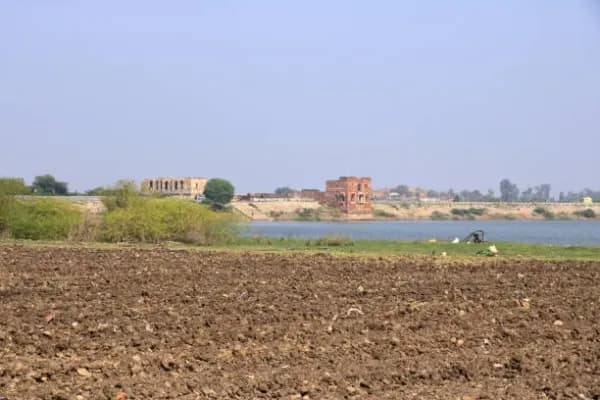
While Taranga Hill itself is a captivating destination, the surrounding areas offer several hidden gems that are worth exploring. One such gem is the Dharoi Dam, located a short drive from Taranga Hill. The dam is a popular spot for picnics and offers stunning views of the reservoir and the surrounding landscapes.
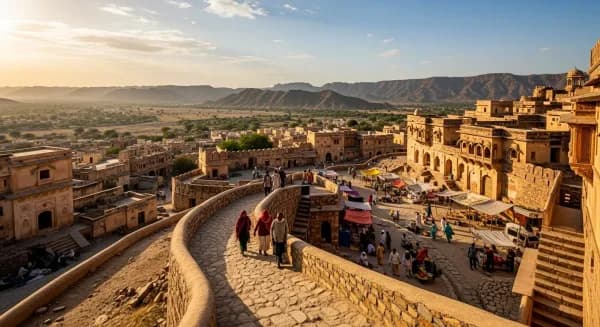
Another excursion worth considering is the historic town of Vadnagar, known for its ancient temples and stepwells. Vadnagar is steeped in history and provides a fascinating glimpse into the architectural prowess of ancient Gujarat.
For nature enthusiasts, the Polo Forest, located about 70 kilometers from Taranga Hill, is a must-visit. This dense forest is home to diverse flora and fauna and offers opportunities for trekking, bird watching, and exploring ancient ruins hidden within the forest.
The best time to visit Taranga Hill is during the winter months, from October to March, when the weather is pleasant and conducive to outdoor activities. During this period, the temperatures are mild, ranging from 15°C to 25°C, making it ideal for exploring the hill and its surroundings.
The monsoon season, from June to September, is also a good time to visit, as the hill and its surroundings are lush and green. However, heavy rains can sometimes disrupt travel plans, so it is advisable to check the weather forecast before planning a visit during this time.
Summers, from April to June, can be quite hot, with temperatures soaring above 40°C. While the heat may deter some travelers, those who can withstand the high temperatures will find fewer crowds and a more tranquil experience.
Taranga Hill experiences a semi-arid climate, typical of Gujarat, with distinct seasonal variations. In January, the weather is cool and pleasant, with temperatures ranging from 10°C to 20°C. February sees a slight increase in temperature, making it an ideal time for outdoor activities.
March marks the onset of warmer weather, with temperatures rising gradually. April and May are the hottest months, with temperatures often exceeding 40°C, making it less comfortable for outdoor exploration.
The monsoon season begins in June, bringing relief from the heat. July and August receive the highest rainfall, transforming the landscape into a lush green paradise. September marks the end of the monsoon, with a gradual decrease in rainfall.
Gujarat is known for its rich cultural heritage, and Taranga Hill is no exception. The region is predominantly inhabited by the Jain community, and their influence is evident in the architecture, festivals, and daily life. The Taranga Jain Temple is the focal point of religious activities, and visitors can witness the rituals and ceremonies that take place here.
Festivals play a significant role in the cultural fabric of Gujarat. The festival of Diwali is celebrated with great enthusiasm, with homes and temples illuminated with lights and diyas. Another important festival is Mahavir Jayanti, which marks the birth of Lord Mahavir, the founder of Jainism, and is celebrated with processions and prayers.
Etiquette in Gujarat is rooted in respect and hospitality. Visitors are encouraged to dress modestly, especially when visiting religious sites, and to follow local customs and traditions. The people of Gujarat are known for their warmth and friendliness, making travelers feel welcome and at home.
Gujarat is a haven for food lovers, offering a diverse array of vegetarian dishes that are both delicious and unique. A must-try dish is the traditional Gujarati thali, a platter that includes a variety of dishes such as dal, kadhi, sabzi, and roti, served with rice and sweets.
Another popular dish is dhokla, a savory steamed cake made from fermented rice and chickpea batter. It is often served as a snack or breakfast item and is loved for its light and fluffy texture.
For those with a sweet tooth, the region offers a range of desserts, with shrikhand being a popular choice. Made from strained yogurt flavored with saffron and cardamom, shrikhand is a creamy and indulgent treat that is sure to delight.
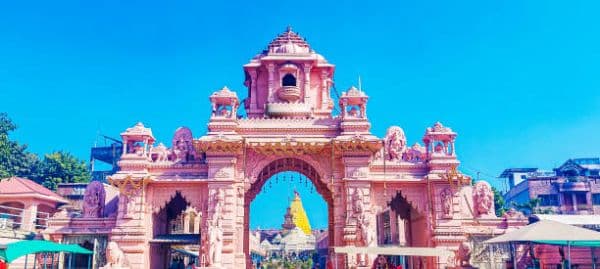
Taranga Hill is home to several attractions that are a testament to the region's rich history and cultural heritage. The Taranga Jain Temple is the most prominent landmark, known for its intricate carvings and serene ambiance. This temple is a major pilgrimage site for Jains and attracts visitors from all over the world.
Another notable attraction is the Koteshwar Mahadev Temple, dedicated to Lord Shiva. This ancient temple is situated on the banks of a river and is surrounded by picturesque landscapes, making it a peaceful retreat for spiritual seekers.
The Dharoi Dam, located nearby, offers stunning views of the reservoir and is a popular spot for picnics and nature walks. The dam is an engineering marvel and provides a glimpse into the development efforts in Gujarat.
For those interested in history and architecture, the ancient stepwells of Gujarat, such as the Rani ki Vav in Patan, are a must-visit. These stepwells are intricately designed and offer a fascinating insight into the water management systems of ancient times.
Finally, the Polo Forest, with its dense woods and ancient ruins, offers a unique blend of nature and history. Visitors can explore the forest on foot or by bicycle, discovering hidden temples and enjoying the tranquility of the surroundings.
Nearby places worth adding to your itinerary.