A Coruña
Explore stays
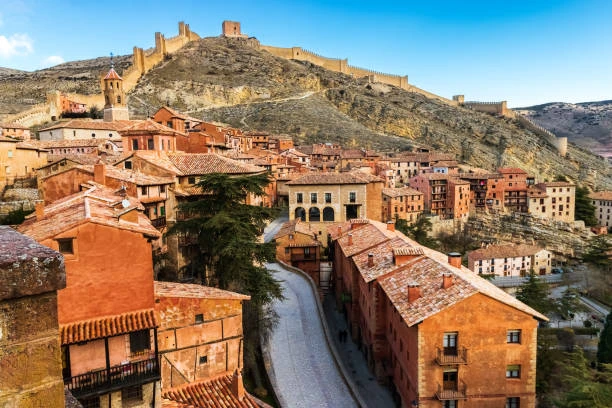
Teruel, Spain, is a charming city located in the region of Aragon in northeastern Spain. Known for its rich history, unique architecture, and beautiful landscapes, Teruel offers an unforgettable experience for visitors. Whether you're a history buff, a nature lover, or someone looking to immerse yourself in the local culture, Teruel has something for everyone.
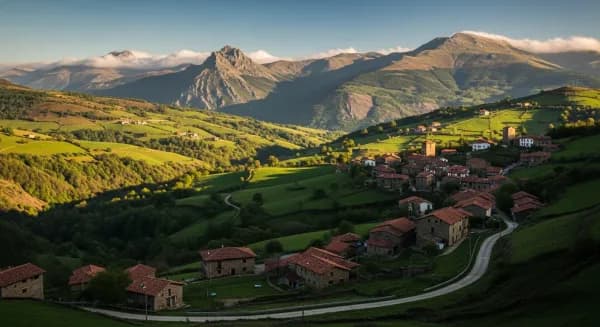
Teruel is a small city, but it is packed with history and beauty. Located in the Aragon region, Teruel is nestled in the mountains, surrounded by scenic valleys and rolling hills. The city is known for its medieval architecture, ancient buildings, and beautiful Mudejar art, which has earned it a place as a UNESCO World Heritage site.
Teruel is situated around 170 kilometers (about 105 miles) from Zaragoza, the capital of the region, and about 120 kilometers (75 miles) from Valencia, one of Spain’s most popular coastal cities. Despite its relatively small size, Teruel is a cultural hub, famous for its historic sites, art, and festivals.
While Teruel does not have its own international airport, it is easily accessible by road and rail. The nearest international airport is in Zaragoza, about 170 kilometers away. Zaragoza Airport (ZAZ) offers flights to several European cities, making it a convenient gateway for international travelers.
Alternatively, Valencia is another nearby option for international flights, about 120 kilometers from Teruel. From these cities, you can easily reach Teruel by bus or train. The city is also well-connected to the broader Spanish rail network.
Once in Teruel, getting around is easy. The city is small enough to explore on foot, and most of the key attractions are located within walking distance of each other. For those looking to travel a bit further, local buses and taxis are available. Teruel is also well connected by road, making it simple to reach nearby towns and attractions.
Teruel is full of historical landmarks, beautiful squares, and scenic viewpoints that make it a must-visit destination in Spain. Here are some of the top attractions:
One of the most unique features of Teruel is its stunning Mudejar architecture, a style that combines Islamic and Christian elements, which was popular during the Middle Ages. The Mudejar Towers are a standout feature of the city, with their intricate brickwork and detailed designs.
The Torre de San Martín and Torre de El Salvador are among the most iconic Mudejar structures in Teruel. These towers, along with the Cathedral of Teruel, are part of the city's UNESCO World Heritage designation. Visiting these buildings will give you a sense of the city’s deep history and architectural beauty.
The story of the Lovers of Teruel is one of the most famous legends in Spain. The tale of two star-crossed lovers, Diego de Marcilla and Isabel de Segura, is a story of love and tragedy that has been passed down through generations.
To commemorate this legendary love story, Teruel has the Lovers Mausoleum, where the two lovers are buried. This mausoleum, located in the Iglesia de San Pedro, is an important cultural site and a must-see for visitors.
The Catedral de Santa María de Teruel is another important landmark in the city. The cathedral features an impressive blend of Romanesque and Mudejar styles. Its detailed frescoes and stunning altarpiece are some of the key highlights. The cathedral’s tower is one of the tallest in the region and offers panoramic views of the city and surrounding landscapes.
The Plaza del Torico is the central square of Teruel and is the heart of the city. Surrounded by historic buildings, cafes, and shops, this square is a great place to relax and take in the atmosphere of the city. The Torico Fountain, which features a statue of a bull, is a symbol of Teruel and an iconic feature of the square.
For families or anyone interested in prehistoric history, Dinópolis Teruel is a fascinating dinosaur theme park and museum. Located just outside the city, Dinópolis is dedicated to the prehistoric past of the region, with exhibits on dinosaurs, fossils, and other ancient creatures that once roamed the area. It’s an engaging experience for all ages.
To learn more about the history of Teruel, a visit to the Museo de Teruel is essential. The museum offers exhibits on everything from prehistoric artifacts to Mudejar art, showcasing the diverse cultural heritage of the region. It’s a great place to spend an afternoon while gaining a deeper understanding of the city’s past.
While Teruel itself is rich in history and culture, there are also several beautiful places to explore in the surrounding area. Here are a few options:
The small town of Alfambra, about 40 kilometers (25 miles) from Teruel, is known for its medieval charm and traditional architecture. The town is also home to the Alfambra Gorge, a beautiful natural area perfect for hiking and outdoor activities.
Albarracín is a stunning hilltop town located about 40 kilometers (25 miles) from Teruel. Known for its narrow, winding streets and beautiful red-tiled roofs, Albarracín is often considered one of the most picturesque towns in Spain. It’s a great place to spend a day exploring the medieval streets, visiting the Aljibillo Fountain, and enjoying the stunning views of the surrounding countryside.
Located around 30 kilometers (19 miles) from Teruel, Montalbán is a small town famous for its well-preserved medieval buildings and beautiful natural surroundings. The Castillo de Montalbán offers panoramic views of the region and is a great spot for history enthusiasts.
Teruel is famous for its delicious local cuisine, which features hearty, rustic dishes. Some must-try foods include:
There are many traditional restaurants and tapas bars in Teruel where you can sample these dishes, and the local cuisine will definitely add to your enjoyment of the city.
While Teruel is a relatively small city, it is well-connected by public transport. The city’s central bus station offers services to nearby towns and cities, including Zaragoza, Valencia, and Alcañiz. Teruel also has a train station with regular services to other regional cities.
Inside Teruel, the city center is compact and walkable, so you can easily explore the main attractions on foot. For further distances or if you prefer more convenience, local buses and taxis are available. You can also rent a bicycle if you’d like to explore the surrounding area at your own pace.
The best time to visit Teruel is during the spring (April to June) and fall (September to November) when the weather is mild and pleasant. The city can get quite hot in the summer months (July and August), so visiting during the cooler months will make your stay more comfortable. The winter months can be cold, but they offer a peaceful atmosphere and fewer tourists, making it a great time for a more tranquil experience.
Most visitors spend around 1 to 2 days exploring Teruel. This allows enough time to visit the city’s main attractions, stroll through the historic streets, and enjoy the local cuisine. If you plan to visit nearby towns or explore the surrounding natural beauty, you may want to extend your stay by a day or two.
Nearby places worth adding to your itinerary.
Top stays in Teruel picked for comfort, value, and great guest reviews.
Local guide picks to help you explore Teruel better.