Gangtok
Explore stays
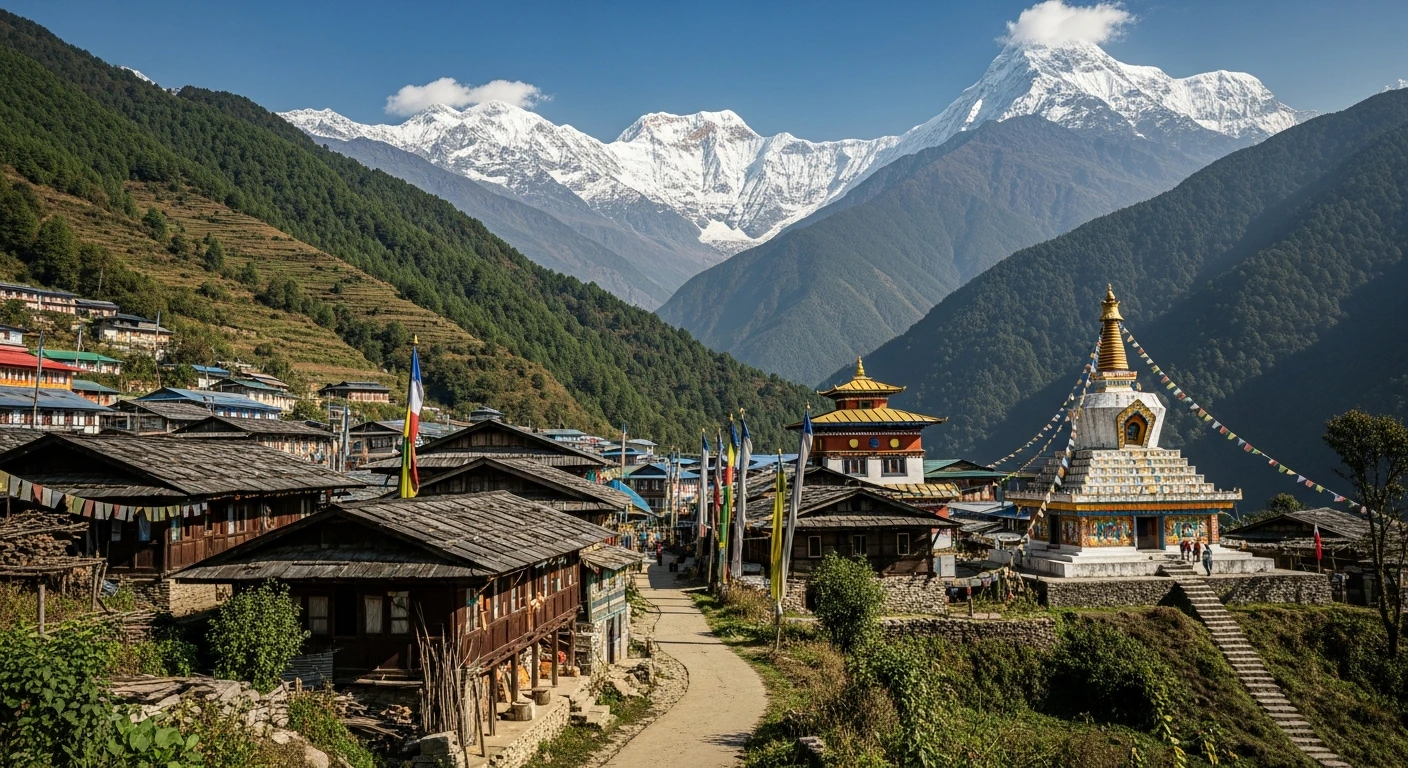
Yuksom, a quaint village nestled in the western part of Sikkim, is steeped in rich history and breathtaking landscapes. Established as the first capital of Sikkim in 1642, Yuksom serves as a significant historical site where the first Chogyal (king) of Sikkim was crowned. This small village is surrounded by majestic mountains, lush forests, and vibrant flora and fauna, making it a perfect gateway for trekkers and nature enthusiasts.
The geography of Yuksom is stunning, located at an altitude of approximately 1,780 meters (5,800 feet) above sea level. The village is enveloped by the mighty Kanchenjunga range, the third-highest mountain in the world, which offers breathtaking views, especially at sunrise and sunset. The vibrant local culture, influenced by the Bhutia, Lepcha, and Nepali communities, adds to the village's unique charm. The vibe in Yuksom is serene, with an aura of spirituality and tranquility that resonates through its monasteries and nature trails.
Yuksom is not just a place to visit; it’s an experience. The villagers are warm and welcoming, often inviting travelers to share in their traditions and stories. The nearby rivers and waterfalls, along with the tranquil landscapes, create an atmosphere that encourages reflection and rejuvenation, making it an ideal escape from the hustle and bustle of city life.
When it comes to accommodation in Yuksom, there is something for every budget. For those seeking luxury, the Yuksom Resort is a prime choice, offering cozy rooms with stunning views of the surrounding mountains. The resort's amenities, including a restaurant serving local delicacies and guided tours, make it a favored spot for travelers looking for comfort and convenience.
On the budget side, various guesthouses and homestays offer a more authentic experience. Places like the Hotel Tashi Delek and the Yuksom Homestay provide clean, comfortable accommodations at affordable rates. Staying at a homestay often allows travelers to engage with local families, adding a personal touch to their visit. The hospitality of the locals is heartwarming, making it easy for travelers to feel at home.
Getting around Yuksom can be a delightful experience. The village is small enough to explore on foot, allowing visitors to soak in the beautiful surroundings at a leisurely pace. For those looking to venture further, local taxis and shared jeeps are readily available. These modes of transport are not only budget-friendly but also offer an opportunity to mingle with locals.
For the adventurous, renting a bike can be an exciting way to explore the scenic routes around Yuksom. Be sure to negotiate fares when using taxis, and always confirm the price before starting your journey to avoid any misunderstandings.
While Yuksom itself is a treasure trove of experiences, the surrounding areas are equally enchanting. One must-visit excursion is the Khecheopalri Lake, believed to be a sacred site where wishes come true. The serene ambiance and the stunning views of the lake make it a perfect spot for picnics and meditation.
Another hidden gem is the Dubdi Monastery, one of the oldest monasteries in Sikkim, perched on a hilltop and surrounded by dense forests. The trek to the monastery offers breathtaking views, and the tranquil atmosphere is perfect for those seeking spiritual solace. For trekking enthusiasts, the Dzongri trek starts from Yuksom, leading to mesmerizing landscapes and stunning views of the Himalayas.
The best time to visit Yuksom is from March to May and from September to November. During these months, the weather is pleasant, with clear skies and vibrant greenery. March marks the blooming of rhododendrons, painting the landscape in hues of pink and red, while the autumn months offer stunning views of the snow-capped mountains.
While summer can be warm, the evenings are cool and refreshing, making it ideal for outdoor activities. Monsoon season, from June to August, brings heavy rainfall, which can hinder travel plans, but it also transforms the region into a lush green paradise. Winter months can be chilly, with occasional snowfall, attracting adventure seekers who enjoy winter sports and snow trekking.
Yuksom experiences a temperate climate with distinct seasons. In January, temperatures can drop to around 5°C (41°F), making it quite cold. February sees a slight rise, but it’s still chilly, ideal for those who enjoy the winter landscape.
From March to May, temperatures range from 10-20°C (50-68°F), with pleasant weather perfect for trekking and exploring. June marks the onset of the monsoon, with heavy rains lasting until August, making it less favorable for traveling. September brings a return to clearer skies and comfortable temperatures, lasting until November, which is a beautiful time to visit with cool weather and stunning views of the Himalayas.
The culture of Yuksom is a vibrant tapestry woven from the traditions of various ethnic communities, including the Bhutia, Lepcha, and Nepali people. The village is a melting pot of cultures, evident in its festivals, music, and dance forms. Major festivals like Losar (Tibetan New Year) and Buddha Jayanti are celebrated with great enthusiasm, showcasing local customs through traditional dance, music, and feasting.
Etiquette in Yuksom is rooted in respect and hospitality. Visitors are encouraged to greet locals with a warm smile and a 'Namaste.' It’s polite to ask for permission before taking photographs of people, especially during religious ceremonies. Engaging with locals and showing interest in their culture is often met with warm hospitality and a wealth of stories.
Yuksom offers a delightful culinary experience, reflecting the diverse cultures of Sikkim. Must-try dishes include 'Momos' (steamed dumplings filled with vegetables or meat), which are a favorite snack among locals and tourists alike. Another popular dish is 'Thukpa,' a noodle soup that is both hearty and flavorful, perfect for the cool mountain air.
Sikkimese cuisine is heavily influenced by its geographical location, incorporating fresh vegetables, herbs, and spices. The use of local ingredients makes each dish unique. Don’t miss out on the traditional 'Gundruk,' fermented leafy greens that are often served as a side dish. Exploring local eateries and trying street food is a fantastic way to immerse oneself in the culinary culture of Yuksom.
Yuksom boasts several attractions that reflect its rich history and natural beauty. One of the top landmarks is the Khangchendzonga National Park, a UNESCO World Heritage Site, known for its stunning landscapes and diverse wildlife. The park is a haven for trekkers and nature lovers, offering numerous trails with breathtaking views of the Kanchenjunga range.
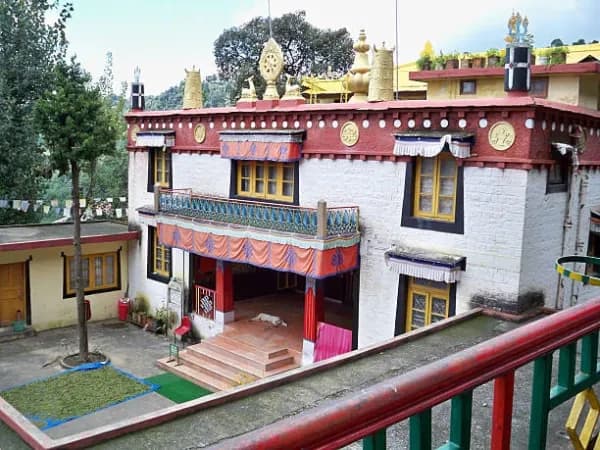
The Dubdi Monastery is another must-visit, established in 1701. This monastery is not only significant for its history but also for its picturesque location amidst lush greenery. Visitors can enjoy the serene atmosphere and learn about Buddhist teachings and traditions.
Yuksom's Coronation Throne is an essential historical site where the first Chogyal of Sikkim was crowned. The throne is surrounded by lush forests, making it a perfect spot for history buffs and nature lovers alike.
The Khecheopalri Lake, revered by locals and considered holy, is a stunning spot for relaxation and reflection. The lake is surrounded by dense forests, and the tranquility it offers is unmatched.
Lastly, the Yangang Monastery, located a short trek from Yuksom, holds significant cultural importance and offers a glimpse into the spiritual life of the locals. The vibrant architecture and peaceful surroundings make it an ideal spot for contemplation.
Nearby places worth adding to your itinerary.
Top stays in Yuksom picked for comfort, value, and great guest reviews.