Toll Free Customer Care
+(1) 123 456 7890Need live support?
support@hectindia.comFollow us on social media


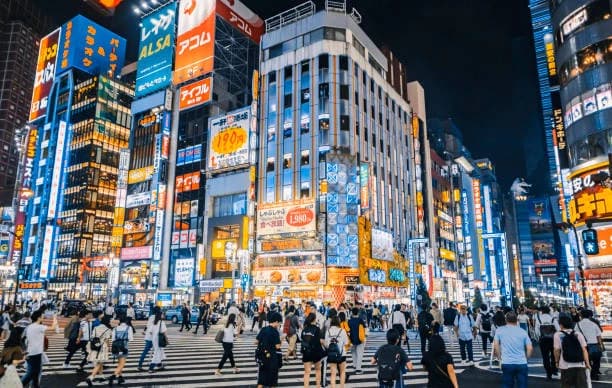
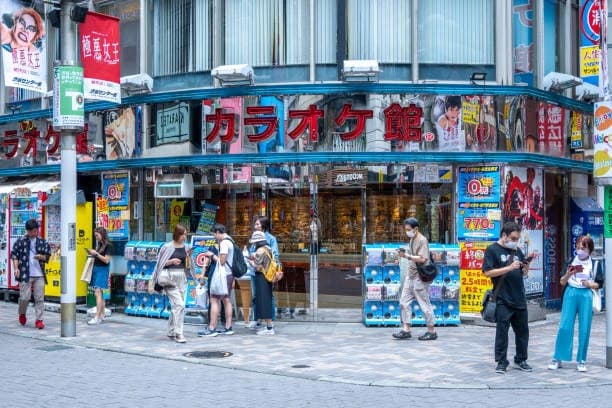
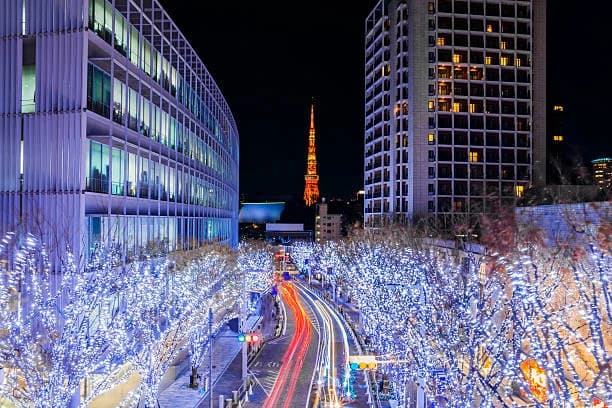
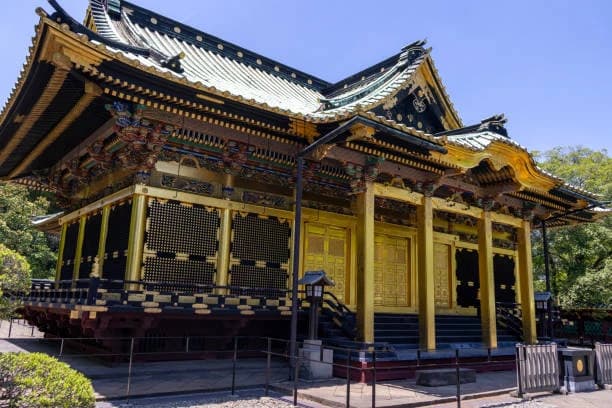
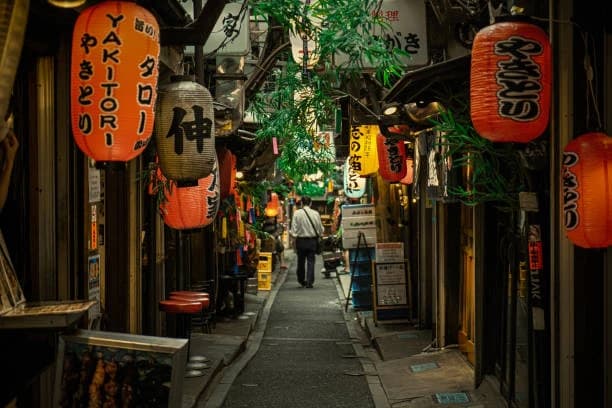
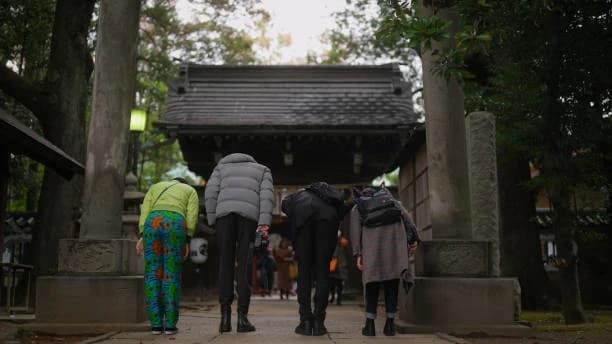
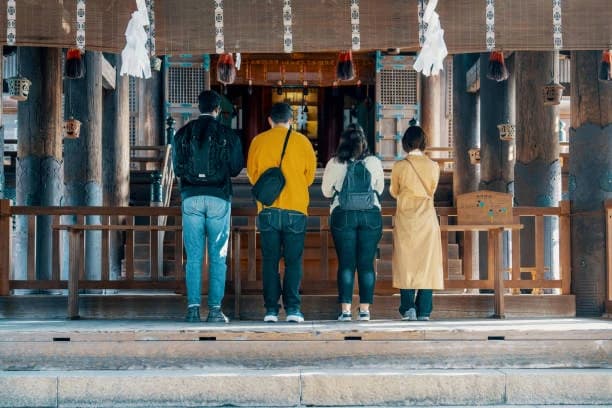
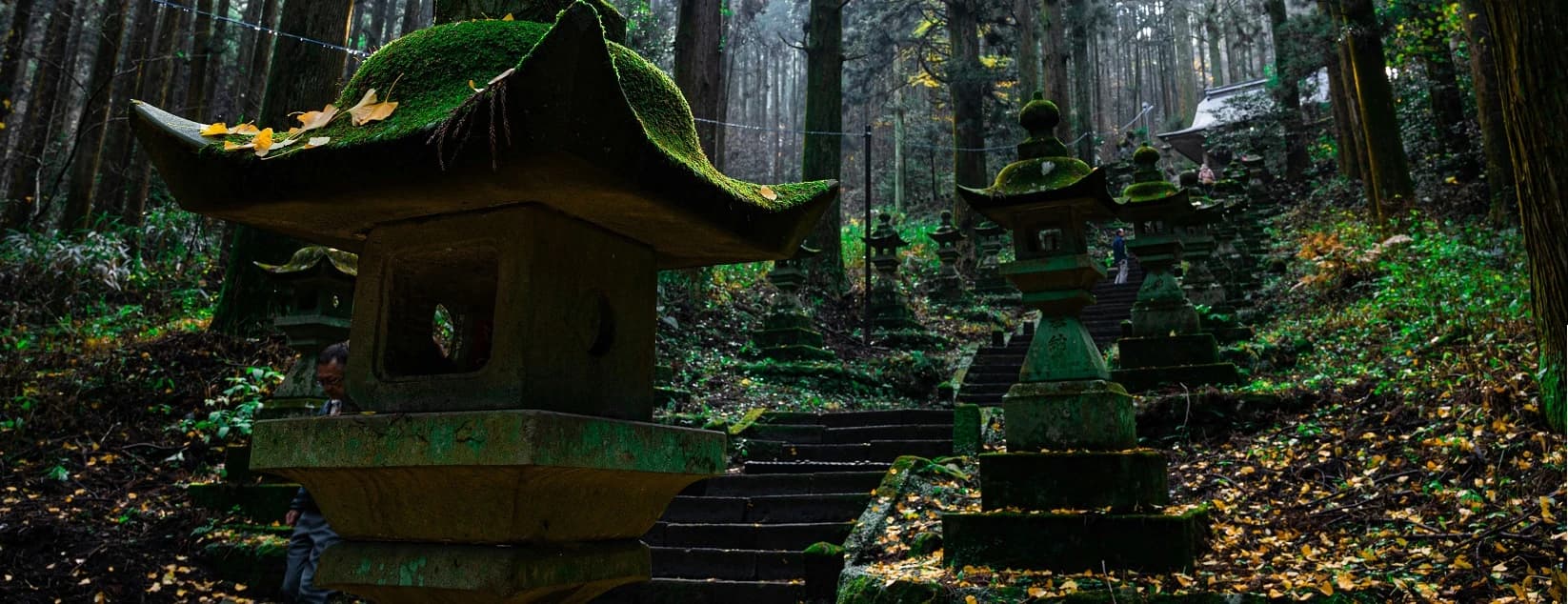
A “Cultural Journey Through Tokyo in 6N” offers an unforgettable experience through Japan’s vibrant capital. This 6-night journey lets travelers dive into Tokyo’s deep cultural roots, explore traditional landmarks, and enjoy the city’s modern energy. With its mix of ancient temples, serene gardens, bustling streets, and world-class cuisine, Tokyo is a city that brings the past and future together beautifully.
Tokyo is not just Japan’s capital. It’s a cultural hub that reflects the country's traditions, innovations, and everyday life. On the Cultural Journey Through Tokyo in 6N, you get to see this balance in every experience—from visiting peaceful shrines to walking through buzzing shopping districts.
The tour includes stays in a centrally located Tokyo hotel, daily breakfast, guided city tours, and airport transfers. This means you can focus on enjoying your trip without worrying about logistics.
One of the first things you’ll notice in Tokyo is how well the city preserves its heritage. Despite being a global metropolis, many areas still showcase traditional architecture, customs, and lifestyles. The Cultural Journey Through Tokyo in 6N is your opportunity to experience that first-hand.
Key cultural sites in Tokyo include:
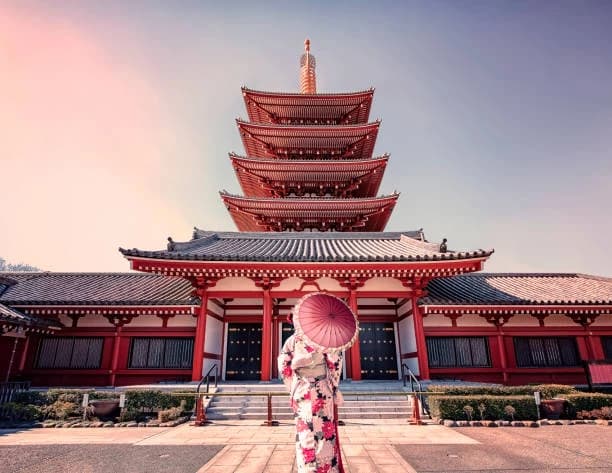
Tokyo’s oldest temple, Sensō-ji, is a must-see. Located in the Asakusa district, this Buddhist temple is full of history and tradition. The approach to the temple, Nakamise Street, is lined with shops selling local snacks, souvenirs, and handmade crafts.
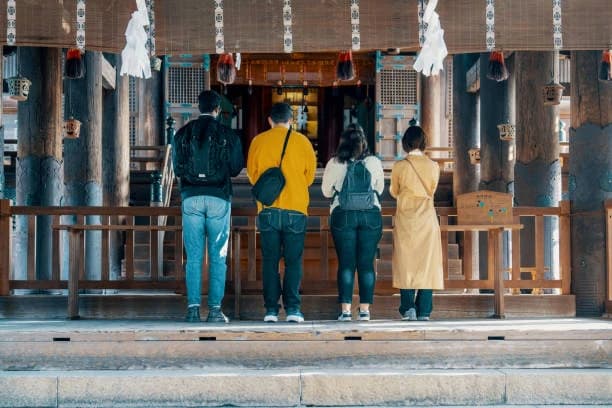
Tucked away in a peaceful forested area near Harajuku, Meiji Shrine is dedicated to Emperor Meiji and Empress Shoken. The shrine offers a quiet break from the busy city and lets you experience the spiritual side of Tokyo.
Though the inner grounds are not open to the public, the Imperial Palace and its East Gardens are a great place to understand Tokyo’s royal history. The gardens are beautifully maintained and offer scenic views year-round.
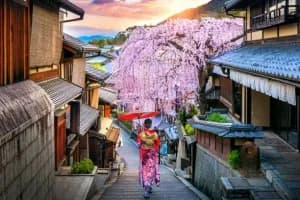
The Cultural Journey Through Tokyo in 6N isn’t just about visiting places—it’s about feeling the local vibe. Tokyo is a city where tradition lives alongside pop culture. You’ll find kimono-clad locals in shrines and teenagers in cosplay around Shibuya, all within a few train stops.
This neighborhood is famous for its youthful energy, colorful fashion, and quirky shops. It’s a great place to people-watch and try local street food like crepes and sweet potato sticks.
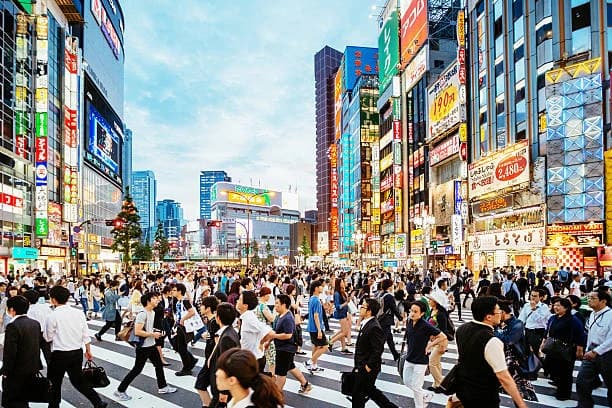
Known as the world’s busiest pedestrian crossing, Shibuya is a must-visit. It’s a symbol of Tokyo’s fast-paced lifestyle and is surrounded by shopping centers, cafés, and department stores.
Ueno Park is home to multiple museums and a zoo. It's perfect for those wanting to spend a peaceful afternoon in a green space while learning about art and history.
While Tokyo has plenty to offer, the Cultural Journey Through Tokyo in 6N also allows for optional day trips to nearby cultural destinations. These can include:
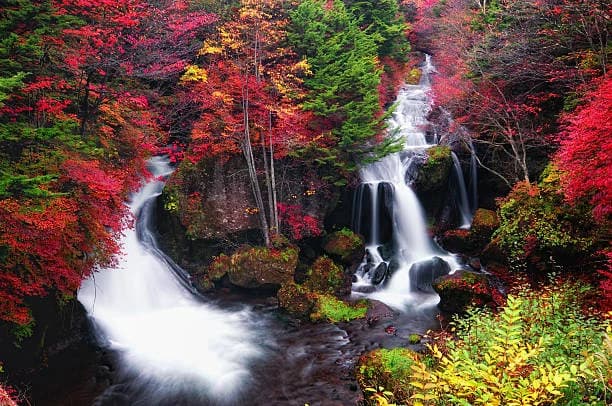
Nikko: Famous for its ornate shrines and natural beauty.
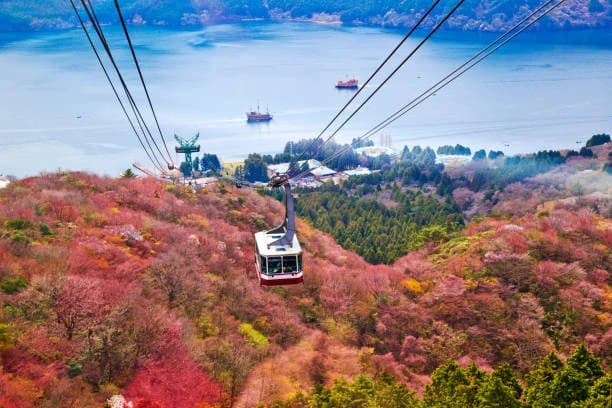
Hakone: A great place to view Mt. Fuji and enjoy hot springs.
Kamakura: Known for its giant Buddha statue and samurai history.
These short trips offer a richer understanding of Japanese culture outside the capital city, while still being easily accessible.
To make your trip smooth and enjoyable, keep these essentials in mind:
Comfortable walking shoes: You’ll be exploring both urban streets and temple grounds.
Layered clothing: Weather in Tokyo can be unpredictable, so bring layers.
Universal travel adapter: Japan uses Type A and B plugs (100V).
Small backpack or day bag: Handy for day tours and carrying essentials.
Travel documents: Passport, visa (if required), ID, and copies of bookings.
Optional items include a Japanese phrasebook or app, as English may not be widely spoken in local areas.
One of the best things about Tokyo is that it offers a unique experience in every season. The Cultural Journey Through Tokyo in 6N can be enjoyed year-round.
Spring (March–May): Famous for cherry blossoms. Parks like Ueno and Shinjuku Gyoen are filled with blooms.
Summer (June–August): Energetic, with festivals, fireworks, and night markets. It can be hot and humid.
Autumn (September–November): Known for colorful leaves and mild weather. Great for walking tours.
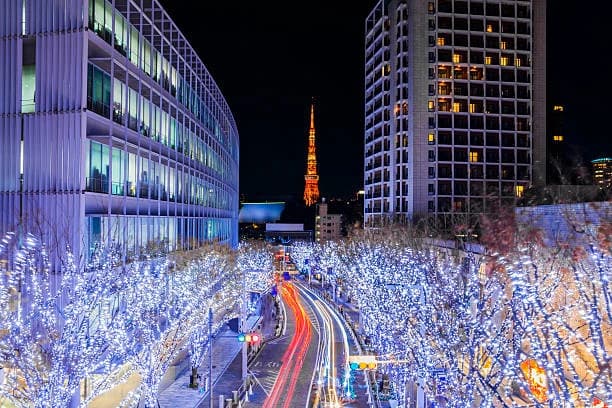
Winter (December–February): Clear skies, cooler temperatures, and light displays across the city.
Whatever season you choose, Tokyo always has something special to offer.
Japanese food is one of the highlights of any trip. The Cultural Journey Through Tokyo in 6N lets you explore authentic flavors, from street snacks to gourmet meals.
Sushi & Sashimi: Fresh seafood served with rice and soy sauce.
Ramen: Noodle soup with a rich, flavorful broth. Try shoyu (soy sauce), miso, or tonkotsu (pork-based).
Tempura: Lightly battered and deep-fried seafood and vegetables.
Okonomiyaki: A savory pancake with cabbage, meat, and toppings.
Mochi & Wagashi: Traditional sweets made from rice and red bean paste.
Explore food markets like Tsukiji Outer Market for fresh street food or dine in a traditional izakaya to experience local eating culture.
Tokyo is also a shopper’s paradise. The Cultural Journey Through Tokyo in 6N allows plenty of time to explore both luxury malls and local markets.
Ginza: High-end shopping district with designer stores and boutiques.
Akihabara: Ideal for electronics, anime, and tech lovers.
Shinjuku: Department stores, local fashion, and electronics.
Asakusa: Great for traditional gifts and local crafts.
Popular souvenirs include Japanese tea sets, chopsticks, origami paper, handmade fans, and regional snacks.
Tokyo has one of the most efficient public transportation systems in the world. The Cultural Journey Through Tokyo in 6N includes airport transfers, but you’ll also enjoy using local trains, especially the Tokyo Metro and JR Yamanote Line.
IC Cards (like Suica or Pasmo): These reloadable cards make travel easy on trains, buses, and even in stores.
Taxis: Safe and clean, but relatively expensive.
Walking: Many cultural sites are close together and best explored on foot.
Cash is still common: Carry some cash as many small restaurants and shops may not accept cards.
Politeness matters: Bowing is a common greeting, and it’s customary to remove shoes when entering homes and certain buildings.
Quiet on trains: Speaking loudly on public transport is considered rude.
Keep it clean: There are few trash bins, so carry a small bag for your waste.
Everything covered in your booking, plus important pricing notes.
Arrival at Tokyo Upon arrival at Narita International Airport, you will be welcomed by our representative. After clearing immigration and customs, you will be transferred to your hotel in Tokyo.
Arrival in Tokyo
No reviews yet.
Your email address will not be published.
Hand-picked tours near your selected destination.