

Location Overview
Tanzania is a large and diverse country that boasts some of Africa’s most famous wildlife reserves and natural wonders. The safari focuses on several key locations, including the Serengeti National Park, the Ngorongoro Crater, and Tarangire National Park. Each location has its own unique characteristics and wildlife experiences.
Serengeti National Park
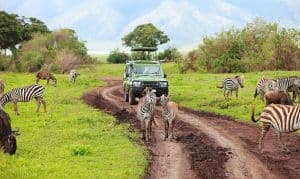
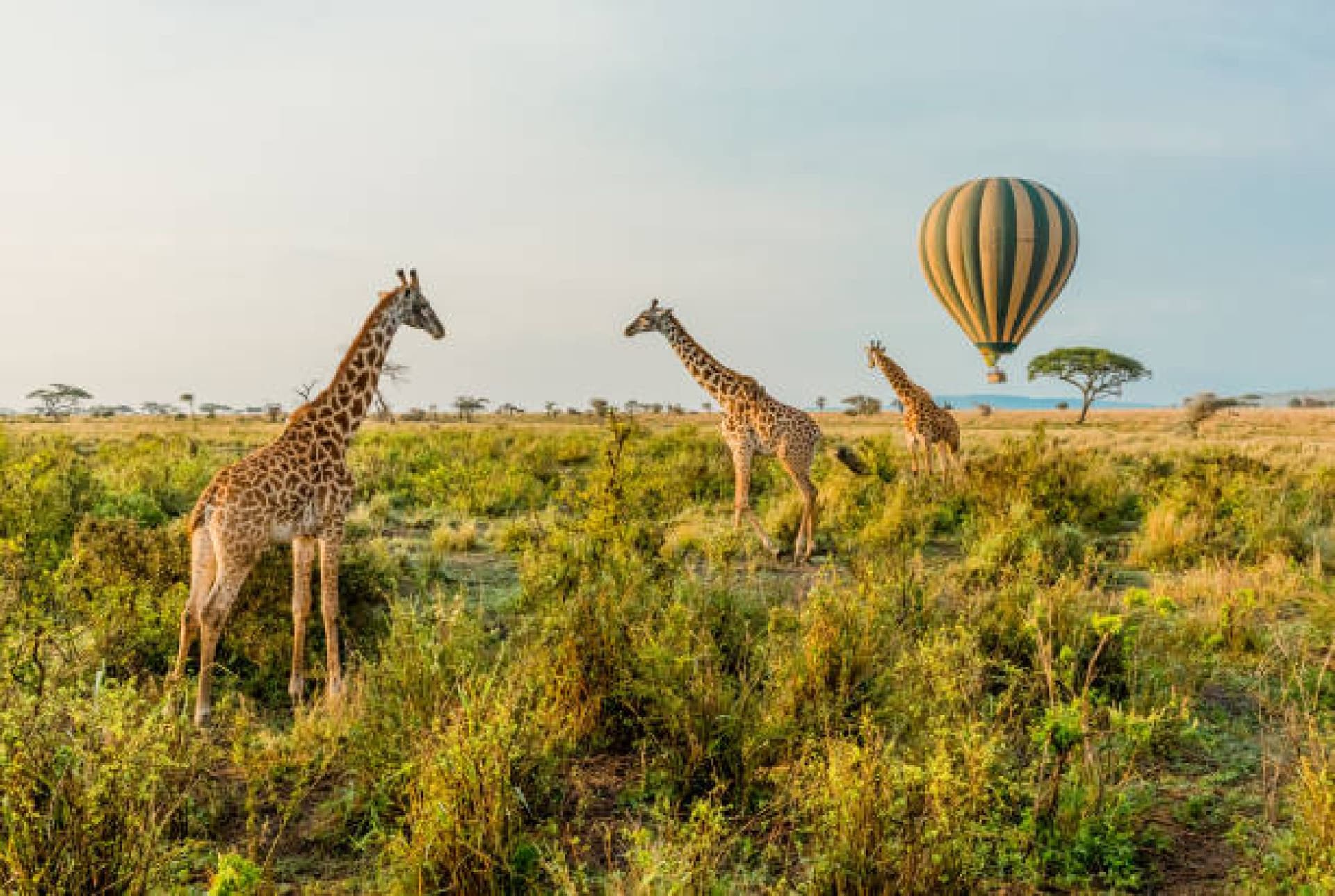
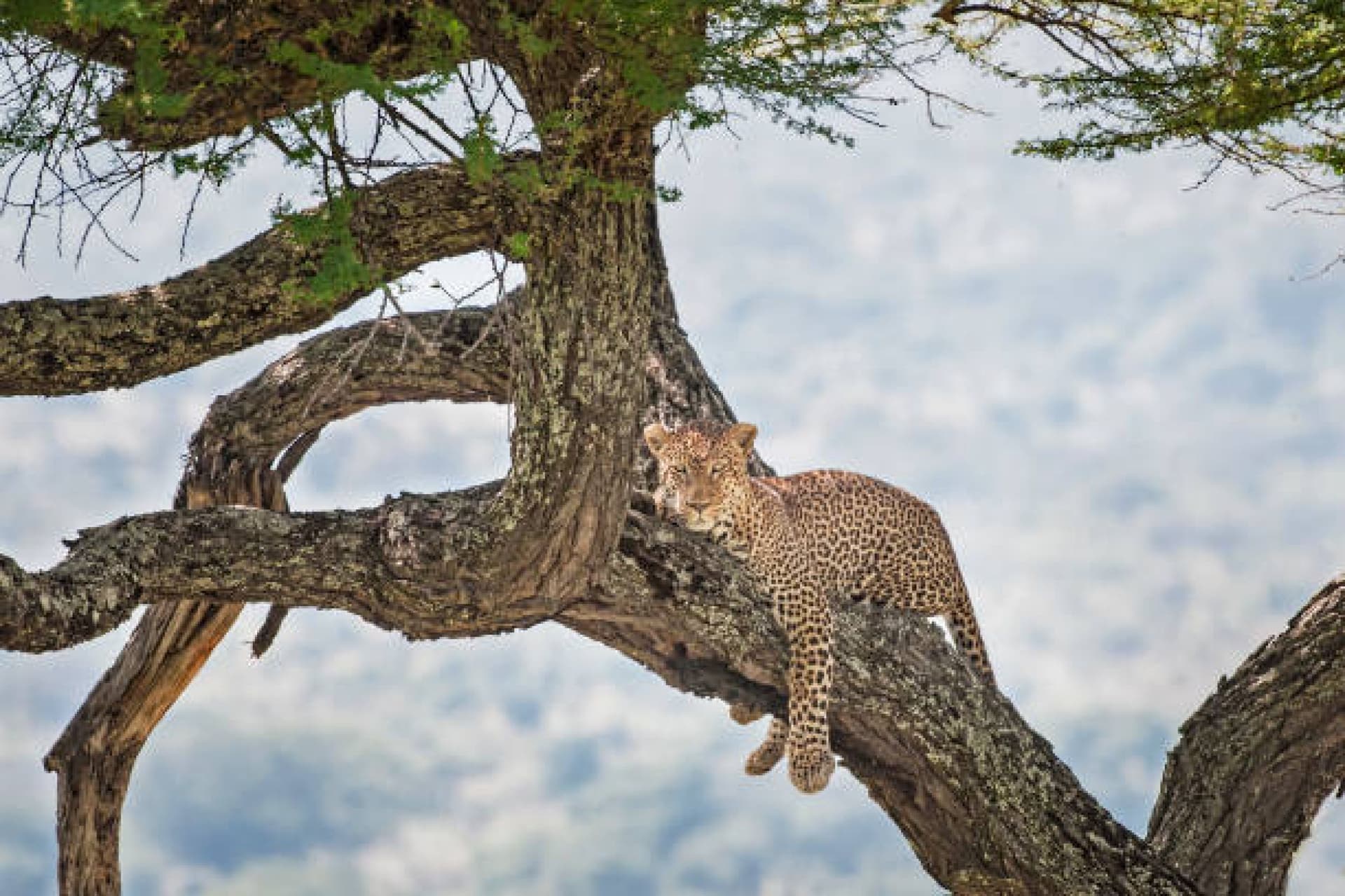
The Serengeti is renowned for its vast plains and incredible wildlife. It is one of the most famous national parks in Tanzania and is known for the Great Migration. Each year, millions of wildebeest, zebras, and gazelles travel across the park in search of fresh grazing. The Serengeti also has a high concentration of predators, including lions, leopards, and cheetahs. The park’s diverse landscapes include grasslands, acacia woodlands, and rocky outcrops, providing excellent opportunities for wildlife viewing and photography.
Ngorongoro Crater
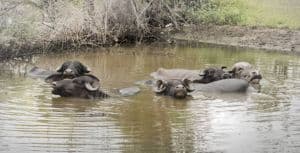
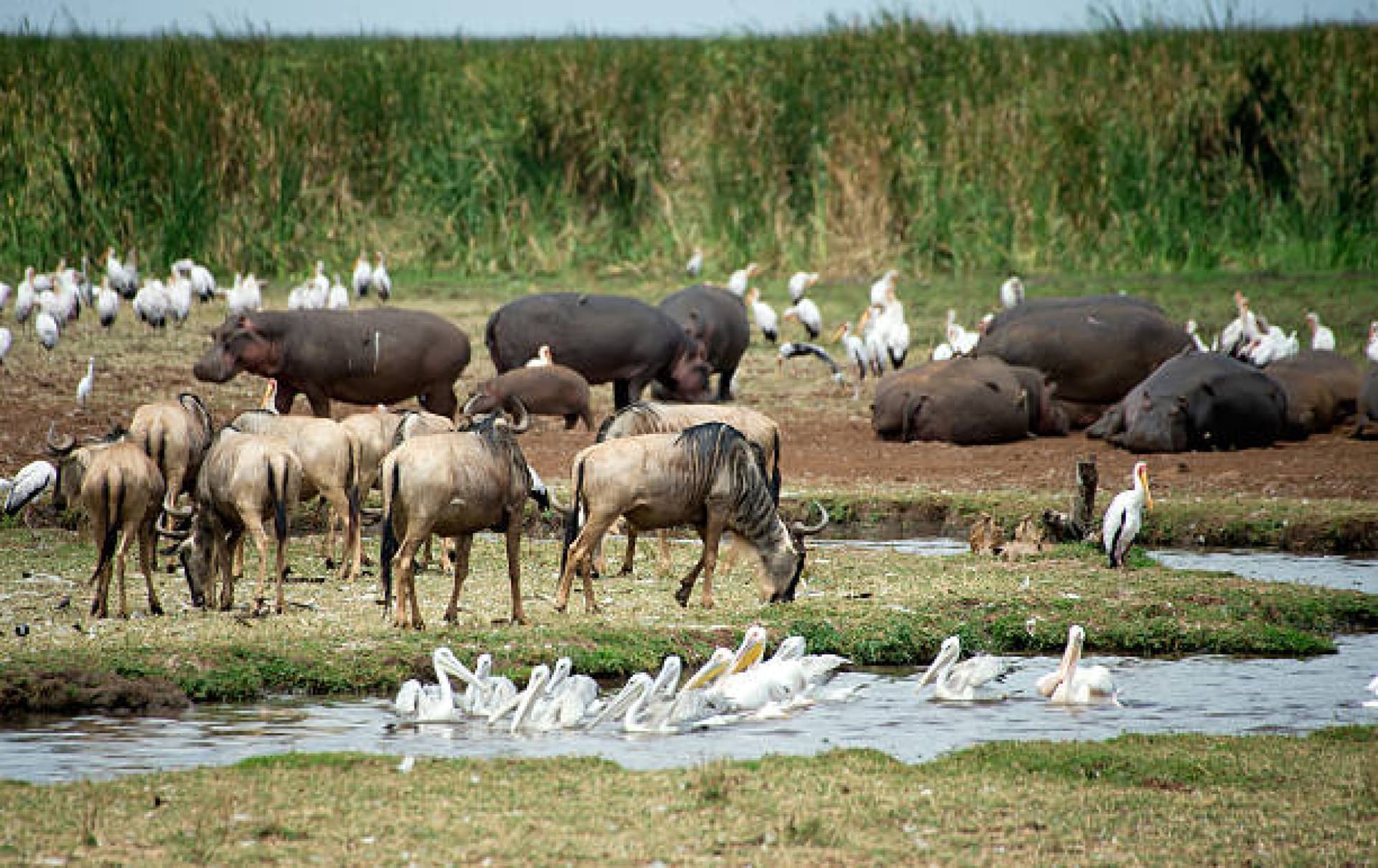
Ngorongoro Crater is a UNESCO World Heritage Site and one of the world’s most well-preserved volcanic calderas. It is often referred to as a “Garden of Eden” due to its rich wildlife and lush landscape. The crater floor is home to a dense population of animals, including elephants, rhinos, hippos, and buffaloes. The high walls of the crater create a natural enclosure, making it easier to spot wildlife. The stunning scenery and the abundance of animals make Ngorongoro Crater a highlight of any Tanzanian safari.
Tarangire National Park
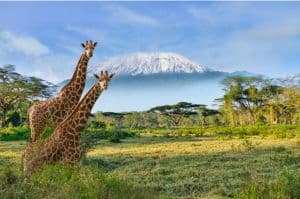
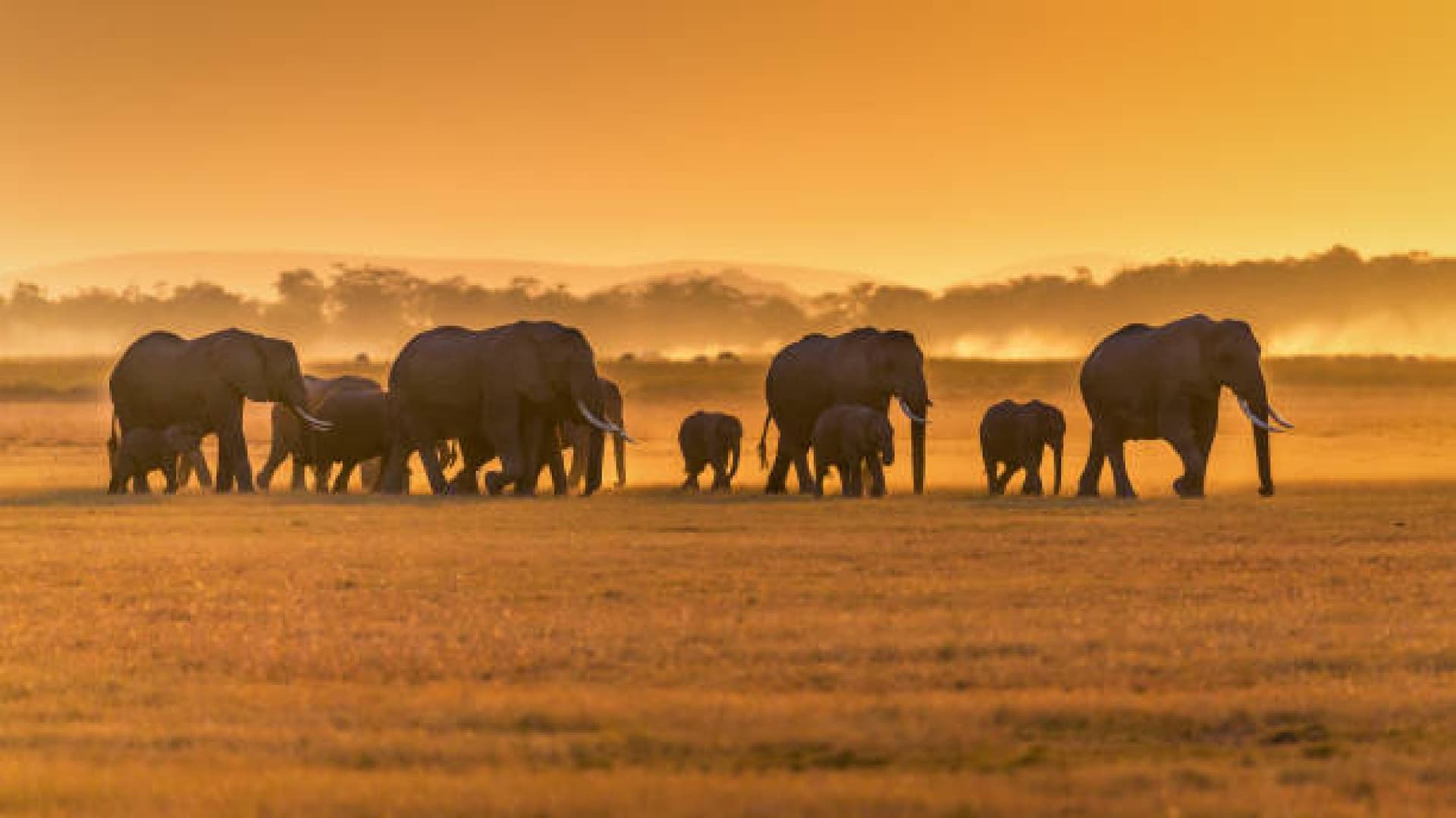
Tarangire National Park is famous for its large elephant herds and distinctive baobab trees. The park’s landscape is characterized by wide open spaces and seasonal swamps, which attract a variety of wildlife. During the dry season, animals congregate around the Tarangire River, making it a prime location for spotting wildlife. In addition to elephants, you may also see lions, giraffes, and various bird species. The park’s unique scenery and diverse wildlife offer a different safari experience compared to other parks.
Connectivity
Local Connectivity:
Tanzania’s major safari destinations are well-connected to each other and to major cities. Local flights are available to travel between parks, making it convenient to explore different regions. Domestic airlines offer scheduled flights between major cities like Arusha and Serengeti, as well as to remote areas.
Public Transport:
While on safari, you’ll travel in a specially equipped safari vehicle, which is the most comfortable and practical way to get around. These vehicles are designed for wildlife viewing and provide a great vantage point for spotting animals. Within cities and towns, taxis and ride-hailing services are available for local travel.
Distance from Nearby Cities:
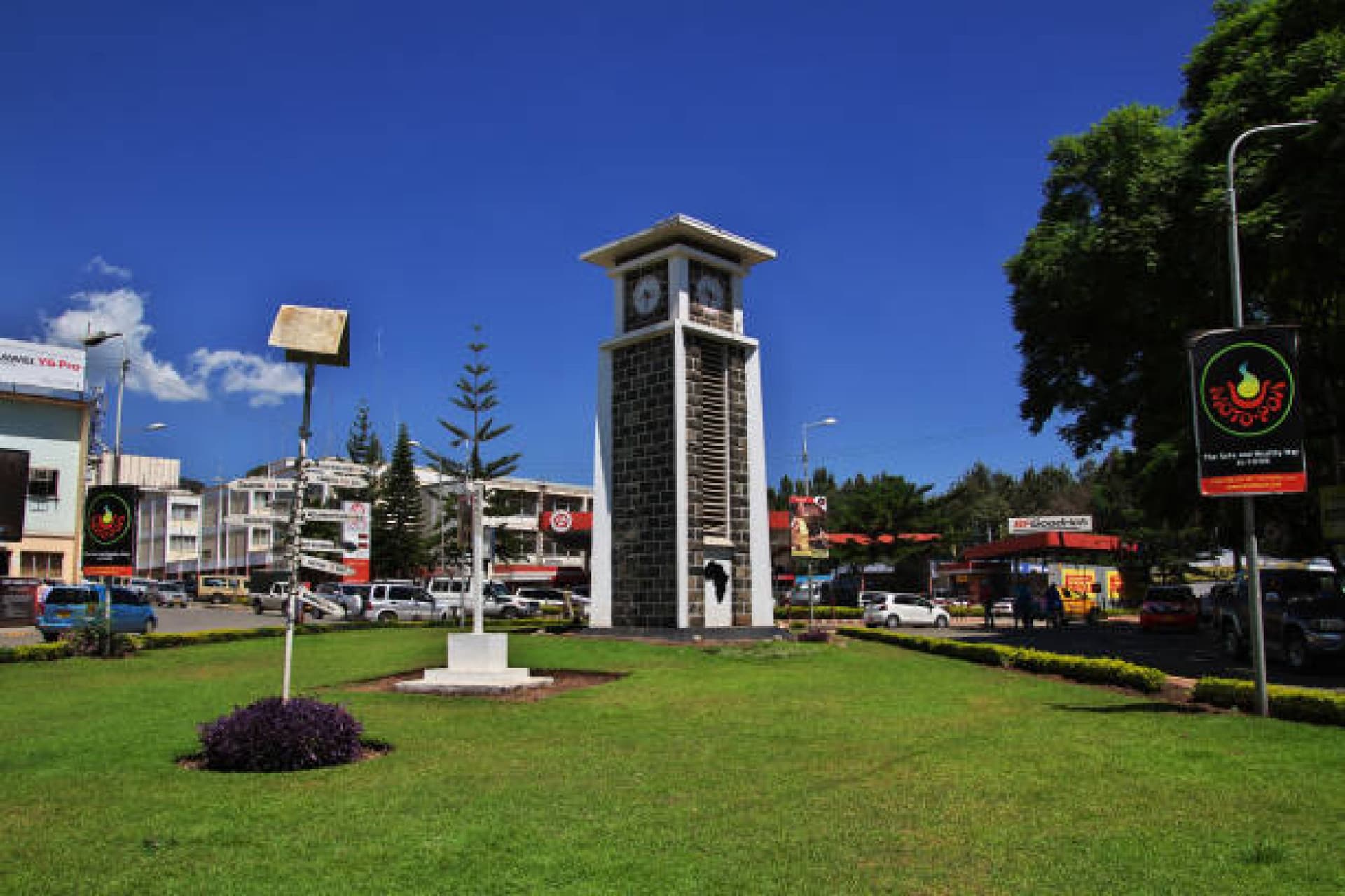
- Arusha to Serengeti National Park: Approximately 320 kilometers (200 miles) by road or about 1 hour by flight.
- Arusha to Ngorongoro Crater: About 180 kilometers (112 miles) by road.
- Arusha to Tarangire National Park: Approximately 120 kilometers (75 miles) by road.
Food Options
During the safari, you will enjoy a range of delicious meals:
- Breakfast: Often includes a variety of fruits, cereals, eggs, and toast. It’s a great way to start your day before heading out on game drives.
- Lunch: Typically consists of a packed lunch or picnic with sandwiches, salads, fruits, and snacks, enjoyed in scenic spots during your game drives.
- Dinner: Served at lodges or camps, featuring a variety of dishes. You can expect a mix of Tanzanian cuisine and international favorites, including grilled meats, vegetables, and rice or pasta.
Special dietary requirements can usually be accommodated with prior notice.
Nearby Attractions
- Lake Manyara: Located near Tarangire, Lake Manyara is known for its diverse birdlife and tree-climbing lions. It’s a beautiful lake with flamingos and other bird species.
- Olduvai Gorge: A significant archaeological site, Olduvai Gorge is known as the “Cradle of Mankind” due to the discovery of early human fossils. It offers a fascinating insight into the history of human evolution.
- Zanzibar Archipelago: Although not part of the safari, Zanzibar’s stunning beaches and historical Stone Town make it a great extension to your trip. Enjoy relaxing on the beach or exploring the island’s cultural heritage.
Unique Selling Points
- Diverse Wildlife: Tanzania’s national parks are home to a wide range of animals, including the Big Five (lion, leopard, elephant, rhino, and buffalo). The Serengeti and Ngorongoro Crater offer some of the best wildlife viewing experiences in Africa.
- The Great Migration: Witness one of nature’s most spectacular events as millions of wildebeest, zebras, and gazelles move across the Serengeti in search of fresh grazing.
- Stunning Landscapes: From the vast plains of the Serengeti to the lush crater floor of Ngorongoro, Tanzania’s landscapes are breathtaking and varied.
- Cultural Encounters: Experience the local culture by visiting Maasai villages and learning about their traditional way of life. The Maasai are known for their vibrant dress and rich cultural heritage.
- Comfortable Safari Experience: Enjoy well-appointed lodges and camps that offer comfort and relaxation after exciting days of wildlife viewing. The safari vehicles are designed for optimal game viewing and comfort.
Conclusion
A 7-day group safari in Tanzania is an unforgettable adventure that offers a perfect blend of wildlife viewing, stunning landscapes, and cultural experiences. Whether you’re marveling at the Great Migration in the Serengeti, exploring the wildlife-rich Ngorongoro Crater, or enjoying the unique scenery of Tarangire National Park, this safari promises to be a highlight of your travel experiences. With convenient local connectivity, diverse food options, and comfortable accommodations, you’re set for a memorable journey through one of Africa’s most iconic safari destinations.