Abou Redis
Explore stays
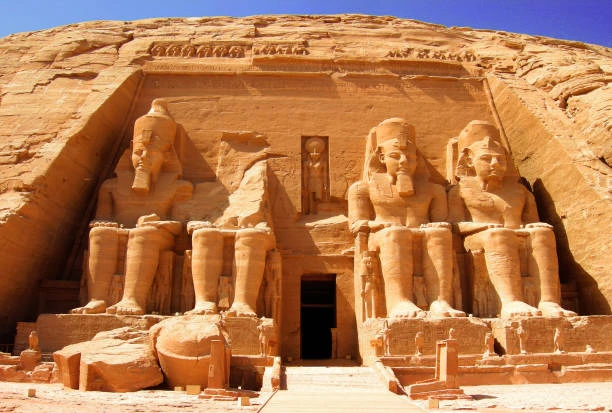
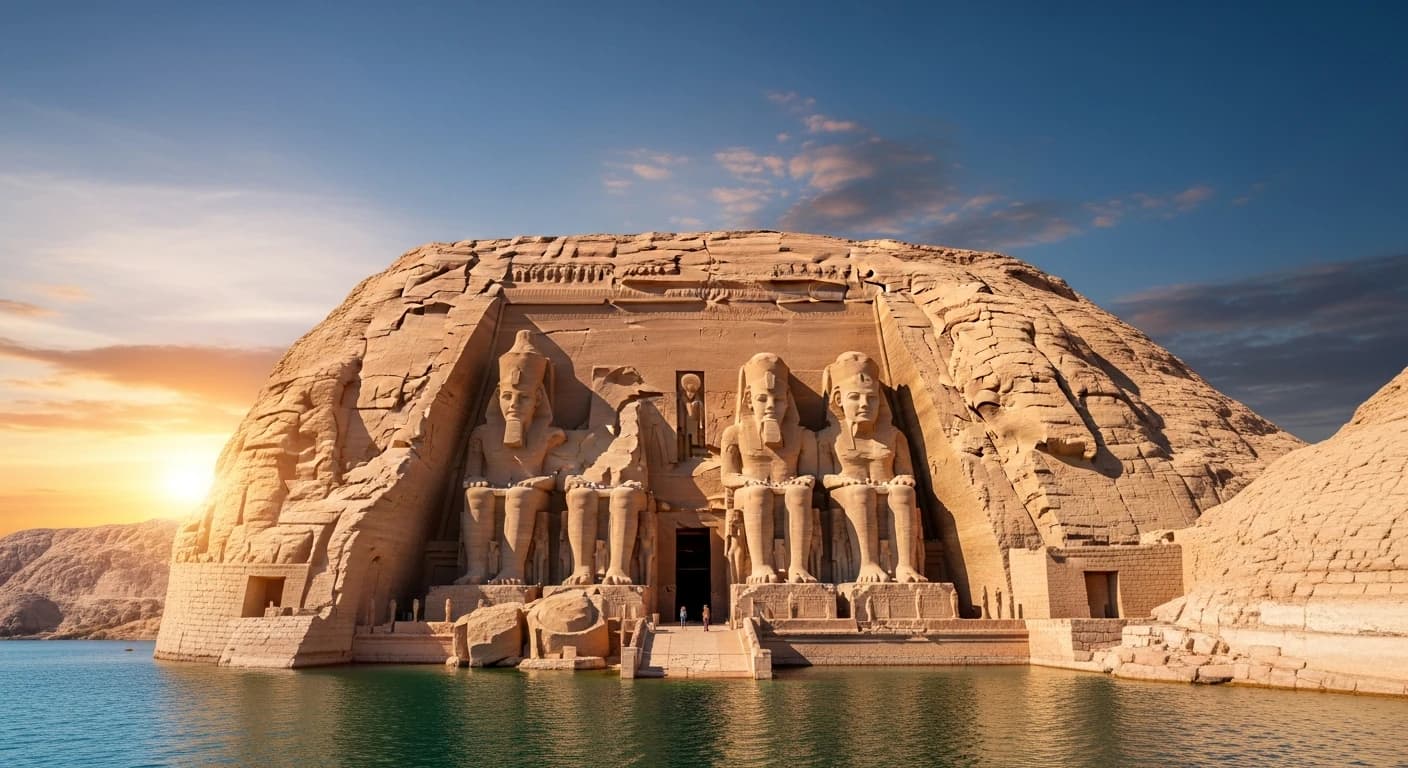
Abu Simbel is a stunning archaeological site located in southern Egypt, near the border with Sudan. It sits on the western shore of Lake Nasser, about 280 kilometers southwest of Aswan. Abu Simbel is famous for its impressive temples built by Pharaoh Ramses II in the 13th century BC. These temples are considered one of the greatest achievements of ancient Egyptian architecture and are a UNESCO World Heritage site.
The site consists of two main temples: the Great Temple dedicated to Ramses II and the smaller Temple of Hathor, dedicated to his wife, Queen Nefertari. Visitors are captivated by the colossal statues and intricate carvings that tell the story of the Pharaoh's reign and devotion.
Getting to Abu Simbel from Aswan is straightforward. The most common ways to reach the site are by road or by boat.
By Road: There are organized tours and private car options available. The drive takes about three hours and offers beautiful views of the desert and Lake Nasser.
By Boat: For a more scenic route, travelers can take a cruise on Lake Nasser. This option provides a unique perspective of the temples from the water.
The nearest airport to Abu Simbel is Abu Simbel Airport (ABS). It has domestic flights connecting to Cairo and Aswan. Most international travelers arrive via Cairo International Airport (CAI). From Cairo, you can take a domestic flight to Abu Simbel or travel to Aswan first and then make your way to Abu Simbel.
The Great Temple of Ramses II: This temple is renowned for its four colossal statues of Ramses II seated on the front facade. Each statue is about 20 meters high and represents the Pharaoh as a god. Inside, you will find intricate carvings and hieroglyphs that depict Ramses’s military victories and religious devotion.
The Temple of Hathor: This smaller temple features beautiful carvings dedicated to Queen Nefertari, the beloved wife of Ramses II. The interior is adorned with scenes of Hathor, the goddess of love and joy, and shows Ramses and Nefertari together.
Sunlight Phenomenon: Twice a year, on February 22 and October 22, the sun shines directly into the temple’s inner sanctum, illuminating the statues of Ramses II. This event attracts many visitors who come to witness this incredible display of ancient engineering.
Lake Nasser: The vast artificial lake is one of the largest in the world. It offers opportunities for boating and fishing. The views of the lake against the desert landscape are breathtaking.
Temples of Wadi el-Seboua: Located about 50 kilometers to the north, these temples were also built by Ramses II. They feature impressive carvings and are often visited in conjunction with Abu Simbel.
Kasr Ibrim: An ancient fort located on a high hill, this site provides a glimpse into Egypt’s history. It is accessible only by boat.
Aswan: Abu Simbel is approximately 280 kilometers (about 174 miles) southwest of Aswan. The journey takes around three hours by road.
Cairo: The distance from Cairo to Abu Simbel is about 850 kilometers (around 528 miles). A direct flight takes about 1.5 hours, while a road trip can take over 12 hours.
Luxor: Luxor is around 600 kilometers (about 373 miles) north of Abu Simbel. It is best accessed by flying or through a longer road trip.
Abu Simbel offers limited dining options, but there are still some great places to enjoy local cuisine:
Local Restaurants: There are a few small restaurants in the area where visitors can try traditional Egyptian dishes. Common meals include koshari (a mix of rice, lentils, and pasta), falafel, and grilled meats.
Hotels: Many of the hotels near Abu Simbel have on-site restaurants. These often serve a mix of local and international dishes, providing comfortable dining options after a day of exploring.
Street Food: If you are adventurous, you may find vendors selling snacks like fresh fruits, nuts, and pastries. These are great for a quick bite while on the go.
While public transportation options are limited in Abu Simbel, there are a few ways to get around:
Organized Tours: Many visitors opt for organized tours that include transportation to and from Abu Simbel from Aswan or other cities. These tours often include guided visits to the temples.
Taxis: Local taxis are available, but it's best to negotiate the fare before getting in. Taxis can take you to nearby attractions or drop you off at your hotel.
Rental Cars: If you prefer to explore on your own, renting a car in Aswan can be a good option. This gives you flexibility in your travel schedule.
Abu Simbel is a remarkable destination for several reasons:
Architectural Marvel: The temples are among the most impressive examples of ancient Egyptian architecture. Their scale and detail are awe-inspiring.
Historical Significance: Abu Simbel tells the story of Ramses II, one of Egypt’s most famous pharaohs. The carvings and statues provide insight into the culture and history of ancient Egypt.
Scenic Location: Situated by Lake Nasser and surrounded by the desert, Abu Simbel offers stunning views and a serene atmosphere. It’s a perfect escape from the hustle and bustle of city life.
Cultural Events: Witnessing the sun alignment phenomenon in February and October is a once-in-a-lifetime experience. This event highlights the advanced knowledge of astronomy and engineering in ancient times.
The best time to visit Abu Simbel is during the cooler months, from October to April. During this period, temperatures are more pleasant for exploring. Summer months can be extremely hot, making outdoor activities less enjoyable.
When visiting Abu Simbel, it’s essential to pack appropriately:
Clothing: Lightweight, breathable clothing is ideal. Consider long sleeves and pants to protect against the sun and insects.
Sun Protection: Bring sunscreen, sunglasses, and a wide-brimmed hat to shield yourself from the strong sun.
Comfortable Footwear: Since you'll be walking a lot, wear comfortable shoes suitable for exploring ancient sites.
Camera: Capture the beauty of the temples and surrounding landscapes.
Abu Simbel is generally safe for tourists. However, it's wise to take standard safety precautions:
Stay hydrated, especially during warmer months. Drink plenty of water.
Use insect repellent to protect against mosquito bites.
Follow local guidelines and respect the cultural significance of the sites you visit.
Nearby places worth adding to your itinerary.
Top stays in Abu Simbel picked for comfort, value, and great guest reviews.
Local guide picks to help you explore Abu Simbel better.