
Addis Ababa
Explore stays
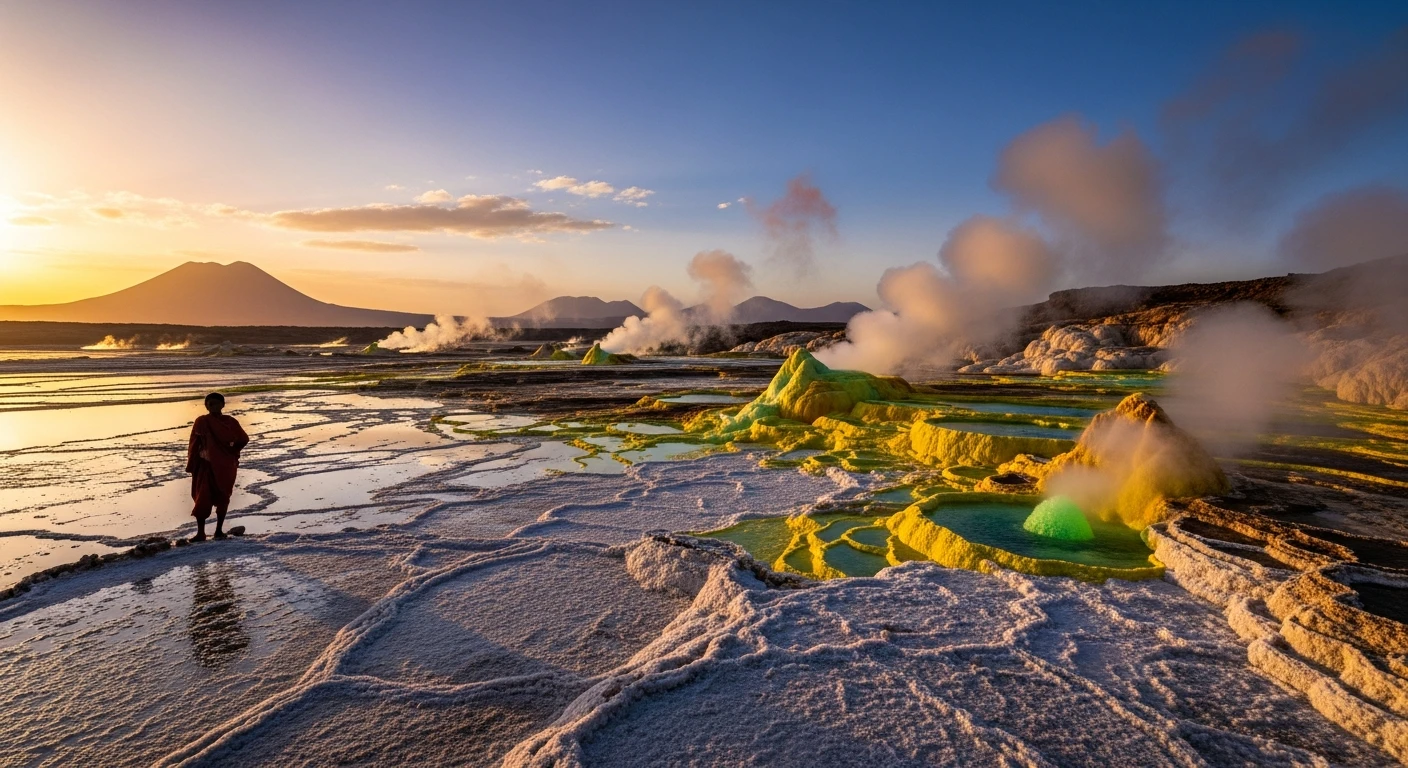
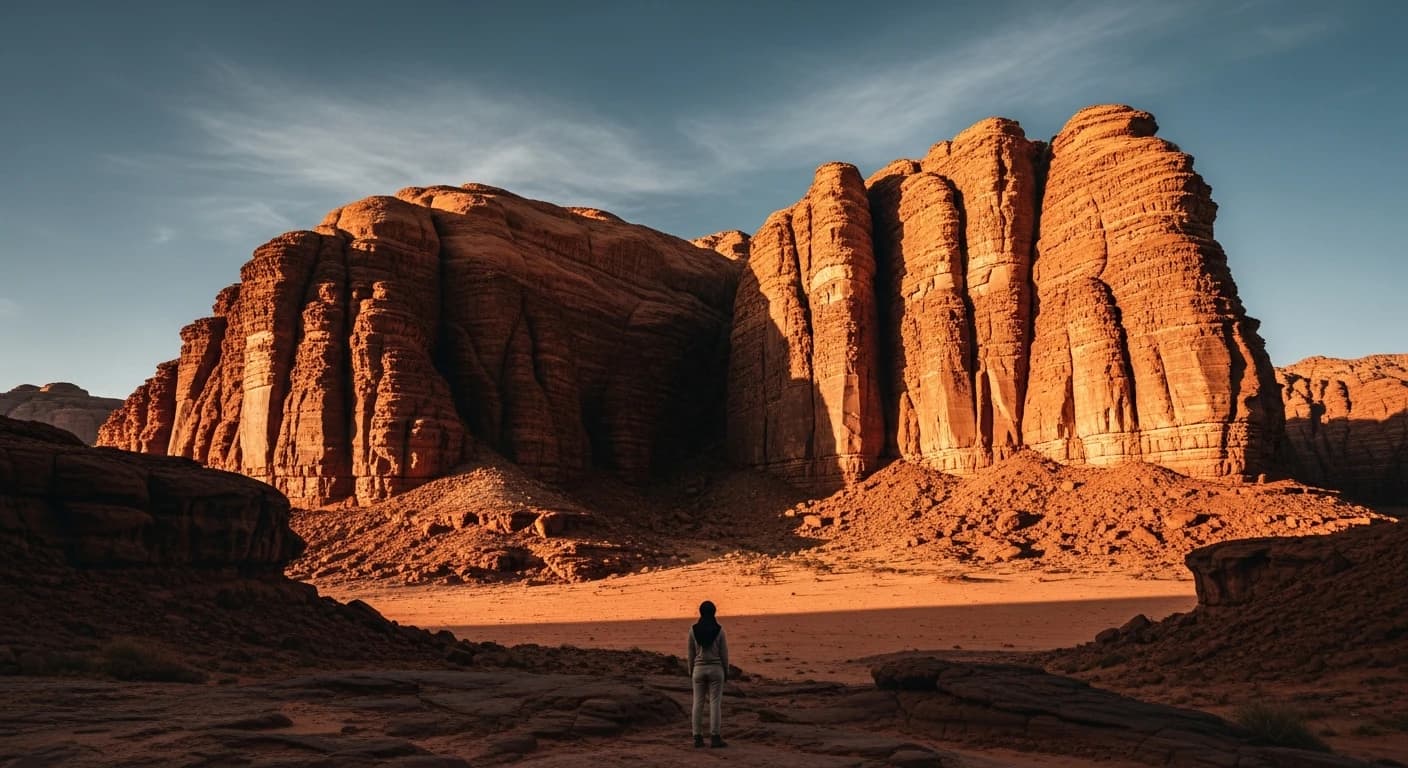
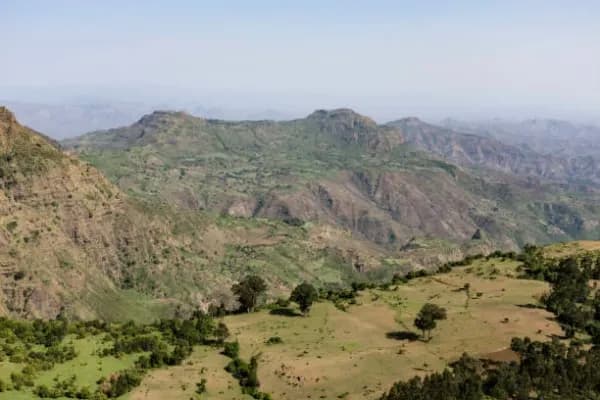
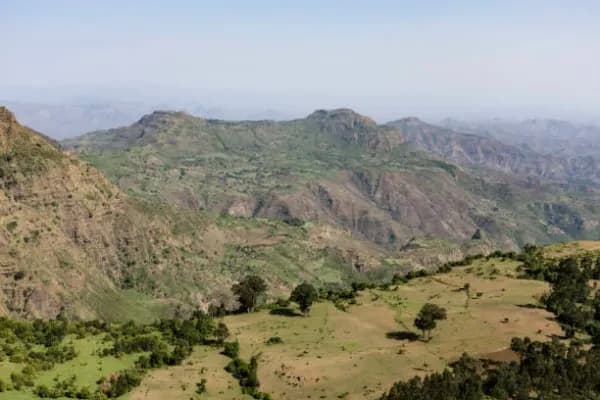
The Afar region of Ethiopia is a land of stark contrasts and breathtaking landscapes. Nestled in the northeastern part of the country, Afar is part of the Great Rift Valley, a geological wonder that has shaped the earth's crust for millions of years. This region is characterized by its arid desert landscapes, active volcanoes, and the famous Danakil Depression, one of the hottest and lowest places on Earth.
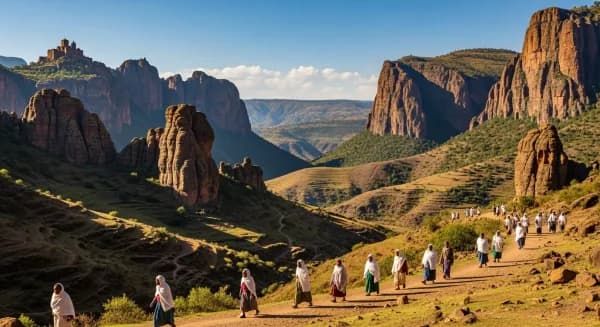
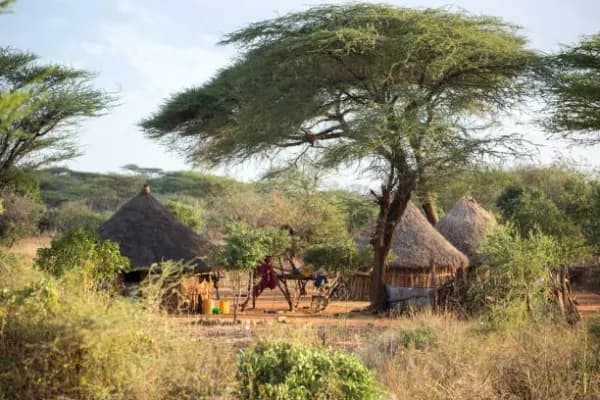
Historically, Afar has been home to the Afar people, a nomadic group known for their resilience and adaptability in one of the world's harshest climates. Their history is interwoven with trade routes that once connected the Red Sea to the highlands of Ethiopia. The Afar people have maintained their cultural identity and traditions despite the pressures of modernization.
The vibe in Afar is a unique blend of isolation and community. The vast, open landscapes create a sense of solitude, while the close-knit communities of the Afar people offer warmth and hospitality to travelers. The region is a testament to the enduring spirit of its inhabitants and the raw beauty of nature.
When visiting Afar, accommodation options range from basic to luxurious, catering to different types of travelers. In the town of Semera, the capital of the Afar region, visitors can find several hotels offering comfortable amenities. For those seeking luxury, the Kuriftu Resort and Spa in Semera provides a serene escape with modern facilities and breathtaking views of the surrounding landscape.
Budget travelers can opt for guesthouses in smaller towns like Awash or Asaita. These guesthouses offer a more authentic experience, allowing travelers to immerse themselves in the local culture. Camping is also an option for the adventurous, particularly near the Erta Ale volcano, where guided tours provide equipment and safety measures.
Navigating Afar can be an adventure in itself. The region's rugged terrain means that 4x4 vehicles are the preferred mode of transport for both locals and tourists. Renting a vehicle with a local guide is recommended, as they are familiar with the challenging roads and can provide valuable insights into the region's history and culture.
Public transportation is limited, but minibuses and shared taxis operate between major towns. For those looking to explore remote areas, it is advisable to join organized tours, which often include transportation, accommodation, and guided excursions.
Afar is a treasure trove of hidden gems waiting to be discovered. One must-visit site is the Danakil Depression, known for its otherworldly landscapes, including colorful sulfur springs and salt flats. The area is also home to the Erta Ale volcano, where visitors can witness the mesmerizing sight of a lava lake.
Another excursion worth considering is a trip to the Awash National Park, where wildlife enthusiasts can spot a variety of animals, including baboons, gazelles, and over 400 species of birds. The park's diverse ecosystem is a testament to the region's natural beauty.
The best time to visit Afar is during the cooler months from November to February. During this period, temperatures are more manageable, making it ideal for exploring the region's attractions. The months of March to May also offer pleasant weather, with occasional showers bringing a refreshing change to the arid landscape.
Travelers should avoid visiting from June to September, as temperatures can soar to extreme levels, particularly in the Danakil Depression.
Afar's climate is characterized by its extreme heat, with temperatures often exceeding 40°C (104°F) during the summer months. January and February are the coolest months, with daytime temperatures averaging around 30°C (86°F).
March to May sees a gradual increase in temperature, while the rainy season from June to September brings sporadic showers, primarily in the highland areas. October to December is a transitional period, with temperatures starting to decrease.
The Afar region is rich in cultural heritage, with the Afar people playing a central role in preserving their traditions and customs. The Afar are known for their unique dance forms, music, and vibrant clothing, often adorned with intricate beadwork and bright colors.
Festivals are an integral part of Afar culture, with events such as the Ashura festival celebrated with great enthusiasm. This festival, which marks the Islamic New Year, is an opportunity for the community to come together in prayer, feasting, and cultural performances.
Visitors are encouraged to respect local customs and etiquette, such as dressing modestly and seeking permission before photographing people, to ensure a respectful and enriching cultural exchange.
Afar's cuisine is a reflection of its nomadic lifestyle, with dishes that are simple yet flavorful. One must-try dish is 'Fetira', a flatbread often served with honey and yogurt. 'Aseeda', a porridge-like dish made from wheat or corn flour, is another staple of the Afar diet.
Meat lovers will enjoy 'Sega Wat', a spicy stew made with goat or lamb, seasoned with traditional Ethiopian spices. The region's proximity to the Red Sea means that seafood, particularly fish, is also a common ingredient in local dishes.
The Afar region boasts several remarkable tourist attractions that offer a glimpse into Ethiopia's natural and cultural wonders. The Danakil Depression is undoubtedly the highlight, with its surreal landscapes and geological phenomena. Visitors can explore the Dallol hydrothermal fields, where vibrant mineral deposits create a kaleidoscope of colors.
Erta Ale, one of the world's most active volcanoes, is another must-see attraction. Known as the 'Smoking Mountain', it offers a rare opportunity to witness a molten lava lake up close. Guided treks to the summit are available, providing an unforgettable adventure.
The Awash National Park is a haven for wildlife enthusiasts, with its diverse flora and fauna. The park's scenic landscapes, including the Awash River Gorge and the Filwoha Hot Springs, make it a perfect destination for nature lovers.
For those interested in history, the ancient city of Asaita offers insights into the region's past. Asaita was once a thriving trade center, and its historic buildings and markets are a testament to its rich cultural heritage.
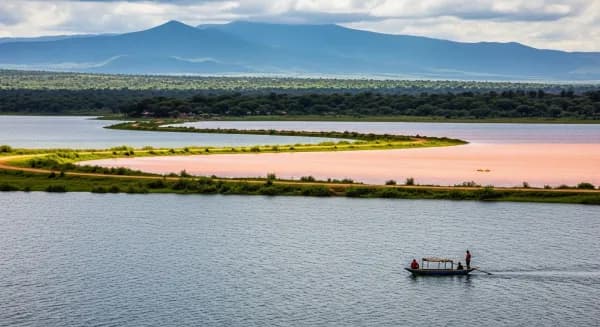
Finally, the Lake Afrera Salt Mines provide a unique glimpse into traditional salt extraction methods. Visitors can learn about the labor-intensive process and even participate in the salt harvesting.
Nearby places worth adding to your itinerary.
Top stays in Afar picked for comfort, value, and great guest reviews.