
Addis Ababa
Explore stays
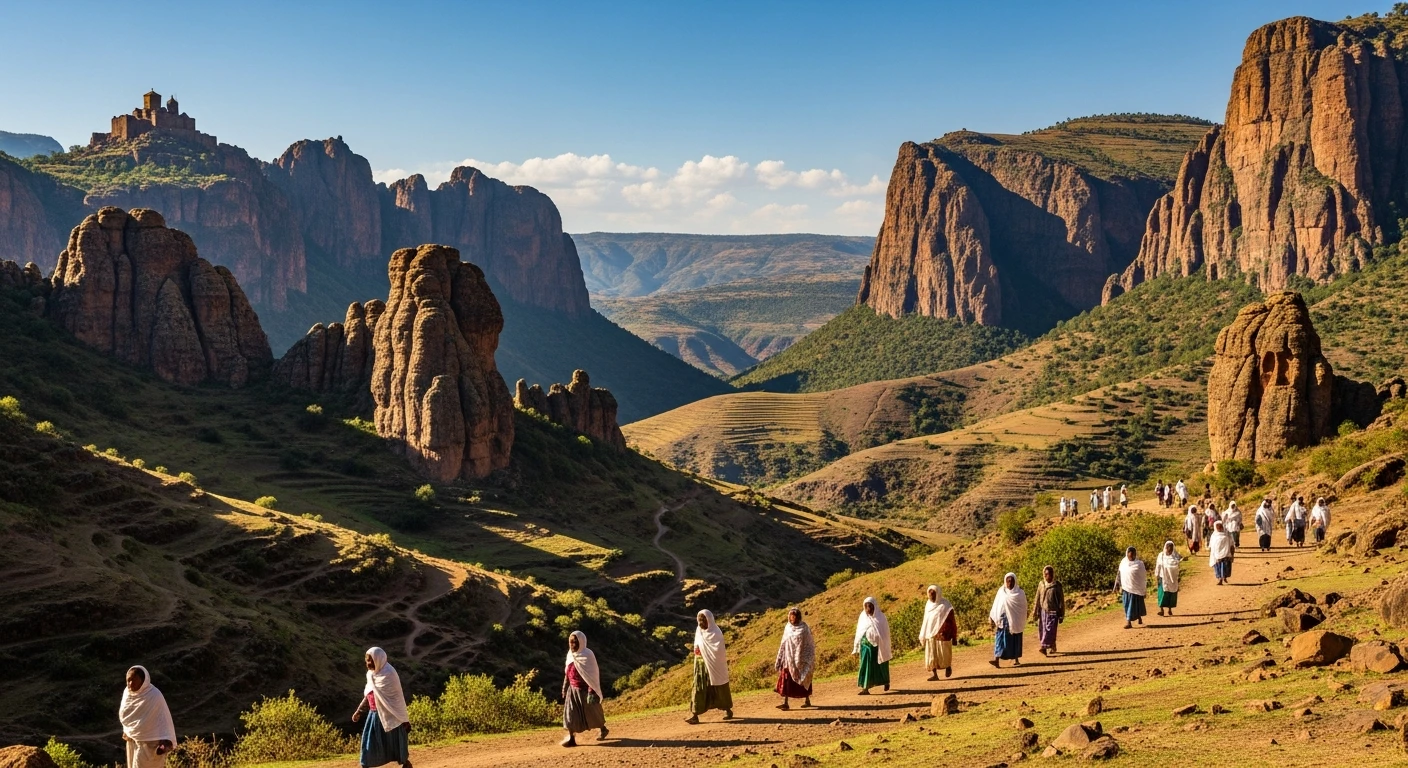
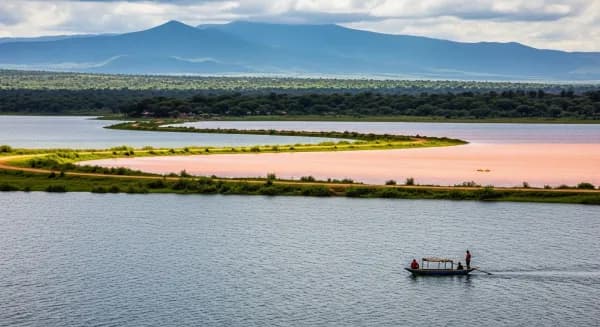
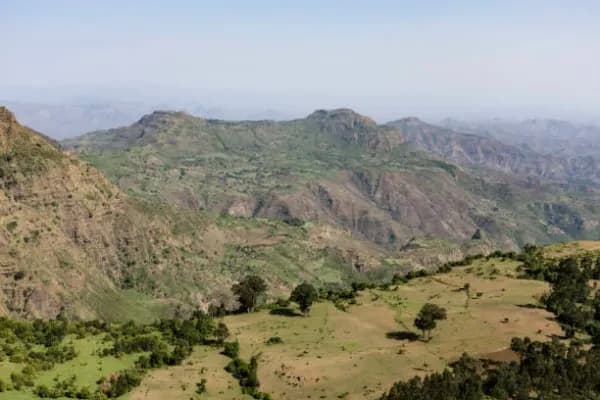
The Amhara region, located in the northwestern part of Ethiopia, is a land steeped in history and rich cultural heritage. It is one of the nine ethnic divisions of Ethiopia and home to the Amhara people, who have played a pivotal role in the country's history. The region is characterized by its diverse geography, including the rugged Simien Mountains, the fertile plains of the Blue Nile Valley, and the vast expanse of Lake Tana, Ethiopia's largest lake.
Historically, Amhara has been the heart of Ethiopian civilization for centuries. It is the birthplace of the ancient Kingdom of Aksum and the Solomonic dynasty, which claimed descent from the biblical King Solomon and the Queen of Sheba. This historical richness is reflected in the region's numerous ancient churches, monasteries, and castles, particularly in the cities of Gondar and Lalibela.
The vibe in Amhara is a blend of ancient traditions and modern Ethiopian culture. The people are known for their warm hospitality, and visitors are often welcomed with open arms. The region's vibrant markets, colorful festivals, and traditional music and dance offer a glimpse into the soul of Ethiopia.
Amhara offers a range of accommodation options to suit different budgets and preferences. For those seeking luxury, the city of Bahir Dar, located on the shores of Lake Tana, boasts several high-end hotels and resorts. These establishments offer stunning views of the lake and the surrounding landscapes, along with amenities such as spa services, gourmet dining, and guided tours.
For budget travelers, guesthouses and hostels in Gondar and Lalibela provide affordable yet comfortable accommodations. These options often include breakfast and are conveniently located near major attractions. Staying in these cities offers a more immersive experience, allowing travelers to explore the local culture and history at their own pace.
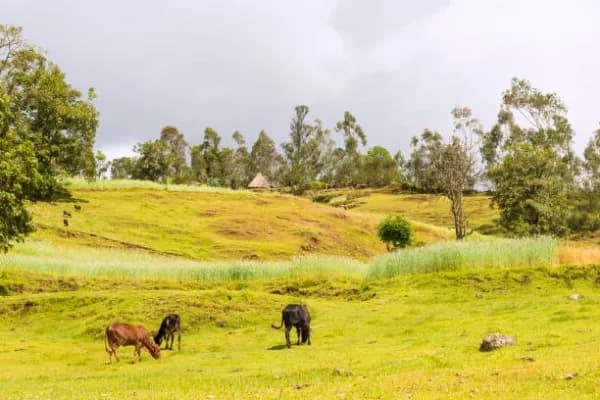
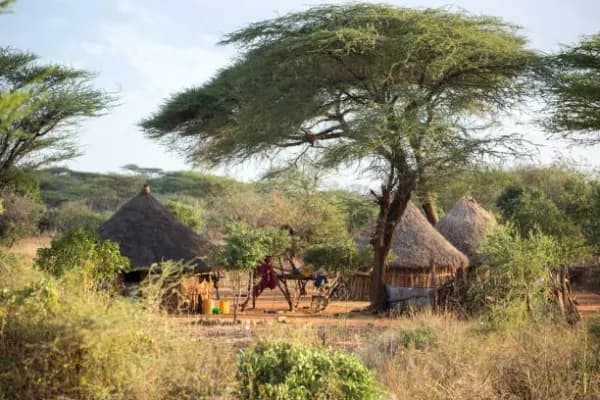
For a unique experience, consider staying in a traditional tukul, a round hut made of stone and thatch, which can be found in rural areas. This offers a chance to connect with the local way of life and enjoy the serene Ethiopian countryside.
Navigating Amhara like a local involves a mix of public transport and private options. The region is well-connected by a network of buses and minibusses, which are the most common modes of transportation for locals. These are affordable and provide an authentic travel experience, though they can be crowded and less comfortable than private options.
For more convenience, travelers can hire private taxis or car rentals, which offer flexibility and comfort. In major cities like Bahir Dar and Gondar, ride-hailing services are also available, providing a modern twist to traditional transport methods.
For short distances, bajajs (three-wheeled motorized vehicles) are a popular choice, especially in busy urban areas. They are economical and can navigate through traffic with ease, making them ideal for quick trips around town.
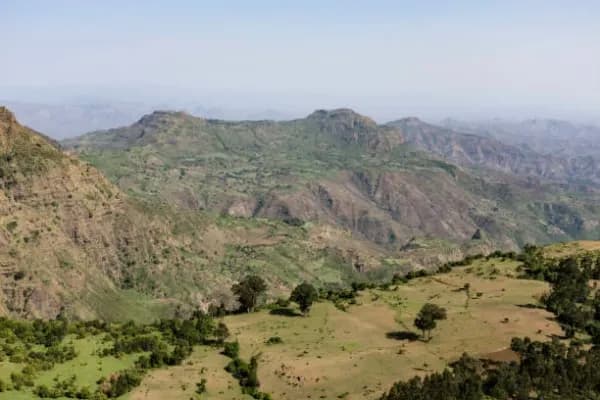
Beyond the well-trodden paths, Amhara offers several hidden gems that are worth exploring. The Simien Mountains National Park, a UNESCO World Heritage site, is a haven for nature lovers and adventure seekers. It is home to unique wildlife, including the Ethiopian wolf and the Gelada baboon, and offers breathtaking trekking routes.
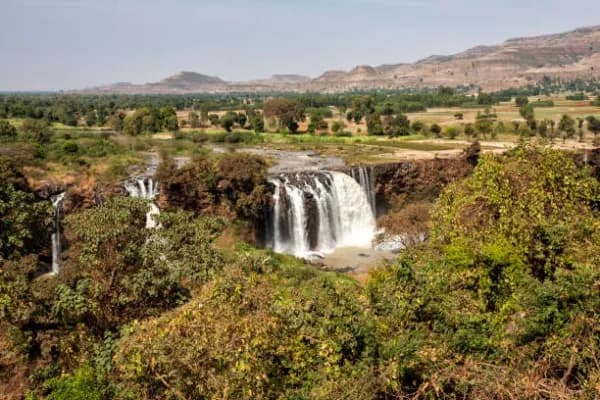
The Blue Nile Falls, locally known as Tis Abay, is another must-visit excursion. Located near Bahir Dar, these majestic falls are a stunning natural wonder, especially during the rainy season when the water flow is at its peak.
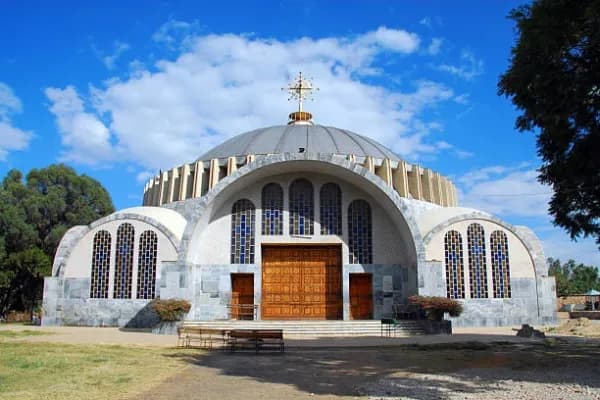
For a spiritual journey, visit the rock-hewn churches of Lalibela, which are not only an architectural marvel but also a place of pilgrimage for Ethiopian Orthodox Christians. Each church is carved out of solid rock and holds centuries of history and religious significance.
The best time to visit Amhara is during the dry season, from October to March. During this period, the weather is pleasant, with cooler temperatures and minimal rainfall, making it ideal for sightseeing and outdoor activities.
April to September marks the rainy season, with July and August receiving the heaviest rainfall. While this period offers lush landscapes and fewer crowds, some areas, particularly the Simien Mountains, may be less accessible due to muddy trails.
For those interested in cultural experiences, visiting during major festivals such as Timkat (Epiphany) in January or Meskel (Finding of the True Cross) in September can provide a deeper insight into Ethiopian traditions and celebrations.
Amhara's climate varies with its diverse geography. January and February are the coolest months, with temperatures ranging from 10°C to 25°C. These months are perfect for trekking and exploring historical sites.
March to June sees a gradual increase in temperatures, with highs reaching up to 30°C. This period is ideal for visiting Lake Tana and enjoying water-based activities.
July and August are the wettest months, with heavy rains transforming the landscape into a vibrant green. Travelers should be prepared for occasional downpours and plan accordingly.
Amhara's culture is deeply rooted in its history and religious traditions. The Ethiopian Orthodox Church plays a significant role in the daily lives of the people, and its influence is evident in the region's art, music, and festivals.
Festivals are a vibrant expression of Amhara's culture. Timkat, the Ethiopian Orthodox celebration of Epiphany, is marked by colorful processions, music, and dance. Meskel, celebrating the discovery of the True Cross, features large bonfires and communal gatherings.
Amhara people are known for their hospitality and respect for tradition. Visitors are encouraged to learn about local customs and etiquette, such as removing shoes before entering a home and using the right hand when eating or greeting.
Amhara's cuisine is a delightful blend of flavors and spices, with injera, a sourdough flatbread, serving as the staple. It is typically served with a variety of stews known as wats, made from meat, lentils, or vegetables.
One must-try dish is doro wat, a spicy chicken stew cooked with berbere spice and served with boiled eggs. Another popular dish is kitfo, minced raw beef seasoned with spices and clarified butter, often enjoyed on special occasions.
The culinary history of Amhara is intertwined with its agricultural practices, with local ingredients like teff, a gluten-free grain, playing a central role in traditional dishes.
Amhara is home to some of Ethiopia's most iconic landmarks. The rock-hewn churches of Lalibela, often referred to as the 'New Jerusalem,' are a testament to the region's rich religious heritage. These 11 monolithic churches were carved out of solid rock in the 12th century and continue to be active places of worship.
In Gondar, the Royal Enclosure, or Fasil Ghebbi, is a UNESCO World Heritage site featuring a collection of castles and palaces built by Emperor Fasilides in the 17th century. The architecture reflects a unique blend of Ethiopian, Indian, and Portuguese influences.
Lake Tana, the source of the Blue Nile, is dotted with ancient monasteries on its islands. These monasteries house centuries-old manuscripts and religious artifacts, offering a glimpse into Ethiopia's spiritual past.
The Simien Mountains National Park is a natural wonder, renowned for its dramatic landscapes and diverse wildlife. The park offers excellent trekking opportunities and panoramic views of the Ethiopian highlands.
Finally, the Blue Nile Falls, known as Tis Abay, is a breathtaking natural attraction that captivates visitors with its sheer power and beauty. It is a symbol of the life-giving waters that flow through Ethiopia.
Nearby places worth adding to your itinerary.
Top stays in Amhara picked for comfort, value, and great guest reviews.