
Agueda
Explore stays
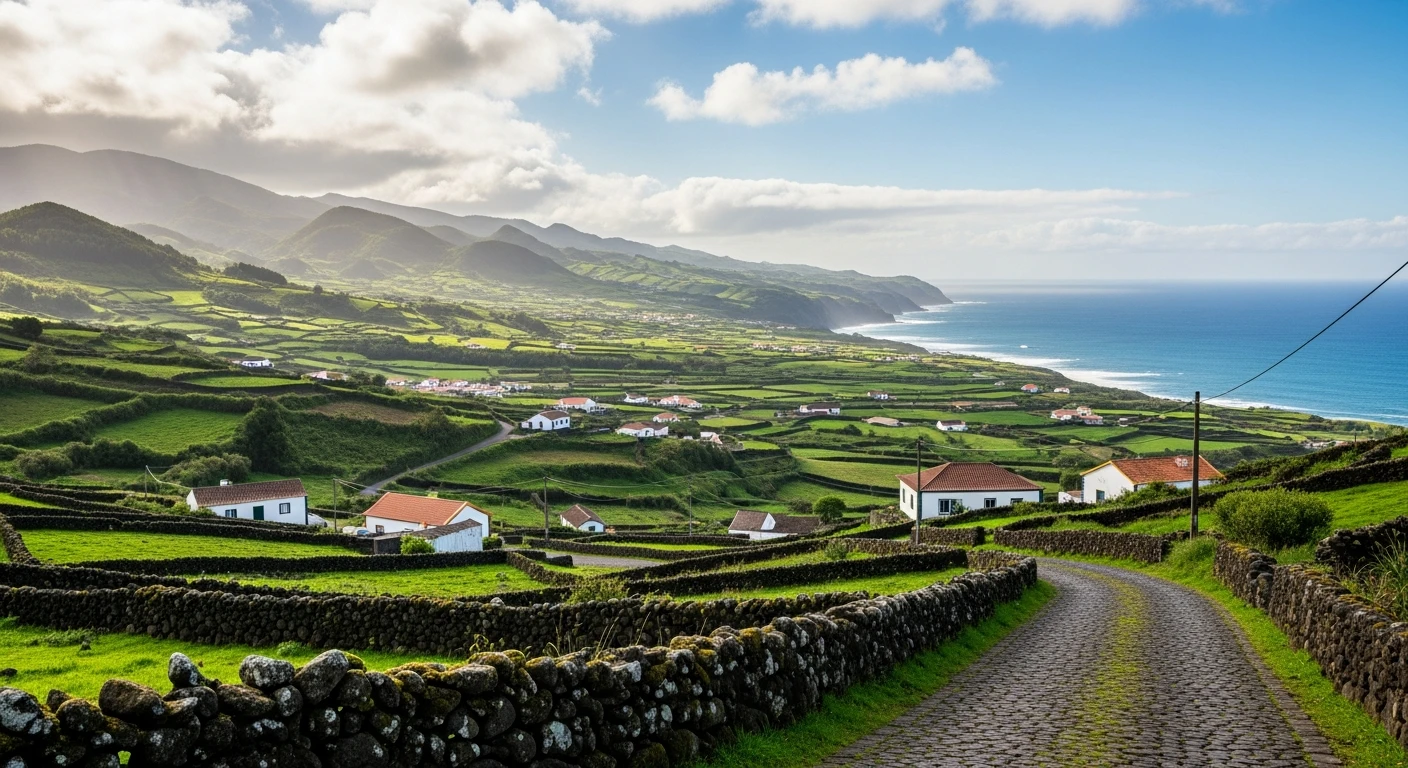
Água de Pau Parish, nestled in the heart of São Miguel Island in the Azores, Portugal, is a captivating destination that blends natural beauty with a rich tapestry of history. This enchanting parish is part of the larger Lagoa municipality and is renowned for its lush landscapes and volcanic origins. The name 'Água de Pau' itself translates to 'Wood Water,' a nod to the area's abundant natural springs and verdant forests.
Historically, Água de Pau has been a significant settlement since the early days of Portuguese exploration and colonization. The parish's roots can be traced back to the 15th century, when settlers first arrived on the island. The town's architecture still reflects its storied past, with charming cobblestone streets and traditional Azorean houses characterized by their whitewashed walls and red-tiled roofs.
The vibe in Água de Pau is serene and welcoming, offering a perfect escape from the hustle and bustle of mainland Portugal. The local community is tight-knit and proud of their heritage, often sharing stories of their ancestors who braved the Atlantic to establish a new life on these remote islands. Visitors are often struck by the juxtaposition of the parish's tranquil atmosphere against the dramatic backdrop of volcanic peaks and the vast Atlantic Ocean.
When it comes to accommodation, Água de Pau offers a range of options to suit different preferences and budgets. For those seeking luxury, the nearby Caloura Resort Hotel provides stunning ocean views and top-notch amenities. This upscale option is perfect for travelers looking to indulge in a bit of pampering while enjoying the natural beauty of Portugal's Azores.
For budget-conscious travelers, there are several charming guesthouses and bed-and-breakfasts scattered throughout the parish. These accommodations often offer a more intimate experience, with hosts eager to share local tips and stories. Staying in these smaller establishments also provides a unique opportunity to immerse oneself in the daily life of Água de Pau.
Getting around Água de Pau and the surrounding areas is relatively straightforward, with several options available for travelers. Renting a car is the most convenient way to explore the parish and the wider São Miguel Island. The roads are well-maintained, and driving offers the flexibility to visit hidden gems at your own pace.
For those preferring public transport, the island's bus network is reliable and covers most major towns and attractions. Buses are an economical choice and provide a chance to experience local life. Alternatively, taxis are readily available and can be a convenient option for shorter distances or when traveling in groups.
Água de Pau serves as an excellent base for exploring the surrounding natural wonders of São Miguel Island. One must-visit destination is the Lagoa do Fogo, a stunning crater lake located just a short drive from the parish. This protected natural reserve offers breathtaking views and numerous hiking trails, making it a paradise for nature enthusiasts.
Another hidden gem is Caloura, a picturesque coastal area known for its crystal-clear waters and vibrant marine life. Here, visitors can enjoy swimming, snorkeling, or simply relaxing by the sea. The area also boasts several excellent seafood restaurants, where you can savor the freshest catch of the day.
The best time to visit Água de Pau and the Azores, Portugal, largely depends on your interests. For those who enjoy warm weather and outdoor activities, the summer months from June to September are ideal. During this time, the island is alive with festivals, and the weather is perfect for exploring the great outdoors.
However, if you prefer a quieter experience, consider visiting in the shoulder seasons of spring (April to May) or fall (October to November). These periods offer mild weather, fewer tourists, and often lower prices on accommodations and flights.
Água de Pau, like much of the Azores, experiences a mild maritime climate, with relatively stable temperatures throughout the year. January and February are the coolest months, with average temperatures around 14°C (57°F), while July and August are the warmest, averaging 24°C (75°F).
Rainfall is fairly evenly distributed throughout the year, though November and December tend to be the wettest months. The island's lush greenery is a testament to this regular precipitation, contributing to its stunning landscapes and vibrant flora.
Água de Pau is steeped in cultural traditions that reflect the broader Azorean and Portuguese heritage. The parish is known for its vibrant festivals, with the Festa do Senhor Santo Cristo dos Milagres being one of the most significant. This religious event attracts visitors from all over Portugal and beyond, featuring processions, music, and traditional Azorean cuisine.
The people of Água de Pau are known for their warmth and hospitality. Visitors are often welcomed with open arms and encouraged to participate in local customs. It's important to respect local etiquette, such as greeting with a friendly 'bom dia' and showing appreciation for the island's natural beauty.
Água de Pau, like much of Portugal, offers a delectable culinary experience that should not be missed. The parish is particularly known for its seafood, with dishes like 'lapas' (limpets) and 'chicharros' (fried mackerel) being local favorites. These dishes are often prepared simply, allowing the freshness of the ingredients to shine through.
Another must-try is the 'cozido das Furnas,' a traditional Portuguese stew cooked using the island's geothermal heat. This unique cooking method infuses the dish with a distinct flavor, making it a memorable culinary experience for any visitor.
Água de Pau boasts several attractions that highlight its natural beauty and cultural heritage. The Nossa Senhora dos Anjos Church is a must-visit, with its intricate architecture and serene ambiance. This historic church has been a spiritual center for the community for centuries, offering a glimpse into the religious traditions of Portugal.
Another landmark is the Caloura Convent, set against a stunning coastal backdrop. The convent's gardens are a peaceful retreat, perfect for a leisurely stroll while enjoying the panoramic ocean views. The nearby natural swimming pools are also a popular spot for locals and tourists alike, offering a refreshing dip in the Atlantic.
For those interested in geology, the Gruta do Carvão is an intriguing lava tunnel that provides insight into the volcanic origins of the Azores. Guided tours offer a fascinating journey through the subterranean landscape, highlighting the unique geological features of the region.
Nearby places worth adding to your itinerary.