Água de Pau Parish
Explore stays
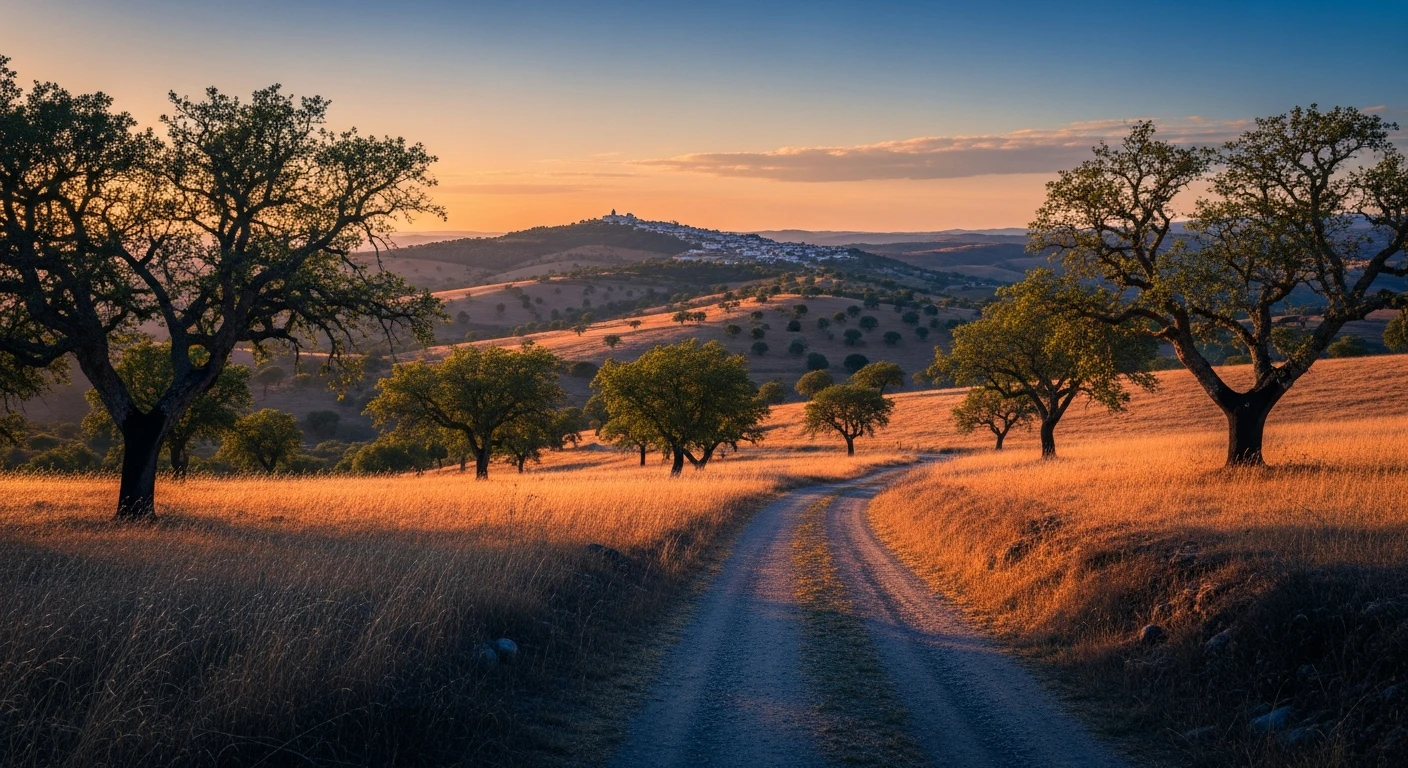
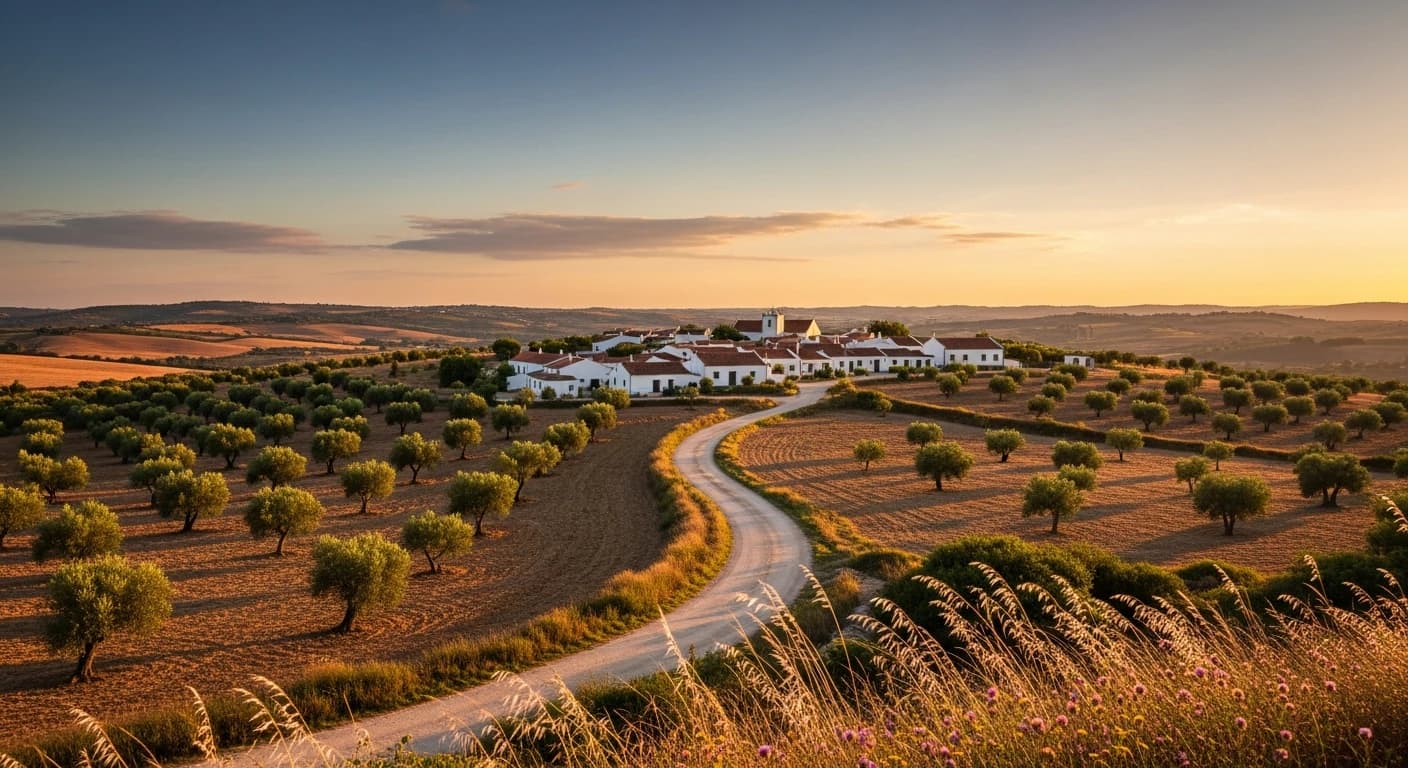
Alentejo, a vast and tranquil region in southern Portugal, is a land where time seems to stand still. Characterized by rolling plains, olive groves, and vineyards, it stretches from the southern banks of the Tagus River to the northern mountains of the Algarve. The region's history is deeply rooted in the Roman era, evidenced by ancient ruins scattered across the landscape. The Moors also left their mark, influencing the architecture and agricultural practices that define Alentejo today.
The vibe of Alentejo is one of serene simplicity, where life moves at a leisurely pace. The locals, known for their warm hospitality, are proud of their heritage and eager to share stories of the past. This region is often described as the ‘breadbasket of Portugal,’ due to its extensive wheat fields and cork oak forests. Alentejo's charm lies in its unspoiled beauty, making it a perfect retreat for those seeking a break from the hustle and bustle of urban life.
Alentejo offers a range of accommodation options to suit every traveler's needs. For those seeking luxury, the region boasts several historic pousadas - traditional Portuguese inns often housed in former castles or monasteries. These offer a unique blend of comfort and history, providing guests with an immersive experience.
For budget travelers, Alentejo has numerous guesthouses and rural tourism accommodations known as 'turismo rural.' These are often family-run establishments that offer a cozy and authentic experience. Areas like Évora, a UNESCO World Heritage site, and the coastal town of Vila Nova de Milfontes are popular places to stay, offering easy access to both cultural sites and natural beauty.
Navigating Alentejo like a local involves a mix of public transport and car hire. While buses and trains connect major towns like Évora and Beja, the region's rural nature means that some of the most picturesque villages and landscapes are best explored by car. Renting a car provides the flexibility to explore off-the-beaten-path gems at your own pace.
Bicycling is another popular way to explore Alentejo, especially along the Rota Vicentina, a network of walking and biking trails that showcase the region's stunning coastal and inland scenery.
Alentejo is surrounded by hidden gems that are perfect for day trips. One such gem is the medieval village of Monsaraz, perched on a hilltop with panoramic views of the Alqueva Dam, the largest artificial lake in Western Europe. The village's cobbled streets and whitewashed houses offer a glimpse into Portugal's past.
Another excursion worth considering is a visit to the Guadiana Valley Natural Park, where visitors can enjoy hiking, bird watching, and even kayaking along the Guadiana River. The park is home to diverse flora and fauna, making it a paradise for nature enthusiasts.
The best time to visit Alentejo depends on what you wish to experience. Spring (March to May) is ideal for witnessing the region's wildflowers in bloom, with mild temperatures perfect for outdoor activities.
Summer (June to August) can be quite hot, but it is the best time to enjoy the region's festivals and vibrant local culture. Autumn (September to November) is harvest season, offering a chance to experience wine-making traditions firsthand.
Winter (December to February) is quieter, with fewer tourists, allowing for a more intimate experience of Alentejo's charming towns and villages.
Alentejo experiences a Mediterranean climate with hot, dry summers and mild, wet winters. January is the coldest month, with temperatures averaging around 8°C (46°F), while July and August are the hottest, often exceeding 30°C (86°F).
Spring and autumn are pleasant, with temperatures ranging from 15°C to 25°C (59°F to 77°F), making these seasons ideal for exploring the outdoors.
Rain is most common from November to February, but it is usually light, with the region enjoying over 3,000 hours of sunshine annually.
Alentejo's culture is a rich tapestry woven from its history and traditions. The region is known for its Cante Alentejano, a unique form of polyphonic singing that has been recognized by UNESCO as Intangible Cultural Heritage. This traditional music is often performed by local choirs during festivals and celebrations.
Festivals play a significant role in Alentejo's cultural calendar, with events like the Feira de São João in Évora and the Festa das Flores in Campo Maior drawing visitors from across Portugal. These festivals offer a chance to experience local customs, cuisine, and crafts.
Etiquette in Alentejo is guided by a deep respect for tradition and community. Visitors are encouraged to greet locals with a warm "Bom dia" and to partake in the region's slow-paced lifestyle.
Alentejo's cuisine is a celebration of its agricultural bounty, with dishes that highlight local ingredients and traditional cooking methods. Must-eat dishes include "Açorda Alentejana," a bread soup flavored with garlic, cilantro, and poached eggs, and "Migas," a hearty dish made from leftover bread, garlic, and olive oil, often served with pork.
The region is also renowned for its wines, particularly robust reds made from indigenous grape varieties. Olive oil, a staple in Alentejo's kitchens, is another product of the region's fertile lands.
Alentejo is home to numerous attractions that showcase its rich history and natural beauty. The city of Évora, a UNESCO World Heritage site, is a must-visit, with its well-preserved Roman Temple and the eerie Chapel of Bones.
Another landmark is the Almendres Cromlech, a megalithic complex older than Stonehenge, offering insight into prehistoric life in Portugal. The site is surrounded by cork oak trees, adding to its mystical atmosphere.
For nature lovers, the Costa Vicentina Natural Park offers stunning coastal landscapes and pristine beaches, perfect for hiking and surfing. The town of Marvão, perched atop the Serra de São Mamede, provides breathtaking views and a glimpse into medieval Portugal.
Lastly, the Alqueva Dark Sky Reserve is a haven for stargazers, offering some of the clearest night skies in Europe.
Nearby places worth adding to your itinerary.
Top stays in Alentejo picked for comfort, value, and great guest reviews.