Abha
Explore stays
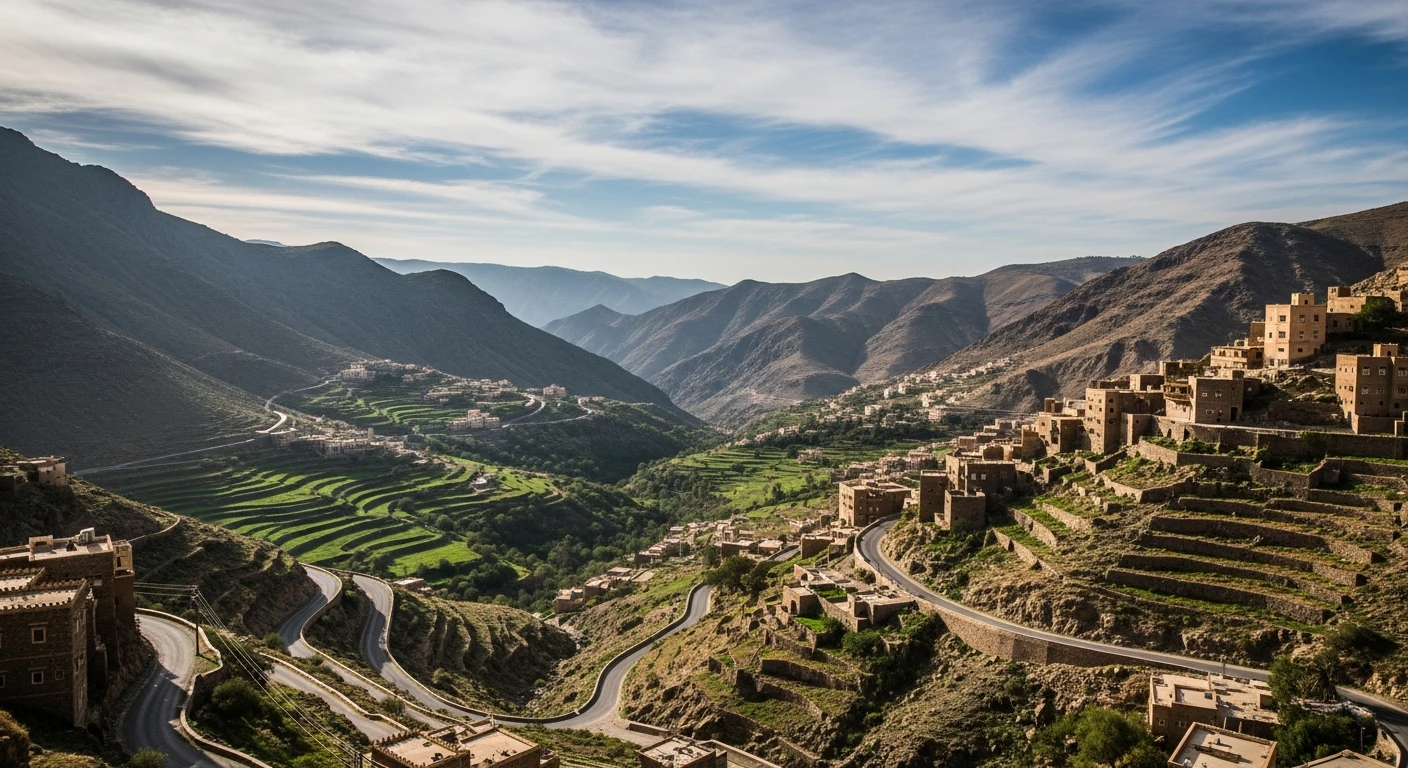
Al Baha, a captivating city in Saudi Arabia, is nestled amidst the Sarawat Mountains, offering a unique fusion of historical richness and natural beauty. Known as the 'Pearl of Resorts', Al Baha is renowned for its cool climate, lush landscapes, and ancient architecture. Historically, Al Baha has been a significant trade route, connecting the southern and northern parts of the Arabian Peninsula. This history is palpable in its ancient towers and stone pathways that whisper tales of a bygone era.
Geographically, Al Baha is a tapestry of mountains, valleys, and forests, providing a stark contrast to the usual desert landscapes of Saudi Arabia. The city is surrounded by over 40 forests, including the famous Raghdan Forest, making it a haven for nature lovers. The vibe of Al Baha is a blend of tranquility and vibrancy, where the old meets the new, and tradition coexists with modernity.
The people of Al Baha are known for their warm hospitality, making visitors feel like part of the community. The city’s cultural heritage is rich, with a strong emphasis on traditional music, dance, and crafts, which are proudly showcased in local festivals and markets.
Al Baha offers a range of accommodation options to suit different budgets and preferences. For those seeking luxury, the Al Baha Palace Hotel provides opulent rooms with panoramic views of the surrounding mountains. Its central location makes it ideal for exploring the city’s attractions.
Budget travelers can opt for the Al Baha Hotel Apartments, which offer comfortable stays at affordable prices. These apartments provide a homely atmosphere with essential amenities, making them a popular choice for families and solo travelers alike.
Areas such as Baljurashi and Al Mandaq are popular among tourists for their proximity to key attractions and natural beauty. Staying in these areas provides easy access to local markets and eateries, allowing travelers to immerse themselves in the local culture.
Navigating Al Baha is relatively straightforward, with several transportation options available. The city is well-connected by a network of roads, making car rentals a convenient choice for visitors who prefer to explore at their own pace. Several rental agencies offer a variety of vehicles, catering to different needs and budgets.
For those who prefer public transportation, local buses operate regularly, connecting major areas within the city. Taxis are also readily available and provide a comfortable way to travel short distances. It's advisable to agree on a fare before starting your journey to avoid misunderstandings.
Walking is another excellent way to explore the city, especially in the cooler months, allowing travelers to discover hidden gems and interact with locals.
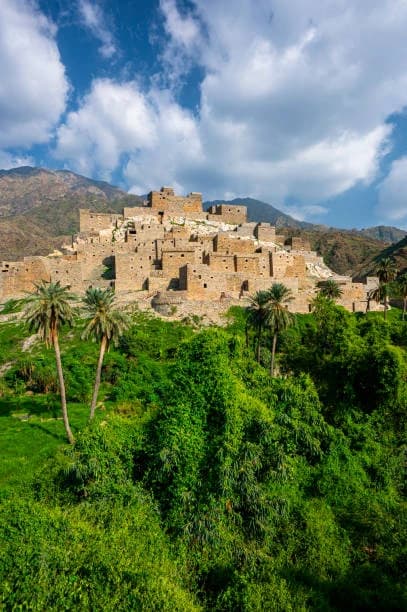
Beyond the city, Al Baha is surrounded by numerous hidden gems waiting to be explored. The Dhee Ayn Village, often referred to as the Marble Village, is a must-visit. This ancient village, perched on a white marble hill, offers stunning views and a glimpse into the region's history.
The Al Kharrara Waterfall is another natural wonder, located a short drive from the city. The waterfall, surrounded by lush greenery, provides a serene escape from the hustle and bustle of city life.
For adventure enthusiasts, the Sarawat Mountains offer excellent hiking opportunities. The trails vary in difficulty, catering to both novice and experienced hikers. These excursions provide a chance to connect with nature and experience the breathtaking landscapes of Saudi Arabia.
The best time to visit Al Baha is during the spring (March to May) and autumn (September to November) months. During these periods, the weather is mild and pleasant, making it ideal for outdoor activities and sightseeing.
Spring is particularly beautiful, as the landscape comes alive with vibrant blooms, offering a picturesque setting for nature lovers. Autumn, on the other hand, provides a cooler climate, perfect for exploring the city’s historical sites and natural attractions.
While summer can be hot, the higher altitude of Al Baha ensures cooler temperatures compared to other parts of Saudi Arabia, making it a popular summer retreat.
Al Baha experiences a moderate climate throughout the year, thanks to its elevation. January is the coolest month, with temperatures ranging from 12°C to 18°C, while July is the warmest, with averages between 25°C and 30°C.
February and March see a gradual increase in temperatures, with occasional rainfall, making it a refreshing time to visit. April to June is relatively dry, with temperatures rising but still comfortable for outdoor activities.
The months of November and December are cooler, with crisp air and clear skies, providing a perfect backdrop for exploring the city and its surroundings.
Al Baha is a cultural hub in Saudi Arabia, with a rich heritage that is celebrated through various festivals and events. The Al Baha Summer Festival is a highlight, featuring traditional music, dance, and crafts, attracting visitors from across the region.
The people of Al Baha are proud of their cultural traditions, which are reflected in their daily lives. Hospitality is a significant aspect of the local culture, with visitors often invited to share a meal or a cup of Arabic coffee, a gesture of friendship and goodwill.
Etiquette is important in Al Baha, as in the rest of Saudi Arabia. Visitors are advised to dress modestly, respect local customs, and show appreciation for the region's traditions and values.
The culinary scene in Al Baha is a delightful blend of traditional Saudi Arabian flavors and local specialties. A must-try dish is Al Saleeg, a creamy rice dish often served with chicken or lamb, seasoned with aromatic spices.
Another local favorite is Mandi, a fragrant rice dish cooked with meat and a blend of spices, offering a burst of flavors with every bite. For dessert, try the traditional Maamoul, a date-filled pastry that is both sweet and satisfying.
The local markets and eateries provide a wonderful opportunity to sample these dishes and learn about the culinary history of the region.
Al Baha is home to several remarkable landmarks that showcase the city’s history and natural beauty. The Al Baha Museum is a great starting point, offering insights into the region’s cultural heritage through its extensive collection of artifacts and exhibits.
The Raghadan Forest Park is a popular spot for both locals and tourists, providing a lush green escape with picnic areas and walking trails. The park is particularly beautiful during the spring when the flowers are in full bloom.
The Shada Mountain is another must-visit, offering breathtaking views of the surrounding landscape. The mountain is a popular spot for hiking and photography, providing a unique perspective of Saudi Arabia's natural beauty.
The Al Mandaq Waterfalls, located a short drive from the city, offer a serene setting for relaxation and exploration. The cascading waters and surrounding greenery create a tranquil atmosphere, perfect for unwinding.
Finally, the Al Baha Fort is a historical landmark that offers a glimpse into the city’s past. The fort’s architecture and strategic location provide insights into the region’s historical significance as a trade and defense hub.
Nearby places worth adding to your itinerary.
Top stays in Al Baha picked for comfort, value, and great guest reviews.
Local guide picks to help you explore Al Baha better.