Abha
Explore stays
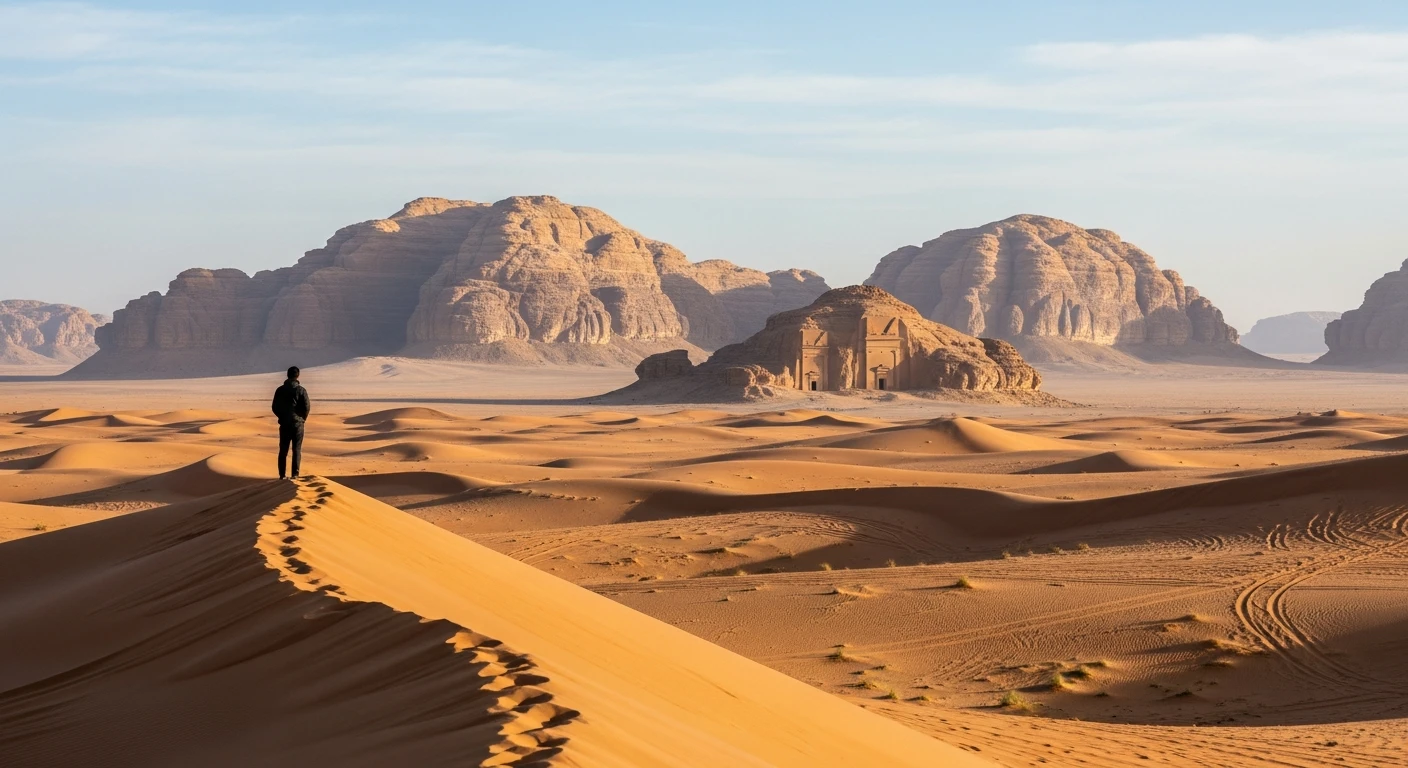
Al Jawf Region, located in the northern part of Saudi Arabia, is a captivating blend of ancient history and striking landscapes. This region is known for its rich agricultural heritage, owing to the fertile lands nurtured by the Al-Sarhan Valley. Historically, Al Jawf has been a significant crossroads for trade routes, linking the Arabian Peninsula with the Levant and beyond. The remnants of ancient civilizations, including the Nabataeans and Romans, can still be found scattered across its terrain, offering a window into the past.
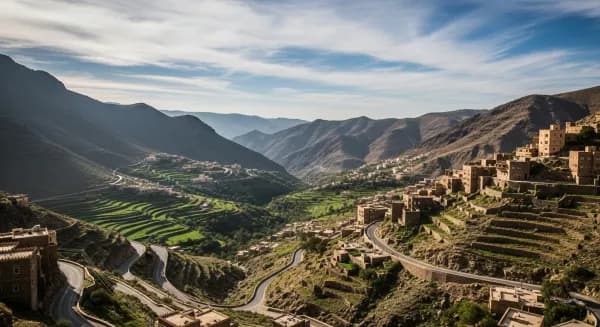
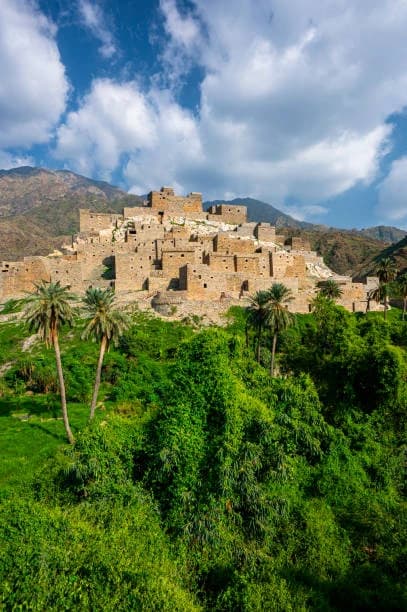
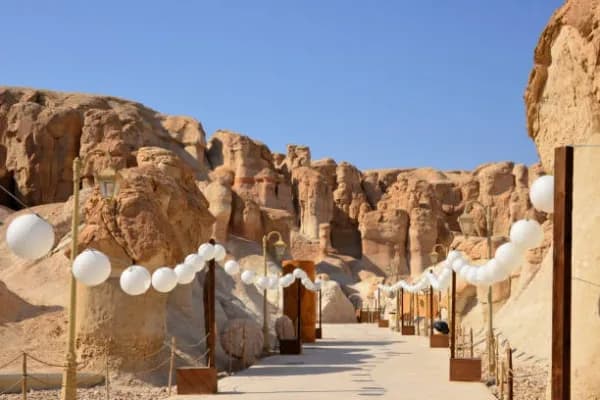
The geography of Al Jawf is varied, with rolling sand dunes, lush oases, and rugged mountains. The region's vibe is a unique mix of serene desert tranquility and vibrant cultural heritage. The local communities are known for their hospitality and adherence to traditional customs, which adds a warm, welcoming atmosphere for visitors.
Today, Al Jawf is a growing hub for tourism, with efforts to preserve its historical sites while promoting modern amenities. The region's strategic location and rich cultural tapestry make it a must-visit for those exploring Saudi Arabia.
Al Jawf offers a range of accommodation options to suit various budgets and preferences. In the capital city, Sakaka, visitors can find luxury hotels such as the Hilton Sakaka, which provides top-notch amenities and services. These establishments offer a blend of modern comfort with traditional Saudi Arabian hospitality.
For budget-conscious travelers, there are numerous guesthouses and mid-range hotels that offer clean and comfortable lodging. Areas like Dumat Al-Jandal also provide charming local inns where guests can experience the authentic lifestyle of the region. Whether you prefer the opulence of a luxury hotel or the cozy feel of a guesthouse, Al Jawf has something to offer every traveler.
Navigating Al Jawf like a local requires understanding the region's transportation options. The most common mode of transport is by car, and rental services are widely available in Sakaka. Driving offers the flexibility to explore the region's diverse landscapes at your own pace.
Public transportation is limited, but there are local buses that connect major towns and cities. Taxis are also available and can be a convenient option for short distances. For a truly local experience, consider hiring a local guide who can navigate the terrain and offer insights into the region's history and culture.
Al Jawf is surrounded by hidden gems waiting to be explored. One such excursion is to the ancient city of Dumat Al-Jandal. Known for its historical significance, this area boasts the Marid Castle and the ancient mosque of Omar Ibn Al-Khattab, offering a glimpse into the region's storied past.
Another must-visit is the Al-Rajajil standing stones, often referred to as Saudi Arabia's Stonehenge. These mysterious stone pillars are believed to date back to the Chalcolithic period and are a testament to the region's ancient inhabitants.
For nature enthusiasts, the Al-Sarhan Valley offers breathtaking landscapes and opportunities for hiking and birdwatching. The valley's lush greenery contrasts beautifully with the surrounding desert, providing a serene escape into nature.
The best time to visit Al Jawf is during the cooler months, from October to March. During this period, the weather is mild, making it ideal for exploring the region's outdoor attractions and historical sites.
Spring, from March to May, is particularly pleasant, with blooming flowers adding color to the landscape. The summer months, from June to September, can be extremely hot, with temperatures often exceeding 40°C, making outdoor activities challenging.
Al Jawf experiences a desert climate, characterized by hot summers and mild winters. January is the coldest month, with temperatures ranging from 5°C to 18°C, while July is the hottest, with temperatures soaring between 25°C and 42°C.
Rainfall is scarce, with most precipitation occurring between November and April. Despite the arid conditions, the region's oases and valleys provide a refreshing contrast to the surrounding desert.
The culture of Al Jawf is deeply rooted in Bedouin traditions, with a strong emphasis on hospitality and community. The region is known for its vibrant festivals, such as the Olive Festival, which celebrates the local olive harvest with music, dance, and culinary events.
The people of Al Jawf are proud of their heritage, and visitors are often welcomed with open arms. It's important to respect local customs and etiquette, such as dressing modestly and being mindful of prayer times.
The region's cultural landscape is enriched by its diverse population, which includes descendants of ancient tribes and more recent settlers from across Saudi Arabia.
Al Jawf's cuisine is a delightful reflection of its agricultural bounty and cultural heritage. A must-eat dish is Kabsa, a flavorful rice dish often served with lamb or chicken, infused with spices such as saffron and cardamom.
The region is also famous for its olives and olive oil, which are integral to many local dishes. Visitors should not miss the opportunity to try Mutabbaq, a savory stuffed pastry that showcases the region's culinary creativity.
Dining in Al Jawf offers a chance to experience the authentic flavors of Saudi Arabia, with meals often shared in a communal setting, reflecting the region's emphasis on hospitality.
Al Jawf is home to several remarkable landmarks that offer insights into the region's rich history and culture. The Marid Castle in Dumat Al-Jandal is one of the top attractions. This ancient fortress dates back to the Nabataean era and provides panoramic views of the surrounding landscape.
The Omar Ibn Al-Khattab Mosque, also located in Dumat Al-Jandal, is another significant site. Built in the 7th century, it is one of the oldest mosques in Saudi Arabia and an excellent example of early Islamic architecture.
Al-Rajajil, the mysterious standing stones near Sakaka, continue to intrigue archaeologists and visitors alike. These ancient monoliths are believed to have been used for astronomical or ritual purposes.
The Al-Sarhan Valley is a natural attraction that offers stunning vistas and opportunities for outdoor activities. Its lush vegetation and diverse wildlife make it a haven for nature lovers.
Finally, the Al Jawf Museum in Sakaka provides a comprehensive overview of the region's history, from prehistoric times to the modern era. The museum's exhibits include artifacts from the Nabataean, Roman, and Islamic periods, offering a fascinating journey through time.
Nearby places worth adding to your itinerary.
Top stays in Al Jawf Region picked for comfort, value, and great guest reviews.