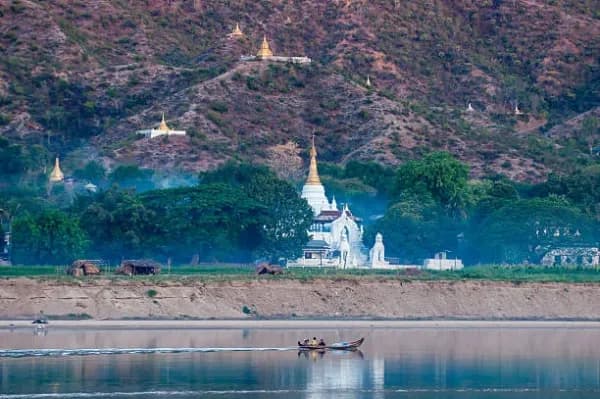
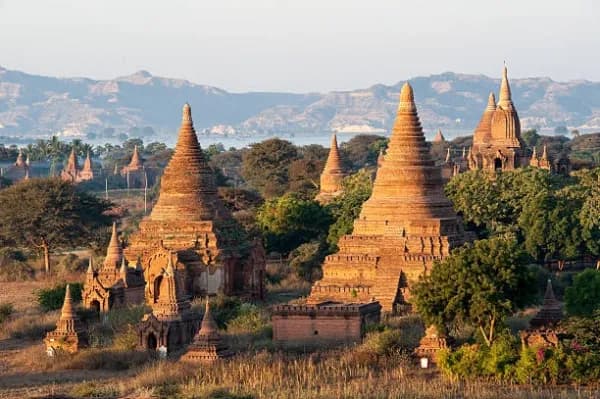
Anisakan
Explore stays
Bago, Myanmar, is a city steeped in history, culture, and natural beauty. Located about 80 kilometers (50 miles) northeast of Yangon, it offers visitors a mix of ancient ruins, serene landscapes, and unique cultural experiences. Whether you’re a history enthusiast, nature lover, or someone looking for a peaceful getaway, Bago has something special to offer. This guide will take you through the top attractions, best times to visit, and useful tips to plan your trip to Bago, Myanmar.
Bago is a small city located in the central part of Myanmar, in the Bago Region. It was once known as Pegu and served as the capital of several Burmese kingdoms. The city is surrounded by lush landscapes, with rice fields, forests, and rivers that give it a tranquil, scenic atmosphere. It lies just 80 kilometers from Yangon, Myanmar’s largest city, making it an easy day trip or weekend getaway for those based in Yangon.
Bago’s strategic location and rich history make it a fascinating place to explore. The city is known for its impressive ancient pagodas, cultural sites, and historical landmarks, many of which are reminders of Myanmar’s glorious past. Today, Bago is a peaceful, relatively quiet city that provides a perfect contrast to the bustling streets of Yangon.
Bago is well-connected to major cities in Myanmar, making it accessible by road, rail, and sometimes air. Here are the main transport options to get to Bago:
By Road: Bago is about a 1.5-hour drive from Yangon. The roads are well-maintained, and the drive offers scenic views of the countryside, including rice fields and small villages. You can take a private car or bus from Yangon, or hire a taxi. The journey is straightforward, and buses operate regularly throughout the day.
By Train: Bago is connected to Yangon by train. The train ride offers a unique experience and takes about 2 to 3 hours. Although the train may not be as fast as other modes of transport, it allows you to enjoy the scenery along the way.
By Air: While Bago does not have an international airport, it is close to Yangon International Airport (around 80 km away), which is Myanmar’s main gateway for international flights. From there, you can easily reach Bago by bus, taxi, or private car.
Since Bago does not have its own airport, international visitors will need to fly into Yangon International Airport, which is well-connected to major cities around the world. From Yangon, it is easy to travel to Bago by car or bus.
Bago is home to some of the most stunning historical sites in Myanmar. Below are some of the must-see attractions in and around the city:
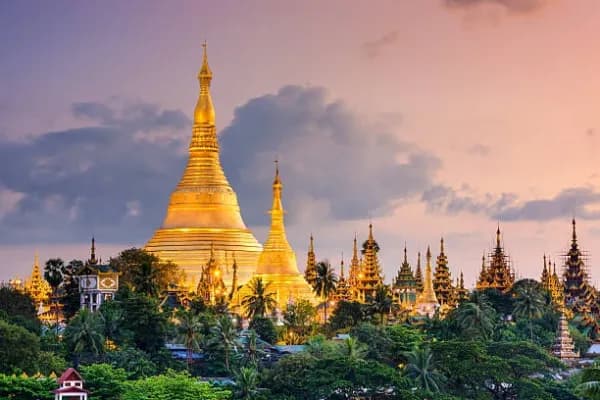
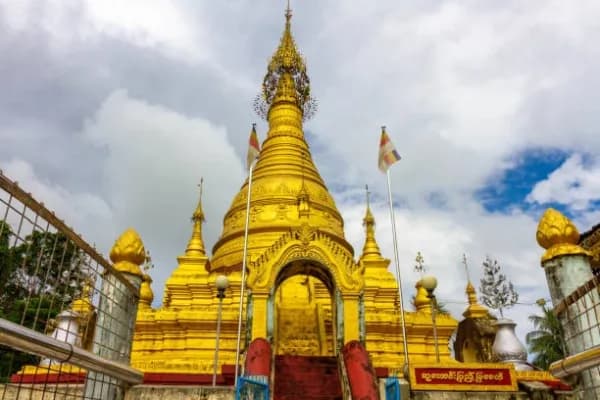
One of the most important landmarks in Bago, the Shwemawdaw Pagoda is an ancient Buddhist temple that dates back over 1,000 years. Known for its impressive golden stupa, the pagoda is taller than Yangon’s famous Shwedagon Pagoda and is considered one of the holiest sites in Myanmar. Visitors can admire the stunning architecture, enjoy panoramic views of the city from the pagoda platform, and learn about the history and significance of this sacred site.
The Kyaik Pun Pagoda is another must-visit attraction in Bago. This pagoda is famous for its four giant seated Buddha statues, each facing a different direction. The statues are an impressive sight and are believed to represent the four previous Buddhas. The pagoda complex is peaceful and offers a great place to relax and enjoy the surrounding beauty.
The Royal Palace of Bago is an important historical site that was once the residence of the kings of the Mon Kingdom. Although the palace itself is in ruins today, you can still visit the site to explore the remnants of the old palace walls, gates, and surrounding gardens. The palace was originally built in the 15th century and is an excellent place to learn more about the region's history and architecture.
The Bago Market is a bustling market where you can experience local life and shop for a variety of goods. The market offers fresh fruits, vegetables, clothing, souvenirs, and local crafts. It’s a great place to interact with locals and buy handmade goods as souvenirs for your trip.
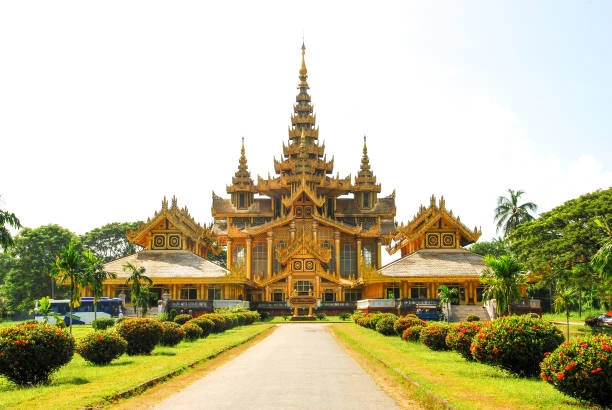
The Kanbawzathadi Palace is another important historical site in Bago. Built in the 16th century, it was once the residence of King Bayinnaung, the founder of the Toungoo Dynasty. Although the original palace has been destroyed, the site has been partially reconstructed and offers a glimpse into Myanmar’s royal past. Visitors can explore the remnants of the palace and the surrounding grounds.
The Taukkyan War Cemetery is a solemn and peaceful site dedicated to the soldiers who died during World War II. Located just outside Bago, this cemetery is the final resting place of over 6,000 Commonwealth soldiers, mostly from the United Kingdom, India, and Myanmar. The well-maintained cemetery is a place of reflection and a reminder of the region's role in global history.
The Hinthada Viewpoint is a great place to enjoy panoramic views of Bago and its surrounding countryside. The viewpoint offers a tranquil atmosphere, perfect for taking in the beauty of the rice fields and distant hills. It is a popular spot for both locals and tourists.
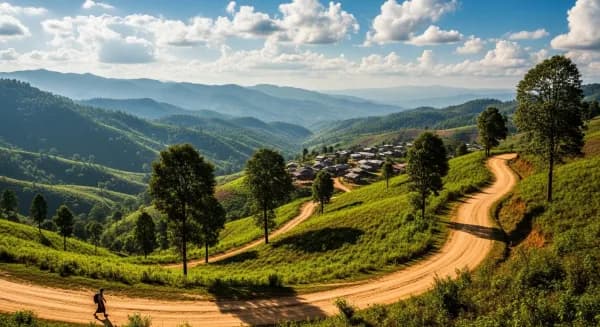
Bago is also a great place to explore nature. The region has several beautiful lakes and rivers, perfect for boat trips and sightseeing. The Bago River and surrounding wetlands are home to a variety of bird species, making it a popular spot for birdwatching.
Bago is conveniently located near several other major cities in Myanmar, making it easy to visit during your travels:
Yangon: Bago is about 80 kilometers (50 miles) from Yangon, which is approximately a 1.5-hour drive by car or bus.
Mandalay: Bago is about 340 kilometers (210 miles) from Mandalay, which takes around 6 to 7 hours by road.
Bagan: The distance between Bago and Bagan is approximately 400 kilometers (250 miles), and it takes about 7 to 8 hours by road.
While Bago may not offer the same variety of food options as larger cities like Yangon or Mandalay, there are still plenty of delicious Burmese dishes to try. Here are some popular food options in Bago:
Burmese Curry: The local Burmese curry is a must-try. Served with rice, it is often made with chicken, pork, or beef and accompanied by a variety of side dishes.
Shan Noodles: A traditional dish from the Shan state, Shan noodles are often served with chicken or pork and are flavorful and satisfying.
Mohinga: This fish noodle soup is the national dish of Myanmar. It’s a popular breakfast dish but can be enjoyed at any time of day. The soup is made with fish, noodles, and various herbs and spices.
Tea Leaf Salad (Lahpet): This unique Burmese dish is made with fermented tea leaves, peanuts, sesame seeds, and other ingredients. It’s a flavorful and refreshing dish that’s often served as an appetizer or side dish.
Street Food: In the local markets, you’ll find a range of street food, including fried snacks, noodle dishes, and grilled meats. It’s a great way to sample the local cuisine at a more affordable price.
Bago is a relatively small city, so getting around is easy. Here are some options:
Taxis: The most convenient way to explore Bago is by taxi. Taxis are available throughout the city and can be hired for short trips or full-day tours.
Bicycles: Renting a bicycle is a great way to explore Bago at your own pace. The city is not very crowded, and the wide streets and flat terrain make cycling a pleasant experience.
Motorbikes: You can also rent a motorbike to explore the city and surrounding areas. This option is ideal for those who want to travel more quickly and cover more ground.
Public Buses: Public buses are available but are less common for tourists. However, they are an affordable option for getting around the city.
Bago is a unique destination for several reasons:
Historical Significance: With its ancient pagodas, royal palaces, and temples, Bago is a city rich in history and culture. It offers a chance to explore Myanmar’s past, particularly the Mon Kingdom.
Tranquil Atmosphere: Unlike larger cities like Yangon, Bago is peaceful and quiet, offering a more relaxed atmosphere for travelers.
Natural Beauty: The surrounding countryside, rivers, and lakes add to Bago’s appeal, providing a mix of cultural experiences and nature exploration.
The best time to visit Bago is during the cool season, from November to February. During this period, the weather is comfortable, with cooler temperatures and less humidity. The months from March to May can be very hot, with temperatures exceeding 35°C (95°F). The rainy season, from June to October, can make travel difficult due to heavy rainfall.
A visit to Bago typically lasts 2 to 3 days. You can easily explore the major attractions in one or two days, but if you want to take your time and explore the countryside, you may want to stay a bit longer.
Nearby places worth adding to your itinerary.
Top stays in Bago picked for comfort, value, and great guest reviews.