Anisakan
Explore stays
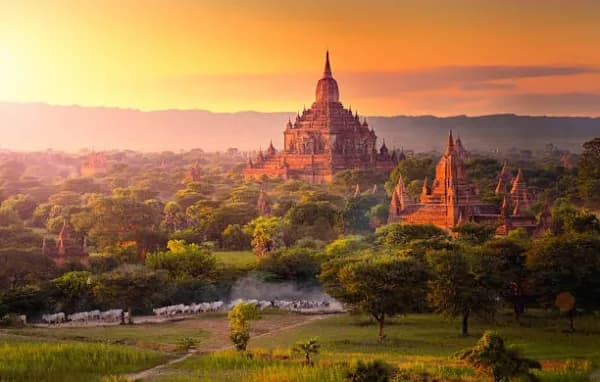
The Bago Region, located in southern Myanmar (Burma), is a captivating blend of history, culture, and natural beauty. This region, once the heart of the Mon Kingdom, offers a rich tapestry of historical narratives and cultural influences. Established as the capital of the Mon Kingdom in the 15th century, Bago was a thriving port city, bustling with trade and cultural exchanges. Today, the remnants of its glorious past can be seen in its majestic pagodas and ancient ruins.
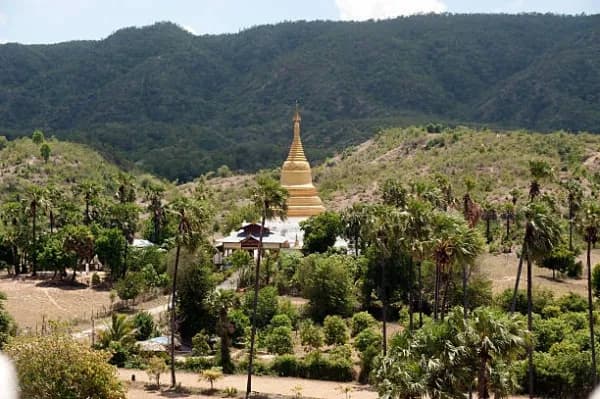
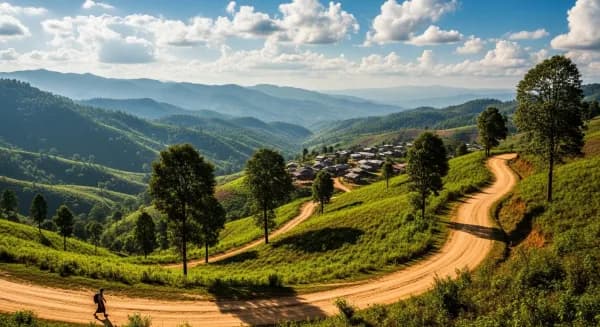
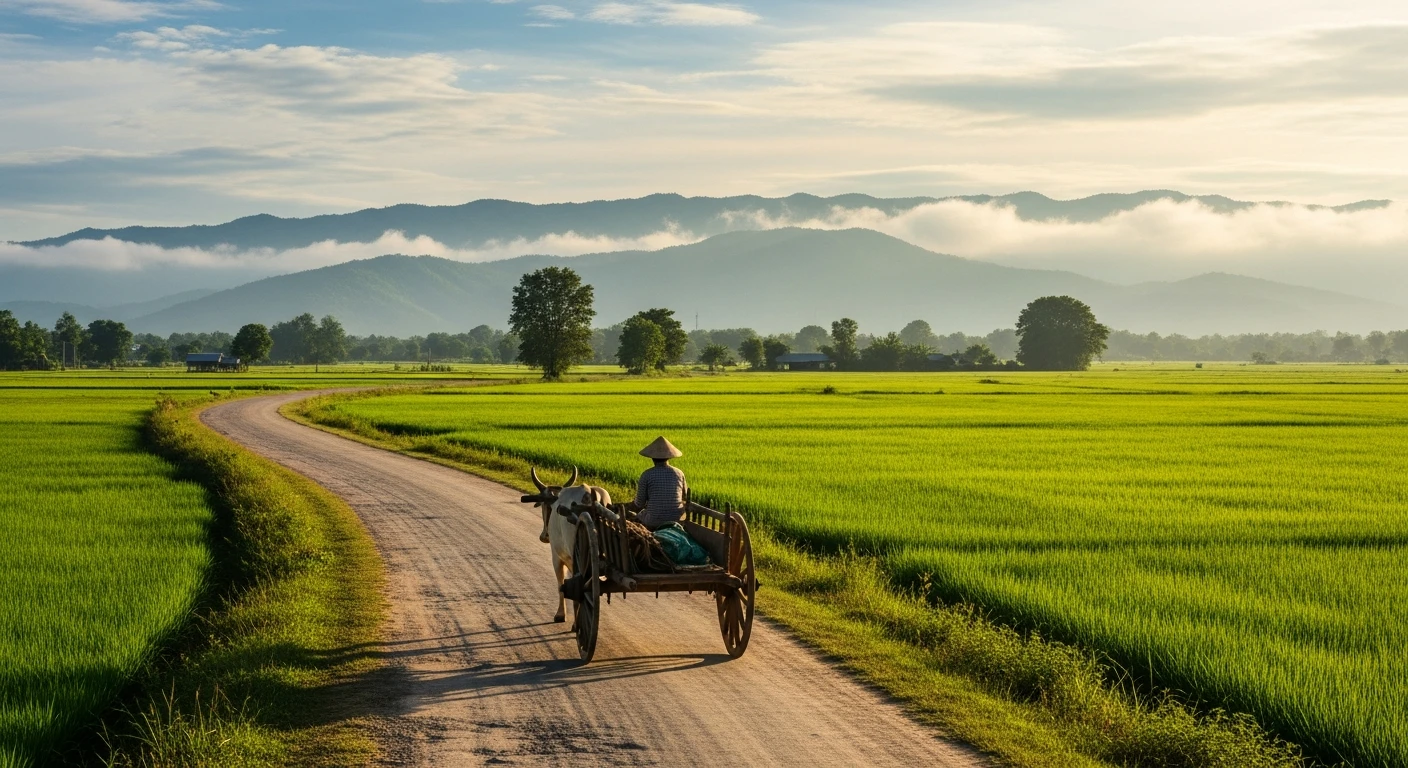
Geographically, Bago is characterized by its verdant landscapes, with lush paddy fields, dense forests, and the serene Bago Yoma mountain range. The region's fertile plains are nourished by the Sittang River, making agriculture a predominant occupation. The vibe of Bago is a harmonious blend of the past and present, where traditional lifestyles coexist with modern influences. Visitors will find a welcoming atmosphere, with locals eager to share their rich heritage and traditions.
In Bago, the rhythm of life is slower, offering a tranquil escape from the bustling cities of Myanmar (Burma). The region's charm lies in its unassuming beauty and the warmth of its people, making it an ideal destination for those seeking an authentic cultural experience.
Bago Region offers a range of accommodations to suit every traveler's needs, from luxurious retreats to budget-friendly lodgings. For those seeking luxury, the Bago Resort is a splendid choice, offering opulent rooms with stunning views of the surrounding landscapes. Located near major attractions, it provides a perfect blend of comfort and convenience.
For budget-conscious travelers, guesthouses and hostels in Bago town offer affordable and cozy accommodations. Areas like Pyay Road are dotted with family-run guesthouses that provide a homely atmosphere, often accompanied by the warm hospitality of the locals. These budget options allow travelers to experience the true essence of Myanmar (Burma) without breaking the bank.
Navigating the Bago Region like a local can be an adventure in itself. The most common mode of transportation is the motorbike taxi, locally known as 'motodop', which offers a quick and inexpensive way to explore the area. For those preferring a more traditional experience, horse-drawn carts are available, providing a leisurely tour of the town's attractions.
Buses and shared taxis are popular for traveling between towns and villages, offering a glimpse into the daily life of the locals. For a more comfortable ride, travelers can hire private cars, which are readily available and can be arranged through hotels or travel agencies. Understanding a few basic Burmese phrases can enhance the experience and help in navigating the local transport network.
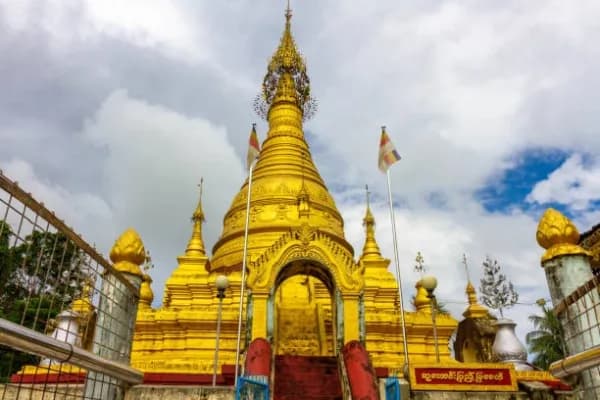
The Bago Region is a gateway to several hidden gems that are worth exploring. One such gem is the Kyaik Pun Pagoda, famous for its four towering Buddha statues that face the cardinal directions. This serene site is steeped in legend and offers a peaceful retreat from the hustle and bustle of city life.
Another must-visit is the Shwethalyaung Buddha, one of the largest reclining Buddha images in Myanmar (Burma). Nestled amidst lush greenery, it provides a tranquil setting for reflection and meditation. For nature enthusiasts, a trip to the Bago Yoma mountain range offers hiking and bird-watching opportunities, with trails that meander through dense forests and offer panoramic views of the region.
The best time to visit the Bago Region is during the cool, dry season from November to February. During this period, the weather is pleasantly mild, making it ideal for exploring the region's outdoor attractions. The months of March to May can be quite hot, with temperatures soaring, but this is also when the region's flora is in full bloom, adding a vibrant touch to the landscape.
The monsoon season, from June to October, brings heavy rains, which can make travel challenging but also transforms the region into a lush, green paradise. For those who don't mind the rain, this is a great time to experience the region's natural beauty in its most verdant state.
The weather in Bago Region varies significantly throughout the year. January and February are the coolest months, with temperatures ranging from 15°C to 28°C, providing a comfortable climate for sightseeing. March to May marks the hot season, with temperatures often exceeding 35°C, requiring travelers to stay hydrated and seek shade during peak hours.
The monsoon season, from June to October, brings heavy rainfall, with July and August being the wettest months. Despite the rain, this period offers a unique experience, with the landscape turning lush and the air filled with the scent of fresh earth. November and December see a gradual return to cooler temperatures, making it a pleasant time for outdoor activities.
The Bago Region is a cultural mosaic, with influences from various ethnic groups, including the Mon, Bamar, and Karen. The region is renowned for its vibrant festivals, such as the Thingyan Water Festival, which marks the Burmese New Year and involves joyous water fights and traditional music and dance performances.
Another significant festival is the Tazaungdaing Festival, celebrated with colorful lanterns and community feasts. The people of Bago are known for their friendliness and hospitality, often inviting visitors to participate in local customs and rituals. When visiting, it's important to respect local etiquette, such as dressing modestly and removing shoes when entering religious sites.
The culinary scene in Bago Region is a delightful exploration of flavors and textures. A must-try dish is 'Mohinga', a traditional Burmese fish noodle soup that's popular for breakfast. This savory dish is a perfect blend of rice noodles, fish broth, and spices, offering a taste of Myanmar (Burma)'s rich culinary heritage.
Another local favorite is 'Laphet Thoke', a fermented tea leaf salad that's both unique and refreshing. Made with pickled tea leaves, nuts, and vegetables, it's a staple in Burmese cuisine. Street food stalls in Bago offer an array of snacks, from 'Samosas' to 'Mont Lin Ma Yar', a crispy pancake filled with quail eggs and spring onions, providing a quick and delicious bite for travelers on the go.
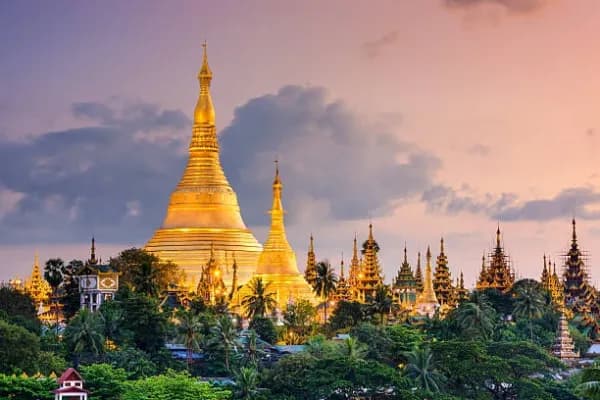
The Bago Region is home to several iconic landmarks that showcase its rich history and cultural heritage. The Shwemawdaw Pagoda, known as the 'Golden God Temple', is the tallest pagoda in Myanmar (Burma) and a symbol of Bago's spiritual significance. Its golden spire can be seen from miles away, attracting pilgrims and tourists alike.
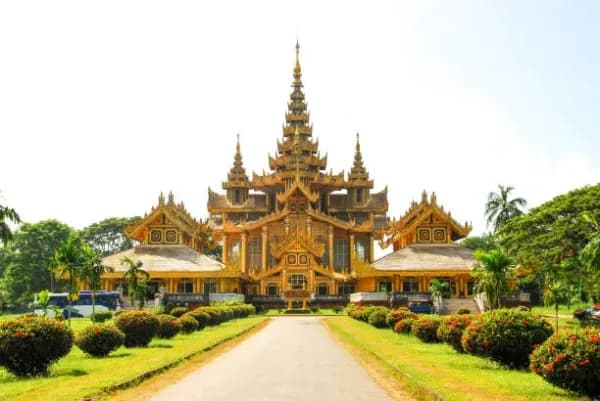
Another landmark is the Kanbawzathadi Palace, a reconstruction of the original palace of King Bayinnaung, offering insights into the grandeur of the Hanthawaddy Kingdom. The palace complex includes several halls and pavilions, each adorned with intricate carvings and artifacts from the era.
The Mahazedi Pagoda, with its impressive bell-shaped stupa, offers panoramic views of the surrounding countryside. It's a popular spot for both locals and tourists to enjoy a peaceful sunset. The Snake Pagoda, home to a massive Burmese python, is a unique attraction that draws curious visitors eager to witness this unusual sight.
Lastly, the Hinthagon Pagoda, perched on a hill, provides a serene escape with its tranquil gardens and panoramic views of Bago. According to legend, it marks the spot where the mythical bird 'Hinthar' landed, adding a mystical allure to this sacred site.
Nearby places worth adding to your itinerary.
Top stays in Bago Region picked for comfort, value, and great guest reviews.