
Airdrie
Explore stays
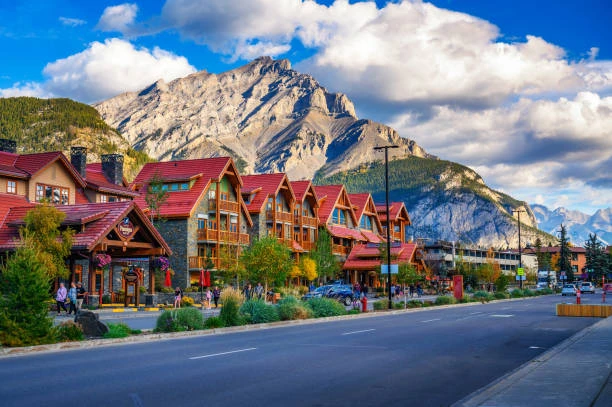
Nestled in the heart of the Canadian Rockies, Banff, Alberta, is a breathtaking destination renowned for its natural beauty, outdoor adventures, and rich history. Established as Canada’s first national park in 1885, Banff has transformed from a modest hot spring discovery into a bustling mountain town. The area is steeped in Indigenous culture, with the Stoney Nakoda people being the original inhabitants, who revered the land for its spiritual significance.
Geographically, Banff is situated at an elevation of 1,400 meters, surrounded by majestic peaks such as Mount Rundle and Cascade Mountain. The Bow River flows through the town, providing stunning views and a vibrant ecosystem. The vibe in Banff is an eclectic mix of modern luxury and rustic charm, where visitors are greeted with the warm hospitality of locals and the awe-inspiring landscape that defines Alberta’s natural allure.
In the late 19th century, the Canadian Pacific Railway played a pivotal role in making Banff accessible, attracting tourists from around the world. The town has since evolved, blending rich historical architecture with contemporary establishments. Today, Banff is a UNESCO World Heritage Site, drawing millions of visitors annually who come to experience its unparalleled skiing, hiking trails, and wildlife. The ethos of conservation and appreciation of nature remains strong in Banff, making it a haven for outdoor enthusiasts and a cultural touchstone in Alberta.
Banff offers a range of accommodations that cater to various budgets and preferences. For those seeking luxury, the Fairmont Banff Springs Hotel, often referred to as the 'Castle in the Rockies,' provides opulent rooms and exceptional amenities, including a world-class spa, fine dining, and stunning views of the surrounding mountains. The hotel’s historical significance and grand architecture make it a major attraction in itself.
On the more budget-friendly side, hostels like HI Banff Alpine Centre and motels like the Banff Voyager Inn offer comfortable and affordable options for travelers. The downtown area is particularly convenient, with easy access to shops, restaurants, and local attractions. Additionally, vacation rentals and cabins provide a homely atmosphere for families or groups looking to immerse themselves in the natural beauty of Alberta.
Getting around Banff is relatively straightforward and can be done through various means. The Roam Public Transit system offers an affordable and efficient way to navigate the town and surrounding areas, connecting key locations such as the Banff Gondola and Lake Louise. For those who prefer a more personal touch, biking and walking are popular options, given the town’s compact size and pedestrian-friendly pathways.
During peak tourist seasons, renting a car can be advantageous for exploring further afield, such as the scenic Icefields Parkway. Keep in mind that parking can be limited in busy areas, so plan accordingly. For a unique experience, consider hitching a ride on one of the local shuttle services that operate to major attractions, allowing visitors to enjoy the stunning landscapes without the hassle of driving.
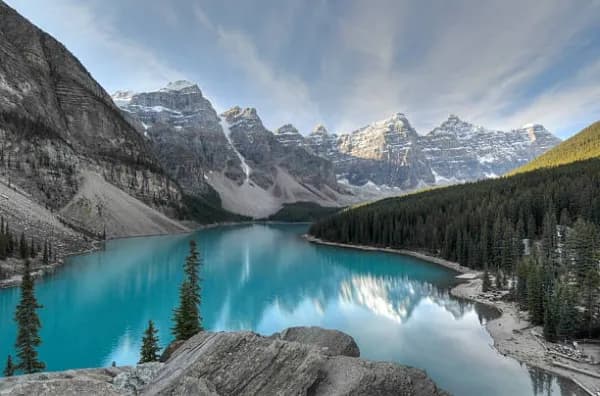
While Banff itself is a gem, the surrounding areas of Alberta offer hidden treasures waiting to be explored. Just a short drive from Banff, Johnston Canyon is a must-visit. This stunning gorge features a well-maintained trail leading to breathtaking waterfalls, where you can witness the beauty of nature up close. The vibrant turquoise waters of Moraine Lake, often acclaimed as one of the most photographed lakes in the world, is another nearby wonder that should not be missed.
For those craving adventure, the Kananaskis Country offers thrilling outdoor activities such as mountain biking and rock climbing in a less crowded environment. The region is also home to numerous hiking trails, including the popular Ptarmigan Cirque, which rewards hikers with panoramic views of the surrounding peaks. Alberta’s natural beauty is abundant, making excursions from Banff an integral part of any visit.
Banff, Alberta, offers distinct seasonal experiences, making it a year-round destination. Winter (December to February) is perfect for skiing and snowboarding enthusiasts, with Banff Ski Resort and Lake Louise Ski Resort drawing visitors from far and wide. The snow-covered landscapes are a winter wonderland, ideal for snowshoeing and ice skating.
Spring (March to May) brings a gradual thaw, revealing stunning wildflowers and accessible hiking trails. This shoulder season is less crowded, making it an excellent time for those seeking tranquility amidst nature. Summer (June to August) is peak tourist season, with vibrant green landscapes, numerous festivals, and outdoor activities. Lastly, autumn (September to November) showcases the stunning fall foliage, offering a picturesque backdrop for hiking and photography, and is often quieter, allowing for a more intimate experience with Alberta's natural beauty.
Banff’s weather varies significantly throughout the year, affecting what visitors can expect during their stay. In January, temperatures can plummet to around -10°C (14°F), with heavy snowfall creating ideal skiing conditions. February sees similar temperatures but with longer days, making outdoor activities more enjoyable.
As spring approaches in March and April, temperatures gradually rise to around 5°C (41°F) during the day, though nights can still be chilly. By May, the area starts to bloom, with daytime temperatures reaching 15°C (59°F). Summer is warm and sunny, with July and August averaging 20-25°C (68-77°F), making it perfect for hiking and outdoor festivities. Autumn brings a drop in temperature, with October typically seeing highs of 10°C (50°F) and lows near freezing, offering a beautiful backdrop of fall colors. December ushers in winter once again, completing the cycle of Alberta’s diverse climate.
Banff is a vibrant cultural hub, hosting numerous festivals and events throughout the year. The Banff Mountain Film and Book Festival, held every fall, showcases films and literature that celebrate mountain culture and adventure, drawing filmmakers and enthusiasts from around the globe. Additionally, the Banff Centre for Arts and Creativity plays a pivotal role in fostering artistic expression through workshops, performances, and exhibitions.
The local population is a blend of long-time residents, seasonal workers, and tourists, creating a cosmopolitan yet intimate atmosphere. Visitors should be mindful of local etiquette, such as respecting nature and wildlife, as well as being courteous towards residents and fellow travelers. Engaging with locals and participating in community events can provide deeper insights into the unique culture of Banff and Alberta.
Banff's culinary scene is a reflection of its diverse culture, with a focus on local ingredients and traditional dishes. Must-try items include Alberta beef, celebrated for its quality and flavor, often featured in gourmet burgers and steaks at local restaurants. The town is also known for its hearty comfort food, including poutine—fries topped with cheese curds and gravy—as well as bison and elk dishes.
Many establishments also emphasize farm-to-table practices, showcasing Alberta’s agricultural bounty. Don't miss out on sampling locally brewed craft beers and artisanal spirits from nearby distilleries. The fusion of traditional and contemporary cuisine reflects Banff's unique identity, making it a delightful culinary destination in Alberta.
Banff is home to several must-see attractions that highlight its stunning natural beauty and rich history. The Banff Gondola offers an exhilarating ride to the summit of Sulphur Mountain, where visitors can enjoy 360-degree views of the Rockies. This experience is not to be missed, especially at sunset when the mountains glow in hues of orange and pink.
Another iconic landmark is Lake Louise, famous for its emerald waters and picturesque surroundings. The lake is a hub for outdoor activities, including canoeing and hiking, offering breathtaking views year-round. The historic Banff Springs Hotel is a marvel in itself, with its stunning architecture and rich history as a luxury retreat since the late 1800s.
For wildlife enthusiasts, the Banff Wildlife Museum provides insights into the region’s diverse fauna, featuring exhibits and information about local species. Finally, the Cave and Basin National Historic Site, the birthplace of Canada’s national parks, offers a glimpse into Banff's historical significance and the natural hot springs that started it all.
Nearby places worth adding to your itinerary.