
Airdrie
Explore stays
Bighorn No. 8 is a unique and captivating area located within Alberta, Canada. Nestled within the Canadian Rockies, this region is known for its breathtaking landscapes, rich indigenous history, and vibrant local culture. The history of Bighorn No. 8 dates back to the signing of Treaty 6 in 1876, which granted rights to the indigenous peoples of the area, primarily the Stoney Nakoda Nation. The name 'Bighorn' is derived from the majestic bighorn sheep that roam the nearby mountains, a symbol of strength and resilience.
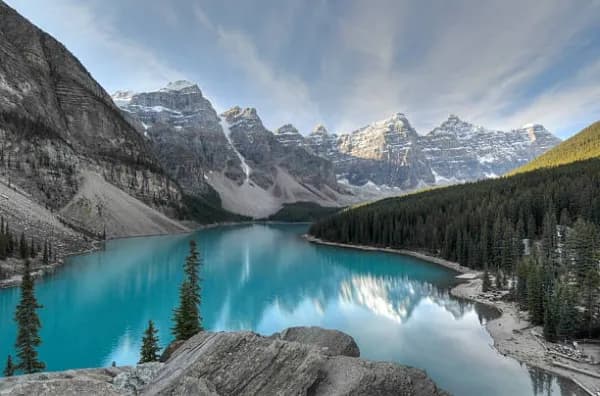
The geography of Bighorn No. 8 is nothing short of stunning. The area is characterized by rugged mountains, lush forests, and pristine rivers, making it a haven for outdoor enthusiasts. The vibe here is a harmonious blend of tranquility and adventure, attracting those seeking both relaxation and excitement. Visitors can expect to engage with the natural beauty of Alberta while also immersing themselves in the local traditions and stories that have shaped this land.
What sets Bighorn No. 8 apart is its sense of community and belonging. The local residents, primarily from the Stoney Nakoda Nation, are deeply connected to the land, and their stories and traditions offer a rich tapestry that enhances any visit. Whether you're hiking through the mountains or enjoying a local festival, the spirit of Alberta resonates throughout the region.
When it comes to accommodation in Bighorn No. 8, travelers can choose from a variety of options that cater to different budgets and preferences. For those seeking luxury, the area features upscale lodges and resorts that provide stunning views of the surrounding landscapes. Places like the Bighorn Mountain Lodge offer elegant rooms, fine dining, and spa services, ensuring a lavish experience amidst nature's beauty.
For budget-conscious travelers, there are charming cabins, campgrounds, and even hostels available. The Stoney Nakoda Resort & Casino, while offering amenities that appeal to luxury seekers, also provides more affordable accommodations without compromising comfort. Staying in these options allows you to connect more intimately with the local culture and environment, making your trip to Alberta even more memorable.
Getting around Bighorn No. 8 is relatively straightforward, especially if you embrace the local ways. While car rentals are available, many visitors opt for biking or hiking as their primary modes of transportation, allowing them to experience the natural beauty up close. The area is well-connected by a network of trails, making it easy to explore at your own pace. Additionally, local shuttle services can take you to nearby attractions, providing an eco-friendly way to enjoy the stunning Alberta scenery.
Beyond the immediate beauty of Bighorn No. 8, there are several hidden gems worth exploring. A short drive away is the breathtaking Kananaskis Country, known for its dramatic landscapes and extensive hiking trails. Another nearby treasure is the iconic Canmore, a picturesque town filled with local shops and eateries that capture the essence of Alberta's mountain culture.
For those looking for a unique adventure, consider a guided tour to discover the region’s indigenous history. Tours led by local Stoney Nakoda guides provide insights into traditional practices, local folklore, and the natural environment, enriching your understanding of Alberta's heritage.
The best time to visit Bighorn No. 8 largely depends on what activities you have in mind. Summer (June to August) is ideal for hiking, mountain biking, and exploring the lush landscapes, while the vibrant fall foliage in September offers a stunning visual experience. Winter (December to February) transforms the area into a snowy wonderland, perfect for skiing and snowshoeing. Spring (March to May) brings blooming wildflowers and is a great time for wildlife viewing, including sightings of the local bighorn sheep.
Weather in Bighorn No. 8 varies significantly throughout the year. January is typically cold, with temperatures averaging around -10°C (14°F). February sees a slight warming trend, while March begins to hint at spring with temperatures reaching 0°C (32°F). As summer approaches, June experiences mild weather, averaging 15°C (59°F), making outdoor activities enjoyable.
July and August are the warmest months, with temperatures often soaring to 25°C (77°F). However, nights can still be cool. As fall sets in, September brings cooler temperatures and stunning autumn colors. By November, the first snowfall is common, signaling the start of winter activities, with temperatures dropping significantly.
The culture of Bighorn No. 8 is deeply rooted in the traditions of the Stoney Nakoda Nation. Festivals such as the annual Pow Wow celebrate indigenous heritage, showcasing traditional dances, music, and art. The community is warm and welcoming, often inviting visitors to partake in cultural events and learn about their history.
Etiquette is essential when engaging with the local community. Respect for elders and traditional practices is paramount. Visitors are encouraged to ask questions and show genuine interest in the culture, fostering mutual respect and understanding. Engaging with locals will enrich your experience and create lasting memories of Alberta.
Restaurants often prioritize local ingredients, celebrating the bounty of Alberta's farms and forests. Don't miss the opportunity to try freshly caught fish from nearby lakes or locally sourced berries in desserts. The blend of flavors and cultural significance makes dining in Bighorn No. 8 a memorable part of your visit.
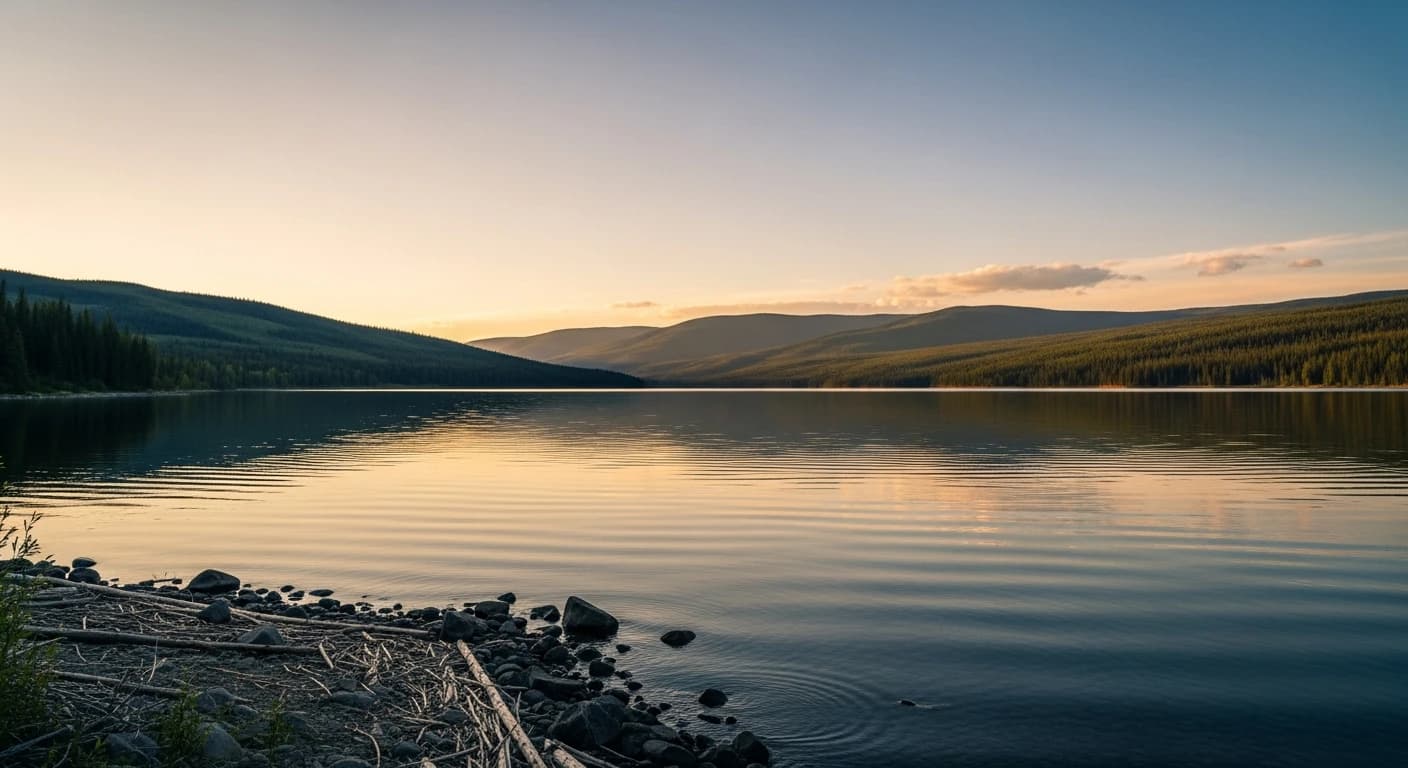
Bighorn No. 8 boasts several must-see landmarks that encapsulate the beauty and history of Alberta. First on the list is the stunning Spray Lakes Reservoir, known for its crystal-clear waters and breathtaking mountain backdrop. This area is perfect for kayaking, fishing, or simply enjoying a picnic by the shore.
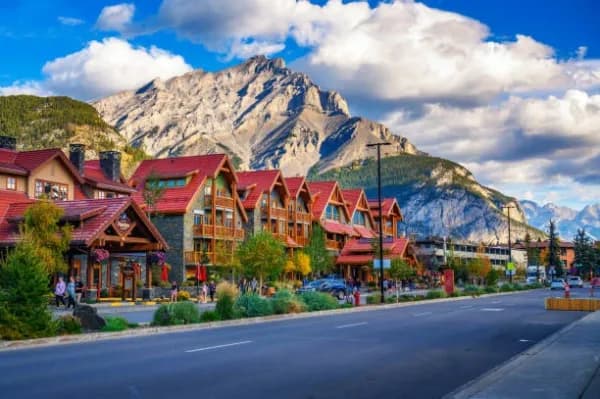
Next, the iconic Ghost Lake offers a serene escape, ideal for hiking and nature photography. The surrounding landscapes are perfect for capturing the essence of Alberta's natural beauty. Third, the historic town of Canmore, with its charming shops and vibrant arts scene, is a short drive away and offers a unique glimpse into Alberta's mountain culture.
Fourth, the Kananaskis Provincial Park is a vast wilderness area that offers extensive hiking trails and wildlife viewing opportunities. Lastly, the Stoney Nakoda Resort & Casino provides entertainment, dining, and cultural experiences, making it a great stop for those looking to immerse themselves in local traditions while enjoying modern amenities.
Nearby places worth adding to your itinerary.
Top stays in Bighorn No. 8 picked for comfort, value, and great guest reviews.