Anahola
Explore stays
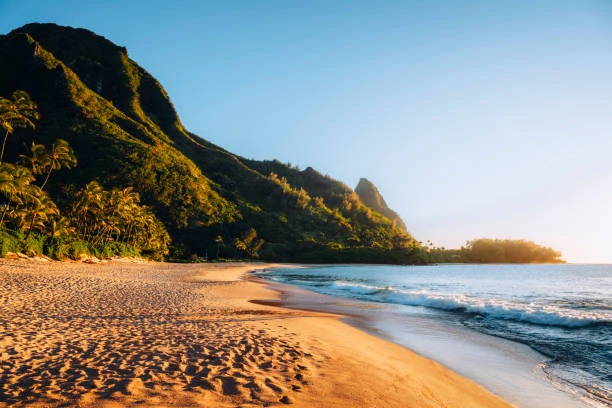
The Big Island, officially known as Hawaiʻi Island, is the largest and the youngest of the Hawaiian archipelago. With a landmass of over 4,000 square miles, it is home to diverse landscapes ranging from lush rainforests to arid desert regions. The island's formation is a result of volcanic activity, culminating in the majestic Mauna Kea and Mauna Loa volcanoes, which are not just geographical landmarks but also hold significant cultural importance.
The history of the Big Island is rich and varied, dating back to the Polynesian settlers who arrived over a thousand years ago. They established a society that thrived on agriculture and fishing, laying the foundation for what would become a vibrant Hawaiian culture. The island played a pivotal role in the unification of the Hawaiian Islands under King Kamehameha I in the late 18th century. His legacy continues to influence the island’s identity today, with numerous sites honoring his reign.
The vibe of the Big Island is a blend of traditional Hawaiian culture and modern-day tourism. Visitors can experience everything from quiet, remote beaches to bustling towns like Kailua-Kona, where the spirit of aloha is palpable. Nature lovers will find endless opportunities for adventure, whether it’s hiking through volcanic landscapes or snorkeling in vibrant coral reefs. The Big Island is a tapestry of experiences waiting to be explored, showcasing the beauty and resilience of Hawaiian culture.
When it comes to accommodation on the Big Island, travelers can find a range of options to suit their needs, from luxury resorts to budget-friendly hostels.
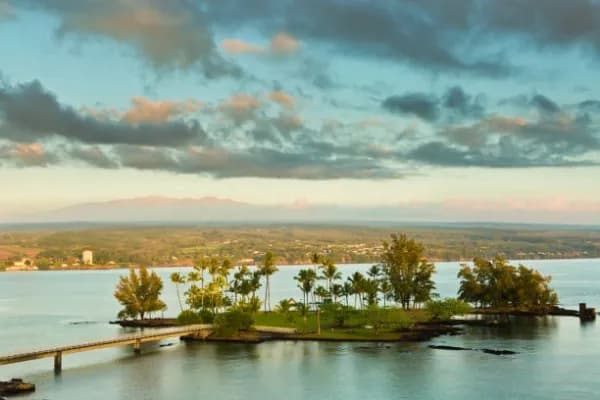
Luxury seekers might consider staying in the Kohala Coast area, known for its upscale resorts such as the Mauna Kea Beach Hotel and Four Seasons Resort Hualalai. These properties offer stunning ocean views, world-class amenities, and access to pristine beaches. For those who desire a more authentic experience, the historic town of Hilo presents charming bed and breakfasts and boutique hotels that provide a cozy atmosphere.
Budget travelers, on the other hand, can explore options in Kailua-Kona, where hostels and vacation rentals are more affordable. The area also has convenient access to local markets and eateries, allowing you to experience the local lifestyle without breaking the bank.
Getting around the Big Island like a local involves a combination of rental cars and public transportation. While the island does have a bus system, the Hele-On Bus, it can be limited in terms of routes and schedules.
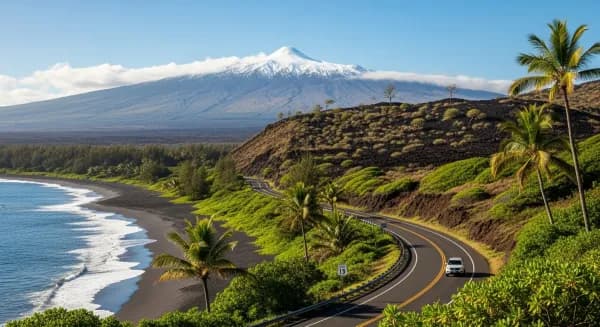
Renting a car is the most popular choice among visitors, as it provides the freedom to explore the island at your own pace. Most major rental companies operate at the airport and in town. The roads are well-maintained, and driving offers breathtaking views of the coastline and volcanic landscapes, making each journey an adventure in itself.
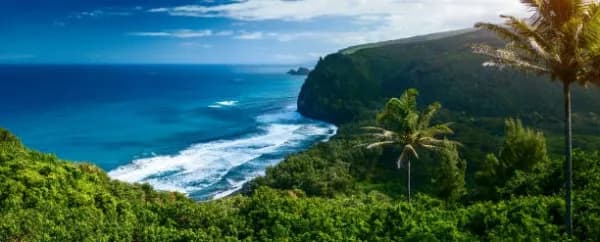
Beyond the well-trodden tourist paths, the Big Island is dotted with hidden gems waiting to be discovered. One such excursion is a visit to the Pololu Valley Lookout, located on the northern coast. This stunning vista provides a panoramic view of steep cliffs and lush valleys, a perfect spot for photography or a peaceful moment in nature.
Another hidden treasure is the Green Sand Beach at Papakōlea, one of only four green sand beaches in the world. The hike to the beach is an adventure in itself, taking you through rocky terrain and offering a unique glimpse into the island's geological features.
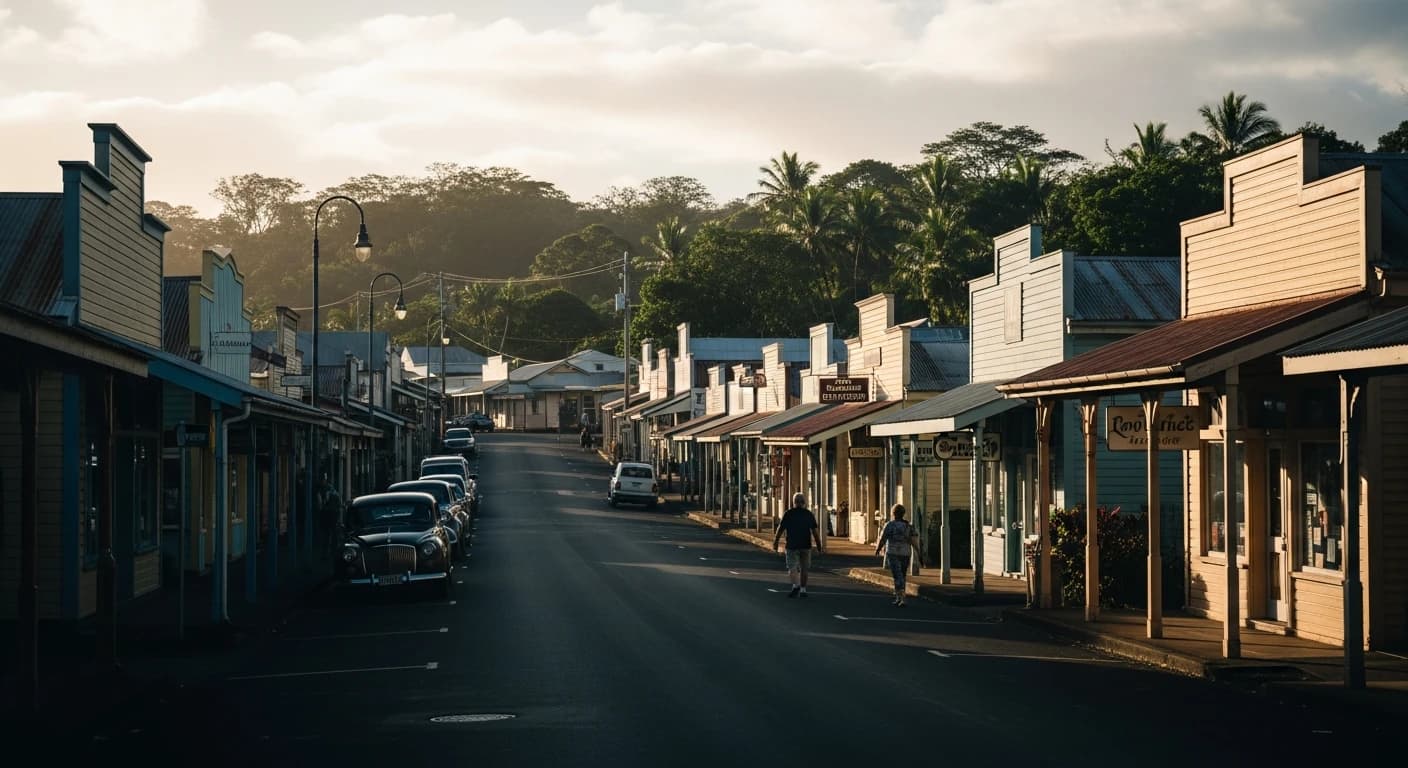
For a more cultural experience, consider visiting the town of Hawi, known for its charming shops and local art. The area has a rich history tied to sugar plantations and showcases local artistry through galleries and craft shops.
The best time to visit the Big Island can vary depending on what you hope to experience. Generally, the dry season from April to October is ideal for beachgoers and outdoor enthusiasts, with minimal rainfall and warm temperatures.
However, if you’re interested in experiencing traditional Hawaiian festivals, visiting during the wet season from November to March can offer unique cultural insights, albeit with a higher chance of rain. The peak tourist season occurs during the summer months and around major holidays, so planning your trip during shoulder seasons (April-May and September-October) can provide a more relaxed experience.
The weather on the Big Island is as diverse as its landscapes, with microclimates that can change dramatically within just a few miles. On average, temperatures range from the mid-70s to mid-80s Fahrenheit year-round.
In January, the island can experience cooler temperatures, particularly at higher elevations like Mauna Kea, while August tends to be the warmest month. Rainfall is more common in the winter months, particularly in Hilo, which is one of the wettest cities in the United States. Conversely, the Kohala Coast is typically dry, making it a favored spot for visitors seeking sunshine.
The culture of the Big Island is a rich tapestry woven from its indigenous Hawaiian roots and diverse influences from around the world. Festivals play a significant role in community life, with events such as the Merrie Monarch Festival in Hilo celebrating hula and Hawaiian culture through performances and competitions.
The people of the Big Island, known for their hospitality and sense of community, embody the spirit of aloha in their interactions. Understanding basic Hawaiian etiquette, such as greeting with a warm smile and being respectful of local customs, can enhance your experience.
Additionally, cultural sites like Puʻuhonua o Hōnaunau National Historical Park offer insights into ancient Hawaiian practices and beliefs, making it a must-visit for those interested in the island’s heritage.
Another local favorite is loco moco, a hearty dish consisting of rice topped with a hamburger patty, fried egg, and brown gravy. The island's farmers' markets offer fresh produce and unique local products, providing visitors an opportunity to savor authentic Hawaiian flavors while supporting local agriculture.
The Big Island is home to a wealth of attractions that showcase its natural beauty and rich history. Here are five must-visit landmarks:
1. **Hawaiʻi Volcanoes National Park**: This UNESCO World Heritage site is a testament to the island's volcanic activity. Visitors can explore lava tubes, hike trails, and witness the breathtaking Kīlauea volcano, which offers a unique glimpse into the Earth's geological processes.
2. **Mauna Kea**: Known for its stunning sunsets and stargazing opportunities, Mauna Kea is the highest point in Hawaii. Visitors can take guided tours to observe celestial bodies through powerful telescopes, an unforgettable experience for astronomy enthusiasts.
3. **Akaka Falls State Park**: Home to the breathtaking 442-foot Akaka Falls, this park features lush hiking trails that wind through tropical rainforests. The sound of cascading water and the vibrant flora create a serene atmosphere that captivates nature lovers.
4. **Puʻuhonua o Hōnaunau National Historical Park**: This sacred site served as a place of refuge for those who broke kapu (ancient laws). The park offers a glimpse into Hawaiian culture with its reconstructed temples and cultural demonstrations.
5. **Kailua-Kona**: The heart of the island's tourism, Kailua-Kona is famous for its coffee farms, historic sites, and vibrant nightlife. Visitors can explore the local markets, enjoy fresh seafood, and soak in the lively atmosphere of this coastal town.
Nearby places worth adding to your itinerary.