An Giang
Explore stays

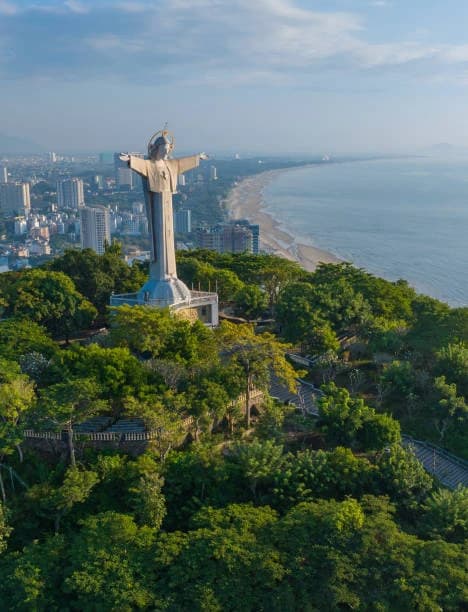
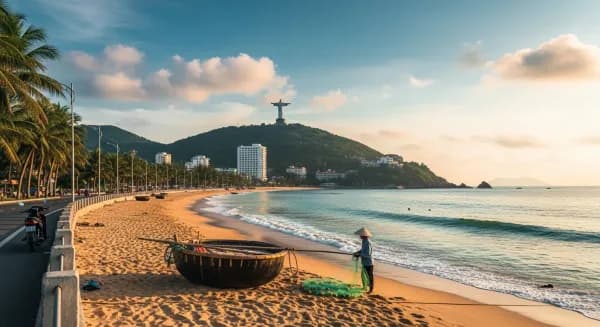
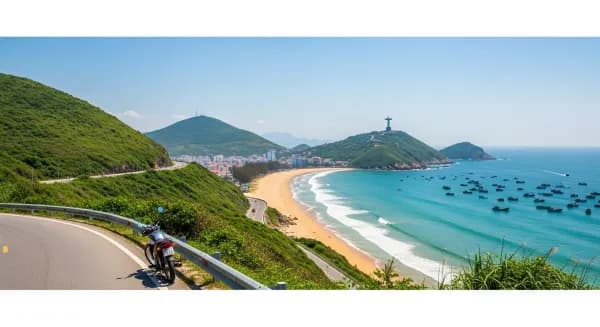
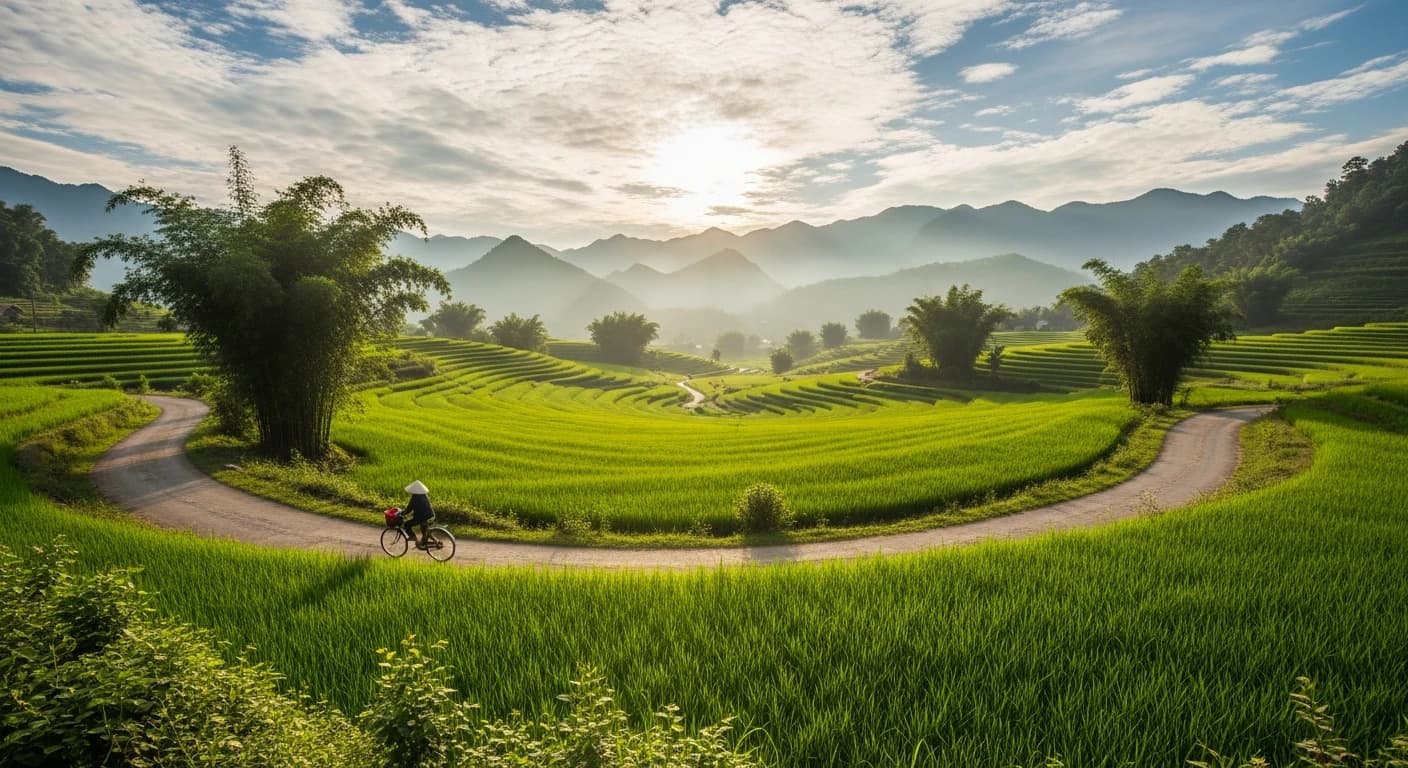
Binh Dinh, located in the south-central coast of Vietnam, is an increasingly popular destination for tourists looking to explore a mix of natural beauty, cultural heritage, and peaceful coastal vibes. With its pristine beaches, historic sites, and stunning landscapes, Binh Dinh offers a refreshing alternative to the more crowded tourist spots in Vietnam. Whether you’re interested in exploring ancient temples, relaxing on unspoiled beaches, or enjoying local food, Binh Dinh has something for everyone.
In this detailed guide, we’ll explore everything you need to know about Binh Dinh, including top tourist attractions, how to get there, food options, the best time to visit, and more.
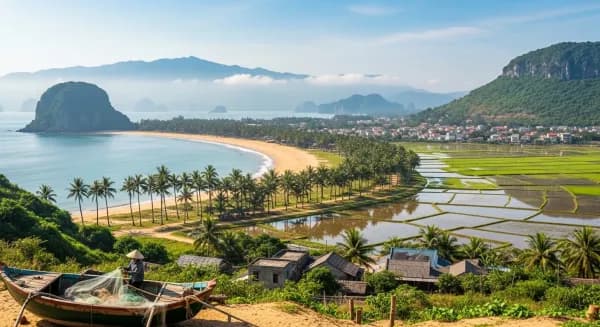
Binh Dinh is located along Vietnam’s southern coastline, bordered by the South China Sea to the east and the provinces of Phu Yen, Gia Lai, and Quang Ngai to the north, west, and south. The province is known for its beautiful coastline, with many pristine beaches, clear blue waters, and tranquil atmospheres, making it a perfect destination for nature lovers, beachgoers, and history buffs.
Binh Dinh is also rich in cultural history, with several historical sites, ancient temples, and UNESCO-listed landmarks. The province’s capital, Qui Nhon, is a growing city that acts as the gateway for visitors to the region. With a mix of historical significance, natural beauty, and modern amenities, Binh Dinh provides an unforgettable travel experience.
Phu Cat Airport (UIH) is the main airport in Binh Dinh, located about 30 kilometers from Qui Nhon, the provincial capital. The airport offers several domestic flights connecting Binh Dinh to major cities like Hanoi, Ho Chi Minh City, and Da Nang. Flights to Phu Cat typically take around 1.5 hours from Hanoi and 1 hour from Ho Chi Minh City, making it relatively easy to reach Binh Dinh from other parts of Vietnam.
For international travelers, the most convenient way to reach Binh Dinh is to fly into Tan Son Nhat International Airport in Ho Chi Minh City or Noi Bai International Airport in Hanoi, and then take a connecting flight to Phu Cat.
Binh Dinh does not have a direct train station in its capital, Qui Nhon, but nearby Tuy Hoa (in Phu Yen Province) has a train station that is well-connected to the rest of the country. From Tuy Hoa, you can take a bus or taxi to reach Qui Nhon, which is about 80 kilometers away.
Binh Dinh is accessible by road from several neighboring provinces. The distance from Da Nang to Binh Dinh is approximately 320 kilometers (around 7-8 hours by car or bus), while the journey from Ho Chi Minh City to Qui Nhon is about 650 kilometers (approximately 12-14 hours by bus or private car). You can travel by bus, hire a private car, or rent a motorbike to explore the region at your own pace.
Binh Dinh offers a diverse range of attractions for every type of traveler, from stunning natural landscapes and beaches to historical sites and cultural landmarks. Here are some of the must-visit places and activities you should consider when visiting Binh Dinh:
The capital of Binh Dinh, Qui Nhon, is a coastal city known for its charming beaches and relaxed atmosphere. Qui Nhon offers a perfect blend of local culture and modern amenities. You can stroll along Qui Nhon Beach, enjoy seafood by the sea, or visit the Qui Nhon Market to shop for local products and souvenirs. The Binh Dinh Museum is a great place to learn about the region’s history and culture.
Ky Co Beach is one of the most stunning beaches in Binh Dinh, known for its turquoise waters, white sandy shores, and peaceful environment. It is located about 25 kilometers from Qui Nhon and is accessible by boat or motorbike. Ky Co Beach is perfect for swimming, sunbathing, and relaxing in nature. The beach is also home to some small restaurants where you can enjoy freshly caught seafood.
Another popular beach near Qui Nhon is Bai Xep, a beautiful and serene destination with golden sands and clear blue water. It is quieter than Ky Co and offers a more laid-back experience. Bai Xep is a great place to enjoy swimming, kayaking, and relaxing in a peaceful setting away from the crowds.
For those interested in history, the Thap Doi Cham Towers are a must-visit. These ancient Cham towers, built between the 11th and 12th centuries, are a testament to the Cham civilization that once flourished in this region. The towers are located about 2 kilometers from Qui Nhon city center and are open for exploration. You can admire the architecture and learn about the Cham people and their influence on the region.
Eo Gio is a stunning bay located about 20 kilometers from Qui Nhon. This place is known for its pristine natural beauty, clear waters, and rocky coastline. The area is perfect for those who want to enjoy water activities like snorkeling, kayaking, and fishing. There are also a few small villages around Eo Gio where visitors can experience the local culture and enjoy fresh seafood.
For a quieter, more secluded beach experience, Hoang Hau Beach is an excellent option. Located about 30 kilometers from Qui Nhon, this beach is less crowded than others, making it perfect for those seeking peace and relaxation. The beach is surrounded by lush green hills and clear waters, offering a perfect backdrop for swimming and sunbathing.
The Chau Thanh Pagoda, located on a hilltop near Qui Nhon, offers not only a spiritual experience but also panoramic views of the surrounding landscapes and ocean. The pagoda is an important cultural site for locals and is a peaceful place to visit. It’s a great spot to enjoy a tranquil environment and observe local religious practices.
For nature enthusiasts, Vinh Son-Son My is an eco-tourism area located about 40 kilometers from Qui Nhon. The area is known for its pristine forest, beautiful waterfalls, and diverse wildlife. It’s perfect for hiking, camping, and birdwatching, offering a refreshing break from the city.
Binh Dinh is famous for its delicious seafood and unique local dishes. Here are some of the must-try foods when visiting the region:
A crispy Vietnamese pancake filled with shrimp, pork, and bean sprouts, often served with fresh herbs and dipping sauce. Bánh Xèo is a popular dish in Binh Dinh and can be found in most local eateries.
This traditional dish is made from thin rice noodles, often served with grilled pork, shrimp, or fish. It’s usually accompanied by herbs, peanuts, and dipping sauce.
A local specialty, this cake is made with sticky rice, mung beans, and a sweet filling wrapped in leaves. It’s a delicious snack that can be found at markets throughout Qui Nhon.
Binh Dinh, being a coastal province, offers fresh seafood that is grilled to perfection. Local dishes like grilled fish, squid, and shrimp are popular among both locals and tourists.
Grilled squid is a must-try in Binh Dinh, where fresh squid is marinated and grilled over an open flame, served with a spicy dipping sauce.
While Binh Dinh is relatively less developed in terms of public transportation, there are still several ways to get around:
The best time to visit Binh Dinh is during the dry season, which lasts from January to August. During this time, the weather is warm, and rainfall is minimal, making it perfect for exploring beaches and outdoor activities. The wet season from September to December brings occasional rain and higher humidity, but it can still be a good time to visit for those who prefer fewer crowds and cooler temperatures.
Most visitors typically spend 3 to 5 days in Binh Dinh to explore its key attractions. This gives enough time to enjoy the beaches, visit historical sites, and experience the local culture. If you’re particularly interested in outdoor activities or exploring the region’s natural beauty, you may want to spend 5 to 7 days.
In conclusion, Binh Dinh is an emerging destination for those looking to experience the natural beauty, culture, and tranquility of Vietnam without the crowds. Whether you’re a beach lover, history enthusiast, or foodie, Binh Dinh promises a unique and unforgettable travel experience.
Nearby places worth adding to your itinerary.
Top stays in Binh Dinh picked for comfort, value, and great guest reviews.
Local guide picks to help you explore Binh Dinh better.